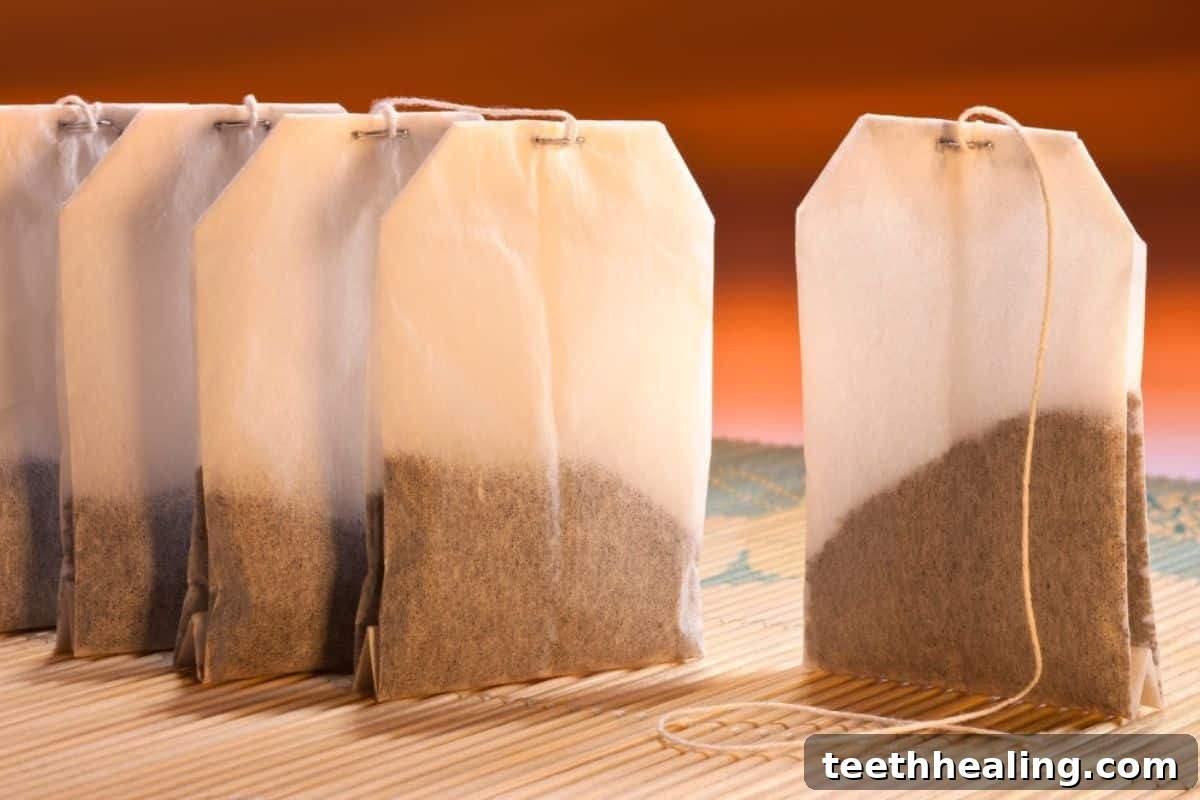
Experiencing tooth pain can be debilitating, bringing daily life to a grinding halt. Whether it manifests as a persistent dull ache that wears you down or a sudden, sharp, throbbing sensation that demands immediate attention, the discomfort is undeniable. In moments of oral distress, many individuals instinctively turn to their search engines, frantically looking for quick home remedies to tide them over until they can secure an appointment with a dental professional. Among the myriad of tips and tricks circulating online and passed down through generations, one common suggestion frequently surfaces: applying a tea bag directly to the source of the aching tooth. But the critical question remains: can this seemingly simple household item genuinely offer relief for tooth pain, or is it merely another enchanting, yet ultimately ineffective, old wives’ tale?
In this comprehensive guide, we will delve into the purported benefits of using tea bags for tooth pain. We will explore the scientific principles behind this natural remedy, understand how to apply it correctly for temporary comfort, and crucially, examine what dental experts and medical professionals advise regarding its efficacy and limitations. Our aim is to provide a clear, evidence-based perspective on whether tea bags can indeed contribute positively to your oral health regimen or if seeking professional dental intervention remains the undisputed gold standard for true and lasting relief.
Unpacking the Science Behind Tea Bags for Tooth Pain Relief
The concept of using tea bags to alleviate tooth pain isn’t entirely without a basis in natural chemistry. Teas, particularly certain varieties, are rich in natural compounds known for their medicinal properties. These compounds can offer temporary soothing effects that might provide a brief respite from oral discomfort. Understanding these components helps clarify why this home remedy has gained popularity.
Tannins: The Astringent Power of Black Tea
Black tea, arguably the most commonly recommended type for this purpose, is exceptionally high in compounds called tannins. Tannins are natural, plant-based astringents. What does this mean for tooth pain? When applied topically, tannins work by causing the soft tissues in the mouth, such as the gums, to contract or tighten. This astringent action can help to reduce swelling and inflammation around an irritated tooth or gum area. By tightening the gum tissue, tannins can also create a temporary barrier, which might slightly reduce sensitivity to external stimuli and provide a feeling of gentle relief. This effect is akin to how witch hazel, another tannin-rich plant, is used to soothe skin irritations.
Flavonoids and Antioxidants: The Anti-inflammatory Benefits of Green Tea
Green tea, while containing fewer tannins than black tea, is lauded for its abundant supply of flavonoids and powerful antioxidants, particularly catechins like epigallocatechin gallate (EGCG). These compounds possess significant anti-inflammatory properties. When applied, a cooled green tea bag can help to calm irritated oral tissues, reducing redness and discomfort associated with inflammation. Moreover, green tea also exhibits mild antibacterial benefits, which, while not strong enough to combat a full-blown infection, may help to cleanse the immediate area and prevent minor bacterial buildup from exacerbating existing irritation.
Soothing and Anxiolytic Effects: Chamomile Tea
Chamomile tea is renowned for its calming and soothing properties. It contains compounds like bisabolol and chamazulene, which have anti-inflammatory and mild analgesic effects. When used as a compress, a cooled chamomile tea bag can help to relax tense muscles around the jaw and provide a gentle, comforting sensation to an aching area. For individuals experiencing anxiety due to pain, the very act of applying a soothing remedy can also contribute to a sense of calm, further enhancing the perceived pain relief.
Mild Numbing and Refreshing Properties: Peppermint Tea
Though less commonly cited for tooth pain than black or green tea, peppermint tea contains menthol, a compound known for its mild numbing and cooling properties. Applying a cooled peppermint tea bag might offer a refreshing, tingling sensation that can distract from the pain and provide a very temporary, localized anesthetic effect. It can also help to mask bad breath that sometimes accompanies oral infections.
Important Caveat: Treating Symptoms, Not Causes
While the compounds found in various teas can indeed offer temporary symptomatic relief, it is absolutely critical to understand their fundamental limitation: they do not address the root cause of the pain. If you are experiencing discomfort from a cracked tooth, an underlying infection (such as an abscess), severe tooth decay, or advanced gum disease, a tea bag will only mask the symptoms. The actual problem will persist and potentially worsen beneath the surface. Relying solely on tea bags in such scenarios can lead to delayed professional treatment, escalating minor issues into more severe and complex dental emergencies that might require more invasive and costly interventions, such as root canals, extractions, or extensive gum therapy.
How to Safely Use a Tea Bag for Temporary Tooth Pain Relief
If you find yourself in a situation where immediate dental care isn’t an option and you wish to try a tea bag for very temporary, mild relief, it’s important to follow specific steps to maximize its potential benefits and minimize any risks. Remember, this is a stopgap measure, not a solution.
✅ Choose the Proper Tea for the Task: While several teas offer some benefit, black tea is generally preferred due to its higher concentration of tannins. These astringent compounds are most effective at reducing swelling and tightening gum tissue. Other options like green tea or chamomile can also be used for their anti-inflammatory and soothing properties, respectively, if black tea isn’t available.
✅ Steep the Tea Bag in Hot Water: Bring a cup of water to a boil, then carefully place the tea bag into the hot water. Allow it to steep for approximately 2-5 minutes, just as you would if you were preparing it for drinking. This process allows the beneficial compounds (tannins, flavonoids, etc.) to be released into the tea bag itself and absorb enough moisture.
✅ Cool It Down to a Comfortable Temperature: Once steeped, remove the tea bag from the hot water. Do NOT apply a hot tea bag directly to your mouth, as this could cause burns and exacerbate irritation. Allow the tea bag to cool down sufficiently. You want it to be warm to slightly cool, but not cold. A good test is to apply it to the back of your hand first to ensure it’s a comfortable temperature. Some people even prefer to chill the steeped tea bag in the refrigerator for a few minutes for an added cooling, numbing effect, particularly for swelling.
✅ Apply Directly to the Painful Area: Gently place the cooled or warm tea bag directly onto the affected tooth or gum area. Hold it firmly in place with gentle pressure, either by biting down slightly on it (if comfortable) or pressing it with your finger. Ensure full contact with the irritated tissue. Hold the tea bag in position for approximately 10 to 15 minutes. This duration allows the active compounds to have sufficient time to interact with the oral tissues.
✅ Rinse Your Mouth Afterward: After removing the tea bag, it’s advisable to rinse your mouth thoroughly with lukewarm water. This step helps to wash away any residual tea particles or tannins that might be left behind. While tannins can be beneficial, prolonged contact or leaving residue can potentially lead to temporary staining of teeth, especially if used frequently. A saltwater rinse (a teaspoon of salt in a glass of warm water) can also be beneficial at this stage, as salt is a natural antiseptic and can further reduce inflammation.
This method can offer a temporary respite, especially for minor gum irritation, canker sores, or mild tooth sensitivity. However, if the pain persists, intensifies, or is accompanied by other concerning symptoms like swelling, fever, or pus, do not delay. Such symptoms indicate a more serious underlying issue that requires immediate professional dental attention. A qualified local dentist near Palm Desert, or wherever you are located, can accurately diagnose the problem and provide the necessary treatment promptly, preventing further complications.
Professional Dental Recommendations: What Dentists Advise Instead
While the temporary comfort provided by a tea bag might seem appealing, dental professionals universally emphasize that it is merely a provisional measure and absolutely not a substitute for proper diagnosis and treatment by a dentist. Ignoring tooth pain and relying solely on home remedies can have severe consequences, leading to the progression of underlying issues into more complex and painful conditions, including widespread infections, abscesses, and even irreversible tooth loss.
Dentists advocate for a proactive and evidence-based approach to managing tooth pain safely and effectively. Here are the core recommendations:
✔ Over-the-Counter Pain Relievers:
For temporary relief from mild to moderate tooth pain, non-prescription pain relievers are often recommended. Nonsteroidal anti-inflammatory drugs (NSAIDs) such as ibuprofen (e.g., Advil, Motrin) or naproxen (e.g., Aleve) are particularly effective because they not only alleviate pain but also reduce inflammation, which is often a major contributor to tooth discomfort. Acetaminophen (e.g., Tylenol) can also be used for pain relief, though it doesn’t have the same anti-inflammatory properties as NSAIDs. Always follow the dosage instructions on the package and consult with a pharmacist or doctor if you have underlying health conditions or are taking other medications.
✔ Warm Saltwater Rinses:
This simple yet highly effective remedy is a staple in dental care. Dissolve half a teaspoon of salt in an 8-ounce glass of warm water. Swish the solution around your mouth for at least 30 seconds before spitting it out. Repeat this process several times a day. Saltwater rinses work by naturally reducing inflammation and acting as a mild antiseptic, helping to dislodge food particles and cleanse the irritated area. This can be particularly beneficial for gum inflammation or after dental procedures.
✔ Cold Compresses:
If your tooth pain is accompanied by noticeable swelling on your face or jaw, applying a cold compress can be very helpful. Wrap an ice pack or a bag of frozen peas in a thin cloth and hold it against the outside of your cheek, near the painful area, for 15 to 20 minutes at a time. Repeat every few hours. The cold helps to constrict blood vessels, which reduces swelling and can also provide a numbing effect, temporarily easing the pain.
✔ Seek Prompt Dental Care:
This is by far the most crucial recommendation. If tooth pain is severe, persistent, accompanied by swelling in the face or gums, fever, pus, difficulty swallowing or breathing, or lasts for more than a day or two, it is imperative to contact your dentist immediately. These symptoms often indicate a serious infection or a significant dental problem that requires professional diagnosis and intervention. Delaying care can lead to the spread of infection, extensive damage to the tooth and surrounding structures, and more complicated, expensive treatments.
✔ Maintain Excellent Oral Hygiene:
While not an immediate pain reliever, consistent and thorough oral hygiene (brushing twice daily, flossing once daily, and regular dental check-ups) is the best long-term strategy for preventing most causes of tooth pain. A clean mouth is less susceptible to decay and gum disease.
Natural Remedies: A Realistic Look at “Help or Hype”
In the vast landscape of health and wellness, natural remedies often occupy a fascinating space, promising gentle solutions derived from nature. When it comes to dental care, tools like tea bags or oil pulling are popular examples. They can indeed play a minor, supplementary role in your overall oral hygiene toolkit—but only under specific circumstances and strictly as a temporary stopgap solution. The key distinction to make is between relief and cure.
A tea bag might offer a few hours of localized comfort, perhaps by reducing mild inflammation or providing a soothing sensation. This temporary relief can be invaluable when you’re waiting for an emergency dental appointment or dealing with a minor irritation. However, it’s vital to recognize that these natural approaches do not possess the power to eliminate the underlying pathologies that cause significant tooth pain. They cannot fill a cavity, eradicate a bacterial infection that has spread to the pulp of a tooth, or reverse advanced gum disease. These are complex medical conditions that demand precise diagnosis and targeted treatment from a qualified dental professional.
The “hype” surrounding natural remedies often comes from anecdotal evidence and a desire for quick, chemical-free fixes. While natural ingredients can be potent, their application in a complex biological system like the human mouth requires careful consideration. For instance, while some essential oils are touted for their antimicrobial properties, their improper use can lead to irritation or even damage to oral tissues. Similarly, relying on a tea bag for persistent pain from an abscess could allow the infection to spread to other parts of the body, potentially leading to life-threatening conditions like sepsis.
Always consider natural remedies as a *supplement* to—not a *replacement* for—professional dental treatment. They can complement good oral hygiene practices and offer minor comfort, but they should never deter you from seeking expert medical advice for ongoing or severe dental issues. A balanced approach combines the best of natural care with the proven efficacy of modern dentistry.
Don’t Wait—Treat Tooth Pain the Right Way
Tooth pain is more than just an inconvenience; it is your body’s unequivocal alarm system, signaling that something is fundamentally wrong within your oral cavity. Ignoring this signal, or attempting to mask it indefinitely with temporary solutions like tea bags, is akin to putting tape over the “check engine” light in your car – the problem isn’t gone, it’s just out of sight, and likely getting worse. While the immediate comfort a tea bag might offer can be tempting, the wisest and most responsible course of action is always to address the underlying problem head-on by consulting a dental professional.
A short delay in seeking professional care can indeed mean the difference between a relatively simple and straightforward procedure, such as a basic dental filling to treat early decay, and a significantly more complex, time-consuming, and expensive intervention like a root canal, a tooth extraction, or even extensive gum surgery to manage advanced periodontal disease. What starts as a minor cavity can quickly progress to an infection reaching the tooth’s nerve, necessitating a root canal to save the tooth, or in severe cases, leading to its complete loss. Similarly, unchecked gum inflammation can escalate to periodontitis, jeopardizing the stability of multiple teeth.
Your oral health is intrinsically linked to your overall well-being. Lingering infections in the mouth can affect other parts of your body, including your heart. Don’t gamble with your health or endure unnecessary suffering. Take the proactive step towards lasting relief and optimal oral health.
Do not hesitate. Call your local dentist today to schedule a comprehensive dental exam. Let a trusted expert accurately diagnose the source of your pain and provide your smile with the professional, long-lasting care it truly deserves. Your comfort, health, and beautiful smile are worth it.