Embrace Natural Oral Care: The Ultimate Guide to Fluoride-Free Toothpaste and DIY Solutions
In an era where personal well-being takes center stage, an increasing number of individuals are seeking natural alternatives for every aspect of their lives, and oral hygiene is no exception. The question often arises: is fluoride truly essential for healthy teeth, or can we achieve optimal oral health by taking a more natural, fluoride-free approach? Many are now exploring the benefits of natural toothpastes, delving into ingredients that have been cherished for their therapeutic properties for centuries.
As a growing community champions holistic health, the demand for dental products free from fluoride and harsh chemicals continues to rise. This shift reflects a desire for greater control over what goes into our bodies, even down to our daily brushing routine. While commercially available natural toothpastes offer excellent options, the beauty of crafting your own lies in complete ingredient transparency and customization. This article will guide you through the compelling world of fluoride-free toothpaste, empowering you to make informed choices and even create your own potent dental formulations at home.
Why Opt for Fluoride-Free Toothpaste? Understanding the Natural Choice
The debate around fluoride in toothpaste is a long-standing one, with proponents highlighting its cavity-fighting properties and critics raising concerns about potential side effects. For those committed to a holistic lifestyle, choosing fluoride-free toothpaste often aligns with a broader philosophy of minimizing exposure to synthetic chemicals and relying on nature’s remedies.
One primary concern revolves around the potential for fluoride ingestion. While fluoride is effective topically, accidental ingestion, especially in children, can lead to dental fluorosis – a cosmetic condition characterized by white spots or streaks on tooth enamel. Beyond this, some individuals express concerns about fluoride’s systemic effects on overall health. By opting for a fluoride-free formula, you eliminate this potential risk, particularly if you or your family members tend to swallow toothpaste during brushing.
Furthermore, many natural toothpastes are formulated without other common ingredients found in conventional brands, such as artificial sweeteners, dyes, foaming agents like Sodium Lauryl Sulfate (SLS), and harsh abrasives. These additives can sometimes cause irritation, allergic reactions, or simply don’t align with a desire for pure, unadulterated products. Natural alternatives focus on ingredients that gently clean, remineralize, balance pH, and freshen breath, supporting the mouth’s natural ecosystem without aggressive intervention.
The Power of Nature: Key Ingredients in Natural Oral Care
A truly effective fluoride-free toothpaste harnesses the inherent properties of natural ingredients to promote dental health. Understanding what each component brings to your oral care routine can help you appreciate the efficacy of a natural approach.
- Coconut Oil: The Antimicrobial Marvel
Coconut oil has gained immense popularity in natural health circles, and for good reason. Rich in lauric acid, it possesses powerful antimicrobial properties that can help combat harmful bacteria, viruses, and fungi in the mouth. When used in toothpaste or for oil pulling, coconut oil helps to reduce plaque buildup, fight bad breath, and may contribute to healthier gums. Its smooth texture also makes it an excellent base for homemade toothpastes, offering a gentle yet effective cleaning action. - Baking Soda (Bicarbonate of Soda): Gentle Cleanser and pH Balancer
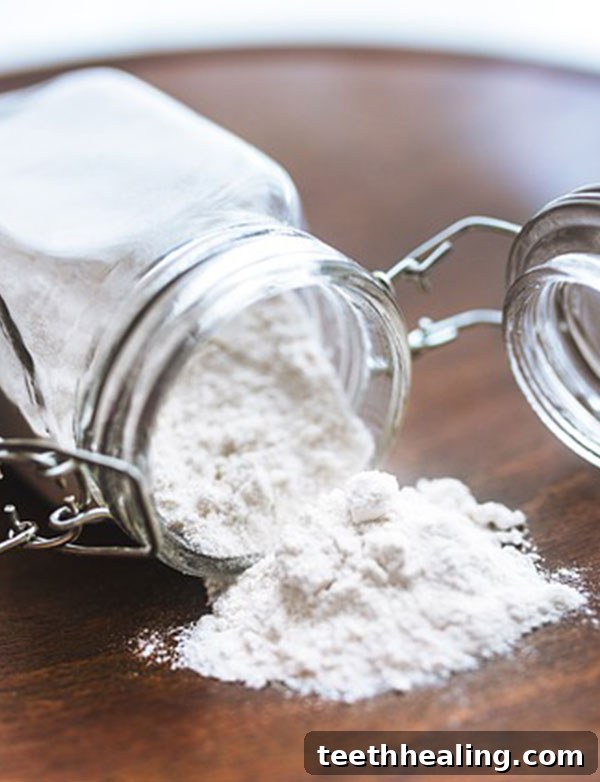
Baking soda is a time-tested ingredient in natural oral care. Its mild abrasive quality helps to gently polish teeth, removing surface stains without being too harsh on enamel. More importantly, baking soda is an excellent pH balancer. The mouth’s pH can become acidic due to food and bacteria, creating an environment ripe for decay. Baking soda helps to neutralize these acids, creating an alkaline environment that discourages the growth of cavity-causing bacteria. It also acts as a natural deodorizer, leaving your breath feeling fresh. - Xylitol: The Sweet Protector Against Cavities
Don’t let the “sweet” fool you; xylitol is a natural sugar alcohol derived from plants that is incredibly beneficial for oral health. Unlike regular sugar, xylitol does not feed harmful mouth bacteria. In fact, studies show that *Streptococcus mutans*, the primary bacteria responsible for cavities, cannot metabolize xylitol. Regular exposure to xylitol can reduce the amount of these bacteria in the mouth, inhibit their growth, and even help to remineralize weakened enamel. Using powdered xylitol in your toothpaste provides a pleasant sweetness while actively working to protect your teeth. - Essential Oils: Nature’s Antiseptics and Fresheners
Pure essential oils are the aromatic heart of many natural toothpastes, offering both therapeutic benefits and delightful flavors. Their antiseptic, anti-inflammatory, and antimicrobial properties make them invaluable for maintaining oral hygiene. When selecting essential oils for dental use, always ensure they are therapeutic grade and safe for internal use (when diluted appropriately).- Peppermint and Spearmint: Classic choices for their invigorating freshness and strong antimicrobial effects, leaving your mouth feeling clean and revitalized.
- Clove: Traditionally used for its analgesic (pain-relieving) properties, clove oil is also a powerful antiseptic, making it excellent for gum health.
- Cinnamon: Offers a warm, spicy flavor and strong antibacterial properties that can help fight bad breath and oral infections.
- Eucalyptus: Known for its antiseptic and anti-inflammatory qualities, it can be soothing for gums.
- Rosemary: An excellent antiseptic and astringent, rosemary oil helps to tone gums and provide a clean feeling.
- Lemon and Orange: While providing pleasant flavors, it’s crucial to use these citrus oils sparingly and in low concentrations, as their acidity can be a concern for enamel over time. They are best used as part of a blend with other protective oils.
- Myrrh Extract: Traditional Gum Healer
Myrrh has been used for millennia in traditional medicine for its powerful antiseptic and anti-inflammatory properties. In oral care, myrrh extract is particularly beneficial for gum health, helping to soothe inflamed gums, prevent gum disease, and aid in the healing of minor oral irritations. Its slightly bitter, resinous flavor can be an acquired taste but is highly effective. - Grapefruit Seed Extract (GSE): Broad-Spectrum Antimicrobial
Grapefruit Seed Extract is a potent broad-spectrum antimicrobial agent, effective against bacteria, viruses, and fungi. Including it in your toothpaste recipe adds an extra layer of protection against oral pathogens, contributing to a healthier mouth environment and fresher breath.
Crafting Your Own: The DIY Fluoride-Free Toothpaste Recipe
Making your own toothpaste is a rewarding experience that puts you in complete control of your oral care. This simple yet effective recipe combines the best of nature’s ingredients to create a refreshing and powerful dental paste.
Ingredients:
- ½ cup organic coconut oil, softened but not melted (preferably virgin or unrefined for maximum benefits)
- 2-3 tablespoons baking soda (food-grade bicarbonate of soda)
- 2 teaspoons Xylitol, finely powdered in a blender or food processor to prevent grittiness
- 10-20 drops of high-quality essential oil(s) of your choice* (e.g., peppermint, spearmint, clove, cinnamon, eucalyptus, rosemary, or a custom blend)
- 10 drops myrrh extract (optional, for enhanced gum health)
- 10 drops grapefruit seed extract (optional, for additional antimicrobial support)
Instructions:
- Prepare Dry Ingredients: In a medium-sized glass bowl, thoroughly mix the baking soda and powdered xylitol. Ensure there are no lumps in the xylitol to achieve a smooth final texture.
- Incorporate Coconut Oil: Gradually add the softened coconut oil, one teaspoon at a time, to the dry mixture. Stir continuously with a spoon or spatula. The goal is to reach a smooth, creamy, and spreadable consistency, similar to commercial toothpaste. You might need slightly more or less than ½ cup depending on the temperature and desired thickness.
- Add Extracts and Essential Oils: Once you have the desired consistency, add the myrrh extract (if using), grapefruit seed extract (if using), and your chosen essential oil(s). Start with 10 drops of essential oil and add more gradually until you reach your preferred intensity of flavor and freshness. Stir well to ensure even distribution.
- Achieve Smoothness (Optional): For an extra smooth and homogenous texture, transfer the mixture to a blender or food processor. Pulse a few times until the paste is perfectly blended and creamy. This step helps to fully incorporate all ingredients and remove any remaining grittiness.
- Store Properly: Transfer your freshly made fluoride-free toothpaste into a clean, airtight glass container. A small glass jar with a lid works perfectly. Store at room temperature in a cool, dark place. Coconut oil will solidify at cooler temperatures and soften in warmer ones, which might alter the paste’s consistency slightly, but this will not affect its efficacy.
*A Note on Essential Oils: Experiment with different essential oil combinations to find your favorite flavor profile. Beyond freshness, these pure essential oils are crucial active ingredients, offering antiseptic and nontoxic benefits – a rare and powerful combination for daily oral hygiene. Always use therapeutic-grade essential oils from a reputable source, and perform a patch test if you have sensitive skin.
Beyond the Recipe: Tips for Optimal DIY Toothpaste Use and Holistic Oral Health
Successfully integrating homemade toothpaste into your routine goes beyond just making it. Consider these tips for the best experience and to maximize your oral health benefits:
- Storage and Shelf Life: Since your homemade toothpaste contains no artificial preservatives, it’s best to use it within 2-3 months. Always use a clean spoon or spatula to scoop out the toothpaste to prevent introducing bacteria, rather than dipping your toothbrush directly.
- Consistency Adjustments: If your toothpaste is too firm, you can add a tiny bit more softened coconut oil. If it’s too soft, a bit more baking soda can help thicken it. Adjust to your personal preference.
- Essential Oil Safety: While essential oils are beneficial, moderation is key. Do not exceed the recommended drops, especially if you are new to using essential oils internally or have sensitivities. Avoid certain oils, like tea tree oil, if swallowed, and always research the safety profile of any essential oil you plan to use in your mouth. Consult a healthcare professional if you are pregnant, nursing, or have any health conditions.
- Brushing Technique: Regardless of your toothpaste choice, proper brushing technique remains paramount. Brush gently for two minutes, twice a day, ensuring you reach all surfaces of your teeth and gums.
Remember, toothpaste is just one component of a comprehensive oral hygiene routine. To truly embrace a holistic approach to dental wellness, consider the following:
- Daily Flossing: Flossing removes plaque and food particles from between teeth and under the gumline, areas your toothbrush can’t reach.
- Tongue Scraping: Use a tongue scraper daily to remove bacteria, food debris, fungi, and dead cells from the surface of your tongue, significantly improving breath and overall oral hygiene.
- Nutrient-Rich Diet: A diet rich in whole foods, fresh fruits, vegetables, and healthy fats supports strong teeth and gums from the inside out. Limit sugary and acidic foods and drinks that can erode enamel and feed harmful bacteria.
- Hydration: Drinking plenty of water helps to wash away food particles, neutralize acids, and maintain a healthy salivary flow, which is crucial for remineralization and fighting dry mouth.
- Regular Dental Check-ups: Even with the most diligent home care, professional cleanings and check-ups are essential. A holistic dentist can offer guidance and ensure your oral health is on track.
Conclusion: Empowering Your Smile with Nature’s Best
Choosing a fluoride-free natural toothpaste, whether store-bought or homemade, is a significant step towards a more holistic and mindful approach to your oral health. By understanding the powerful benefits of ingredients like coconut oil, baking soda, xylitol, and essential oils, you can actively contribute to a healthier mouth ecosystem, naturally.
The journey to optimal oral wellness is empowering, allowing you to take charge of your daily routines with confidence. Making your own fluoride-free toothpaste is not only simple and cost-effective but also provides the peace of mind that comes from using pure, unadulterated ingredients. Dive into the world of natural oral care, experiment with flavors, and discover the joy of a truly clean, fresh, and naturally healthy smile. Share your experiences, and let’s inspire more individuals to embrace the gentle yet effective power of nature for their dental needs.