Tongue scraping is a time-tested, simple yet incredibly effective practice that can profoundly transform your oral hygiene routine. It’s a key step towards achieving a truly healthy mouth, ensuring consistently fresh breath, and significantly reducing your risk for common oral health issues like gum disease and tooth decay. This often-overlooked ritual deserves a prime spot in your daily self-care.
Tongue Scraping: Unlock a Healthier Smile and Lasting Freshness
Have you ever noticed a persistent white or yellowish coating on your tongue? This visible layer isn’t just an aesthetic concern; it’s a clear indicator of bacterial buildup, food debris, and dead cells accumulating on the surface of your tongue. This undesirable biofilm is a primary culprit behind bad breath (halitosis) and can contribute significantly to a range of other oral health challenges. Enter tongue scraping – an ancient yet highly relevant technique designed to meticulously remove this coating, paving the way for a cleaner mouth, enhanced taste sensations, and a substantial boost to your overall oral wellness.
Understanding Your Tongue: A Hub of Oral Activity
Your tongue is far more than just a muscle for speaking and tasting. Its unique, textured surface, covered in papillae, creates an ideal environment for microscopic life. While many bacteria in your mouth are beneficial, an unchecked accumulation of harmful bacteria can lead to problems. Here’s why your tongue often becomes a breeding ground for these microorganisms and debris:
- Food Particles and Residue: Even after brushing, tiny fragments of food can become trapped within the intricate crevices of your tongue’s papillae. These particles provide a nutrient-rich feast for bacteria, allowing them to multiply rapidly.
- Dead Cells Accumulation: Just like skin cells, the cells on your tongue are constantly shedding. These dead cells can build up on the tongue’s surface, forming a sticky layer that acts as a perfect foundation for bacterial colonies.
- A Warm, Moist Environment: Your mouth is naturally warm and moist – conditions that are absolutely ideal for bacterial proliferation. The tongue, with its large surface area and sheltered position, becomes a prime location for these microbial communities to thrive.
- Biofilm Formation: The combination of food particles, dead cells, and bacteria forms a complex, tenacious film known as a biofilm. This biofilm is notoriously difficult to remove with just brushing and is the main target of tongue scraping.
The Critical Importance of Consistent Tongue Cleaning
Neglecting the cleanliness of your tongue can have far-reaching consequences beyond just cosmetic appearances. A tongue heavily coated with bacteria and debris can lead to several significant oral health problems, and even impact your general well-being:
- Persistent Bad Breath (Halitosis): This is arguably the most immediate and noticeable consequence. Bacteria on your tongue produce volatile sulfur compounds (VSCs) as they break down food particles and dead cells. These VSCs are the primary cause of the unpleasant odors associated with bad breath. Tongue scraping directly targets and removes these odor-producing bacteria.
- Impaired Taste Perception: A thick layer of bacteria and debris can physically obstruct your taste buds, diminishing their ability to register flavors accurately. Regular tongue cleaning can significantly enhance your sense of taste, allowing you to fully enjoy your meals again.
- Increased Risk of Dental Problems: The harmful bacteria residing on your tongue don’t always stay put. They can easily migrate to your teeth and gums, contributing to plaque buildup, increased susceptibility to gum disease (gingivitis and periodontitis), and an elevated risk of dental cavities.
- Compromised Oral Microbiome Balance: While a healthy mouth contains a diverse range of bacteria, an overgrowth of pathogenic (harmful) bacteria on the tongue can disrupt the delicate balance of your oral microbiome, potentially leading to further complications.
- Potential Systemic Health Links: Emerging research suggests connections between poor oral hygiene, including a dirty tongue, and systemic health issues like respiratory infections and digestive problems. By reducing the bacterial load in your mouth, you may indirectly support your overall health.
It’s clear that regular and effective tongue cleaning is not merely an optional add-on but a fundamental pillar of comprehensive oral care. By actively removing these harmful bacteria and debris, you are taking a proactive step towards promoting superior oral health and protecting your body from potential issues.
What Exactly Is Tongue Scraping and How Does It Benefit Your Health?
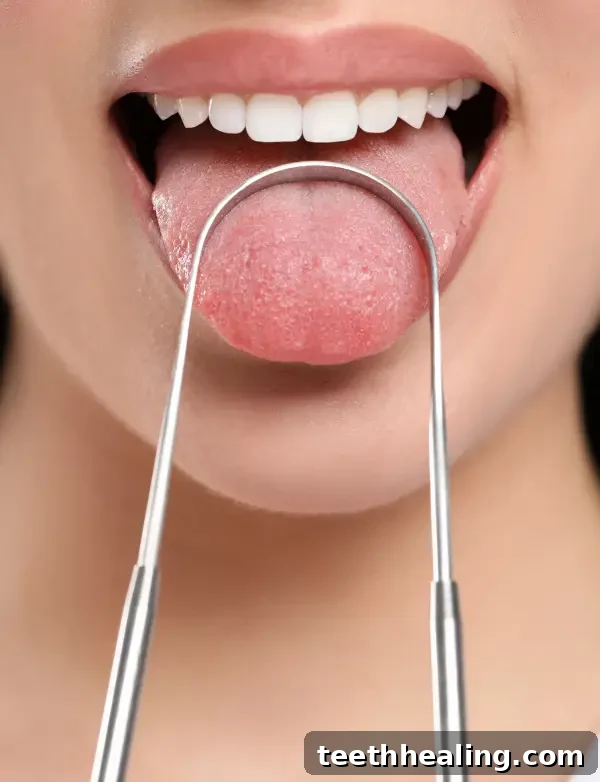
At its core, tongue scraping is a mechanical process of gently removing the coating from the surface of your tongue. The tool used for this purpose is called a tongue scraper or tongue cleaner. Typically U-shaped, these devices are designed to efficiently sweep away bacteria, food particles, fungi, toxins, and dead cells that accumulate overnight and throughout the day.
Defining the Tongue Scraper: Your Oral Health Ally
A tongue scraper is a specially designed oral hygiene tool, distinct from a toothbrush. While a toothbrush might spread tongue bacteria around, a scraper is engineered to gather and lift the undesirable coating off the tongue’s surface. They come in various materials, including stainless steel, copper, and plastic, each offering unique benefits. Copper is often lauded for its natural antimicrobial properties, while stainless steel is durable and easy to clean.
The Comprehensive Benefits of Incorporating Tongue Scraping
Beyond the immediate feeling of a cleaner mouth, the regular practice of tongue scraping delivers a multitude of health advantages:
- Significantly Reduced Bad Breath: This is arguably the most immediate and noticeable benefit. By removing the volatile sulfur compound-producing bacteria and debris directly, tongue scraping acts as a powerful remedy for bad breath, often outperforming mouthwashes that merely mask odors temporarily.
- Heightened Taste Sensitivity: With the obstructing layer gone, your taste buds are fully exposed and can interact more effectively with food molecules. This leads to a more vibrant and nuanced perception of sweet, sour, salty, bitter, and umami flavors.
- Enhanced Overall Oral Health: A cleaner tongue means fewer bacteria to migrate to your teeth and gums. This contributes directly to a reduced risk of plaque buildup, cavities, gingivitis, and periodontitis, supporting your broader dental health strategy.
- A Visibly Cleaner Tongue: The aesthetic improvement is undeniable. The removal of the white, yellowish, or sometimes grayish coating leaves your tongue looking pinker and healthier.
- Improved Digestion from the Start: In Ayurvedic tradition, tongue scraping is believed to stimulate internal organs and activate digestive enzymes. By truly tasting your food, your body begins the digestive process more effectively, signaling the stomach to produce necessary acids.
- Reduced Risk of Oral Thrush and Fungal Infections: By regularly removing accumulated fungi, bacteria, and debris, tongue scraping can help prevent conditions like oral thrush, particularly beneficial for individuals prone to such infections.
- Boosted Immunity: Reducing the bacterial load in the mouth means fewer harmful pathogens entering the body through the digestive or respiratory systems, potentially offering a subtle boost to your overall immune defense.
- A Fresh, Clean Feeling: Beyond the measurable benefits, there’s an undeniable feeling of cleanliness and freshness that comes from scraping your tongue, which contributes positively to daily comfort and confidence.
Mastering the Art of Tongue Scraping: A Simple Daily Routine
Integrating tongue scraping into your daily oral hygiene routine is quick and straightforward. Follow these steps for effective and comfortable cleaning:
- Prepare and Clean Your Scraper: Before each use, thoroughly rinse your tongue scraper under warm running water. If it’s been a while, you might even consider a quick wash with mild soap and water, especially for stainless steel or copper scrapers, to ensure optimal hygiene.
- Gently Extend Your Tongue: Stand in front of a mirror and gently stick out your tongue as far as is comfortable. This allows you to access the back of your tongue more easily.
- Position the Scraper: Place the rounded or V-shaped edge of the scraper at the very back of your tongue. Ensure it’s comfortably positioned without touching your tonsils or causing discomfort.
- Execute the Scrape: Apply light, consistent pressure and gently pull the scraper forward towards the tip of your tongue. You should see a layer of debris being removed by the scraper.
- Rinse and Repeat: After each pass, rinse the scraper under running water to remove the collected debris. This prevents re-depositing bacteria onto your tongue. Repeat steps 3 and 4 about 5-10 times, covering the entire surface of your tongue (center and sides), until no more coating comes off and your tongue feels clean.
- Final Rinse: Once you’ve finished scraping, rinse your mouth thoroughly with water to wash away any loosened particles and residual bacteria. You may also follow with your usual mouthwash.
- Clean and Store Your Scraper: Rinse your scraper again under warm water, dry it completely to prevent bacterial growth, and store it in a clean, dry place until its next use.
Essential Tips for Optimal Tongue Scraping
- Consistency is Paramount: For the most profound and lasting results, make tongue scraping a daily habit, preferably in the morning before eating or drinking, as bacterial buildup is often highest after sleep.
- Prioritize Gentleness: There’s no need to scrape aggressively. Applying too much force can irritate or even damage your tongue’s delicate tissues. A light, firm pressure is all that’s required for effective cleaning.
- Complement Your Routine: Tongue scraping is a powerful addition but not a replacement for other crucial oral hygiene practices. Always combine it with brushing your teeth twice a day, flossing daily, and scheduling regular dental check-ups and cleanings with your dentist.
- Consider Your Scraper Material: While plastic scrapers are common, many experts recommend stainless steel or copper for their durability, ease of cleaning, and in the case of copper, natural antimicrobial properties.
By thoughtfully incorporating tongue scraping into your comprehensive oral hygiene routine, you unlock the path to consistently fresher breath, a heightened sense of taste, and a significantly improved foundation for overall oral health.
Overcoming the Gag Reflex: Tips for Comfortable Tongue Scraping
For some individuals, the thought or act of placing a scraper towards the back of the tongue can trigger a gag reflex. This is a natural protective response, but it can be managed. With a little patience, practice, and the right approach, tongue scraping can become a completely comfortable and painless part of your daily routine. Here are some effective strategies to help you avoid gagging:
- Begin Gradually and Gently: Don’t try to reach the very back of your tongue on your first attempt. Start by lightly scraping only the middle section of your tongue. As you become more accustomed to the sensation over a few days or weeks, gradually work your way further back.
- Master the Light Touch: As emphasized before, apply only a light, firm pressure. A heavy hand is more likely to activate the gag reflex. Focus on a gentle glide rather than a deep scrape.
- Focus on Your Breath: Before you start, take a few slow, deep breaths through your nose. While scraping, continue to breathe deeply and steadily. This can help relax your throat muscles and distract your body from the reflex.
- Time It Right – The Morning Advantage: Many people find that scraping their tongue first thing in the morning, before eating or drinking anything, is less likely to induce gagging. Your stomach is empty, and your reflexes might be less sensitive.
- Experiment with Different Techniques: While the primary motion is front-to-back, you can try slightly different angles or start with smaller sections. Some find it helpful to focus on one side of the tongue at a time. The key is to find what feels most comfortable for you.
- Utilize a Mirror for Precision: Performing the action in front of a mirror can provide visual feedback, helping you guide the scraper more accurately and confidently. This can reduce anxiety and the chance of hitting a sensitive spot too aggressively.
- Distract Your Mind: Sometimes, a simple mental trick can work wonders. Focus intensely on something else while you scrape – perhaps a point on the mirror or a sound in the background.
- Choose the Right Scraper: Some scrapers have a slimmer profile or a slightly different curve that might be more comfortable for individuals with a sensitive gag reflex. Experiment with different types if your current one isn’t working.
Remember, getting accustomed to tongue scraping is a process. Be patient with yourself, maintain consistency, and celebrate small victories. The long-term benefits of a cleaner mouth and fresher breath are well worth any initial discomfort you might experience while adapting.
Evolve Dental Brisbane: Your Partner for Holistic Oral Health and Well-being
In summary, incorporating tongue scraping into your daily regimen is a profoundly simple yet incredibly effective way to elevate your oral health. By diligently removing harmful bacteria, toxins, and food debris from your tongue’s surface, you can dramatically improve bad breath, significantly reduce your susceptibility to gum disease and cavities, and even sharpen your sense of taste, allowing you to fully appreciate the flavors of your food. This fundamental practice contributes not only to a healthier mouth but also to a healthier you, as oral health is intrinsically linked to overall systemic well-being.
If you’re seeking expert guidance, personalized advice, and comprehensive dental care to achieve optimal oral health and integrate practices like tongue scraping into a holistic approach, be sure to visit Evolve Dental Brisbane. Our friendly and highly knowledgeable team is dedicated to providing you with tailored treatments and support, ensuring you have the tools and understanding to maintain a vibrant, healthy smile for life. We believe in empowering our patients with the knowledge to make informed decisions about their dental health.
Ready to experience the difference comprehensive, holistic dental care can make? Don’t hesitate to reach out to us. Call Evolve Dental Brisbane today at 07 3720 1811 or conveniently BOOK ONLINE to schedule your appointment. We look forward to welcoming you and helping you on your journey to peak oral health.