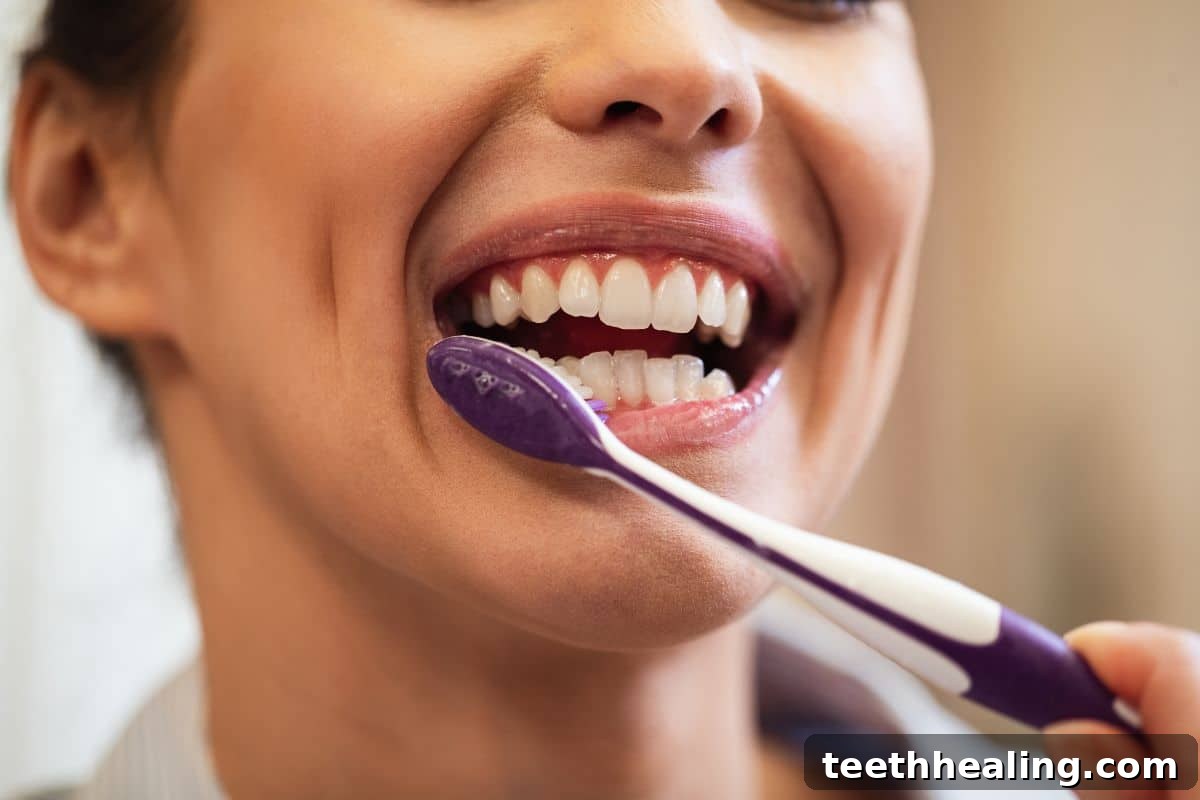
In the quest for a dazzling smile and optimal oral hygiene, many of us believe that more is always better. We might assume that brushing harder or more frequently will lead to healthier, cleaner teeth. However, this common misconception can actually pave the way for a surprisingly prevalent yet often overlooked problem: overbrushing. Also known as “toothbrush abrasion,” overbrushing is a silent saboteur of dental health, capable of inflicting significant damage to your teeth and gums, especially when coupled with improper techniques.
Understanding the nuances of effective oral care is crucial for safeguarding your smile. This comprehensive guide will delve deep into the detrimental effects of overbrushing on your oral health, equip you with the knowledge to identify its tell-tale signs, and provide actionable strategies to protect your teeth and gums without compromising your daily hygiene routine. By making informed adjustments, you can transform your brushing habits from potentially harmful to truly protective, ensuring your smile remains vibrant and strong for years to come.
What Exactly Is Overbrushing, and Why Does It Matter So Much?
Overbrushing is a term used to describe the act of brushing your teeth with excessive force, too frequently, or with an abrasive toothbrush. While the primary goal of brushing is to meticulously remove plaque, food particles, and bacteria, an overly zealous approach can be counterproductive and even destructive. Typically, this aggressive behavior involves using a hard-bristled toothbrush, applying significant manual pressure, or extending brushing sessions beyond the recommended duration.
The core issue lies in the fact that your tooth enamel, the outermost protective layer of your teeth, is incredibly strong but not indestructible. Enamel is designed to withstand the daily rigors of chewing and biting, yet it is highly susceptible to abrasive forces over time. Once this vital enamel layer is eroded due to aggressive brushing, it does not regenerate. This irreversible loss exposes the underlying dentin, a softer and more porous material, making your teeth significantly more vulnerable to a host of problems including:
- Increased Sensitivity: Exposed dentin contains microscopic tubules that lead directly to the tooth’s nerve. This can cause sharp, sudden pain when teeth are exposed to hot, cold, sweet, or acidic foods and drinks.
- Accelerated Tooth Decay: Without the protective shield of enamel, bacteria and acids can more easily penetrate the tooth structure, leading to cavities and decay.
- Aesthetic Compromises: Enamel erosion can make teeth appear duller, yellower, or even translucent, detracting from the natural beauty of your smile.
Beyond enamel erosion, aggressive brushing also takes a severe toll on your gums. The delicate gum tissue is not designed to withstand harsh friction. Chronic overbrushing can lead to gum recession, a condition where the gumline pulls away from the tooth surface, exposing the roots. Gum recession is problematic for several reasons:
- Heightened Sensitivity: Tooth roots are even more sensitive than dentin because they lack enamel entirely, making them acutely responsive to temperature changes and touch.
- Increased Risk of Root Cavities: Exposed roots are highly susceptible to decay, as their cementum covering is softer than enamel and easily demineralized.
- Compromised Periodontal Health: Receding gums create deeper pockets around the teeth, providing ideal breeding grounds for bacteria and increasing the risk of gum disease (gingivitis and periodontitis).
- Altered Aesthetics: Exposed roots can make teeth appear longer and lead to an uneven or aged-looking smile.
Considering these serious, often irreversible consequences, it becomes clear why understanding and preventing overbrushing is a critical component of any effective oral health strategy.
Are Your Brushing Habits Truly on Point? Unpacking Proper Technique
The foundation of excellent oral hygiene isn’t about brute force; it’s about precision and consistency. Most dental professionals, including the American Dental Association (ADA), advocate for a straightforward, yet often misunderstood, brushing regimen: brush twice daily for a full two minutes each time, using a soft-bristled toothbrush and a gentle, systematic approach.
However, many individuals unknowingly deviate from these guidelines. Perhaps they brush more than three times a day, believing it offers superior cleanliness, or they apply excessive pressure, mistakenly thinking it will scrub away more plaque. The reality is that these aggressive habits do not enhance cleanliness; instead, they significantly escalate the risk of enamel wear, gum recession, and a host of other dental complications. Effective plaque removal relies on the mechanical action of the bristles, not on the force applied.
Mastering the Art of Gentle Brushing: A Step-by-Step Guide
To ensure your brushing routine is working for you, not against you, consider these essential techniques:
- The 45-Degree Angle: Hold your toothbrush at a 45-degree angle to your gum line. This specific angle allows the bristles to effectively reach beneath the gum line where plaque often accumulates, without irritating the gums.
- Gentle Circular or Short Back-and-Forth Strokes: Instead of a vigorous scrubbing or “sawing” motion, use small, gentle circular or very short back-and-forth strokes. Focus on brushing one to two teeth at a time. The aim is to gently sweep away plaque and food particles, not to scour the tooth surface.
- Cover All Surfaces: Ensure you clean all surfaces of every tooth: the outer surfaces, the inner surfaces, and the chewing surfaces. Don’t forget to gently brush your tongue to remove bacteria and freshen your breath.
- The Two-Minute Rule: Use a timer or the built-in timer on an electric toothbrush to ensure you brush for the full recommended two minutes. Many people underestimate how long two minutes actually is.
- Soft-Bristled Toothbrush: Always opt for a soft-bristled toothbrush. Medium and hard bristles are too abrasive for tooth enamel and delicate gum tissue.
If you have any lingering concerns about your current brushing habits or technique, do not hesitate to consult with your family dentist in Palm Desert. An experienced dental provider can offer invaluable personalized guidance. They can meticulously evaluate your brushing technique during a routine check-up, identify any areas for improvement, and suggest practical adjustments tailored precisely to your unique oral health needs and concerns. Their expert advice can make a significant difference in preserving the long-term health and beauty of your smile.
Recognizing the Red Flags: Common Signs You May Be Overbrushing
Are your good intentions inadvertently harming your oral health? Being aware of the signs of overbrushing is the first step toward correcting the problem. Keep an eye out for these common indicators:
- Gum Recession or Sensitivity Along the Gumline: If you notice your gums appearing to pull back, making your teeth look longer, or if you experience tenderness, bleeding, or sensitivity specifically where the tooth meets the gum, this is a strong sign of gum trauma from aggressive brushing.
- Increased Tooth Sensitivity to Hot, Cold, or Sweet Foods: As enamel wears away or gums recede, the underlying dentin or tooth roots become exposed. This exposure leads to heightened sensitivity when consuming hot beverages, cold drinks, sugary treats, or even breathing in cold air.
- Notching, Grooves, or Abrasion Marks Near the Gumline: Often referred to as “abfraction lesions” or simply “notches,” these are visible V-shaped or U-shaped indentations at the neck of the tooth, right where it meets the gum. They are a direct result of the abrasive action of a toothbrush coupled with potential stress from clenching or grinding.
- Frayed or Splayed Toothbrush Bristles After Just a Few Weeks of Use: A healthy toothbrush should maintain its shape for at least three to four months of regular, gentle use. If your toothbrush bristles are consistently bent, flattened, or splayed outwards much sooner than this, it’s a clear indication that you are applying too much pressure.
- Dull or Worn Tooth Surfaces: While less obvious initially, continuous overbrushing can cause the surface of your teeth to appear less shiny or even noticeably worn down, particularly on the outer surfaces.
- Persistent Discomfort or Pain During Brushing: Brushing should never be painful. If you frequently experience discomfort, soreness, or bleeding gums while brushing, it’s a warning sign that your technique is too aggressive.
If any of these symptoms sound familiar or resonate with your current experience, it’s a strong signal that your brushing habits might be in dire need of a tune-up. Early detection and intervention are key to preventing further damage and preserving your oral health.
Comprehensive Strategies to Safeguard Your Smile from Overbrushing
The good news is that overbrushing is entirely preventable, and its initial effects can often be mitigated or even reversed if caught early. Implementing a few simple yet effective changes into your daily routine can dramatically improve your oral health. Here are expert-recommended ways to protect your teeth and gums:
- Prioritize a Soft-Bristled Toothbrush: This is arguably the most critical change you can make. Stiff or medium bristles are simply too abrasive for delicate tooth enamel and gum tissue. Always opt for a toothbrush labeled “soft” or “extra-soft.” The goal is to clean effectively, not to scrub aggressively. Softer bristles are designed to flex and clean along the gumline and tooth surfaces without causing damage.
- Replace Your Toothbrush Regularly: A worn-out toothbrush is not only ineffective at removing plaque but can also harbor bacteria and contribute to gum damage. Aim to replace your toothbrush every 3–4 months, or sooner if the bristles appear frayed or splayed. Even soft bristles become less effective and potentially abrasive once they lose their shape.
- Master the Correct Brushing Technique: As previously discussed, technique trumps force. Hold your brush at a 45-degree angle to the gum line. Use gentle, short, circular motions, ensuring you cover all surfaces of each tooth. Avoid the common back-and-forth sawing motion, which is a primary contributor to abrasion. Think of it as gently massaging your teeth and gums, not scrubbing a dirty floor.
- Consider an Electric Toothbrush with a Pressure Sensor: Many modern electric toothbrushes are equipped with built-in pressure sensors. These innovative tools provide an invaluable safeguard against overbrushing by alerting you (either with a light, vibration, or sound) when you are applying too much pressure. This instant feedback is incredibly effective in training you to brush more gently and consistently.
- Utilize Fluoride Toothpaste: Fluoride is a natural mineral that strengthens tooth enamel, making it more resistant to acid attacks and the early stages of decay. It also helps to remineralize areas where enamel might be slightly weakened. Using a fluoride toothpaste can offer an added layer of protection against the effects of erosion, whether from brushing or dietary acids.
- Be Mindful of Your Brushing Duration: Stick to the recommended two minutes per brushing session. Using a timer can be incredibly helpful. Many electric toothbrushes come with integrated timers that alert you every 30 seconds to switch quadrants of your mouth, ensuring an even and thorough clean.
- Address Dietary Factors: While not directly related to brushing technique, consuming highly acidic foods and drinks (like citrus fruits, sodas, and sports drinks) can soften tooth enamel, making it even more susceptible to abrasion from brushing. Limit consumption of these items or rinse your mouth with water afterward to neutralize acids.
- Consult Your Dental Professional: Regular check-ups with your dentist and hygienist are paramount. They can assess the state of your enamel and gums, identify any signs of overbrushing, and provide personalized advice. A dental hygienist can also demonstrate the correct brushing technique specific to your oral anatomy and help you choose the best tools for your needs.
As reinforced by leading dental organizations like the American Dental Association (ADA), the effectiveness of your brushing routine hinges far more on correct technique than on aggressive force. Following professional guidance ensures that your daily brushing truly supports, rather than harms, your long-term dental health and the vitality of your smile.
When to See Your Dentist: Don’t Wait for Worsening Damage
If you’re already noticing symptoms such as gum recession, increased tooth sensitivity, or visible enamel wear, it’s crucial not to delay seeking professional dental care. These issues won’t resolve on their own and can progressively worsen over time, leading to more complex and costly treatments.
A skilled family dentist can accurately assess the severity of any existing damage caused by overbrushing. They can then recommend and provide appropriate treatments, which might include:
- Fluoride Therapy: Professional fluoride treatments can help remineralize weakened enamel, reduce sensitivity, and make teeth more resistant to decay.
- Dental Bonding: For minor notching or enamel loss, dental bonding using tooth-colored resin can restore the tooth’s surface and protect exposed areas.
- Gum Grafts: In cases of significant gum recession, a gum graft may be necessary to cover exposed roots, reduce sensitivity, and protect against further recession.
- Desensitizing Agents: Various in-office and prescription-strength desensitizing agents can be applied to alleviate severe tooth sensitivity.
Beyond treatment, your dentist and dental hygienist are your best allies in correcting your brushing habits. They can provide hands-on demonstrations, recommend specific products (like a suitable electric toothbrush), and offer ongoing support to ensure you adopt a technique that protects your smile before any further, irreversible harm is done.
Ultimately, achieving and maintaining good dental hygiene is not about how hard you brush; it’s about brushing smarter. Embracing the knowledge of how to avoid overbrushing and consistently applying proper techniques will serve as your best defense. This proactive approach will meticulously protect your precious tooth enamel, preserve the health and integrity of your gums, and empower you to maintain a confident, healthy, and radiant smile for many years to come.
Ready to Optimize Your Oral Health? Schedule Your Next Checkup Today!
Are you concerned that you might be brushing too hard, or simply want the reassurance that your daily routine is perfectly aligned with optimal oral health practices? Don’t leave the health of your smile to chance. Schedule a dentist appointment today with a trusted local provider. An experienced dental professional can provide expert guidance toward better brushing habits, assess your current oral health, and help you achieve and maintain the healthiest, most beautiful smile possible. Your mouth, and your future self, will undoubtedly thank you for taking this important step.