Missing teeth affect more than your appearance. They can change how you chew, speak, and smile, and over time gaps may lead to shifting teeth, bite issues, and changes in the jawbone. When deciding how to replace a missing tooth, many people compare dental implants and dental bridges because both restore form and function but differ in important ways.
If you are considering tooth replacement, understanding the differences between these treatments will help you choose the option that best meets your needs. Patients exploring dental implants in Palm Desert often weigh them against traditional bridges. Each option has distinct benefits, limitations, and long-term implications that are important to consider.
This guide outlines how implants and bridges work, who is likely to benefit from each, and the key factors to include in your decision-making process.
What Is the Difference Between a Dental Implant and a Dental Bridge?
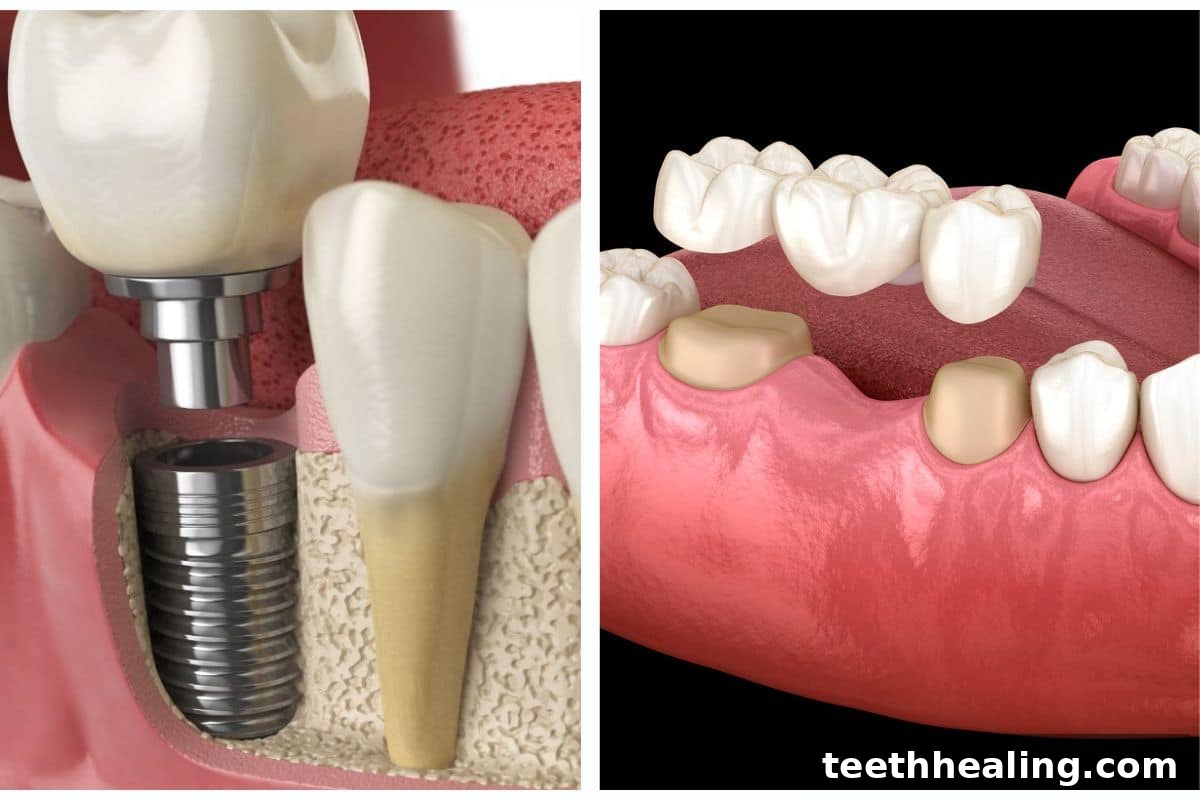
A dental implant replaces both the tooth root and crown, while a bridge replaces only the visible portion of the missing tooth and relies on neighboring teeth for support.
A dental implant is a titanium post placed into the jawbone. After osseointegration and healing, a custom crown is attached to the implant, producing a replacement tooth that functions independently of adjacent teeth.
A dental bridge fills the gap with one or more artificial teeth (pontics) and is anchored by crowns on the teeth beside the space or by existing restorations. Bridges restore appearance and function but do not replace the underlying root.
Understanding these structural differences explains why timelines, maintenance, and long-term outcomes differ between the two options.
Dental Implant Components
- Titanium implant post
- Abutment (connector)
- Custom dental crown
Dental Bridge Components
- Artificial replacement tooth (pontic)
- Crowns attached to neighboring teeth
- Supporting structure that spans the gap
These component differences shape how each restoration performs and what care they require.
Which Option Looks and Feels More Natural?
Both implants and bridges can look very natural when crafted with attention to color, shape, and gum contour. The perceived naturalness depends on materials, design, and the surrounding oral condition.
Implants often provide the most natural feel because they integrate with the jawbone and act like independent teeth. Many patients report that implants feel and function like their original teeth.
Modern bridges also create attractive results; high-quality materials can closely match natural enamel and blend seamlessly with adjacent teeth.
Why Implants Often Feel More Like Natural Teeth
Because implants replace the root structure, they offer stability during chewing and speaking and typically place less stress on neighboring teeth.
Cosmetic Considerations
Your dentist will evaluate factors such as:
- Gum health
- Smile line
- Tooth color and translucency
- Bite alignment
- Facial proportions
These details guide the design of a restoration that blends naturally with your smile.
How Does Bone Loss Affect the Decision?
A major difference between implants and bridges concerns jawbone preservation. When a tooth is lost, the jawbone beneath no longer receives regular stimulation from chewing and can resorb over time.
Dental Implants Help Preserve Bone
An implant post stimulates the surrounding bone similarly to a natural tooth root, helping maintain bone density and facial contours. For many patients seeking dental implants in Palm Desert, this long-term oral health benefit is a key reason to choose implants.
Dental Bridges Do Not Prevent Bone Loss
While a bridge restores function and appearance, it does not replace the root and therefore does not prevent bone shrinkage beneath the missing tooth. Over time this can affect gum contours and facial aesthetics.
When Bone Loss Already Exists
Some patients have significant bone loss before seeking replacement. In those cases, procedures such as bone grafting, ridge preservation, or advanced implant planning may create a suitable foundation for implant placement. A comprehensive exam and imaging determine whether these additional treatments are needed.
What Are the Benefits and Drawbacks of Each Option?
Benefits of Dental Implants
Long-term stability: Implants are intended to integrate with the jawbone and provide lasting support.
Preserves neighboring teeth: Healthy adjacent teeth typically do not require alteration.
Supports bone health: Implants help maintain bone volume and facial structure.
Natural function: Many patients regain strong biting and chewing ability.
Potential Considerations for Implants
- Longer overall treatment timeline
- Requires minor oral surgery
- Higher initial cost
- Healing period before final restoration
Benefits of Dental Bridges
Faster treatment: Many bridges can be completed in a shorter timeframe than implants.
No surgery required: Bridge placement avoids implant surgery.
Effective tooth replacement: Bridges restore chewing function and appearance efficiently.
Potential Considerations for Bridges
- Requires modification of adjacent teeth
- Does not prevent jawbone loss
- May need replacement sooner than implants
- Cleaning around supporting teeth can be more challenging
When planned and maintained properly, both implants and bridges remain reliable restorative options.
Which Option Lasts Longer?
Implants generally offer greater longevity. Bridges can last many years but may require replacement due to wear, decay of supporting teeth, or changes in the surrounding structure.
Factors that influence how long a restoration lasts include:
- Daily oral hygiene
- Smoking and tobacco use
- Bite forces and bruxism
- Gum and overall oral health
- Regular professional dental care
Longevity of Dental Implants
With good care, implants can remain functional for decades. The prosthetic crown may need replacement over time, but the implant post often remains stable long-term.
Longevity of Dental Bridges
Bridges can provide years of dependable function, but supporting teeth may develop issues that compromise the restoration. For many patients considering long-term value, dental implants in Palm Desert are viewed as a durable solution for both function and oral health.
Who Is a Good Candidate for Each Treatment?
The ideal option depends on your specific health, goals, and circumstances.
Ideal Candidates for Dental Implants
You may be a strong candidate for implants if you:
- Have healthy gums
- Have sufficient jawbone volume
- Maintain good oral hygiene
- Are in generally good health
- Seek a long-term solution
Ideal Candidates for Dental Bridges
A bridge may be appropriate if you:
- Prefer a faster treatment option
- Wish to avoid surgery
- Have neighboring teeth that already require crowns
- Have medical considerations that limit implant therapy
Why a Professional Evaluation Matters
No article can definitively determine the best option for your mouth. A comprehensive evaluation typically includes digital imaging, bite analysis, bone assessment, medical history review, and a discussion of your cosmetic goals. This process helps identify whether complementary procedures—such as crowns, periodontal therapy, or bone grafting—would improve results.
What Factors Should You Consider Before Making a Decision?
Choosing between an implant and a bridge involves more than replacing a missing tooth. Consider these points:
Long-Term Oral Health Goals
Do you want the most conservative option for preserving surrounding teeth and bone?
Treatment Timeline
Would you prefer a faster path to restoration, or are you comfortable with a longer timeline for potential long-term benefits?
Budget Considerations
Initial costs differ between treatments, but long-term maintenance and replacement needs should factor into your decision.
Existing Dental Conditions
The health and structure of neighboring teeth and gums will influence the recommended treatment.
Personal Preferences
Some patients prefer to avoid surgery, while others prioritize longevity and bone preservation. A personalized consultation helps clarify which option aligns with your priorities.
Residents throughout Palm Desert, Rancho Mirage, Indian Wells, La Quinta, Cathedral City, and other Coachella Valley communities often find that a one-on-one consultation provides the clarity they need when comparing treatments.
Why Professional Guidance Is Essential
The right treatment varies by patient. An implant may be ideal for one person but unnecessary for another, and a bridge can be an excellent solution when adjacent teeth already require restoration. Your dentist evaluates clinical details that cannot be assessed from photos or general information—bone quality, bite dynamics, gum health, and overall oral condition all affect the recommendation.
For many patients exploring dental implants in Palm Desert, a professional consultation clarifies how each option fits their goals, lifestyle, and long-term oral health needs.
Making the Right Choice for Your Smile
Both implants and bridges are reliable solutions for replacing missing teeth. The best choice depends on your oral health, aesthetic goals, timeline, and personal preferences. A personalized evaluation will help you weigh benefits and limitations so you can make an informed decision.
If you have questions about tooth replacement, scheduling a consultation with an experienced dental team can determine whether a dental implant, dental bridge, or another restorative option best supports your long-term smile goals.
Schedule a Consultation Today
Missing teeth can affect daily comfort, confidence, and oral health. If you are considering tooth replacement, schedule an appointment with a Palm Desert dental practice to discuss your options. A professional evaluation will identify the most appropriate treatment for your situation.
Frequently Asked Questions
Not always. Implants offer clear benefits such as bone preservation and independent support, but a bridge can be appropriate for patients who need a quicker solution, wish to avoid surgery, or already require crowns on adjacent teeth. The best option depends on individual oral health and goals.
Yes. Many people receive implants years after tooth loss, though prolonged absence of a tooth can lead to jawbone reduction. Imaging and, if necessary, bone grafting help determine whether implant placement is feasible.
Traditional bridges require reshaping the adjacent teeth to support crowns, which involves altering healthy tooth structure. This is not required with a single dental implant.
Both require daily hygiene and regular dental visits. Implants are cleaned like natural teeth, while bridges require special flossing techniques beneath the pontic. Consistent care helps extend the life of either restoration.
Yes. Properly designed implants and bridges can restore chewing efficiency and speech. Function depends on restoration design, bite alignment, oral health, and how many teeth are being replaced.