Losing a tooth is more than just a gap in your smile; it initiates a cascade of effects that impact your overall oral health, facial aesthetics, and crucially, your jawbone structure. When a tooth is lost, its root is no longer present to stimulate the surrounding jawbone. This lack of stimulation leads to a process known as bone resorption, where the bone tissue gradually deteriorates and shrinks over time. The consequences extend far beyond aesthetics, potentially making it challenging to eat, speak clearly, or even wear traditional dentures comfortably. The good news is that advancements in modern dentistry offer a groundbreaking solution: dental implants. These remarkable prosthetic devices not only replace missing teeth but also play a vital role in preserving and actively stimulating the underlying jawbone, offering a long-term, stable foundation for your smile and health.
Understanding Jawbone Loss After Tooth Loss: The Silent Threat
Our natural teeth roots are incredibly sophisticated structures, designed to transmit biting and chewing forces directly into the jawbone. This constant, natural stimulation is essential for maintaining the bone’s density, strength, and overall health. Think of it like exercise for your bones; without it, they weaken. When a tooth is lost, this vital stimulation ceases. The body, perceiving the jawbone in that area as no longer necessary, begins to resorb the bone tissue. This phenomenon, known as disuse atrophy, is a natural biological response, but it leads to significant structural changes in the jaw.
Over time, the jawbone can shrink considerably, leading to a sunken appearance in the face, especially around the mouth and cheeks. This bone loss can also affect adjacent teeth, potentially causing them to shift, loosen, or even become lost. Furthermore, the diminished bone volume can complicate future dental work, making it difficult to fit conventional bridges or dentures properly. In severe cases of bone atrophy, extensive bone grafting procedures may be required to rebuild the jawbone sufficiently before any restorative treatment can even be considered. Recognizing this silent threat is the first step toward understanding the profound importance of timely and effective tooth replacement.
How Dental Implants Actively Combat and Reverse Bone Loss
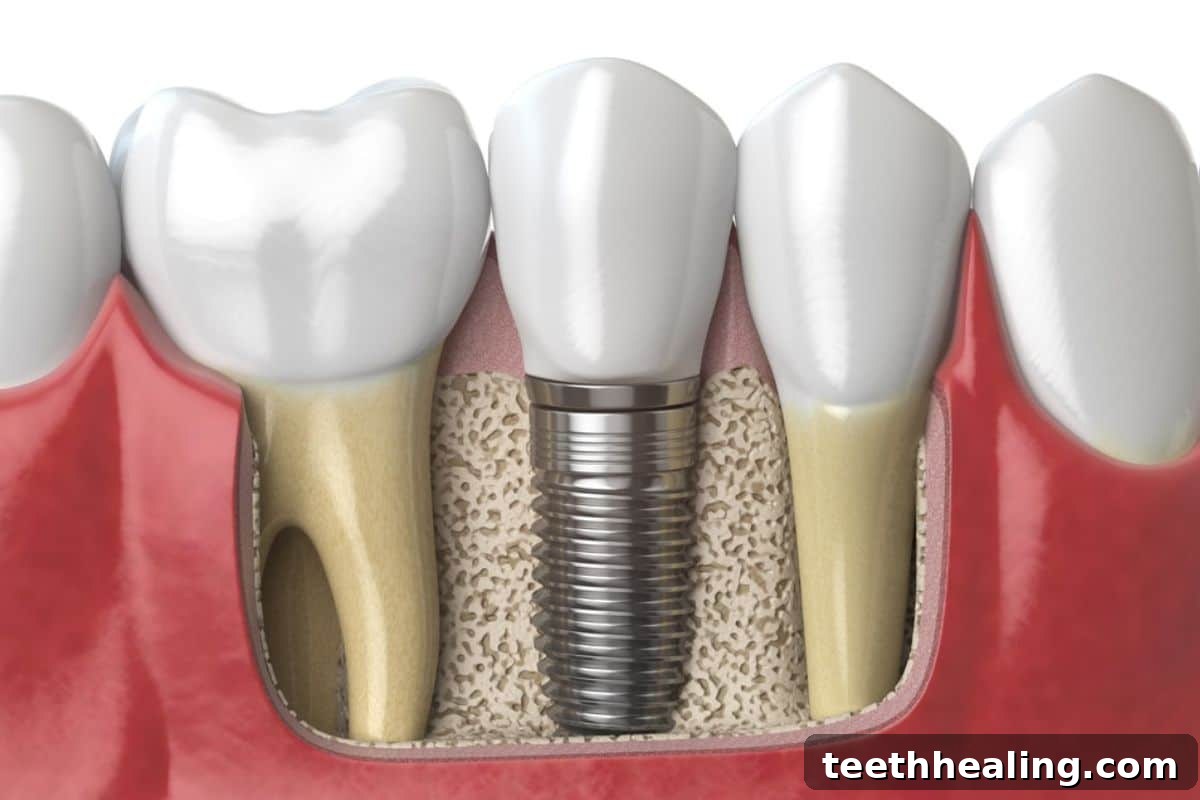
Dental implants are fundamentally different from traditional tooth replacement options like bridges or dentures because they directly address the issue of bone loss. An implant dentist surgically places a small, biocompatible titanium post directly into the jawbone. This titanium post is designed to mimic the natural tooth root, both in its position and its function. Over several months, the jawbone naturally integrates with the titanium post through a remarkable biological process called osseointegration. During this crucial healing phase, the bone cells grow and fuse directly onto the surface of the implant, creating an incredibly strong and stable foundation.
Once osseointegrated, the dental implant acts as an artificial tooth root. When you bite and chew, the forces are transmitted through the implant into the surrounding jawbone, just as a natural tooth root would. This direct stimulation reactivates the bone cells, prompting them to regenerate and maintain their density. This process effectively halts or can even partially reverse existing bone loss, preserving the structural integrity of your jaw. Unlike bridges, which rely on adjacent teeth for support and do nothing to stimulate the bone beneath the missing tooth, or dentures, which rest on the gums and can even accelerate bone resorption over time, dental implants are a self-sustaining solution that actively supports your bone health.
The result is a preserved jawbone, which helps maintain your facial structure and prevents the sunken appearance often associated with tooth loss. Beyond aesthetics, this structural integrity ensures the long-term stability of your oral health, preventing further dental complications that can arise from bone atrophy, such as shifting teeth, bite misalignment, or challenges with speech and eating. Dental implants offer a comprehensive solution that restores both the function and aesthetics of your smile while crucially safeguarding your underlying bone health.
The Comprehensive Benefits of Dental Implants for Optimal Oral Health
Choosing dental implants is an investment in your long-term oral and overall health, offering a multitude of benefits that extend far beyond simply filling a gap:
- Unrivaled Bone Preservation: This is arguably the most significant advantage. By replacing the tooth root, dental implants directly stimulate the jawbone through osseointegration, preventing the bone resorption that occurs with other tooth replacement methods. This active stimulation helps maintain bone density and preserve the natural contours of your face.
- Superior Function and Comfort: Dental implants fuse with your jawbone, providing a stable and permanent foundation for chewing, speaking, and smiling. Unlike dentures that can slip, click, or cause irritation, implants feel and function just like natural teeth, allowing you to eat all your favorite foods with confidence and comfort.
- Enhanced Aesthetics and Natural Appearance: Implants are meticulously crafted to match your existing teeth in color, shape, and size, providing a seamless and natural-looking restoration. They integrate beautifully with your smile, enhancing your facial harmony and boosting your self-esteem.
- Long-Term Durability and Reliability: With proper care and regular dental check-ups, dental implants are designed to last for decades, often a lifetime. They are a durable, long-term solution that eliminates the need for frequent repairs or replacements often associated with traditional bridges or dentures.
- Protection of Adjacent Healthy Teeth: Unlike conventional bridges, which require the grinding down of healthy adjacent teeth for support, dental implants are self-supporting. This means your natural teeth remain untouched and intact, preserving their strength and integrity.
- Improved Oral Health and Hygiene: Implants are cared for just like natural teeth, through regular brushing, flossing, and dental check-ups. They don’t require special adhesives or cleaning routines, simplifying your oral hygiene regimen and contributing to better overall oral health.
- Prevention of Further Dental Issues: By maintaining jawbone integrity and preventing teeth from shifting, implants help avoid a cascade of other oral problems, including bite misalignment, temporomandibular joint (TMJ) disorders, and further tooth loss.
- Reduced Need for Bone Grafts (or making them possible): While sometimes a bone graft may be necessary if significant bone loss has already occurred, dental implants often minimize the extent of grafting required compared to other solutions that don’t address the underlying bone deficiency. In many cases, timely implant placement can prevent the need for grafts altogether by preserving existing bone.
- Boosted Confidence and Quality of Life: Restoring a complete, functional, and beautiful smile can dramatically improve your confidence in social and professional settings. The ability to eat, speak, and laugh without hesitation enhances your overall quality of life.
Dental Implants vs. Traditional Tooth Replacement: A Clear Superiority
When comparing dental implants to traditional tooth replacement methods, the distinctions become strikingly clear, especially regarding long-term oral health and bone preservation. Traditional fixed bridges, while providing a functional tooth replacement, come with a significant drawback: they require the grinding down of healthy adjacent teeth to serve as anchors. This process permanently alters healthy tooth structure, potentially compromising their long-term health and making them more susceptible to decay or sensitivity. More critically, bridges do nothing to stimulate the jawbone beneath the missing tooth. The bone in that area continues to resorb, leading to the same bone loss issues that dental implants aim to prevent.
Dentures, whether full or partial, also fall short in the crucial area of bone preservation. While they offer a removable solution for multiple missing teeth, they simply rest on the gum line. This lack of direct stimulation means the jawbone beneath the dentures continues to deteriorate. As the bone shrinks, dentures become progressively loose, ill-fitting, and uncomfortable, often requiring frequent adjustments, relines, or even replacement. The continuous pressure of ill-fitting dentures can even accelerate bone loss. Furthermore, the instability of dentures can lead to difficulties in chewing certain foods, speech impediments, and a constant worry about slippage.
Dental implants, on the other hand, offer a self-contained and biologically integrated solution. They don’t rely on adjacent teeth for support, thus preserving their health. Most importantly, by integrating directly with the jawbone and mimicking natural tooth roots, they provide the essential stimulation needed to maintain bone density and volume. This fundamental difference makes dental implants the gold standard for tooth replacement, offering not just a restoration of your smile but a lasting investment in your complete oral and facial health.
Is Dental Implant Treatment Right for You? Assessing Candidacy
If you’ve experienced tooth loss and are concerned about jawbone deterioration, or if you simply seek the most stable and natural-feeling tooth replacement option, dental implants may be the ideal solution for you. While many individuals are excellent candidates for dental implant treatment, a thorough evaluation by a qualified dental professional is essential to determine the best course of action. Generally, good overall health and adequate bone density in the jaw are key factors. However, even if some bone loss has occurred, advanced techniques such as bone grafting can often prepare the jaw for successful implant placement.
During your initial consultation, your dentist will conduct a comprehensive examination of your oral health, including detailed imaging of your jawbone. This assessment will help determine the quantity and quality of your existing bone, identify any underlying health conditions that might affect treatment, and discuss your personal aesthetic and functional goals. Open communication with your dental professional about your medical history and lifestyle is vital to creating a customized treatment plan that ensures the highest chances of success and satisfaction.
The Dental Implant Procedure: A Journey to a Renewed Smile
The dental implant process typically involves several stages, ensuring a meticulous and comfortable experience for the patient. It begins with the initial consultation and detailed planning, utilizing advanced diagnostics to map out the precise placement of the implant. The next step is the surgical placement of the titanium implant post into the jawbone. This is usually followed by a healing period of several months, during which osseointegration occurs, allowing the implant to fuse with the bone.
Once the implant is fully integrated, an abutment (a small connector) is attached to the implant, over which your custom-fabricated crown, bridge, or denture will be placed. Each stage is carefully monitored to ensure optimal healing and integration, culminating in a fully restored smile that looks, feels, and functions like your natural teeth. The entire process is designed for patient comfort and predictable, long-lasting results.
Ready to Restore Your Smile and Safeguard Your Bone Health?
If you’re grappling with the effects of missing teeth and the potential or existing jawbone loss, and you’re seeking a permanent, health-conscious solution to restore your smile and prevent further complications, dental implants offer an unparalleled answer. This advanced restorative option not only brings back the beauty and functionality of your teeth but also actively preserves the crucial foundation of your oral health – your jawbone.
Don’t let tooth loss undermine your confidence or compromise your long-term oral well-being. Take the proactive step towards a healthier, stronger, and more beautiful smile today. Contact Palm Desert Dentist: Cosmetic, Restorative, & Implant Dentistry for a personalized consultation. Our highly experienced team is dedicated to guiding you through every step of the process, answering all your questions, and crafting a tailored treatment plan designed to meet your unique needs and aspirations.
Call now to schedule your appointment and discover the transformative power of dental implants. Your future smile and robust oral health are waiting!