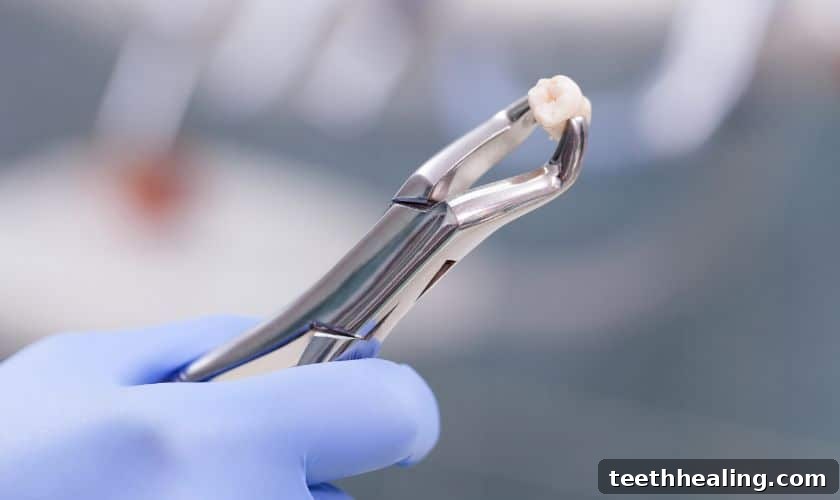
Facing the prospect of a tooth extraction can be daunting, especially when multiple teeth are involved. Many patients naturally wonder: how many teeth can be extracted in one sitting? This is a common and valid concern, as the thought of undergoing multiple procedures can be overwhelming. While there isn’t a universal “magic number,” the decision on how many teeth can be safely and effectively removed at once is a highly individualized one, carefully determined by an experienced dental professional, such as a trusted dentist in Palm Desert. This comprehensive guide will explore the various factors influencing this critical decision, ensuring you understand what to expect and how to prepare for your dental extractions.
Tooth extractions, whether simple or complex, are significant dental procedures. They are often necessary when a tooth is severely damaged by decay, infection, trauma, or when it poses a risk to overall oral health, such as in cases of overcrowding or impacted wisdom teeth. The goal is always to preserve natural teeth whenever possible, but when a tooth becomes irreparable, extraction is the best course of action to prevent further complications and alleviate pain. Understanding the nuances of multiple tooth extractions can help you feel more informed and confident in your treatment plan.
Key Factors Influencing Multiple Tooth Extractions
The number of teeth a dentist can comfortably and safely extract in a single appointment depends on a confluence of factors. Your Palm Desert dentist will meticulously evaluate your unique situation before making a recommendation. Here’s a detailed look at the considerations:
1. The Primary Reason for Extraction: The underlying cause for needing a tooth removed plays a significant role. For instance:
- Wisdom Teeth: Often, all four wisdom teeth can be removed in one surgical appointment, especially if they are impacted or causing problems. This is a common practice to minimize recovery time and the number of visits.
- Severe Decay or Infection: If multiple teeth are severely decayed or infected, especially in different quadrants of the mouth, your dentist might recommend extracting them in stages to manage pain, swelling, and the risk of infection. However, if they are adjacent, a few might be removed simultaneously.
- Periodontal Disease: Advanced gum disease can loosen multiple teeth. In such cases, a strategic plan for multiple extractions might be devised, often in stages, to allow for proper healing and subsequent prosthetic solutions.
- Overcrowding for Orthodontics: When teeth are extracted to create space for orthodontic treatment, often symmetrical extractions (e.g., two upper premolars) are performed at once.
- Trauma: If several teeth are damaged due to an injury, the urgency and extent of the damage will dictate how many can be removed immediately.
2. Complexity of the Procedure: Not all extractions are created equal. The difficulty level directly impacts how many can be performed in one session:
- Simple Extractions: These involve teeth that are visible, fully erupted, and have healthy root structures. They can typically be removed with local anesthesia and standard dental instruments. In such cases, removing up to four or even more teeth, if they are adjacent and uncomplicated, might be feasible.
- Surgical Extractions: This category includes impacted teeth (like wisdom teeth that haven’t fully erupted), teeth with complex root structures, or those that have broken off at the gum line. Surgical extractions often require incisions, removal of bone, or sectioning the tooth into smaller pieces for easier removal. These are more involved, carry a higher risk of complications, and generally mean fewer teeth (often one or two) can be removed per appointment to ensure precision and patient safety.
3. Your Overall Health and Medical History: Your systemic health is paramount. A thorough review of your medical history by your Palm Desert dentist is crucial:
- Pre-existing Conditions: Patients with conditions like uncontrolled diabetes, heart disease, or compromised immune systems may have a higher risk of complications (e.g., infection, poor healing). For these individuals, a staged approach with fewer extractions per visit is often recommended.
- Medications: Blood thinners (anticoagulants), certain bone density medications, and other drugs can affect bleeding, healing, or the surgical process. Your dentist will consult with your physician to manage these risks.
- Anxiety Levels: Dental anxiety is real. For patients with high anxiety, fewer extractions at once might be preferable, possibly with the aid of sedation dentistry.
4. Anesthesia and Sedation Options: The type of pain management chosen significantly impacts the feasibility of multiple extractions:
- Local Anesthesia: Suitable for one to a few simple extractions. You remain awake but numb.
- Oral Sedation: Helps relax you for more extended or slightly more complex procedures, allowing for potentially more extractions than local anesthesia alone.
- IV Sedation (Conscious Sedation): Provides a deeper state of relaxation, making it possible for patients to undergo multiple complex extractions in one visit without discomfort or memory of the procedure. This is often used for wisdom teeth removal.
- General Anesthesia: Typically reserved for very extensive procedures, such as full-mouth extractions, often performed in a hospital or specialized surgical center.
5. Dentist’s Expertise and Experience: The skill and experience of your dentist or oral surgeon are vital. An experienced dentist in Palm Desert will prioritize both patient safety and efficient, effective treatment. They will use their extensive knowledge to determine the optimal number of teeth for extraction while ensuring a comfortable experience and minimizing post-operative complications.
Understanding the Types of Extractions and Typical Scenarios
While the factors above are individualized, here’s a general idea of what to expect for different types of tooth extractions:
1. Simple Extractions: If you are undergoing straightforward extractions of healthy, fully erupted teeth (e.g., for orthodontic purposes or non-impacted wisdom teeth), a skilled dentist might comfortably remove up to four teeth in a single appointment, especially if they are located in different quadrants (to allow for eating on the other side) or are adjacent.
2. Surgical/Complex Extractions: For more intricate surgeries involving impacted wisdom teeth, severely broken teeth, or those requiring bone removal, typically one or two teeth might be the safest option per appointment. This ensures the dentist can focus meticulously on the procedure, minimize trauma to surrounding tissues, and reduce the likelihood of complications.
3. Full-Mouth Extractions: In severe cases of widespread decay, advanced periodontal disease, or significant trauma where most or all teeth are unsalvageable, a full-mouth extraction may be recommended. This extensive procedure is usually planned carefully, often performed under general anesthesia in a hospital or oral surgery clinic, and is followed by a comprehensive plan for full-arch tooth replacement, such as dentures or full-mouth dental implants.
Prioritizing Safety, Comfort, and Optimal Healing
The overarching principle guiding your dentist’s decision on how many teeth to extract is always your safety, comfort, and the promotion of optimal healing. A staged approach, where fewer teeth are removed per session, is often preferred for several compelling reasons:
- Reduced Risk of Complications: Performing too many extractions at once significantly increases the risk of complications such as excessive bleeding, swelling, infection, and prolonged discomfort. Limiting the number of extractions allows the body’s natural healing mechanisms to work more effectively.
- Better Pain Management: It’s easier to manage post-operative pain and swelling when fewer sites are affected. This leads to a more comfortable recovery period for the patient.
- Focused Healing: The body requires time and energy to heal extraction sites. Overwhelming it with too many simultaneous wounds can hinder the healing process and potentially lead to dry socket or other post-operative issues.
- Minimized Discomfort During the Procedure: Even with effective anesthesia, extensive procedures can be taxing. Limiting the number of extractions per session helps to reduce the overall stress and discomfort experienced by the patient.
- Allows for Phased Treatment Planning: In cases where a full-mouth reconstruction is needed, a staged extraction approach allows for careful planning and preparation for subsequent restorative treatments, such as dental implants or dentures.
Preparing for Your Extraction and Open Communication
If you are facing tooth extraction, proactive communication with your dentist in Palm Desert is paramount. Don’t hesitate to ask questions and express any concerns you may have. Here are some essential questions to discuss:
- How many teeth need to be extracted, and why?
- What factors specifically influenced this recommendation for my case?
- What are the alternative treatment options, if any, to extraction?
- What type of anesthesia or sedation do you recommend, and why?
- What can I realistically expect during and immediately after the procedure?
- What are the potential risks and complications associated with my specific extraction plan?
- What is the estimated recovery time, and what post-operative care instructions should I follow?
- What are the options for replacing the extracted teeth in the long term?
By engaging in open dialogue with your dental care provider, you will gain a deeper understanding of the reasoning behind the proposed number of extractions and feel more confident and prepared for your treatment plan. Your dentist will provide detailed pre-operative instructions, which may include guidelines on fasting if sedation is used, avoiding certain medications, and arranging for transport home after the procedure.
Beyond the Extraction: Essential Post-Operative Care and Long-Term Solutions
Regardless of how many teeth are removed, proper post-operative care is critical for a smooth recovery and to prevent complications. Adhering strictly to your Palm Desert dentist’s instructions is vital:
- Pain Management: Take prescribed pain relievers as directed or over-the-counter pain medication.
- Bleeding Control: Gently bite on gauze pads as instructed to control bleeding and encourage clot formation.
- Swelling Reduction: Apply an ice pack to the outside of your face for 15-20 minutes at a time during the first 24-48 hours.
- Dietary Restrictions: Stick to soft foods and liquids initially. Gradually reintroduce solid foods as comfort allows. Avoid hot liquids, alcohol, and using straws, as the suction can dislodge the blood clot.
- Oral Hygiene: Maintain good oral hygiene by gently brushing and flossing remaining teeth, but avoid the extraction site directly for the first 24 hours. After that, gentle salt water rinses can help keep the area clean.
- Activity Restrictions: Avoid strenuous physical activity for at least 24-48 hours, as this can increase bleeding and delay healing.
- Monitor for Complications: Be vigilant for signs of complications such as excessive bleeding, severe or worsening pain, fever, or persistent swelling. Contact your dentist immediately if you experience any of these symptoms.
- Schedule Follow-up Appointments: These are essential to monitor healing, remove sutures if necessary, and discuss the next steps for tooth replacement.
For long-term oral health and function, it is almost always recommended to replace extracted teeth. Options include:
- Dental Implants: Considered the gold standard, dental implants provide a durable, natural-feeling replacement for missing teeth, stimulating bone and preserving facial structure.
- Dental Bridges: A fixed prosthetic that spans the gap created by a missing tooth, supported by adjacent natural teeth or implants.
- Dentures: Removable appliances, either partial or full, that replace multiple missing teeth or an entire arch.
Your Palm Desert dentist will help you explore the best restorative options to maintain your bite, aesthetics, and overall oral health after extractions. By understanding the intricate factors involved in tooth extractions and maintaining open, honest communication with your dental professional, you can ensure a safe, comfortable, and successful experience, paving the way for a healthier smile.