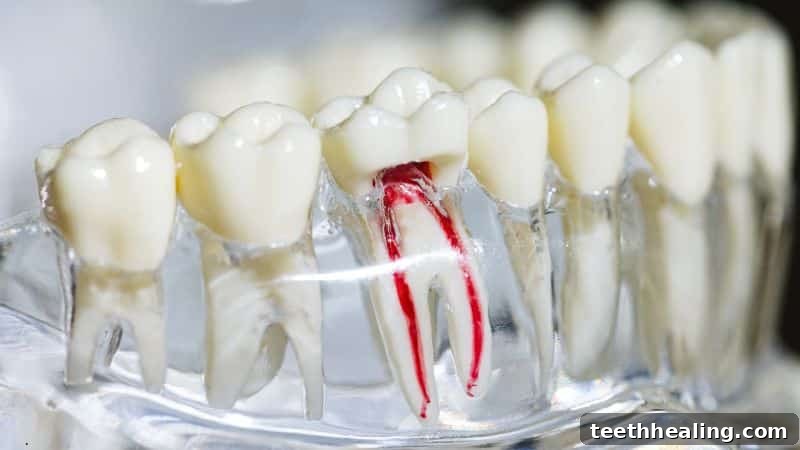
Toothaches are more than just a minor annoyance; they can be debilitating and often signal a significant underlying issue within the tooth. One of the most common causes of persistent dental pain is an infection or inflammation of the tooth’s innermost core, known as the pulp. This delicate tissue houses nerves, blood vessels, and connective tissue, which can become severely compromised by deep decay, cracks, or trauma. When the pulp is infected, it can lead to excruciating pain, swelling, and even the spread of infection to other parts of the body if left untreated.
Fortunately, modern dentistry offers a highly effective solution: root canal treatment, also known as endodontic therapy. This remarkable procedure is designed to save a tooth that would otherwise need extraction. During a root canal, the infected or inflamed pulp is carefully removed, the inside of the tooth is meticulously cleaned and disinfected, and then it is filled and sealed to prevent future infection. The goal is to eliminate pain, stop the infection, and preserve your natural tooth structure and function. Given the investment in time and resources, a natural and critical question arises for patients: how long can a tooth with a root canal realistically be expected to last?
The answer, while overwhelmingly positive, isn’t a simple, uniform number. The longevity of a root canal-treated tooth is influenced by a complex interplay of several factors, ranging from the initial quality of the procedure to the patient’s ongoing oral care habits. Understanding these elements can help patients set realistic expectations and take proactive steps to maximize the lifespan of their treated tooth.
Key Factors Influencing Root Canal Lifespan
Several critical elements contribute to how long a tooth that has undergone root canal therapy will endure. Each plays a vital role in the success and long-term health of the treated tooth:
1. Quality of the Root Canal Procedure
The expertise and precision of the endodontic specialist or general dentist performing the root canal are paramount. A highly skilled practitioner will employ advanced techniques, such as magnification (microscopes), digital imaging (X-rays), and specialized instruments, to ensure:
- Thorough Cleaning: Complete removal of all infected pulp tissue and bacteria from the intricate network of root canals. Incomplete cleaning is a primary reason for root canal failure and can lead to recurring pain or infection.
- Proper Shaping: Creating a precise and smooth shape for the root canals allows for effective disinfection and ensures that the filling material can reach all areas, creating a hermetic seal.
- Effective Sealing: Using biocompatible materials (like gutta-percha) to completely fill and seal the root canals, preventing future bacterial infiltration and contamination from the oral cavity.
- Sterilization Protocols: Adherence to strict sterilization standards throughout the procedure is crucial to prevent contamination and ensure a sterile environment.
A well-executed root canal by an experienced professional lays the foundational groundwork for the tooth’s long-term survival and greatly contributes to the overall success rate of the endodontic treatment.
2. Restorative Work After Root Canal Treatment
Following a root canal, the treated tooth, particularly molars and premolars, can become more brittle and susceptible to fracture. This is primarily because the pulp, which provides nourishment and moisture to the dentin, is removed, and often a significant amount of tooth structure is lost during the initial decay removal and access cavity preparation. Therefore, the type and quality of the final restoration are crucial for protecting the weakened tooth structure and preventing future complications.
- Dental Fillings: For some front teeth (incisors and canines) with minimal structural loss and less chewing force, a composite filling may suffice. However, fillings offer less protection against comprehensive chewing forces compared to crowns.
- Dental Crowns: A dental crown, often referred to as a “cap,” encapsulates the entire visible portion of the tooth. It provides comprehensive protection from chewing forces, effectively restoring the tooth’s strength, function, and aesthetic appeal. Teeth, especially back molars and premolars, that receive a permanent dental crown after a root canal generally last significantly longer than those treated only with a filling. Crowns act as a shield, distributing forces evenly and preventing fractures.
Your dentist will carefully assess the remaining tooth structure, the biting forces on the tooth, and your specific needs to recommend the most appropriate and protective restorative solution. Delaying or opting out of the recommended permanent restoration can severely compromise the tooth’s longevity.
3. Maintaining Excellent Oral Hygiene
While the internal infection has been addressed, the root canal-treated tooth is still susceptible to new decay or gum disease, just like any other tooth in your mouth. Diligent daily oral hygiene practices are non-negotiable for the long-term success and health of the treated tooth and your entire mouth. This includes:
- Brushing Twice Daily: Using a fluoride toothpaste to effectively remove plaque and food particles from all tooth surfaces and along the gumline. An electric toothbrush can often provide a more thorough cleaning.
- Flossing Daily: To clean between teeth and along the gumline where your toothbrush cannot reach, preventing plaque buildup, gingivitis, and cavities from forming around the treated tooth or restoration.
- Using an Antimicrobial Mouthwash: As recommended by your dentist, a therapeutic mouthwash can further reduce oral bacteria and help maintain gum health.
Neglecting oral hygiene can lead to new cavities forming around the treated tooth or beneath the crown/filling, potentially compromising the integrity of the restoration and even leading to reinfection of the root canal system or surrounding bone.
4. Location of the Treated Tooth
The position of the tooth in your mouth plays a role in its longevity due to varying stress levels and functional demands:
- Front Teeth (Incisors and Canines): These teeth typically endure less direct and heavy chewing force. They are primarily used for biting and tearing. As such, root canal-treated front teeth may sometimes have a longer lifespan, especially if adequately restored and not subjected to excessive pressure.
- Back Teeth (Premolars and Molars): These teeth bear the heaviest chewing forces and are crucial for grinding food. They are inherently more prone to cracks and fractures. For these teeth, a protective crown is almost always essential for long-term success and durability after a root canal procedure.
5. Overall Oral and Systemic Health
The health of your entire oral cavity and even your general health can impact the longevity of a root canal. Conditions such as:
- Gum Disease (Periodontitis): Active and untreated gum disease around the treated tooth can compromise the supporting bone structure, eventually leading to tooth mobility or loss, regardless of the success of the root canal itself.
- Systemic Diseases: Chronic conditions like diabetes can affect the body’s ability to heal and fight infection, potentially impacting the success rate and longevity of dental treatments, including root canals. A compromised immune system can make the tooth more vulnerable to future infections.
- Bruxism (Teeth Grinding/Clenching): Chronic grinding or clenching places excessive, unnatural stress on teeth, including those with root canals. This can increase the risk of fracture, damage to restorations, or even loosen the tooth over time.
6. Patient Habits and Lifestyle
Certain habits can significantly reduce the lifespan of any tooth, including those treated with a root canal:
- Chewing Hard Foods: Biting down on non-food items like ice, hard candies, pen caps, or unpopped popcorn kernels can chip or fracture a tooth or its restoration.
- Using Teeth as Tools: Opening packages, bottles, or tearing things with your teeth should be avoided at all costs, as this puts immense and potentially damaging strain on the teeth.
- Trauma: Accidental blows to the mouth during sports or other activities can damage even healthy teeth, let alone those that have been previously treated and may be more fragile. Wearing a mouthguard during contact sports is highly recommended.
The Expected Lifespan Spectrum: How Long Can You Expect Your Root Canal to Last?
With all factors considered, extensive research and clinical studies consistently show that root canal therapy boasts a very high success rate. On average, teeth treated with a root canal can be expected to last anywhere from 10 to 15 years with proper care. However, it’s important to understand that this is an average, and many teeth can, and do, last much longer, even a lifetime.
Factors that can significantly enhance and extend this timeframe include:
- Immediate and Appropriate Restoration with a Crown: As mentioned earlier, crowning a root canal-treated tooth, especially a molar or premolar, drastically improves its prognosis. A well-fitted, high-quality crown can extend the lifespan to 20 years or even a lifetime for many patients, provided other factors like oral hygiene are meticulously maintained. The crown acts as a protective shield, absorbing chewing forces and preventing the tooth from fracturing.
- Exceptional and Consistent Oral Hygiene: Patients who are meticulous about brushing, flossing, and using interdental cleaners effectively prevent new decay and gum disease, which are critical for the longevity of both the treated tooth and adjacent teeth. Without proper cleaning, new cavities can form around the restoration, leading to complications.
- Regular Dental Checkups and Professional Cleanings: These routine visits are crucial for monitoring the health of your root canal-treated tooth. Your dentist can monitor the treated tooth, check the integrity of the restoration for any wear or leakage, detect any early signs of re-infection or new decay, and address potential issues before they become serious. Periodic X-rays can also reveal problems within the root or surrounding bone that aren’t visible to the naked eye.
- Addressing Parafunctional Habits: If you clench or grind your teeth (bruxism), wearing a custom-fitted nightguard (occlusal splint) can protect your root canal-treated tooth (and all your other teeth) from excessive, damaging forces that could lead to fractures or restoration failure.
The goal of a root canal is not just short-term pain relief but long-term preservation of your natural dentition. When executed properly and cared for diligently, it is a highly successful and durable solution that allows you to keep your natural tooth functioning effectively for many years.
For more detailed information on recovery and common questions after the procedure, you can read more here: Root Canal Recovery FAQ.
Strategies for Maximizing the Lifespan of Your Root Canal-Treated Tooth
To ensure your root canal treatment delivers the maximum possible longevity, it’s essential to adopt a proactive and consistent approach to your dental care. Here are comprehensive tips to help you extend the life of your treated tooth:
1. Prioritize and Maintain Impeccable Oral Hygiene
- Brush Regularly and Effectively: Brush your teeth twice a day for two minutes each time, using a soft-bristled toothbrush and fluoride toothpaste. Pay close attention to all surfaces of the treated tooth, the gumline, and around any existing restorations.
- Floss Daily: Floss at least once a day to remove plaque and food particles from between your teeth and under the gumline. This is critical for preventing decay and gum disease from developing around the treated tooth and its restoration.
- Consider Interdental Cleaners: For hard-to-reach areas or if you have wider spaces between teeth, interdental brushes or a water flosser can effectively supplement your routine, ensuring thorough cleaning.
2. Invest in the Right Restoration (Often a Crown)
- Discuss with Your Dentist: Following your root canal, have a thorough discussion with your dentist about the most suitable permanent restoration. For most back teeth (molars and premolars) and often even front teeth with significant tooth loss, a dental crown is highly recommended.
- Don’t Delay: It’s crucial not to delay placing the permanent restoration (especially a crown). A temporary filling, while functional for a short period, does not offer adequate long-term protection against fracture or re-infection.
- Understand Crown Materials: Modern crowns come in various materials (porcelain, ceramic, zirconia, metal alloys). Discuss the pros and cons of each with your dentist based on the tooth’s location, strength requirements, and your aesthetic preferences.
3. Be Mindful of Your Diet and Chewing Habits
- Avoid Hard and Sticky Foods: Minimize consumption of extremely hard foods (e.g., hard candies, ice, popcorn kernels, nuts) and sticky foods (e.g., caramels, taffy) that can put undue stress on the tooth or potentially dislodge restorations.
- Chew Carefully: For the first few days or weeks after the procedure, it’s advisable to chew on the opposite side of your mouth to allow the tooth and surrounding tissues to heal fully. Even after healing, be generally mindful when chewing very firm foods.
4. Schedule and Attend Regular Dental Checkups
- Routine Examinations: Visit your dentist at least twice a year (or as recommended by your dentist) for comprehensive checkups. These appointments are invaluable as they allow your dentist to:
- Examine the treated tooth and its restoration for any signs of wear, cracks, or leakage.
- Check for new decay developing around the crown or filling.
- Assess the health of your gums and surrounding bone structure supporting the tooth.
- Take periodic X-rays to monitor the bone around the root canal and detect any hidden infections or issues that may not be apparent visually.
- Professional Cleanings: Regular professional cleanings remove plaque and tartar buildup that you can’t tackle with brushing and flossing alone, significantly reducing the risk of gum disease and maintaining overall oral health.
5. Address Parafunctional Habits Like Bruxism
- Use a Nightguard: If you grind or clench your teeth, especially at night (a condition known as bruxism), discuss getting a custom-fitted nightguard (occlusal splint) with your dentist. This protective appliance shields your teeth from excessive forces that can cause fractures in root canal-treated teeth and damage to restorations.
6. Avoid Using Your Teeth as Tools
- Never use your teeth to open packages, bite fingernails, cut threads, or hold objects. This common habit significantly increases the risk of chipping, cracking, or fracturing any tooth, including those that have undergone root canal treatment and may be more susceptible to damage.
What Happens if a Root Canal Fails?
While root canal therapy boasts a high success rate, sometimes a treated tooth may not heal as expected, or new problems may arise months or even years later. Recognizing the signs of a failing root canal is crucial for prompt intervention. These signs can include:
- Persistent pain or sensitivity in the treated tooth, especially to biting pressure or hot/cold.
- Swelling or tenderness around the tooth or in the gums.
- Discoloration of the tooth.
- A “pimple” or lesion on the gum near the tooth, which may indicate an abscess or draining infection.
- Evidence of re-infection or persistent inflammation detected on X-rays during routine checkups.
If a root canal fails, several options may be available depending on the specific cause and severity:
- Root Canal Retreatment: This involves reopening the tooth, removing the previous filling material, thoroughly recleaning and reshaping the canals to address any missed canals or new infection, and then refilling and sealing them. It’s often successful in resolving persistent issues.
- Apicoectomy: A minor surgical procedure performed by an endodontist. During an apicoectomy, the gum tissue is opened, the very tip of the tooth’s root is removed, along with any infected tissue, and a small filling is placed to seal the end of the root.
- Extraction: In cases where retreatment or surgery is not feasible, too complex, or proves unsuccessful, extracting the tooth may be the only remaining option to eliminate the infection and pain. The missing tooth can then be replaced with a dental implant, dental bridge, or partial denture to restore function and aesthetics.
Early detection of issues through regular dental checkups is key to addressing potential problems effectively and maximizing the chances of saving the tooth through secondary procedures.
The Enduring Value of Root Canal Treatment
Root canals are not just a treatment for pain; they are a vital procedure for preserving your natural teeth and maintaining overall oral health and quality of life. The benefits extend far beyond immediate relief:
- Pain Elimination: The most immediate and often profound benefit is the alleviation of severe tooth pain caused by infection or inflammation, allowing patients to resume normal activities.
- Saving Your Natural Tooth: Root canals allow you to keep your own tooth, which is always preferable to extraction. Preserving a natural tooth maintains your natural bite, prevents adjacent teeth from shifting into the empty space, and avoids the need for prosthetic replacements like bridges or implants, which can be more costly and invasive.
- Preventing Spread of Infection: The procedure effectively eliminates bacteria and prevents the infection from spreading to other teeth, gums, jawbone, or even into the bloodstream, which can have serious systemic health implications, particularly for individuals with compromised immune systems.
- Maintaining Oral Function: A treated and properly restored tooth continues to function normally for chewing, biting, and speaking, allowing you to enjoy a full range of foods and maintain clear speech.
- Aesthetic Preservation: Keeping your natural tooth helps maintain the natural appearance of your smile and facial structure, preventing the sunken appearance that can result from tooth loss.
Conclusion: A Lifetime of Smiles with Proper Care
In summary, root canal therapy is a highly effective, safe, and long-lasting dental procedure designed to save a severely damaged or infected tooth. While the average lifespan of a root canal-treated tooth ranges from 10 to 15 years, it is entirely possible for a root canal-treated tooth, especially when protected by a durable dental crown and supported by diligent oral hygiene, to last 20 years, many decades, or even a lifetime. The ultimate success and longevity of your root canal ultimately depend on a combination of the initial quality of the treatment, the type of final restoration, your unwavering commitment to daily oral care, and regular, proactive visits to your dentist.
If you are experiencing tooth pain, sensitivity, swelling, or any other troubling dental symptoms, it is crucial not to ignore these signs. Early intervention is key to successful root canal treatment and the best possible long-term outcome. Don’t hesitate to consult your dentist promptly to determine if a root canal is the right option for you. Remember, investing in your oral health through proper care and consistent dental attention will ensure your root canal treatment serves you well for many years to come, preserving your smile, comfort, and overall well-being.