Achieve Stronger Teeth & Fewer Cavities: A Holistic Guide to Remineralization and Supplementation
Are you seeking natural ways to reduce dental cavities and avoid frequent fillings? The journey to a healthier, stronger smile begins with understanding the crucial link between your diet, essential nutrients, and targeted supplementation. This comprehensive guide will illuminate how you can empower your body to naturally remineralize and fortify your teeth.
In the vast landscape of online health information, claims about “healing dental cavities” and “reversing tooth decay” often circulate. Many blogs and videos suggest that dietary changes alone can fix significant tooth damage, even an existing hole or infection, implying you might never need to see a dentist again. While the allure of such solutions is strong, it’s vital to differentiate between truth and hopeful exaggeration.
Can You Truly Heal or Reverse Tooth Decay?
It’s important to approach the concept of healing tooth decay with clarity and accurate information. The claim that any cavity, regardless of its depth, can be reversed solely through diet is misleading and potentially harmful. Once tooth decay has penetrated the inner layer of your tooth, specifically the dentin, professional dental intervention becomes absolutely necessary. At this stage, only a dentist can effectively treat the decay and prevent further damage.
However, this doesn’t mean your efforts are futile. There’s a critical distinction to be made: if you have what dentists refer to as a “superficial cavity,” which is essentially demineralization of the outer enamel layer, this condition *can* indeed be reversed. Demineralization occurs when the protective outer layer of your enamel begins to dissolve due to acid exposure. Through improved oral hygiene practices and significant dietary changes, this demineralized enamel can be rehardened, a process known as remineralization.
To put it simply: superficial demineralization of the enamel is reversible with proper care. A larger, established cavity that has progressed into the inner dentin layer is not reversible and requires professional dental treatment. Ignoring such a cavity can lead to the decay spreading, damaging the sensitive nerve within the tooth, and potentially destroying the tooth beyond repair, necessitating more invasive procedures like root canals or even extraction. Therefore, understanding the stage of decay is paramount for effective treatment and prevention.
Remineralizing Teeth: Making Your Teeth Naturally Stronger
While established cavities need a dentist’s touch, proactively strengthening your tooth enamel through diet and targeted supplementation is a powerful strategy for preventing new decay and reversing early signs of demineralization. This proactive approach focuses on enhancing your body’s natural ability to repair and maintain oral health.
Indeed, inadequate nutrition is often at the root of many common dental and gum problems. Conversely, optimal nutrition is the cornerstone for reversing these issues and building resilience. Remineralization is a highly effective, natural biological process that your body constantly undertakes to keep your teeth healthy, strong, and resistant to decay. Just like any other complex system in your body, this crucial process requires a steady supply of the right nutrients to function efficiently and keep your enamel robust.
Our teeth, much like our bones and other tissues, are living structures that benefit immensely from nutritional support. Sometimes, our modern diets simply don’t provide all the necessary micronutrients in sufficient quantities. This is where specific supplements can offer a vital boost, naturally aiding the remineralization process and significantly contributing to stronger, more resilient tooth enamel.
6 Essential Supplements to Strengthen and Remineralize Teeth
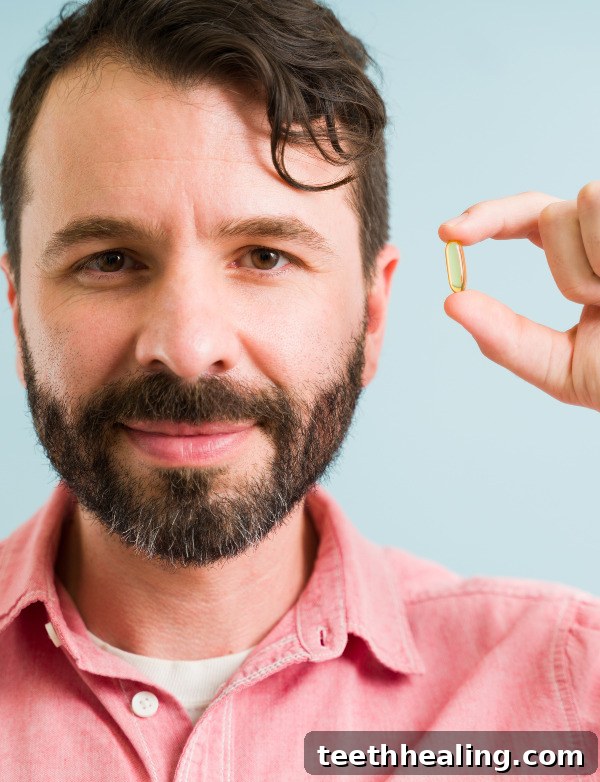
To optimize your body’s natural ability to remineralize and strengthen your teeth, consider incorporating these six essential supplements into your daily routine, always consulting with a healthcare professional before starting any new supplement regimen.
1. Calcium: The Foundation of Strong Teeth
Calcium is almost universally associated with healthy, strong bones, and for good reason—it is the primary mineral building block for both our skeletal system and our teeth. Its role in proper teeth remineralization is foundational. Without adequate calcium, the very structure of your enamel and dentin cannot be maintained or repaired effectively. However, simply consuming calcium isn’t enough; its absorption and utilization are complex processes.
Calcium is an “awkward” nutrient because its effectiveness hinges on proper absorption and its ability to be directed to the correct places in the body. If your body isn’t absorbing calcium efficiently, it can become largely useless, or worse, deposit in undesirable locations like arteries or soft tissues. This is where the synergy with other nutrients becomes critical. To ensure calcium is properly absorbed from your gut and then precisely directed to your bones and teeth, it must be supplemented alongside specific co-factors, primarily vitamins D3 and K2. This harmonious mineral combination is essential for maximizing calcium’s benefits for your dental health.
Recommendation: Aim for approximately 1000 milligrams of elemental calcium per day. Crucially, always take calcium in conjunction with sufficient doses of vitamins D3 and K2 to ensure optimal absorption and proper delivery to your teeth and bones, facilitating effective remineralization.
2. Vitamin D3: The Master Regulator of Mineral Balance
Vitamin D is far more than just a vitamin; it functions more like a pro-hormone, with receptors found on virtually every tissue and organ throughout your body, underscoring its profound importance for overall health. When it comes to the intricate process of teeth remineralization, vitamin D3 (the fat-soluble form) plays an indispensable role. It is absolutely essential for the proper absorption of calcium from the gut into the bloodstream and for maintaining a delicate balance of minerals throughout the body.
These two processes—calcium absorption and mineral homeostasis—are critical for the formation, maintenance, and repair of your bones and teeth. Sufficient vitamin D3 ensures that your teeth can continuously rebuild and maintain their robust structure, potentially lasting your entire lifetime with proper care. Unfortunately, vitamin D deficiency is remarkably common, affecting about half the global population, leading to widespread sub-optimal levels. This deficiency often necessitates supplementation with D3 to ensure adequate intake.
Common reasons for low vitamin D levels include:
- **Insufficient Sun Exposure:** Modern lifestyles often involve spending most of our time indoors, significantly reducing our natural exposure to sunlight, which is the primary source of vitamin D synthesis in the skin. The overuse of sunscreen also inhibits this process.
- **High Phytic Acid Intake:** Certain foods contain phytic acid, which can bind to minerals and interfere with vitamin D metabolism and absorption. Foods high in phytic acid include:
- Almonds
- Beans
- Hazelnuts
- Lentils
- Grains (especially whole grains)
- Soybeans
- Sesame seeds
Recommendation: Vitamin D3 is generally recommended over D2 due to its superior bioavailability and efficacy in the human body. A daily intake of 1000 IU (International Units) or more is commonly suggested, though optimal dosage can vary based on individual needs and blood levels, making regular testing advisable.
3. Vitamin K2: The Calcium Director
For calcium to effectively benefit your teeth and bones, it needs more than just absorption; it needs precise direction. This is where vitamin K2 steps in, forming a crucial partnership with vitamin D3. While vitamin D3 enhances calcium absorption, vitamin K2 acts as the indispensable “traffic cop,” directing calcium to where it’s needed (bones and teeth) and away from where it can cause harm (arteries and soft tissues). Their synergistic action ensures calcium is utilized optimally for dental health.
Specifically, vitamin K2 is vital for activating osteocalcin, a protein produced by bone-forming cells (osteoblasts). Osteocalcin plays a key role in integrating calcium into the dentin matrix—the supportive tissue beneath your enamel—which is crucial for the repair and growth of your teeth. Furthermore, K2 works in conjunction with Matrix-GLA protein (MGP) to prevent calcium accumulation in soft tissues and instead guide it towards the tooth structure, thereby actively assisting in the remineralization process. Dietary sources of K2 include fermented foods like natto, certain cheeses, and grass-fed animal products.
Recommendation: To complement your vitamin D3 and calcium intake, supplementing with approximately 90 micrograms of vitamin K2 per day is often recommended to ensure calcium is properly distributed for optimal dental and bone health.
4. Magnesium: The Essential Mineral Cofactor
Often overlooked, magnesium is a powerhouse mineral absolutely essential for robust teeth remineralization and overall dental health. It plays a critical role in the structural development of teeth, contributing to the hardness and resilience of enamel. Beyond its direct structural contribution, magnesium significantly influences how effectively your body absorbs, metabolizes, and utilizes calcium. Without adequate magnesium, calcium cannot be properly integrated into the tooth structure, hindering the remineralization process.
Maintaining a healthy balance between various minerals is key. High levels of calcium, vitamin D, or phosphorus in the body can inadvertently deplete magnesium stores. This imbalance can severely impede the tooth remineralization process, highlighting the importance of supplementing these nutrients in carefully considered, balanced quantities. Like vitamin D, magnesium deficiency is remarkably common, with an estimated half of the population not receiving enough from their diet. This widespread deficiency suggests that many individuals could greatly benefit from increasing their intake of this vital mineral for better dental and overall health.
Recommendation: A daily intake of 300 to 400 milligrams of magnesium is generally recommended. It is crucial to take magnesium alongside appropriate amounts of calcium, vitamin D3, and vitamin K2 to ensure a synergistic effect and maintain optimal mineral balance for maximum dental benefits.
5. Collagen: The Organic Matrix for Tooth Structure
Throughout your life, your teeth are subjected to constant wear and tear. Fortunately, your body is equipped with natural repair mechanisms, including teeth remineralization, which continuously rebuild and strengthen your dental structures. Your teeth are complex entities, composed of several distinct parts—enamel, dentin, cementum, and the alveolar bone supporting them—each comprising both inorganic (mineral) and organic components.
Collagen is a major, often underestimated, constituent of the organic framework of your teeth. In fact, Type I collagen constitutes an impressive 90 percent of the organic components found in your dentin, cementum, and the surrounding bone. This protein provides the essential flexible matrix upon which minerals like calcium and phosphate are deposited. Furthermore, Type XVII collagen is indispensable for proper enamel formation; a deficiency can lead to significant tooth malformations and compromised enamel integrity. While enamel is largely inorganic, its formation is critically dependent on a healthy collagen matrix.
Historically, human diets included abundant sources of collagen from animal connective tissues and organ meats. However, modern dietary habits often lack these traditional foods, making collagen supplementation a highly beneficial strategy. An added advantage of collagen supplementation is its profound positive impact on gut health. The high glutamine content in collagen helps repair and seal a “leaky gut,” which in turn significantly improves overall nutrient absorption—a virtuous cycle that further supports dental remineralization and overall health.
Recommendation: While various collagen sources exist, grass-fed bovine collagen is often considered superior due to its rich content of Type I collagen, which is most relevant to dental and bone health. Look for hydrolyzed collagen peptides for optimal absorption.
6. Oral Probiotics: Cultivating a Healthy Oral Microbiome
While most people are familiar with the gut microbiome, fewer recognize the equally vital oral microbiome—the complex community of microorganisms residing in the mouth, with saliva being a major component. The balance of this oral ecosystem profoundly impacts dental health. Research indicates that individuals with higher inorganic components (like calcium phosphate) in their saliva and a more acidic oral pH are at an elevated risk for developing both gum disease and tooth decay.
Oral probiotics work by introducing beneficial bacteria that can help balance the oral microbiome. These beneficial strains increase the organic compounds in the mouth and saliva, effectively counteracting the detrimental effects of excessive inorganic compounds and an acidic environment. Studies have demonstrated that targeted oral probiotic supplementation can lead to a range of benefits, including improving bad breath, reducing symptoms of gingivitis (an early form of gum disease), decreasing inflammation, and even potentially preventing certain oral cancers.
Crucially, oral probiotics actively combat harmful bacteria that are responsible for initiating tooth decay. By outcompeting and inhibiting the growth of these pathogenic strains, probiotics create an environment more conducive to teeth remineralization and less prone to acid attacks, thereby protecting enamel and promoting stronger teeth.
Recommendation: When choosing an oral probiotic, prioritize products from reputable manufacturers. Look for supplements that contain a high volume of Colony-Forming Units (CFUs) and specifically include beneficial strains known to support oral health, such as *Streptococcus salivarius* K12 and M18. Chewable forms are often best for ensuring direct contact with the oral cavity.
Want Fewer Cavities? Focus on Diet and Supplements for Stronger Teeth
Preventing cavities is, without a doubt, the most effective approach to lifelong dental health. By adopting a comprehensive strategy that combines mindful dietary choices with targeted supplementation, you can significantly enhance your body’s natural ability to maintain and repair your teeth. This involves a two-pronged approach:
- **Reducing Demineralization:** Minimize your intake of foods that actively promote demineralization. This includes refined sugars, processed grains, and foods high in phytic acid, all of which can contribute to an acidic oral environment and strip essential minerals from your enamel.
- **Increasing Remineralization:** Emphasize nutrient-dense foods that actively promote remineralization. Incorporate healthy fats (such as those from avocados, nuts, and grass-fed dairy), abundant dark, leafy greens (packed with vitamins and minerals), and other whole, unprocessed foods.
When combined with the six supplements discussed above, this holistic approach empowers your body to remineralize and strengthen teeth from within. It creates an internal environment that is naturally more resistant to decay and capable of repairing early enamel demineralization.
However, it is critically important to recognize the limits of self-treatment. If you observe a noticeable cavity, experience persistent tooth pain, or suspect that a cavity has progressed deep enough to potentially affect the tooth’s root, professional dental intervention is non-negotiable. In such cases, I strongly recommend that you consult a qualified dentist immediately to have the tooth treated with a filling or other appropriate restorative procedure. Early professional intervention can prevent much more serious and costly problems down the line.
For preventive care and to adopt a more holistic, proactive approach to your dental health, integrating these six powerful supplements into your daily regimen can be transformative. This strategy can help you prevent the formation of new cavities and even reverse superficial, early-stage demineralization, leading to a healthier, stronger, and more resilient smile for years to come.
Holistic Dentist Brisbane: Your Partner in Comprehensive Oral Health
Dr. Rachel Hall is a highly experienced holistic dentist, proudly serving the Kenmore Brisbane community with over 30 years of dedicated experience. At her clinic, Evolve Dental Healing, she champions a comprehensive approach to patient dental health and overall well-being. Dr. Hall and her team are committed to providing exceptional care that integrates the best of modern dentistry with a deep understanding of systemic health.
Evolve Dental Healing offers a full spectrum of dental services, including safe amalgam removal protocols, general dentistry procedures, advanced cosmetic treatments, and effective orthodontic solutions. Dr. Hall’s philosophy is centred on supporting you to achieve and maintain a healthy smile that contributes to a healthy life, recognizing the interconnectedness of oral and systemic health.
For a truly holistic approach to your oral health, where your well-being is prioritized alongside your dental needs, we invite you to contact us today. Let us partner with you on your journey to optimal dental health. Call us on 07 3720 1811 to schedule your consultation.