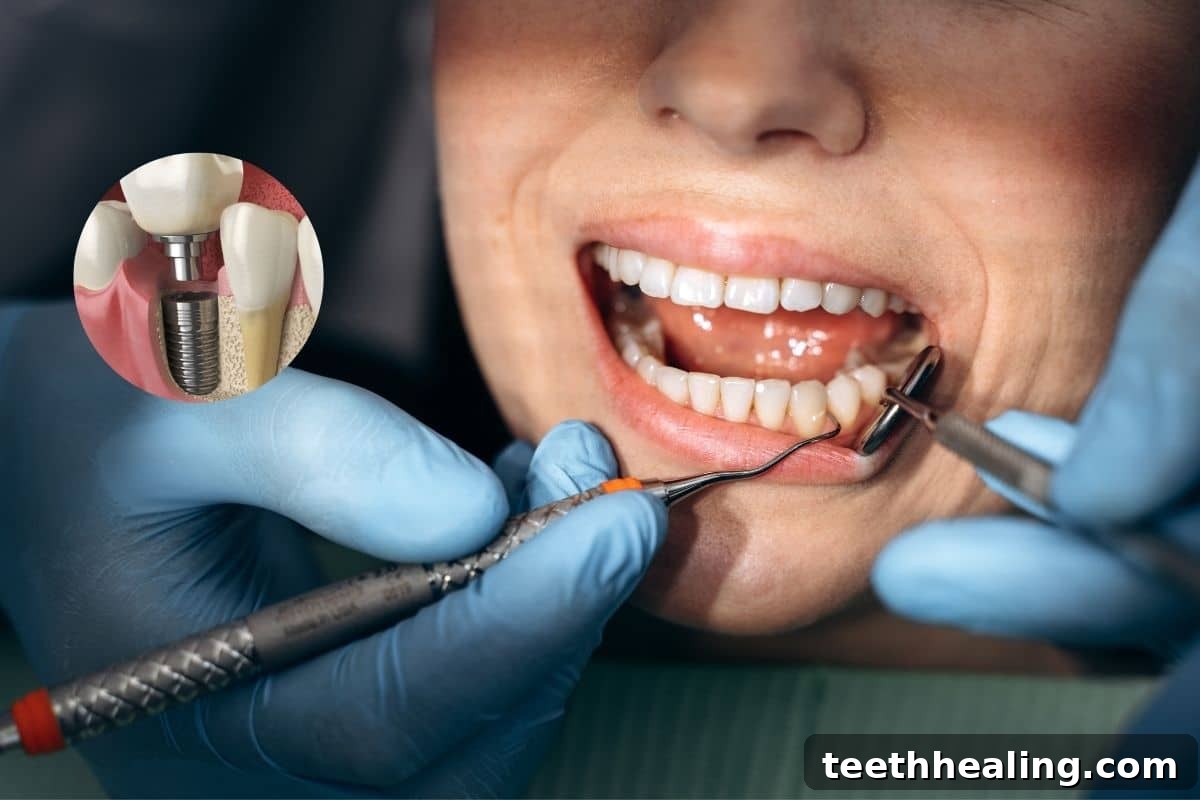
Missing teeth affect more than the look of your smile. They can make chewing less efficient, alter speech, and, over time, compromise the health of neighboring teeth and the jawbone. If you are considering dental implants in Palm Desert, it’s important to know that successful implant treatment depends on a healthy foundation. Sound gums and adequate bone support are essential for long-term implant stability and predictable healing.
At Palm Desert Dentist: Cosmetic, Restorative, & Implant Dentistry, every implant case starts with a thorough evaluation of your oral health. Before recommending implant placement, Dr. McLachlan Jr. examines the teeth, gums, and supporting bone to identify any periodontal conditions that could affect the outcome.
For some patients, scaling and root planing—commonly called deep cleaning—is recommended before implant surgery. This periodontal therapy removes harmful bacteria below the gumline, reduces inflammation, and creates better conditions for healing. Knowing why this step might be necessary helps you feel prepared and confident as you restore your smile.
The Importance of Periodontal Health Before Dental Implant Placement
Dental implants act like natural tooth roots, but their long-term success relies on the health of surrounding gums and the supporting bone. Even the most advanced implant is unlikely to function predictably if periodontal disease is left untreated.
When plaque and bacteria build up under the gumline, they cause inflammation that damages the tissues supporting teeth. As periodontal disease advances, bone loss can occur, reducing the stability necessary for implant placement.
Before creating a treatment plan, your dentist performs a detailed periodontal evaluation to detect signs of gum disease and determine whether additional care is needed.
During the exam, your dental team may assess:
- Bleeding during periodontal probing
- Swollen or inflamed gum tissue
- Periodontal pocket depths
- Plaque and calculus (tartar) buildup
- Gum recession
- Signs of bone loss on diagnostic imaging
- Overall periodontal stability
Addressing these issues before implant placement promotes healthier healing and supports long-term implant function and oral health.
Understanding Scaling and Root Planing
Scaling and root planing is a non-surgical periodontal treatment that removes bacteria and hardened deposits from below the gumline. It differs from a routine cleaning and is often recommended for patients with gingivitis or periodontal disease.
The main goals are to reduce bacterial infection, control inflammation, and encourage healthier gum tissue before restorative procedures such as dental implants.
Scaling and root planing has two key steps:
Scaling: Removing Bacterial Deposits Below the Gumline
Scaling eliminates plaque, tartar, and biofilm from tooth surfaces and beneath the gumline. Removing these deposits lowers infection levels and helps reduce inflammation of the supporting tissues.
Root Planing: Creating a Healthier Environment for Healing
Root planing smooths the exposed root surfaces after deposits are removed. Smoother roots discourage new bacterial buildup and help gums reattach more securely to teeth during healing.
Together, these procedures restore healthier periodontal tissues and prepare the mouth for future restorative work.
Who May Benefit from Periodontal Therapy Before Dental Implants?
Not every patient needs scaling and root planing before implant placement. The decision depends on the condition of your gums and supporting structures at the evaluation.
Patients with healthy periodontal tissues can often proceed directly to implant planning. But if active disease or inflammation is present, treating it first is usually recommended.
You may benefit from deep cleaning if you experience:
- Bleeding while brushing or flossing
- Persistent bad breath
- Moderate to advanced periodontal disease
- Significant plaque and tartar buildup below the gumline
- Deep periodontal pockets
- Gum recession
- Loose teeth due to periodontal disease
Treatment recommendations are individualized based on a comprehensive periodontal exam rather than a one-size-fits-all approach.
How Periodontal Therapy Supports Long-Term Implant Success
Dental implants are anchored in the jawbone, but healthy gum tissue around the implant is equally important. Reducing inflammation and bacterial levels before surgery sets the stage for successful healing.
Reduced Periodontal Inflammation
Inflamed gums are tender, swollen, and more prone to infection. Scaling and root planing reduce inflammation before implant surgery, allowing tissues to begin healing.
Improved Control of Periodontal Bacteria
Removing subgingival bacterial deposits lowers the number of harmful microorganisms that cause periodontal disease. A cleaner oral environment supports healthier tissues during implant healing.
More Accurate Periodontal Evaluation
Inflammation can mask the true state of your gums. After therapy and healing, your dentist can reassess periodontal health more accurately and decide if further treatment is needed before implant surgery.
Healthier Support for Long-Term Implant Stability
Healthy gums create a protective seal around implants, shielding underlying bone from bacterial invasion. Maintaining periodontal health contributes to implant stability and long-term function.
Recovery and Periodontal Re-Evaluation Before Implant Placement
Healing begins shortly after scaling and root planing, though recovery times vary. Mild tenderness or temporary sensitivity is common for a few days, and these symptoms typically improve as inflammation decreases.
Over the following weeks, gums recover and healthier tissue forms around the teeth. During follow-up visits, your dental team will evaluate:
- Improvement in gum tissue health
- Reduction in bleeding on probing
- Changes in periodontal pocket depths
- Oral hygiene and plaque control
- Overall periodontal stability
- Readiness to proceed with implant treatment
These follow-ups confirm that your gums have responded well to treatment before moving forward with implant placement. Dr. McLachlan Jr. carefully monitors healing to ensure the tissues are ready for the next stage.
The Impact of Untreated Periodontal Disease on Implant Outcomes
Periodontal disease is a leading cause of tooth loss in adults and can jeopardize the success of restorative treatments. Ongoing bacterial infection below the gumline continues to damage soft tissues and bone, which can undermine the stability required for dental implants.
Treating periodontal disease prior to implant surgery helps control infection and inflammation, establishing healthier conditions for predictable healing and long-term implant function. For many patients, scaling and root planing is not an extra step but a vital part of protecting the structures that support dental implants.
Preparing Your Oral Health for Dental Implant Surgery
Whether or not deep cleaning is necessary, maintaining good oral habits before implant treatment improves outcomes. Proper preparation reduces complication risks, supports healing, and preserves the health of gums and bone.
Ways to prepare for implant treatment include:
- Brush twice daily with a soft-bristled toothbrush
- Floss daily to remove plaque between teeth and along the gumline
- Attend recommended periodontal maintenance and hygiene visits
- Eat a balanced diet that supports gum and bone health
- Stay well hydrated
- Avoid smoking and tobacco products, which impair healing and increase complication risks
- Follow all pre- and post-operative instructions from your dental team
These habits prepare your mouth for treatment and support the long-term health of your teeth, gums, and future implants.
Begin Your Implant Journey with Healthy Gums
Successful dental implant treatment starts with healthy periodontal tissues. While not every patient requires scaling and root planing, treating gum disease before implant placement reduces inflammation, improves healing, and provides stronger support for implants.
If you are considering dental implants in Palm Desert, the first step is a comprehensive periodontal evaluation to determine whether your gums and supporting bone are ready. At Palm Desert Dentist: Cosmetic, Restorative, & Implant Dentistry, Dr. McLachlan Jr. develops individualized treatment plans to ensure each stage of care is completed at the right time.
Schedule a consultation to learn whether your oral health is ready for dental implants and begin rebuilding a healthier, stronger, and more functional smile with confidence.
Frequently Asked Questions
1. How do I know if I need deep cleaning before dental implant treatment?
A full periodontal exam measures pocket depths, checks for inflammation and infection, and evaluates gum and bone health. If periodontal disease is present, scaling and root planing may be advised before implant placement to create a healthier environment for healing.
2. Can I receive dental implants if I have gum disease?
Active periodontal disease is usually treated before implant surgery. Controlling infection first protects the supporting bone and gum tissue and improves the chances of successful healing and long-term stability.
3. How long does it take for gums to heal after scaling and root planing?
Many patients notice reduced tenderness and inflammation within days, but complete periodontal healing may take several weeks depending on disease severity. Your dentist will evaluate progress before scheduling implant treatment.
4. How is scaling and root planing different from a routine cleaning?
Routine cleanings remove plaque and tartar above the gumline. Scaling and root planing targets deposits below the gumline and smooths root surfaces to encourage healing and help manage periodontal disease.
5. What are the risks of placing implants before treating gum disease?
Untreated periodontal disease can continue to damage gums and bone, increasing the risk of delayed healing and complications after implant placement. Treating the disease first helps establish a more stable foundation for implant success.
6. How can I maintain healthy gums after implant treatment?
Consistent oral hygiene is essential. Brush twice daily, floss daily, attend regular dental and periodontal maintenance visits, avoid tobacco, and follow your dentist’s recommendations to protect both natural teeth and implants over the long term.