Porcelain crowns are a cornerstone of modern restorative and cosmetic dentistry, offering an unparalleled blend of strength, durability, and aesthetic excellence. For many individuals seeking to restore a damaged tooth or enhance their smile, porcelain crowns represent an ideal solution, seamlessly blending with natural teeth. Yet, a common concern often arises: can these beautiful restorations, known for their pristine appearance, eventually succumb to staining? The answer, while generally positive, carries important nuances that every crown recipient should understand.
Understanding Porcelain Crowns: A Foundation for Brilliance
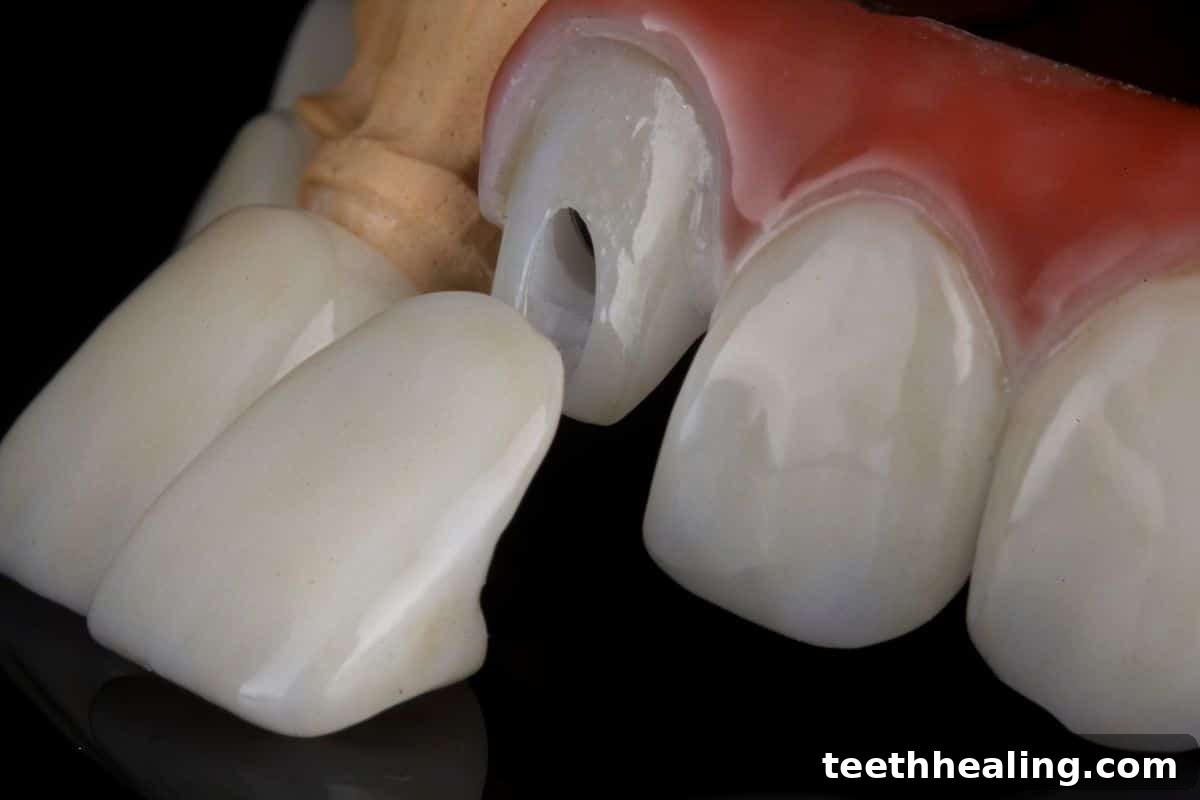
Before delving into the specifics of staining, it’s essential to understand what porcelain crowns are and why they are so highly regarded. A dental crown is a tooth-shaped cap placed over a damaged tooth to restore its shape, size, strength, and appearance. Porcelain crowns, specifically, are crafted from a ceramic material designed to mimic the translucency and color of natural tooth enamel.
Unlike crowns made from metal or porcelain-fused-to-metal (PFM), all-porcelain crowns offer a superior aesthetic. They are often chosen for visible teeth due to their lifelike qualities, making them virtually indistinguishable from surrounding natural teeth. They play a crucial role in:
- Restoring a tooth that has been severely worn down, fractured, or broken.
- Protecting a weak tooth from further damage or holding together parts of a cracked tooth.
- Covering and supporting a tooth with a large filling when there isn’t much tooth structure left.
- Holding a dental bridge in place.
- Covering severely discolored or misshapen teeth.
- Covering a dental implant.
Their popularity stems from their ability to not only restore function but also to significantly improve the overall beauty of a patient’s smile, contributing to enhanced self-confidence.
The Science of Stain Resistance: Why Porcelain Shines
The inherent stain resistance of porcelain is one of its most remarkable qualities, setting it apart from natural tooth enamel and many other dental materials. This resistance isn’t by accident; it’s a direct result of the material’s unique physical properties:
Non-Porous Structure: At a microscopic level, porcelain is incredibly dense and non-porous. Unlike natural tooth enamel, which contains millions of microscopic tubules and irregularities, porcelain presents an exceptionally smooth, tightly packed surface. This polished surface leaves no room for pigments from food, drinks, or other external sources to penetrate and become trapped within the material. Imagine a highly polished glass surface – it repels liquid and stains far more effectively than a rough, porous stone.
Protective Glaze: Most modern porcelain crowns receive a final, high-gloss glaze during their fabrication process. This glaze acts as an additional protective barrier, sealing the porcelain surface and enhancing its natural stain-repelling properties. It’s akin to the clear coat on a car, providing an extra layer of protection and shine.
This combination of non-porous material and protective glazing makes porcelain crowns highly resistant to the types of surface stains that readily accumulate on natural teeth, giving them a distinct advantage in maintaining a bright, consistent smile over time.
Understanding the Exceptions: When Porcelain Crowns Can Discolor
While porcelain’s inherent properties offer excellent stain resistance, it’s not entirely impervious. Certain factors can compromise a crown’s pristine appearance, leading to discoloration. It’s crucial to differentiate between actual staining of the porcelain material itself and other forms of discoloration that might occur around or on the crown.
1. Compromised Glaze Integrity
The protective glaze is paramount to a crown’s stain resistance. If this delicate layer is damaged, the underlying, slightly more porous porcelain can become exposed and thus more susceptible to staining. Damage to the glaze can occur due to:
- Abrasive Toothpaste: Using toothpastes with harsh abrasive agents, especially those marketed for “intense whitening,” can gradually wear away the glaze over time.
- Improper Brushing Techniques: Aggressive or excessively vigorous brushing with a hard-bristled toothbrush can scratch the glaze, creating microscopic imperfections where stains can cling.
- Acidic Foods and Drinks: While less common, highly acidic substances consumed frequently can, over many years, contribute to minute surface changes that affect the glaze’s integrity.
- Physical Trauma or Wear: Chipping, cracking, or even chronic teeth grinding (bruxism) can damage the glaze, leading to localized areas vulnerable to discoloration.
2. Margin Exposure and Receding Gums
The crown’s “margin” is the critical area where the crown meets the natural tooth structure, typically just below the gum line. Over time, gum tissue can recede due to various factors, including:
- Aggressive Brushing: Brushing too hard can push gums away from the teeth.
- Periodontal Disease: Gum disease causes inflammation and can lead to gum recession and bone loss.
- Aging: As we age, some degree of gum recession is natural.
When the gum line recedes, the crown margin becomes visible. This area is often cemented to the natural tooth structure, which is not as stain-resistant as the porcelain crown itself. The natural tooth material or the bonding cement can stain, creating a noticeable dark line at the gum line. In some older PFM (porcelain-fused-to-metal) crowns, a dark metal band may also become visible as gums recede, giving the impression that the crown itself is staining.
3. External Surface Stains from Pigmented Substances
While porcelain resists *absorption* of stains, it is not entirely immune to *surface accumulation*. Pigmented foods and drinks can still deposit a thin layer of residue on the crown’s surface, similar to how they might temporarily discolor a highly polished counter. Common culprits include:
- Coffee and Tea: Dark pigments known as chromogens are readily found in these beverages.
- Red Wine: Its deep color and acidity make it a significant staining agent.
- Dark Berries: Blueberries, blackberries, and other dark fruits.
- Highly Pigmented Sauces: Curry, soy sauce, and tomato-based sauces.
- Artificially Colored Beverages: Sodas and sports drinks with dark dyes.
These are typically superficial stains that do not penetrate the porcelain and can often be removed with professional cleaning. However, persistent and heavy exposure, especially if combined with minor glaze damage, can make these stains more tenacious.
4. Tobacco Use
Smoking and using other tobacco products (chewing tobacco, cigars) are among the most potent causes of dental staining for both natural teeth and dental restorations. The tar and nicotine in tobacco leave behind a thick, sticky, yellowish-brown residue that adheres strongly to tooth surfaces, including porcelain crowns. These stains are particularly stubborn and difficult to remove, often requiring specialized professional cleaning.
5. Poor Oral Hygiene
Even on the smooth surface of a porcelain crown, plaque and tartar can accumulate if oral hygiene is neglected. Plaque is a sticky film of bacteria that, if not removed, hardens into tartar. Both plaque and tartar are porous and can easily absorb pigments from food and drink, making the crown appear dull or discolored. While it’s the plaque/tartar that stains, the visual effect is that the crown itself looks stained.
Strategies for Preserving the Luster: Maintaining Your Porcelain Crowns
The good news is that with proper care and attention, your porcelain crowns can maintain their brilliant, natural appearance for many years. Proactive maintenance is key to preventing discoloration and ensuring the longevity of your investment.
1. Practice Exemplary Oral Hygiene
- Brush Twice Daily: Use a soft-bristled toothbrush and a non-abrasive fluoride toothpaste. Brush gently with circular motions, paying close attention to the gum line around your crowns to prevent plaque buildup and gum recession.
- Floss Daily: Flossing helps remove food particles and plaque from between teeth and around the crown margins, areas where stains and gum issues can easily develop. Use a gentle technique to avoid irritating the gums.
- Use an Antiseptic Mouthwash: Consider an alcohol-free antiseptic mouthwash to reduce bacteria and further protect against gum disease, which can contribute to margin exposure.
2. Be Mindful of Staining Foods and Drinks
- Moderation is Key: While you don’t necessarily have to eliminate all staining agents, consume them in moderation.
- Rinse Immediately: After consuming coffee, tea, red wine, or other highly pigmented foods/drinks, rinse your mouth thoroughly with water to wash away surface pigments before they have a chance to settle.
- Use a Straw: For beverages like sodas, iced coffee, or sports drinks, using a straw can help minimize contact with your front teeth and crowns.
- Delay Brushing: If you’ve consumed acidic foods or drinks, wait at least 30 minutes before brushing. Acidity can temporarily soften enamel and the crown’s glaze, making them more vulnerable to abrasion. Rinsing with water is sufficient immediately after.
3. Avoid Tobacco Products Entirely
This is perhaps the single most impactful lifestyle change you can make to protect not just your crowns, but your overall oral and systemic health. Eliminating smoking and other tobacco use will significantly reduce the risk of severe, difficult-to-remove staining on your crowns and natural teeth.
4. Protect Your Crowns from Damage
- Avoid Chewing Hard Objects: Refrain from biting down on ice, hard candies, or using your teeth to open packages, which can chip or crack the glaze and even the crown itself.
- Address Bruxism (Teeth Grinding): If you grind or clench your teeth, especially at night, discuss this with your dentist. A custom-fitted nightguard can protect your crowns and natural teeth from excessive wear and potential glaze damage.
5. Schedule Regular Professional Dental Cleanings
Routine dental check-ups and cleanings are indispensable for maintaining the brilliance of your porcelain crowns. During these visits:
- Professional Stain Removal: Dental hygienists use specialized instruments and polishing pastes that are safe for porcelain to gently remove any accumulated surface stains without damaging the glaze.
- Comprehensive Examination: Your dentist will thoroughly examine your crowns for any signs of glaze damage, chips, cracks, or issues with the margins. Early detection of these problems can prevent more significant discoloration or damage down the line.
- Gum Health Assessment: The health of your gums around your crowns is crucial. Your dentist will monitor for signs of gum recession or disease, which could expose the crown margin to staining.
Addressing Discoloration: What to Do If Your Crowns Stain
If despite your best efforts, you notice any discoloration on or around your porcelain crowns, it’s vital to act appropriately. Do not attempt to fix the problem at home with over-the-counter whitening products or abrasive cleaning methods.
Why DIY Whitening is Ineffective and Potentially Harmful
Commercial tooth whitening products, whether strips, gels, or specialized toothpastes, are designed to work on natural tooth enamel. They contain bleaching agents (typically hydrogen peroxide or carbamide peroxide) that penetrate the porous enamel to break down intrinsic stains. Porcelain, being non-porous and chemically inert to these agents, will not respond to whitening. Attempting to whiten your crowns with these products can:
- Damage the Glaze: Harsh chemicals or abrasive components in whitening products can etch or scratch the crown’s protective glaze, making it more prone to future staining.
- Create Uneven Color: Since only your natural teeth will whiten, your crowns will remain their original shade, resulting in an uneven and unnatural-looking smile.
- Irritate Gums: The chemicals can irritate the gum tissue around your crowns, potentially exacerbating gum recession.
Professional Assessment and Treatment Options
The first and most important step is to schedule an appointment with your dentist. They are uniquely qualified to diagnose the cause of the discoloration and recommend the most appropriate course of action.
- Professional Cleaning and Polishing: For most superficial surface stains caused by food, drinks, or tobacco, a thorough professional cleaning and polishing by your dentist or hygienist will effectively restore the crown’s original color. Specialized non-abrasive polishing pastes and instruments are used to safely remove external stains.
- Addressing Margin Discoloration: If the discoloration is due to exposed crown margins or gum recession, your dentist will evaluate the underlying cause. Treatment might involve addressing periodontal issues, or in some cases, the crown may need to be replaced if the aesthetic compromise is significant.
- Repair of Glaze Damage: If minor glaze damage is identified, it might be possible to gently polish and re-glaze or bond a new layer onto the existing crown, though this is not always a permanent solution.
- Crown Replacement: In certain situations, replacing the crown may be the most viable solution. This could be necessary if:
- The staining is deep, intrinsic, and cannot be removed by professional cleaning.
- The glaze is extensively damaged or compromised, leading to persistent staining.
- There’s significant discoloration at the margin that cannot be corrected otherwise.
- The crown itself is structurally compromised (e.g., fractured, chipped).
- There’s a significant aesthetic mismatch between the crown and natural teeth (e.g., after whitening natural teeth to a lighter shade than the existing crown).
Your dentist will discuss the options and the process for obtaining a new crown, ensuring it perfectly matches your smile and addresses the underlying issues.
Porcelain Crowns: A Bright Investment in Your Smile
Porcelain crowns are an exceptional dental restoration, offering unparalleled aesthetics, remarkable strength, and impressive stain resistance. They are a fantastic investment in both your oral health and your self-confidence, allowing you to enjoy a beautiful, functional smile for many years.
While porcelain crowns are designed to resist stains, understanding the factors that can lead to discoloration – such as damaged glaze, exposed margins, and certain lifestyle habits – empowers you to take proactive steps to protect your investment. By committing to excellent oral hygiene, making conscious dietary choices, avoiding tobacco, and scheduling regular professional dental check-ups, you can significantly prolong the pristine appearance of your crowns.
Should any concerns about staining or discoloration arise, remember that professional guidance is crucial. Consult your experienced dentist immediately. They can accurately diagnose the issue and provide personalized advice and effective treatment, ensuring your porcelain crowns continue to radiate brightness as a testament to your healthy, beautiful smile.