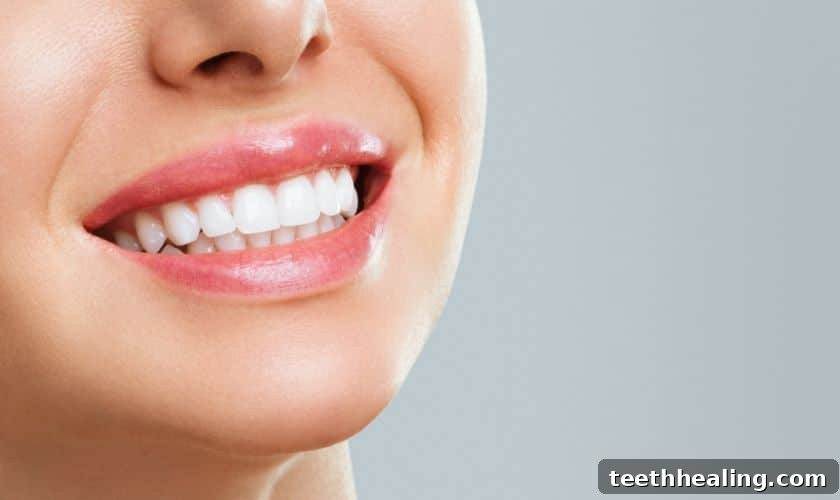
A radiant, dazzling smile is universally recognized as a hallmark of youth, vitality, and robust health. It’s often the first thing people notice, leaving a lasting impression of confidence and well-being. However, over time, the natural brilliance of our teeth can diminish. Daily habits, dietary choices, lifestyle factors like smoking, and the natural aging process all contribute to the gradual accumulation of stains and discoloration, dimming what was once a bright smile. Fortunately, advancements in modern dentistry offer a highly effective and accessible solution to restore that lost luminosity: professional teeth whitening. This comprehensive guide delves deep into the science and artistry of teeth whitening, exploring precisely how this transformative cosmetic procedure works to revitalize your smile, boost your self-confidence, and enhance your overall appearance.
Decoding Teeth Whitening: What Is It?
Teeth whitening, medically known as teeth bleaching, is a popular cosmetic dental procedure specifically designed to lighten the intrinsic color of your teeth and effectively remove stubborn stains and surface discoloration. Far from a mere superficial treatment, it targets the underlying causes of yellowing and dullness, revealing a brighter, more youthful smile beneath. As one of the most sought-after and non-invasive cosmetic treatments available today, teeth whitening offers a straightforward yet profoundly impactful way to significantly enhance your aesthetic appeal without requiring any alteration to your natural tooth structure. It’s a safe, comfortable, and remarkably effective pathway to achieving the dazzling smile you’ve always desired.
The Illuminating Science Behind a Whiter Smile
The remarkable effectiveness of teeth whitening lies in its sophisticated chemical process, which targets and breaks down the chromogens—the colored molecules—that cause stains to accumulate on and within your teeth. This intricate process involves the strategic use of a powerful yet safe whitening agent, primarily either hydrogen peroxide or its more stable counterpart, carbamide peroxide. Understanding this scientific mechanism reveals why professional whitening is so effective:
- Penetration and Molecular Access: The whitening agent, typically in a gel form, is carefully applied to the tooth surface. Its unique chemical structure allows it to safely penetrate the microscopic pores of the enamel, the outermost protective layer of the tooth, and continue its journey into the dentin, the softer, yellowish tissue beneath. It is within these layers that the discolored molecules, responsible for the staining, reside.
- The Oxidation Process: Once the active whitening agent reaches these discolored molecules, a crucial chemical reaction known as oxidation commences. Hydrogen peroxide directly releases oxygen molecules, while carbamide peroxide first breaks down into hydrogen peroxide and urea, subsequently releasing oxygen. These oxygen molecules aggressively react with the double carbon bonds of the chromogens, breaking them apart into smaller, simpler, and colorless molecules.
- Lightening and Brightening Effect: As the complex, light-absorbing stain molecules are fractured and diffused, their concentration within the tooth structure dramatically decreases. This reduction in the density of colored molecules causes the teeth to reflect more light, making them appear significantly whiter and brighter. The whitening process is progressive, continuing until the desired shade of whiteness is achieved, transforming a dull, stained smile into a vibrant, luminous one.
Exploring Types of Professional Teeth Whitening
While numerous products claim to whiten teeth, professional guidance ensures safety, efficacy, and optimal results. There are three primary avenues for teeth whitening, each offering distinct advantages:
1. In-Office Professional Teeth Whitening
This method offers the most rapid and dramatic results, typically achieved in a single visit lasting about an hour to an hour and a half. A highly concentrated whitening gel is meticulously applied to the teeth by a dental professional. To enhance and accelerate the chemical reaction, a specialized light, such as a LED light or laser, may be used. This light helps activate the whitening agent, allowing it to penetrate deeper and break down stains more effectively. Before application, the gums and soft tissues are carefully protected to prevent irritation. In-office whitening is ideal for individuals seeking immediate, significant shade improvements under expert supervision.
2. Dentist-Prescribed At-Home Whitening Kits
For those who prefer a more gradual approach or want to maintain results, custom-fitted at-home whitening kits are an excellent option. Your dentist will take impressions of your teeth to create personalized, clear whitening trays that fit snugly and comfortably. These custom trays ensure optimal contact between the professional-grade whitening gel and your teeth, while minimizing contact with gum tissue. You’ll receive a professional whitening gel with a lower concentration than in-office treatments, along with precise instructions on how to apply it and for how long to wear the trays each day (typically for a few weeks). This method provides noticeable improvements over time, with the convenience of whitening in your own home, all while under the careful guidance and monitoring of your dentist.
3. Over-the-Counter (OTC) Whitening Products: A Word of Caution
A vast array of non-professional whitening products, such as strips, rinses, and toothpastes, are available without a prescription. While these products may offer slight surface stain removal, they contain significantly lower concentrations of active ingredients and typically do not penetrate deeply enough to address intrinsic stains effectively. Furthermore, their generic, one-size-fits-all application methods often lead to uneven results, gum irritation due to ill-fitting trays or strips, and a risk of increased tooth sensitivity without proper dental oversight. For genuinely significant, safe, and lasting results, professional teeth whitening remains the gold standard.
Understanding the Roots of Discoloration
To fully appreciate the power of teeth whitening, it’s helpful to understand what causes teeth to lose their natural luster:
- Extrinsic Stains: These are surface stains that accumulate on the enamel, often caused by pigmented foods and beverages. Common culprits include coffee, tea, red wine, cola, dark berries (like blueberries and blackberries), and certain sauces. Smoking and tobacco use are also major contributors to stubborn yellow and brown extrinsic stains.
- Intrinsic Stains: These stains originate within the tooth structure (dentin) and are generally more challenging to remove. Causes include:
- Aging: As we age, enamel naturally thins, revealing more of the yellowish dentin underneath.
- Trauma: Injury to a tooth can cause the dentin to darken.
- Medications: Certain antibiotics, like tetracycline, taken during tooth development, can cause severe intrinsic staining. Some antihistamines and blood pressure medications can also contribute.
- Excessive Fluoride (Fluorosis): Overexposure to fluoride during tooth formation can lead to white or brown spots.
- Genetics: Some individuals naturally have teeth with a slightly yellower or grayer hue.
The Transformative Benefits of Professional Teeth Whitening
Beyond simply brightening your smile, professional teeth whitening offers a cascade of advantages that profoundly impact various aspects of your life:
- Significantly Enhanced Aesthetics: The most obvious and immediate benefit is a noticeably brighter, whiter, and more attractive smile. Whiter teeth can dramatically improve your overall facial appearance, often taking years off your perceived age and projecting an image of vitality and youth.
- Non-Invasive and Painless Procedure: Unlike many other cosmetic dental procedures, teeth whitening is entirely non-invasive. It involves no drilling, no injections, and no alteration of your natural tooth structure. This makes it an incredibly safe, comfortable, and painless way to achieve a dramatically more radiant smile.
- Rapid and Noticeable Results: Especially with in-office whitening, dramatic improvements in tooth shade can be achieved in as little as one session, typically lasting around an hour. Even at-home options prescribed by your dentist can produce significant and pleasing results within a few weeks, making it a highly efficient cosmetic solution.
- Profound Boost in Self-Esteem and Confidence: A bright, confident smile is a powerful asset. Teeth whitening can significantly elevate your self-esteem, making you feel more self-assured and comfortable in social interactions, professional settings, and personal relationships. This newfound confidence can open doors and enhance your quality of life.
- Motivates Improved Oral Hygiene: Many individuals who invest in teeth whitening become more proactive and diligent about maintaining their oral health. The desire to preserve their newly brightened smile often encourages better brushing, flossing, and regular dental check-ups, contributing to long-term dental well-being.
- A Youthful Radiance: As we age, teeth naturally darken. Restoring their whiteness can create a more youthful appearance, making your entire face look fresher and more vibrant.
- A Safe and Predictable Outcome: When administered by a dental professional, teeth whitening is extremely safe and delivers predictable, satisfactory results tailored to your specific needs and expectations.
5. Prevention of Further Damage: The original point “Prevention of Further Damage” is a bit misleading for teeth whitening as it’s not a preventative treatment in the same way regular cleanings are. I’ve rephrased it into “Motivates Improved Oral Hygiene” which is a more accurate benefit stemming from having whiter teeth.
Addressing Common Concerns and Misconceptions
While teeth whitening is safe and effective, it’s natural to have questions. Here are common concerns addressed:
- Tooth Sensitivity: A temporary increase in tooth sensitivity to hot and cold temperatures is the most common side effect. This occurs because the whitening agent temporarily dehydrates the teeth and can affect the nerves through microscopic pores. It typically subsides within 24-48 hours after treatment. Dentists often recommend desensitizing toothpaste or special gels to minimize this.
- Gum Irritation: If the whitening gel comes into contact with the gum tissue, it can cause temporary irritation or blanching (whitening) of the gums. Professional application minimizes this risk through careful isolation and custom trays.
- Effectiveness on Restorations: It’s crucial to understand that teeth whitening only works on natural tooth structure. Dental restorations such as crowns, veneers, fillings, and bonding will not change color. If you have these, they may need to be replaced after whitening to match your new tooth shade.
- Longevity of Results: The duration of whitening results varies based on individual habits. Typically, results last from six months to two years. Factors like consuming staining foods/drinks and smoking can shorten this period, while good oral hygiene and touch-up treatments can extend it.
- Is it Damaging to Enamel?: When performed under professional supervision and according to instructions, teeth whitening is not damaging to tooth enamel. The active ingredients safely break down stain molecules without altering the structural integrity of your teeth.
The Unrivaled Importance of Professional Teeth Whitening
While the allure of over-the-counter teeth whitening products is strong, professional teeth whitening remains the superior choice for several compelling reasons:
- Personalized Customization: Professional whitening begins with a thorough dental examination to assess your oral health and determine the underlying cause of discoloration. Your dentist can then tailor the whitening treatment to your specific needs, desired shade, and unique dental anatomy, ensuring optimal, uniform, and natural-looking results.
- Uncompromised Safety and Expertise: Dentists possess the specialized knowledge and expertise to ensure the procedure is not only effective but also completely safe. They can protect your gums and soft tissues, manage potential sensitivity, and identify any pre-existing dental conditions that might affect the outcome or safety of the whitening process.
- Superior Efficacy and Potency: Professional-grade whitening agents used in dental offices are significantly more potent and concentrated than those available in over-the-counter products. This allows for deeper penetration and more dramatic, longer-lasting results that are simply unattainable through non-professional means.
- Continuous Supervision and Care: Throughout the professional whitening process, your dentist will meticulously monitor your progress, address any concerns you may have, and make adjustments as needed. This ongoing supervision ensures a successful outcome and provides peace of mind.
- Holistic Oral Health Assessment: A professional whitening procedure often includes a preliminary oral health check-up. This ensures that your teeth and gums are healthy enough for whitening and that there are no underlying issues (like cavities or gum disease) that need to be addressed before embarking on the whitening journey.
Maintaining Your Luminous Smile
Achieving a dazzling smile is just the first step; maintaining its brilliance requires ongoing care. To prolong the effects of your professional teeth whitening, consider these vital tips:
- Excellent Oral Hygiene: Brush your teeth at least twice daily with a fluoride toothpaste and floss once a day to remove plaque and prevent new stains from forming.
- Mindful Dietary Choices: Limit your consumption of highly pigmented foods and beverages such as coffee, tea, red wine, dark sodas, and berries. If you do indulge, consider rinsing your mouth with water immediately afterward.
- Avoid Tobacco Products: Smoking and chewing tobacco are significant contributors to tooth discoloration and will quickly diminish your whitening results.
- Regular Dental Check-ups and Cleanings: Schedule professional dental cleanings every six months. Your hygienist can remove surface stains that accumulate between whitening treatments.
- Touch-Up Treatments: Your dentist may recommend periodic at-home touch-up treatments using your custom trays and a weaker whitening gel to maintain your desired shade over time.
Teeth whitening is not just a cosmetic enhancement; it’s a scientifically proven and highly effective method for revitalizing your smile and significantly boosting your self-confidence. By understanding the intricate science behind this remarkable cosmetic dental procedure and recognizing the paramount importance of professional oversight, you are empowered to make an informed decision to brighten your teeth and profoundly enhance your overall appearance. Whether you choose the immediate gratification of in-office whitening or the convenient, dentist-prescribed at-home option, the myriad benefits are clear: a more confident, radiant smile, improved self-esteem, and a comfortable, non-invasive path to achieving your aesthetic goals. Embrace the science of radiance and unlock the transformative effects of professional teeth whitening to reveal the dazzling, confident smile you deserve.