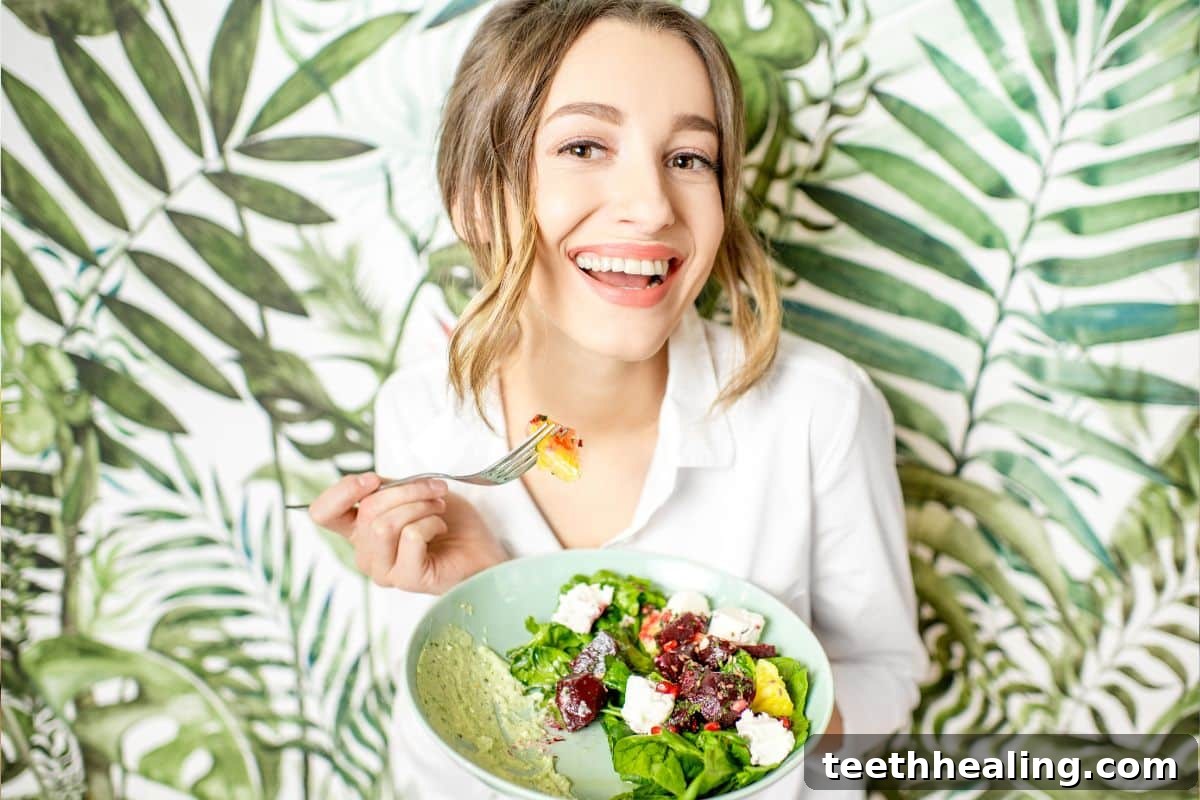
You can enjoy a full, satisfying diet with porcelain veneers once the bonding has fully set and any initial sensitivity subsides. Porcelain veneers bond to your natural enamel and restore roughly 85–90% of the original bite force. Because porcelain has excellent compressive strength but lower tensile (bending) strength, adjusting how you bite into very hard, sticky, or tough foods helps prevent chipping or debonding.
Protecting your investment means understanding how daily eating habits interact with ceramic restorations. At Palm Desert Dentist: Cosmetic, Restorative, & Implant Dentistry, our team—including Dr. Conrow, Dr. McLachlan Jr., and Dr. Reena Patel—crafts custom veneers from high-quality IPS Empress and feldspathic porcelain. If you are considering cosmetic treatment, visit our office for a comprehensive diagnostic consultation to discuss your smile goals.
How Porcelain Veneers Handle Daily Chewing Mechanics
Porcelain veneers are ultra-thin shells, generally 0.3–0.5 mm thick, custom-made to fit over the front of anterior teeth. When bonded with light-cured resin cement, they become an integral part of the tooth surface and restore both aesthetics and function.
Biomechanical Resilience
Porcelain performs very well under vertical compressive forces, so everyday foods like cooked vegetables, soft meats, grains, and pasta can be chewed comfortably. Modern dental ceramics and adhesive systems provide reliable strength and retention when placed correctly.
Shear Force Vulnerability
Despite high compressive strength, porcelain is more susceptible to tensile and shear stresses. Actions that apply twisting, levering, or shearing forces along the veneer edge—such as prying items with your front teeth or tearing firm crusts—concentrate stress at the bonding interface and increase the risk of micro-fractures or adhesive failure.
Dietary Phases: What to Eat During Recovery vs. Long Term
Managing your diet after receiving veneers generally follows three phases: temporary restorations, the immediate period after permanent placement, and long-term maintenance.
Phase 1: Wearing Temporary Shells
While your permanent veneers are fabricated in the dental laboratory, you will often wear temporary acrylic restorations attached with provisional cement. During this time, stick to soft foods such as scrambled eggs, smoothies without seeds, cooked cereals, and lukewarm soups. Avoid hard, chewy, or sticky items until your final veneers are bonded.
Phase 2: The First 48 Hours After Permanent Placement
After permanent veneers are bonded, the resin achieves a high degree of cure almost immediately, but surrounding gum tissue may remain mildly inflamed and dentin can be sensitive to extreme temperatures for a short time. Use moderate-temperature foods and soft-to-medium textures for the first two days to allow tissues to settle.
Phase 3: Long-Term Daily Dietary Lifestyle
Once initial healing is complete, most patients resume a normal diet. You can enjoy local and favorite foods with a few behavioral adjustments—such as slicing hard fruits and using back molars for tougher bites—to protect the veneers from undue stress.
High-Risk Foods to Avoid (And Smart Swaps)
To extend the life of your veneers, avoid foods that create excessive shear stress or surface damage. Here are common high-risk items and safer alternatives.
Unyielding Hard Foods
- Pistachios and Hard-Shelled Nuts: Avoid cracking shells with your teeth. Instead, use a nutcracker or buy shelled nuts.
- Ice Cubes and Hard Candies: Chewing ice or hard candy can generate sudden force and thermal change, risking micro-fissures. Choose softer confections or allow candies to dissolve.
- Whole Apples and Raw Carrots: Biting directly into dense produce puts excessive wedge force on front veneers. Slice fruits and vegetables into bite-sized pieces and chew with molars.
High-Tension and Tough Foods
- Crusty Breads and Hard Bagels: Tearing firm crusts with front teeth pulls on restorations. Pre-slice breads and cut bagels into manageable portions.
- Meats on the Bone: Gnawing meat from bone can cause sudden impacts. Carve meat away from the bone and eat in pieces.
Sticky and Highly Adhesive Confections
- Taffy, Caramels, and Gummies: Sticky candies can tug at margins and should be limited. Choose treats that melt rather than stretch, such as high-quality chocolate.
Protecting Veneers Beyond Food: Habits & Maintenance
Preventing Surface Abrasion
Abrasive toothpastes and polishing agents can dull the glazed finish of porcelain over time. Use a smooth, low-abrasion fluoride or hydroxyapatite toothpaste and a soft-bristled toothbrush. Daily flossing is safe and important to protect the margins and gum health.
Managing Bruxism (Teeth Grinding)
If you grind or clench your teeth, nocturnal forces can exceed normal chewing by several times. A custom nightguard or NTI appliance helps distribute forces evenly and protects restorations from excessive wear or fracture.
Avoiding Non-Food Mechanical Stress
Do not use veneered teeth as tools for opening packages, biting tags, or holding objects. These non-food stresses can easily damage porcelain and bonding margins.
Local Lifestyle Considerations in Palm Desert
Regional factors in the Coachella Valley can affect oral health and veneer longevity:
- Desert Hydration & Dry Mouth: Hot, dry conditions can reduce saliva flow, increasing acidity and plaque buildup at restoration margins. Staying well hydrated supports saliva’s natural buffering and helps maintain oral health.
- Dining and Local Cuisine: Eating out and enjoying local produce is compatible with veneers when you practice mindful biting habits, such as requesting breads be pre-sliced and choosing softer preparations when possible.
Our clinic provides expert care using modern aesthetic technology to deliver durable, natural-looking results. We evaluate bite alignment and facial symmetry to design a smile that is both attractive and functional.
FAQs
Can I drink coffee, red wine, or tea with porcelain veneers?
Yes. Glazed porcelain is non-porous and resists staining. Still, the natural tooth and bonding margins can pick up pigments over time, so rinsing with water after dark beverages is a simple protective step.
What if I accidentally bite something hard with my front teeth?
Hard bites can cause small chips or stress the adhesive bond. If you notice a rough edge or movement, contact your dentist for an evaluation so the restoration can be smoothed or repaired if needed.
Can I chew gum with veneers?
Sugarless gum is generally safe because smooth porcelain resists sticking. Avoid very sticky, sugary gums that could tug at margins or irritate gums.
How long before veneers feel natural when eating?
Most patients adapt to the feel and shape of new veneers within one to two weeks as muscle patterns and bite orientation settle.
Will hot and cold foods cause veneers to crack?
High-quality dental porcelain has a thermal expansion similar to natural enamel, so normal hot and cold foods should not cause cracking. Temporary sensitivity in underlying dentin can occur but typically resolves quickly.
Do I need to brush immediately after eating?
Brushing twice daily is recommended. After acidic meals, rinse with water and wait about 30 minutes before brushing to avoid brushing softened enamel.
How often should veneers be checked by a dentist?
Routine dental exams every six months let your dentist monitor margins, gum health, and polish porcelain with non-abrasive pastes to maintain appearance and function.
Schedule Your Personalized Consultation Today
Porcelain veneers provide a durable, aesthetic option for restoring a confident, functional smile. With sensible precautions—avoiding very hard or sticky objects and using back teeth for tougher bites—you can enjoy a normal diet with confidence. At Palm Desert Dentist: Cosmetic, Restorative, & Implant Dentistry, our team offers thorough diagnostic evaluations to create a treatment plan tailored to your dental anatomy and aesthetic goals. Book an appointment to start your personalized smile journey.