Navigating the Aftermath: What Happens After Safe Amalgam Removal?
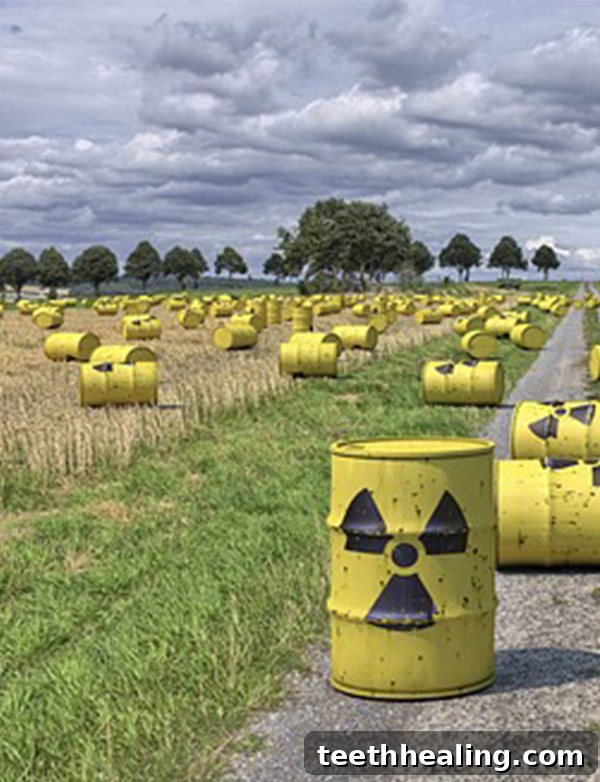
For decades, dental amalgam, often referred to as silver fillings, has been a staple in restorative dentistry. However, the presence of mercury – a known neurotoxin – in these fillings has raised significant health and environmental concerns. While regulations prohibit the casual disposal of mercury-containing amalgam waste due to its hazardous nature, the paradox of placing this material directly into patients’ mouths remains a point of contention for many. This article delves deep into the critical processes and protocols that follow the safe removal of amalgam fillings, highlighting the commitment to patient safety, environmental responsibility, and the principles of holistic dentistry.
Understanding the Need for Safe Amalgam Removal
The core issue with dental amalgam is its mercury content, which comprises approximately 50% of the filling material. Over time, these fillings can release small amounts of mercury vapor, especially during chewing, brushing, and particularly during their removal if not done correctly. This mercury vapor can be inhaled and absorbed by the body, potentially contributing to various health issues. The dichotomy between the strict environmental regulations surrounding amalgam waste disposal and its historical use in dentistry underscores the importance of choosing a dental practice committed to the highest safety standards during its removal.
The International Academy of Oral Medicine and Toxicology (IAOMT) has developed a stringent protocol known as SMART (Safe Mercury Amalgam Removal Technique) to minimize mercury exposure to patients, dental staff, and the environment during amalgam removal. Adhering to these guidelines is paramount for any practice prioritizing patient well-being and ecological stewardship. Choosing a dentist who follows these protocols is not merely a preference; it’s a vital step towards safeguarding your health and contributing to a cleaner planet.
The Safe Amalgam Removal Process: Beyond Just Extraction
Safe amalgam removal is a multi-faceted procedure that goes far beyond simply “drilling out” the old filling. It encompasses a series of protective measures designed to mitigate mercury exposure. Here’s a closer look at the key steps and considerations:
1. Patient Protection Measures
- Rubber Dam Isolation: A dental dam is placed over the tooth or teeth being treated to isolate them from the rest of the mouth. This acts as a barrier, preventing amalgam particles and mercury vapor from being ingested by the patient.
- Alternative Air Source: Patients are provided with an external source of clean air or oxygen, delivered via a nasal hood. This ensures they breathe fresh air, minimizing the inhalation of any mercury vapor released during the procedure.
- Protective Barriers: The patient’s skin and clothing are covered with protective drapes to prevent contact with amalgam debris.
- Chilling the Filling: The amalgam filling is kept cool with copious amounts of water spray during drilling. This helps to reduce the temperature, thereby minimizing the release of mercury vapor.
- Sectioning the Amalgam: Rather than drilling the entire filling out in one go, the dentist carefully cuts the amalgam into smaller chunks. This technique allows for easier and safer removal, reducing the amount of drilling and subsequent mercury vapor generation.
2. Dental Team and Operatory Protection
- Personal Protective Equipment (PPE): Dental professionals wear specialized respirators, gloves, and protective gowns to prevent personal exposure to mercury vapor and particles.
- High-Volume Evacuation (HVE): Powerful suction systems are strategically placed near the tooth to capture mercury vapor and amalgam particles at their source, preventing them from spreading into the operatory air.
- Air Purification Systems: The dental operatory is equipped with specialized air filtration systems, often with charcoal filters, to continuously clean the air and remove any airborne mercury particles.
What Happens to the Amalgam Waste After Removal?
The journey of removed amalgam fillings doesn’t end once they are out of your mouth. Responsible disposal is a critical component of holistic and environmentally conscious dentistry. The practices that follow safe amalgam removal protocols extend their commitment to environmental protection:
1. Capturing Large Amalgam Pieces
During the removal process, larger pieces of amalgam are immediately captured by a specialized filter unit integrated into the dental suction system. This initial capture is crucial to prevent these visible fragments from entering the plumbing system. Once collected, these pieces are carefully emptied into a dedicated, airtight container. This container is not just any bin; it’s designed specifically for hazardous waste. Inside, the amalgam is stored under a chemical solution, typically a sulfur-based solution, which reacts with the mercury. This chemical immersion prevents the outgassing of mercury vapor, effectively neutralizing its immediate environmental threat. These sealed containers are then picked up by licensed hazardous waste management companies for safe and legal disposal or recycling, ensuring they never end up in general waste streams or landfills.
2. Managing Amalgam Sludge and Micro-Particles
Beyond the visible pieces, the process of removing amalgam creates a fine sludge and microscopic particles that are mixed with water and saliva. If not properly managed, this mercury-laden wastewater could easily enter the public sewage system, ultimately contaminating waterways and ecosystems. This is where an advanced amalgam separator filter becomes indispensable.
An amalgam separator is a specialized device installed in the dental office’s plumbing system. Its primary function is to capture these tiny amalgam particles from the wastewater before it enters the municipal sewer lines. These separators are highly efficient, designed to meet or exceed strict environmental regulations for mercury discharge. Unlike many conventional dental practices whose suction waste may contain mercury and inadvertently contribute to environmental pollution, practices committed to safe amalgam removal use these advanced filters to ensure that virtually no mercury makes its way into the public water supply. The collected sludge within the separator is then periodically removed and treated as hazardous waste, following the same stringent disposal protocols as the larger amalgam pieces. This comprehensive approach underscores a profound commitment to protecting both public health and the environment from mercury contamination.
Replacing Amalgam: The Era of Biocompatible Materials
Once the old amalgam fillings are safely removed, the next crucial step is to restore the tooth with a safe, durable, and aesthetically pleasing alternative. Modern dentistry offers a range of biocompatible, mercury-free materials that are superior to amalgam in many respects:
- Composite Resins: Tooth-colored composite fillings are a popular choice. They bond directly to the tooth structure, requiring less removal of healthy tooth material. They are highly aesthetic and durable, blending seamlessly with natural teeth.
- Porcelain (Ceramic) Restorations: For larger restorations, porcelain inlays, onlays, or crowns offer exceptional strength, longevity, and aesthetics. They are custom-made in a laboratory to perfectly fit the prepared tooth.
- Glass Ionomer Cements: These materials are sometimes used for specific applications, particularly in areas not subjected to heavy biting forces, as they release fluoride which can help prevent further decay.
The choice of restorative material depends on various factors, including the location and size of the cavity, the patient’s bite, and individual preferences. A holistic dentist will discuss these options in detail, ensuring the chosen material is not only functional and aesthetic but also aligns with the patient’s overall health goals.
The Long-Term Impact: Health and Environmental Benefits
The decision to undergo safe amalgam removal carries significant long-term benefits:
- Improved Health Outcomes: By eliminating a continuous source of mercury vapor from the mouth, patients may experience improvements in general health, especially if they have been sensitive to mercury exposure (is mercury making you sick?). While individual responses vary, reducing the body’s toxic burden is a positive step.
- Enhanced Oral Aesthetics: Replacing dark amalgam fillings with tooth-colored alternatives can dramatically improve the appearance of your smile, boosting confidence.
- Environmental Stewardship: By choosing a practice that employs strict amalgam waste management protocols, patients contribute directly to preventing mercury pollution. This collective effort is crucial for protecting our planet’s water bodies, wildlife, and future generations.
- Peace of Mind: Knowing that you have taken proactive steps to remove a potentially harmful substance from your body and that its disposal was handled responsibly provides invaluable peace of mind.
Conclusion: A Commitment to Health and the Environment
The journey after safe amalgam removal is a testament to the advancements in modern dentistry and a growing awareness of holistic health principles. It’s a process meticulously designed to protect not only the individual patient but also the wider ecosystem. From the initial meticulous removal process to the responsible disposal of hazardous waste and the placement of biocompatible restorations, every step is taken with utmost care and precision. By choosing a dental practice committed to these rigorous standards, you are making a conscious choice for your health, for the environment, and for a future where dental care aligns seamlessly with overall well-being. It is a powerful step towards a mercury-free future, fostering health from within and safeguarding our shared planet.