Understanding Cracked Teeth: Symptoms, Causes, and Effective Treatments
A cracked tooth is a common yet often overlooked dental problem that can lead to significant discomfort and potentially serious complications if left untreated. From subtle sensitivity to acute pain, the signs of a cracked tooth can vary widely, making early detection a challenge. Whether caused by daily wear and tear, biting down on something hard, or chronic teeth grinding, understanding the nature of tooth cracks is crucial for maintaining optimal oral health. This comprehensive guide will delve into everything you need to know about cracked teeth, from identification and prevention to the most effective treatment options available.
What Exactly is a Cracked Tooth?
A cracked tooth refers to a tooth that has sustained a fracture, ranging from a tiny, superficial line in the enamel to a deep fissure extending into the root. Unlike a broken bone, a crack in a tooth rarely heals itself, and its progression can compromise the tooth’s structural integrity and ultimately affect the sensitive inner pulp, which contains nerves and blood vessels. Some cracks are entirely symptom-free, discovered incidentally during a routine dental examination, while others manifest as persistent sensitivity to cold temperatures, sharp pain when biting or chewing, or an unusual sensation in the affected tooth. The danger lies in the potential for these cracks to deepen, risking nerve damage, severe fracture, or even splitting the tooth, which can render it unsalvageable.
Diverse Ways Teeth Can Crack: Understanding the Types of Fractures
Not all tooth cracks are created equal. The type, location, and depth of a crack significantly influence the symptoms experienced and the recommended treatment approach. Dentists classify tooth fractures into several categories:
-
Cracked Tooth
This is arguably the most common and concerning type of crack that extends from the chewing surface of the tooth vertically towards the root. It may sometimes extend below the gum line and into the root itself. While the tooth is not yet split into two distinct parts, the crack can gradually propagate, potentially damaging the soft, inner tissue (pulp) if not treated promptly. Symptoms often include pain when chewing, especially upon releasing biting pressure, and sensitivity to temperature changes.
-
Craze Lines
Craze lines are extremely common, superficial cracks that affect only the outer enamel layer of the tooth. These tiny, hair-like lines are typically observed in all adult teeth and are a normal sign of aging and daily wear. They rarely cause any pain or discomfort and, because they do not penetrate beyond the enamel, generally require no treatment. They are primarily an aesthetic concern for some individuals.
-
Cracked Cusp
The cusps are the pointed projections on the chewing surface of your back teeth. A cracked cusp occurs when one of these cusps becomes fractured. This type of crack often develops around a large filling that has weakened the cusp structure over time. You might experience a sharp, localized pain when biting down on the affected cusp, and sometimes the fractured piece may even break off completely. Treatment typically involves restoring the tooth, often with a crown.
-
Split Tooth
A split tooth is a severe progression of an untreated cracked tooth, where the crack has deepened to the extent that the tooth literally splits into two or more separate pieces. This condition is often characterized by significant pain and discomfort, as the fracture extends deep into the tooth, exposing the pulp. Unfortunately, once a tooth has completely split, it is usually not salvageable and often requires extraction.
-
Vertical Root Fracture
These are cracks that begin in the root of the tooth and extend upwards towards the chewing surface. Vertical root fractures are particularly challenging to diagnose because they are often hidden beneath the gum line and may not present clear symptoms until a significant infection or bone loss has occurred. They are sometimes associated with teeth that have undergone root canal treatment. Prognosis for vertically fractured roots is often poor, and extraction is frequently the only option.
Why Do Teeth Crack? Exploring the Common Causes
Teeth are incredibly strong, but they are not indestructible. Several factors can contribute to the development of cracks, some of which are preventable:
-
Bruxism (Teeth Clenching or Grinding): Chronic clenching or grinding, especially during sleep, places enormous and sustained pressure on the teeth. This constant stress can lead to the formation of cracks, particularly in molars.
-
Large Fillings or Extensive Decay: Teeth with extensive decay or very large, old fillings are significantly weakened. The remaining tooth structure becomes more brittle and susceptible to cracking under normal biting forces, as the filling does not flex with the natural tooth.
-
Biting or Chewing on Hard Objects: Accidentally biting down on extremely hard foods or non-food items can instantly crack a tooth. Common culprits include ice cubes, hard candies, fruit pits, unpopped popcorn kernels, bones, or even using teeth to open packages.
-
Dental Trauma: A direct blow to the mouth, chin, or lower jaw, often sustained during sports activities, falls, or accidents, can cause teeth to crack or fracture.
-
Gum Disease and Bone Loss: Advanced gum disease that results in significant bone loss around the teeth can compromise their stability and support. This increased mobility and reduced bone density can make teeth more vulnerable to root fractures.
-
Sudden Temperature Changes: Rapid changes in temperature, such as consuming a very hot beverage immediately followed by a cold one, can cause the tooth enamel to expand and contract quickly. This thermal shock can create stress and micro-fractures over time.
-
Age: As we age, teeth naturally become more brittle and are exposed to years of biting and chewing forces, increasing the likelihood of developing cracks. Cracked teeth are more common in older adults.
Detecting a Cracked Tooth: Signs and Symptoms to Watch For
Identifying a cracked tooth can be challenging because the symptoms are often intermittent, inconsistent, and can mimic other dental problems like decay or gum disease. You might experience a range of sensations:
-
Intermittent Pain When Chewing: This is a classic symptom. You might feel a sharp pain specifically when you bite down, but often more intensely when you release the biting pressure. This is because the crack momentarily separates under pressure and then snaps back when released, irritating the pulp.
-
Sensitivity to Temperature Extremes: An affected tooth may become hypersensitive to very hot or, more commonly, very cold foods and drinks.
-
Sensitivity to Sweetness: Similar to decay, a cracked tooth can sometimes react painfully to sugary foods, even without any visible signs of decay.
-
Swelling of the Gum Around the Affected Tooth: If the crack has progressed to allow bacterial entry and infection, a small, localized swelling or pimple-like bump may appear on the gum tissue near the problematic tooth.
-
No Visible Signs: Sometimes, there are no outward signs of a crack. The tooth may look perfectly healthy, and the pain can be difficult to pinpoint, making diagnosis complex.
Due to the elusive nature of these symptoms, regular dental check-ups are paramount. Your dentist uses various diagnostic tools and techniques, including visual inspection with magnification, probing the gums, applying biting pressure tests, and sometimes using special dyes that highlight cracks.
The X-ray Conundrum: Why Cracks Don’t Always Show Up
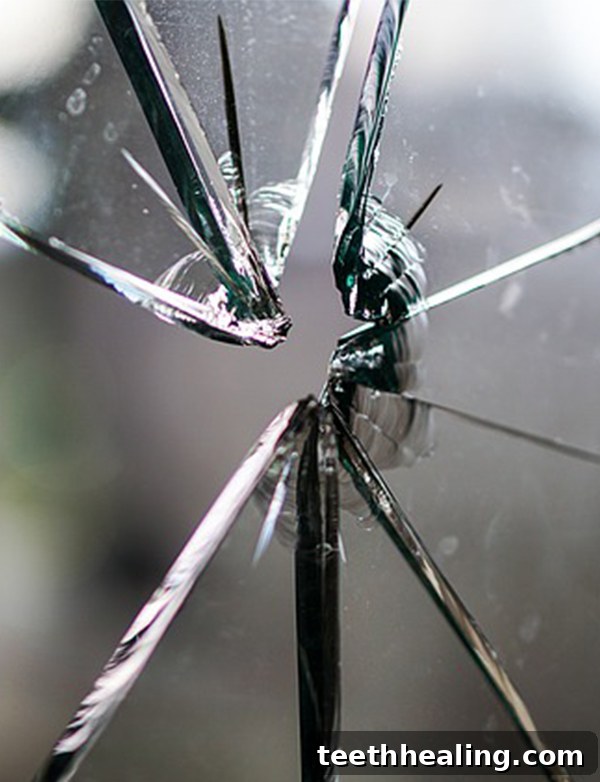
One of the perplexing aspects of cracked teeth is that they often do not appear on standard dental X-rays. This is primarily due to the physics of X-ray imaging; for a crack to be visible on an X-ray, the X-ray beam must pass through the crack precisely parallel to its direction. Most cracks run vertically or diagonally, making it highly unlikely for the X-ray beam to align perfectly. Think of trying to see a crack in a pane of glass from the front versus from the edge – it’s far more visible from the edge. Therefore, a clear X-ray does not necessarily rule out a cracked tooth.
However, X-rays can sometimes provide indirect evidence of a long-standing crack. For instance, in cases of vertical root fractures, if the crack has been present long enough to cause infection or inflammation, vertical bone loss around the root of the tooth may become visible on the X-ray. Your dentist will combine X-ray findings with clinical examination, symptoms, and other diagnostic tests like transillumination (shining a bright light through the tooth) or using a special dental explorer to locate the crack.
The Urgent Need for Treatment: Don’t Delay!
It is critically important to seek professional dental advice as soon as you suspect a cracked tooth. Unlike a broken bone that can knit itself back together, a tooth crack will not heal on its own and will almost always worsen over time. Delaying treatment can lead to a cascade of more serious and painful problems:
-
Pulp Inflammation and Infection: As the crack deepens, it can expose the tooth’s sensitive pulp (nerve tissue) to bacteria from the mouth. This can lead to inflammation (pulpitis), intense pain, and eventually infection and the death of the nerve.
-
Abscess Formation: An untreated pulp infection can spread beyond the tooth’s root, forming a painful pus-filled pocket called a dental abscess in the surrounding bone and gum tissue.
-
Root Canal Treatment: If the crack reaches the pulp and causes irreversible damage or infection, root canal therapy becomes necessary to save the tooth. This involves removing the infected pulp, cleaning and shaping the root canals, and then filling and sealing them.
-
Tooth Extraction: In severe cases, especially with split teeth or extensive vertical root fractures, the tooth may be beyond repair. When a tooth splits completely, it cannot be saved, and extraction becomes the only viable option to alleviate pain and prevent further infection.
Early intervention significantly improves the chances of saving the tooth and preventing more extensive and costly treatments down the line.
Will a Cracked Tooth Always Lead to Tooth Loss?
Not necessarily. While tooth loss is a potential outcome of an untreated or severely cracked tooth, it is far from inevitable. The good news is that with prompt diagnosis and appropriate treatment, many cracked teeth can be successfully managed and preserved for many years. The key factor in avoiding extraction is seeking dental care as soon as possible. Your dentist will assess the type, depth, and location of the crack to determine the most suitable course of action aimed at saving your natural tooth structure.
Effective Treatments for Cracked Teeth
The specific treatment for a cracked tooth depends heavily on the extent and type of the damage. Your dentist will recommend the best approach after a thorough examination:
-
Dental Bonding
For minor chips or small cracks on the biting edge that don’t extend deep into the tooth structure, dental bonding is an excellent option. A tooth-colored composite resin material is applied to the tooth surface, carefully shaped to fill the crack and restore the tooth’s original form, and then hardened with a special light. Bonding is a conservative, aesthetic, and relatively inexpensive treatment.
-
Cosmetic Contouring
When a chip or crack is extremely small and primarily involves rough edges, cosmetic contouring might be sufficient. This procedure involves gently reshaping and polishing the tooth’s surface to smooth out the rough areas and blend away the appearance of the crack. It’s a very conservative treatment, primarily for aesthetic concerns rather than structural damage.
-
Dental Veneers
Veneers are a great solution when a significant amount of the tooth structure remains, but the crack affects the front surface or weakens the tooth. A veneer is a thin, custom-made shell, typically crafted from porcelain or composite resin, that is bonded to the front surface of the tooth. Veneers not only improve aesthetics but can also provide a protective layer, strengthening the tooth and preventing the crack from worsening.
-
Dental Crowns
For more substantial cracks that involve the chewing surface or have compromised a significant portion of the tooth, a dental crown is often the treatment of choice. A crown is a cap that completely covers the entire visible portion of a damaged tooth, restoring its shape, strength, and appearance. Crowns act like a protective helmet, holding the cracked tooth together and preventing the crack from propagating further. Before a crown is placed, if the nerve has been damaged or infected, root canal treatment may be necessary to remove the infection and prepare the tooth. After a root canal, a crown is essential to provide structural integrity to the now more brittle tooth.
-
Root Canal Treatment
As mentioned, if a crack extends into the pulp, causing inflammation or infection, root canal treatment is performed to save the tooth. The procedure involves carefully removing the damaged or infected pulp, thoroughly cleaning and disinfecting the inside of the tooth, and then filling and sealing the root canals. After a successful root canal, the tooth is typically fitted with a dental crown to protect it from fracture and ensure its longevity.
-
Extraction
In cases where the crack is too extensive, such as a completely split tooth or a severe vertical root fracture, the tooth may be beyond repair. In these situations, extraction is necessary to prevent infection and alleviate pain. Following extraction, your dentist will discuss options for replacing the missing tooth, such as dental implants or bridges, to restore function and aesthetics.
The Reality of Healing: What to Expect After Treatment
It’s important to understand a key difference between a cracked tooth and a broken bone: unlike bones, the crack in a tooth will never fully “heal” or mend itself completely. The goal of treatment is to seal the crack, protect the tooth from further damage, and alleviate symptoms. While treatment can successfully stabilize the tooth and allow it to function normally for many years, there’s always a residual risk that the crack might worsen or the tooth could eventually be lost. This is why ongoing monitoring by your dentist is crucial. Despite this, receiving treatment significantly increases the lifespan of a cracked tooth and prevents the severe complications that arise from neglect.
Proactive Steps: Can I Prevent My Teeth from Cracking?
While it’s not possible to eliminate the risk of cracked teeth entirely, you can take several proactive measures to significantly reduce your susceptibility:
-
Wear a Custom Mouthguard: If you grind or clench your teeth (bruxism) at night, a custom-fitted night guard can provide a protective barrier, absorbing the forces and preventing damage to your teeth. For athletes involved in contact sports, a custom-made sports mouthguard is indispensable for protecting teeth from traumatic injuries.
-
Avoid Chewing Hard Objects: Be mindful of what you bite. Steer clear of chewing on ice, hard candies, popcorn kernels, fruit pits, or using your teeth as tools to open bottles or tear packages.
-
Protect Teeth with Large Fillings: If you have teeth with very large or old fillings, discuss with your dentist whether a crown would be beneficial. Crowning these teeth can provide extra strength and protect the remaining tooth structure from developing cracks.
-
Maintain Regular Dental Check-ups: Routine examinations allow your dentist to identify potential issues like subtle cracks or weak spots before they escalate into major problems. Early detection is your best defense.
-
Address Clenching and Grinding: Beyond nightguards, explore stress management techniques, relaxation exercises, or even orthodontic correction if malocclusion contributes to grinding.
Cracked teeth can be a source of significant discomfort and concern, but with the right knowledge and timely professional care, most can be effectively managed. Don’t ignore persistent dental pain or sensitivity. Early diagnosis and treatment are the cornerstones of successful outcomes, helping you preserve your natural teeth and maintain a healthy, comfortable smile.
If you suspect you have a cracked tooth or have any other dental concerns, please don’t hesitate to contact us today at 07 3720 1811 for expert advice and compassionate care.