The Unseen Link: How Adult Tooth Loss Predicts Longevity and Overall Health
Oral health is often relegated to mere aesthetics or the prevention of bad breath. However, a growing body of scientific evidence reveals a profound connection between the state of your teeth and gums, and your overall health and life expectancy. Beyond maintaining a dazzling smile or warding off cavities, the simple act of brushing your teeth, alongside comprehensive oral care, holds far more significance than previously understood. Recent findings, particularly a compelling study published in the esteemed journal Periodontology 2000, underscore the critical importance of preserving your natural teeth throughout your lifetime. This research posits that the number of teeth an individual loses can serve as a vital indicator, offering early insights into a person’s life expectancy and their susceptibility to severe, life-threatening health complications.
The journey towards tooth loss is complex, influenced by a myriad of interconnected factors. While obvious culprits like trauma or inadequate oral hygiene are well-known, subtler influences also play a significant role. These include chronic stress, which can suppress the immune system and exacerbate gum disease; socioeconomic status, impacting access to dental care and healthy lifestyle choices; smoking, a major risk factor for periodontal disease and tooth loss; underlying chronic systemic diseases such as diabetes; genetic predispositions; nutritional deficiencies; and overall lifestyle choices. These diverse elements collectively contribute to the deterioration of oral health, culminating in tooth loss. Interestingly, physical stress and the early manifestations of poor systemic health frequently present themselves first within the oral cavity, acting as an early warning system for broader bodily concerns.
Decoding the Message: What Your Missing Teeth Are Really Telling You About Your Health
The implications of tooth loss extend far beyond the mouth, echoing throughout the body and signaling potential systemic vulnerabilities. Researchers have uncovered a striking correlation: individuals who have lost five or more teeth by the age of 65 face a significantly heightened risk of early mortality. This statistic serves as a powerful testament to the intricate relationship between oral health and overall longevity. Furthermore, those with missing teeth are statistically more prone to developing or experiencing complications from serious systemic health conditions. Prominent among these are cardiovascular diseases, including heart attacks and strokes; type 2 diabetes, a metabolic disorder that often has a bidirectional relationship with periodontal disease; and osteoporosis, a condition characterized by weakened bones, which can also affect the jawbone and contribute to tooth loss.
Conversely, the study also brought to light an incredibly fascinating insight: individuals who maintain a full set of natural teeth by the age of 74 exhibit a considerably higher likelihood of living to a venerable 100 years old. This observation highlights the profound protective effect of sustained oral health. While trauma, smoking, or a consistently poor oral hygiene routine are common pathways to losing teeth, the underlying reasons for tooth loss often point to a broader decline in an individual’s quality of life. This decline frequently involves a higher incidence of gum diseases, which in turn are increasingly recognized as contributing factors to a host of other health issues, thereby escalating the risk of life-threatening conditions. In essence, the condition of our mouths offers an invaluable, accessible window into our broader health status, providing crucial clues to what might be happening beneath the surface.
Given these compelling findings, it becomes unequivocally vital to prioritize and diligently manage our oral health. Paying close attention to any changes or abnormalities within the mouth is not merely a matter of dental care; it is an essential component of proactive systemic health management. Such vigilance can enable early detection and intervention for potentially more serious underlying health concerns, ultimately safeguarding not just our teeth, but our entire well-being and longevity.
The Scientific Link: How Optimal Brushing Can Revolutionize Your Systemic Health
For decades, the idea that brushing your teeth could directly improve your heart health seemed a speculative leap. However, groundbreaking scientific research is steadily bridging this gap, transforming our understanding of the direct physiological benefits of excellent oral hygiene. A notable trial conducted by a team of scientists in the U.S. specifically investigated whether a modified toothpaste could make a tangible difference in cardiovascular health. This innovative toothpaste was engineered to stain any residual plaque bacteria that had not been effectively removed during brushing, providing users with immediate visual feedback to improve their technique.
The results of this pioneering study were nothing short of remarkable. Participants using the specialized toothpaste were able to remove twice as much dental plaque compared to control groups. More significantly, the toothpaste was found to reduce systemic inflammation throughout the body by an impressive 29 percent. Inflammation levels were precisely measured using C-reactive protein (CRP), a well-established and critically important biomarker for cardiovascular diseases. Elevated CRP levels are strongly associated with an increased risk of serious cardiac events, including fatal heart attacks and strokes. The ability of improved oral hygiene to significantly lower this key inflammatory marker provided compelling evidence of a direct, beneficial impact on cardiovascular health.
While previous epidemiological studies had established a clear correlation—demonstrating that individuals with infected gums are statistically more likely to suffer from cardiovascular diseases—this study marked a crucial turning point. For the first time, it offered direct, interventional evidence that *active improvement* in dental health could proactively lower this critical systemic risk. This research shifts the paradigm from merely observing a link to proving that proactive dental care can be a potent tool in mitigating the risk of serious diseases. It underscores the profound influence of the oral microbiome and chronic oral inflammation on systemic health, suggesting that maintaining a healthy mouth is a cornerstone of preventing a cascade of bodily ailments.
Investing in Your Future: Practical Steps to Elevate Your Oral Health and Extend Your Life
The message is clear and compelling: prioritizing your oral health is not just about aesthetics or comfort; it’s a profound investment in your future, directly influencing your life expectancy and overall vitality. If your goal is to add meaningful years to your life, enjoying them free from the challenges of eating difficulties, communication impediments, or the systemic health issues linked to poor oral hygiene, then nurturing healthy teeth and gums must become a non-negotiable priority. As advocates for holistic well-being often emphasize, consistent, diligent care of your mouth forms a crucial foundation for a healthier, longer life.
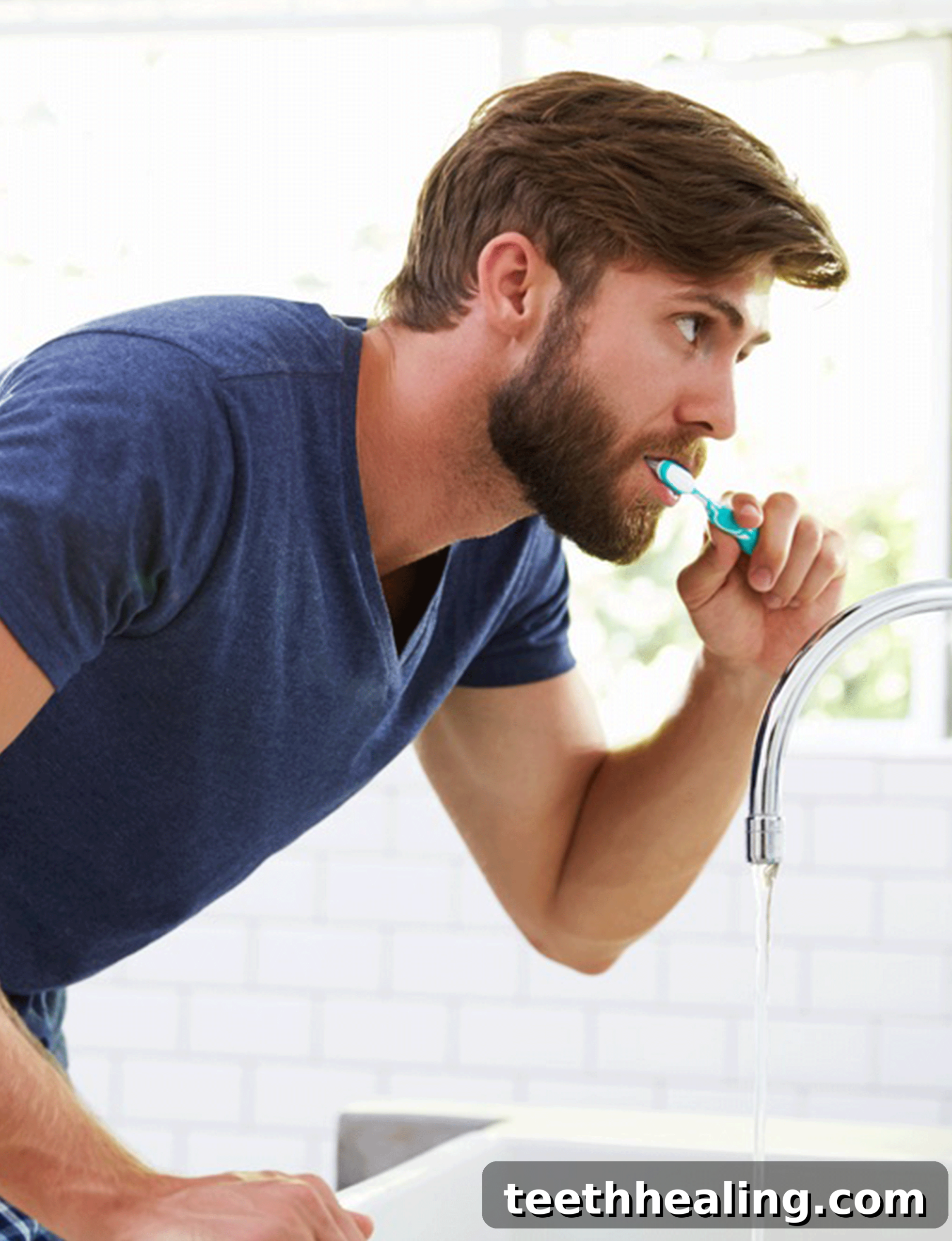
Embracing a comprehensive oral care routine and making informed lifestyle choices are essential steps. Begin by consciously cutting down on sugary foods and drinks, which are primary fuel sources for harmful oral bacteria that cause cavities and gum disease. Implement a disciplined daily regimen of brushing twice a day with a fluoride toothpaste and flossing once a day to remove plaque and food particles from areas your toothbrush can’t reach. Consider incorporating an alcohol-free mouthwash, or even exploring ancient practices like oil pulling, as supplementary steps in your dental care arsenal to further reduce bacterial load and promote gum health. Beyond these direct oral practices, critically evaluate your overall lifestyle and diet. A balanced diet rich in essential nutrients, adequate hydration, and effective stress management techniques can significantly support systemic health and reduce inflammation throughout your body, indirectly benefiting your oral cavity.
Crucially, making regular visits to your dentist a cornerstone of your health strategy is paramount. These visits are not just for routine cleanings; they are essential for professional assessment, early detection of potential issues, and personalized guidance on maintaining optimal oral health. Do not overlook the warning signs your mouth might be giving you. If you consistently notice blood in the sink after flossing or brushing, if your gums appear swollen, red, or tender, or if you observe that your teeth have shifted, drifted, or feel loose—these are all significant indicators of potential gum disease or other underlying problems requiring immediate attention. Similarly, if more than six months have elapsed since your last professional dental check-up, it is high time to schedule an appointment. Proactive engagement with your dental health can truly be a life-saving measure, offering interventions that can prevent not just tooth loss, but also mitigate the risk of serious systemic health complications.
Conclusion: Empowering Yourself for a Longer, Healthier Life Through Oral Care
The evidence is undeniable: the health of your mouth serves as a vital barometer for your overall well-being, directly impacting your longevity and susceptibility to serious chronic diseases. From cardiovascular health to diabetes management and bone density, the state of your teeth and gums plays a far more significant role than previously understood. This newfound understanding empowers us with a simple yet profound truth: investing in robust oral hygiene and consistent dental care is an investment in a longer, healthier, and more vibrant life. By adopting diligent daily practices, making conscious dietary and lifestyle choices, and prioritizing regular dental check-ups, you are taking concrete steps not only to preserve your radiant smile but also to safeguard your entire body against the ravages of systemic disease and contribute meaningfully to a future filled with vitality and well-being. Don’t underestimate the power of a healthy mouth – it might just be the key to unlocking many more healthy years ahead.