The Ultimate Guide to Choosing Dental Implants: Restoring Your Smile and Confidence
Choosing to restore your smile with dental implants is a significant decision that can profoundly impact your quality of life. Far from being a mere aesthetic enhancement, dental implants offer a long-term solution to missing teeth, providing both functional stability and a natural appearance. Navigating the options available can feel overwhelming, given the various factors to consider. This comprehensive guide is designed to empower you with all the essential information needed to make an informed choice, ensuring you embark on a path toward a healthier, more confident smile.
Understanding What Dental Implants Are
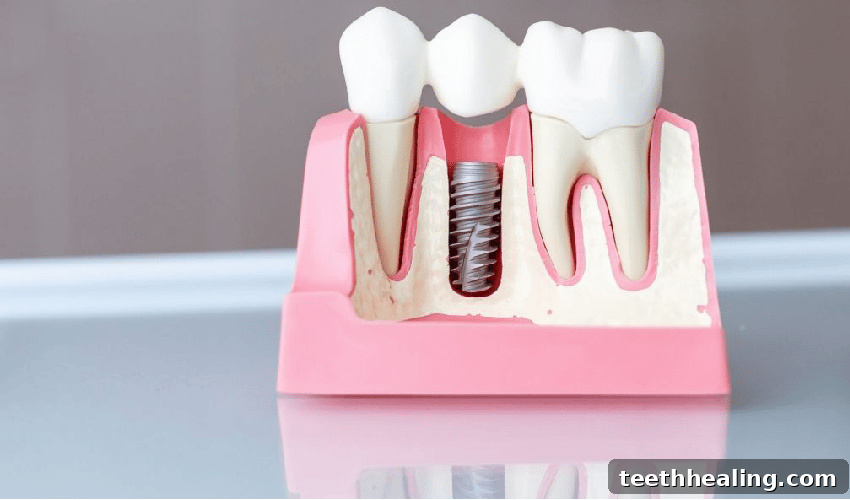
At its core, a dental implant is an artificial tooth root, typically made of titanium, that is surgically placed into your jawbone. This implant then serves as a sturdy foundation for a replacement tooth, or crown, which is custom-made to match your natural teeth. Unlike traditional dentures or bridges, implants are designed to integrate directly with your bone, providing unparalleled stability and longevity.
The Unrivaled Strength and Biocompatibility of Titanium
For decades, titanium has been the material of choice for dental implants, and for good reason. Renowned for its exceptional strength-to-weight ratio, titanium is a metal that rivals steel in durability while being remarkably lightweight. Its use in medical implants dates back to the 1960s, a testament to its proven safety and effectiveness. Titanium’s unique property of being biocompatible means it is readily accepted by the human body, significantly reducing the risk of rejection or adverse reactions. This allows the jawbone to grow around and fuse with the implant post in a process called osseointegration. This vital process ensures that the implant becomes a permanent part of your anatomy, capable of withstanding the daily forces of chewing and speaking for many years.
The resilience of titanium makes dental implants an ideal solution for individuals who have lost teeth due to various reasons, including advanced tooth decay, periodontal disease, or traumatic injuries sustained from accidents. Its ability to endure wear and tear over time provides a robust foundation, far superior to removable prosthetics.
How Dental Implants Mimic Natural Tooth Functionality
One of the most significant advantages of dental implants is their ability to closely replicate the function of natural teeth. They are engineered to work in harmony with your body, not against it, providing a comfortable and stable solution for tooth replacement.
Seamless Integration with Your Jawbone and Movement
The revolutionary design of a dental implant allows it to move with your jaw, rather than being a rigid, independent fixture. This is primarily due to the osseointegration process, where the titanium implant post becomes integrated with the jawbone. Because the implant is a screw-like fixture embedded directly into the bone, it acts as a true root replacement. This intimate connection means that as you eat, speak, and make other jaw movements, the implant moves in synchronization with your natural bone structure. This eliminates the discomfort and instability often associated with traditional dentures, which can shift or rub against gum tissue. The result is a level of comfort and functionality that feels remarkably like your own natural teeth, allowing for a broader range of food choices and unrestricted speech.
Achieving a Harmonious and Functional Bite
A crucial aspect of successful dental implant placement is ensuring that the new tooth seamlessly integrates into your overall bite. It is not simply about filling a gap; it’s about restoring proper occlusion. The implant-supported crown must be precisely matched to the bite of your existing teeth, ensuring that forces are distributed evenly across your jaw. An improperly aligned bite can lead to discomfort, undue stress on surrounding teeth, and even issues with your temporomandibular joint (TMJ). By carefully matching the bite, your dentist ensures that your final restoration feels natural, functions optimally, and contributes to the long-term health and stability of your entire oral system. This meticulous attention to detail is paramount for achieving a result that is both aesthetically pleasing and fully functional.
The Transformative Benefits of Dental Implants
Beyond their structural and functional advantages, dental implants offer a multitude of benefits that extend to your overall oral health, appearance, and psychological well-being.
Restoring a Radiant Smile and Enhancing Facial Aesthetics
The ability of dental implants to restore a beautiful smile and significantly improve the look of your face is one of their most celebrated benefits. When teeth are lost, the underlying jawbone begins to resorb or shrink due to lack of stimulation. This bone loss can lead to a sunken appearance of the face, making you look older than your years. Implant dentistry effectively prevents this bone loss by stimulating the jawbone, much like natural tooth roots do. By preserving bone structure and filling gaps, implants help maintain the natural contours of your face, restoring youthful volume and symmetry.
The psychological impact of a restored smile is immense. Feeling comfortable and confident in social situations, being able to laugh heartily without self-consciousness, and engaging in conversations without worry are invaluable benefits that implants provide. They allow you to present your best self to the world, boosting self-esteem and overall quality of life.
A Permanent Solution That Stands the Test of Time
One of the most compelling reasons to choose dental implants is their unparalleled permanence. Unlike bridges that may require replacement every 10-15 years or dentures that often need periodic adjustments and relining, a properly cared-for dental implant can last a lifetime. This makes them a wise long-term investment in your oral health and well-being. Once the titanium post has fused with your jawbone, it provides a stable and enduring foundation that will not decay or shift. This permanency eliminates the ongoing costs and inconveniences associated with less durable tooth replacement options.
The implant’s inherent strength, derived from its titanium composition and integration with the bone, ensures it can reliably hold your tooth in place through years of biting, chewing, and speaking. You can enjoy your favorite foods without fear of your dental work failing or becoming dislodged.
The True Anchoring Mechanism: Osseointegration, Not Adhesion
It is important to clarify that dental implants are anchored in place not by an adhesive base, but through a biological process called **osseointegration**. This remarkable phenomenon involves the living bone tissue of your jaw growing directly onto and fusing with the surface of the titanium implant post. This creates an incredibly strong, biological bond that makes the implant a part of your body. Unlike crowns and bridges which rely on cementation or being supported by adjacent teeth, dental implants are integrated directly into the bone, making them fundamentally non-removable once osseointegration is complete.
This fixed nature is a key differentiator from options like removable partial dentures or full dentures, which can be taken out for cleaning or at night. If you are seeking a tooth replacement that offers the stability and feel of natural teeth, dental implants, anchored by osseointegration, are the superior choice. If, however, a removable solution is preferred for certain reasons, options such as traditional partial dentures or even implant-supported overdentures (which are removable by the patient) might be considered, though they offer different levels of stability and comfort compared to fully fixed implants.
Versatility for an Incredible Variety of Missing Teeth Scenarios
Dental implants are incredibly versatile, offering solutions for virtually any number of missing teeth. Whether you are missing a single tooth, several teeth, or require a full-arch restoration, implants can be tailored to meet your specific needs. They are designed to seamlessly integrate with your existing teeth, ensuring that the new additions blend in perfectly with your natural smile. This adaptability extends to various types of implant solutions:
- Single Tooth Implants: Replaces one missing tooth without affecting adjacent healthy teeth.
- Multiple Tooth Implants: Can support a bridge to replace several missing teeth, eliminating the need to modify surrounding healthy teeth for support.
- Full Arch Implants (e.g., All-on-4®): A revolutionary technique where a full set of upper or lower teeth can be supported by just four strategically placed implants, offering a stable and permanent alternative to traditional dentures.
This wide range of applications ensures that almost anyone who is a suitable candidate can benefit from the stability and aesthetic appeal of dental implants, regardless of the extent of their tooth loss.
The Dental Implant Procedure: A Step-by-Step Overview
Understanding the general process can help alleviate concerns and set realistic expectations for your journey towards a restored smile.
Consultation and Planning
The first step involves a comprehensive evaluation by your dentist or oral surgeon. This includes reviewing your medical history, taking detailed X-rays, 3D CT scans, and creating models of your teeth and jaw. This meticulous planning ensures proper implant placement, considering bone density, nerve locations, and aesthetic outcomes.
Surgical Placement of the Implant Post
During a minor surgical procedure, the titanium implant post is carefully placed into the jawbone where the tooth is missing. This is typically done under local anesthesia, and many patients report that the discomfort is less than that of a tooth extraction.
Osseointegration and Healing
Following surgery, a crucial healing period of several weeks to a few months begins. During this time, the implant fuses with the jawbone through osseointegration. This process is essential for creating a strong, stable foundation for your new tooth.
Abutment Placement (If Required)
Once osseointegration is complete, a small connector piece called an abutment is attached to the implant post. The abutment will protrude above the gum line and serve as the anchor for your new crown.
Crown Fabrication and Placement
Finally, a custom-made crown, meticulously crafted to match the color, shape, and size of your natural teeth, is placed onto the abutment. This final step completes your new, fully functional, and aesthetically pleasing tooth.
Key Considerations When Choosing Dental Implants
While the benefits are clear, making an informed decision requires considering various factors specific to your situation.
- Overall Oral Health: Good gum health and sufficient bone density are crucial for implant success. Pre-existing conditions like periodontal disease must be treated first.
- General Health: Certain medical conditions (e.g., uncontrolled diabetes) and habits (e.g., smoking) can affect healing and implant success.
- Cost and Investment: Dental implants represent a significant investment, but their longevity often makes them more cost-effective over a lifetime compared to repeatedly replacing other options.
- Treatment Timeline: The entire process, including healing, can take several months. Patience is key to ensuring successful osseointegration.
- Dentist’s Expertise: Choose a dentist or oral surgeon with extensive experience and specialized training in implant dentistry for the best outcomes.
- Maintenance Commitment: Implants require diligent oral hygiene, including regular brushing, flossing, and routine dental check-ups, just like natural teeth.
Conclusion: A Lasting Investment in Your Health and Confidence
Dental implants stand out as a superior and often life-changing solution for individuals with missing teeth, especially for those who seek a permanent, stable, and natural-looking replacement. Dentists universally recommend dental implants due to the unparalleled level of support and comfort they provide, enabling patients to chew, speak, and smile with renewed confidence and without any hesitation. While the decision might seem straightforward given their myriad advantages, it remains vital to consider all personal circumstances and weigh them against traditional alternatives like dentures or bridges.
Implants offer not just aesthetic improvement but also contribute significantly to long-term oral health by preserving jawbone integrity and preventing the shifting of adjacent teeth. By understanding the material science, the biomechanics of osseointegration, and the comprehensive benefits, you are better equipped to make a choice that aligns with your health goals and lifestyle. Ultimately, investing in dental implants is investing in your overall well-being, paving the way for a future filled with comfortable functionality, enhanced appearance, and unwavering self-assurance. We encourage you to consult with a qualified dental professional to discuss your specific needs and determine if dental implants are the right solution for you.