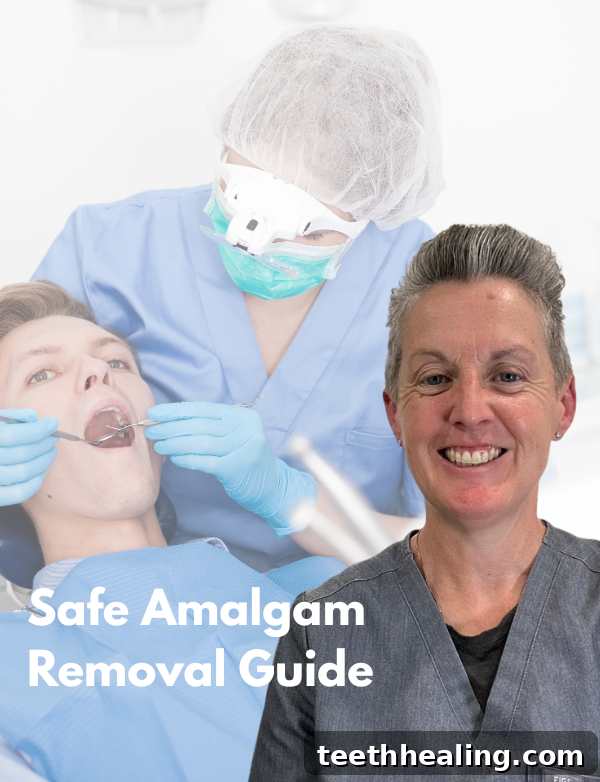
Safe Amalgam Removal in Brisbane: Your Comprehensive Guide to Holistic Dental Care
For many years, traditional dental amalgam fillings, often referred to as ‘silver fillings,’ were the standard for restoring teeth affected by decay. However, with advancements in dental technology and a growing understanding of biocompatible materials, many patients are now exploring alternatives. If you have older silver fillings, you might be wondering about the benefits and process of replacing them. This detailed guide, presented by Dr. Rachel Hall, a leading Holistic Dentist in Brisbane, delves into the specifics of safe amalgam removal, why patients choose this path, and what a holistic approach entails.
This article aims to provide a clear, concise, and SEO-friendly overview of safe amalgam removal, highlighting the reasons for replacement, the specific protocols involved in ensuring patient safety, and the modern, aesthetic alternatives available. We will explore the concept of a holistic approach to dentistry and how it integrates with the decision-making process for your dental health, offering valuable insights for anyone considering this important dental procedure in Brisbane.
Understanding Dental Amalgam Fillings: A Look at Traditional Restorations
Dental amalgam has been a cornerstone of restorative dentistry for over 150 years. Its widespread use stemmed from its durability, cost-effectiveness, and ease of application. Amalgam is essentially an alloy created by mixing several metallic elements, forming a strong, stable material ideal for filling cavities, especially in the back teeth where chewing forces are strongest. The composition of dental amalgam typically includes:
- Mercury: Constituting approximately 50% of the mixture, mercury acts as a binder, creating a pliable material that hardens quickly. Its unique properties allow the other metals to form a solid, durable filling.
- Silver: Often the largest component among the metals (around 35%), silver provides strength and resistance to corrosion, contributing significantly to the filling’s longevity.
- Tin: This metal (about 13%) helps improve the workability of the amalgam mixture and enhances its setting properties, allowing it to conform well to the tooth cavity.
- Copper: Typically around 2% of the mixture, copper is added to reduce corrosion and improve the overall strength and hardness of the filling, making it more resistant to wear and tear.
While amalgam fillings have proven their functional resilience over decades, modern dentistry has evolved. Today, alternative materials offer not only comparable strength but also aesthetic advantages and different bonding properties. These contemporary options are often tooth-coloured, blending seamlessly with your natural smile, and are designed to be bonded directly to the tooth structure, often requiring less removal of healthy tooth material. This shift reflects a growing patient preference for restorations that are both functional and visually appealing, aligning with a more conservative and holistic approach to dental care.
Why Patients Choose to Replace Amalgam Fillings: Beyond Just Aesthetics
The decision to replace amalgam fillings is a personal one, often influenced by a combination of factors ranging from aesthetic desires to concerns about dental integrity and overall health philosophy. As dentistry continues to advance, patients are becoming more informed about their options and the potential benefits of modern restorative materials. Here are the primary reasons why individuals consider replacing their amalgam fillings:
1. Aesthetic Enhancement and Smile Harmony
One of the most immediate and visible reasons for replacing amalgam fillings is their dark, metallic appearance. Over time, these silver fillings can become even darker, making teeth appear grey or discoloured. This can significantly impact the overall aesthetics of a smile, leading to self-consciousness, especially when laughing or speaking. Modern alternatives like composite resins and ceramic restorations are designed to mimic the natural colour and translucency of tooth enamel, providing an unnoticeable restoration that blends perfectly with surrounding teeth. Patients seeking a brighter, more uniform smile often find the aesthetic improvement of replacing amalgam fillings to be a compelling reason.
2. Age, Wear, and Compromised Tooth Structure
While known for their durability, amalgam fillings are not indestructible. Over decades of chewing and temperature changes, these fillings, like any dental restoration, can begin to show signs of wear and tear. This can manifest in several ways:
- Cracking: The expansion and contraction of amalgam due to temperature fluctuations (from hot coffee to cold water) can put stress on the surrounding tooth structure, leading to hairline cracks in the enamel or even fractures in the tooth itself.
- Leakage: Over time, the margins between the filling and the tooth can degrade, creating microscopic gaps. These gaps can allow bacteria and food particles to seep underneath the filling, leading to recurrent decay, often undetected until it’s extensive.
- Breakdown: Amalgam fillings can corrode or wear down, losing their structural integrity. This can weaken the tooth and increase the risk of further damage or even tooth loss if not addressed.
Failing amalgam fillings can compromise the health of the tooth, potentially leading to sensitivity, pain, and the need for more complex treatments like root canals or crowns down the line. Proactive replacement can prevent these future complications.
3. Tooth Structure Preservation and Conservative Dentistry
The traditional placement of amalgam fillings often required the removal of a significant amount of healthy tooth structure. This was necessary to create undercuts and grooves that would physically hold the filling in place, as amalgam does not chemically bond to the tooth. This aggressive removal of healthy enamel and dentin can weaken the tooth over time, making it more susceptible to fractures.
In contrast, modern restorative materials like composite resins are adhesively bonded to the tooth. This allows for a more conservative approach where only the decayed or damaged portion of the tooth needs to be removed. By preserving more natural tooth structure, these new fillings can actually strengthen the remaining tooth, contributing to its long-term health and stability. This aligns with the principles of conservative dentistry, which prioritises minimal intervention.
4. Personal Health Preferences and Holistic Dental Philosophies
A growing number of patients are seeking metal-free restorations as part of their overall health and wellness philosophy. This perspective, often central to holistic dentistry, considers the interconnectedness of oral health with systemic well-being. Some patients express a preference for biocompatible materials, believing that metal-free options are a more natural choice for their bodies. This personal preference is driven by an increased awareness and desire to minimise exposure to all foreign materials, including the mercury content in amalgam fillings. Choosing to replace amalgam fillings for these reasons reflects a proactive approach to health and a desire for dental care that aligns with individual values and beliefs regarding overall wellness. This is particularly relevant in the context of a holistic approach to mercury fillings, where patient autonomy and informed consent are paramount.
The Core of Safe Amalgam Removal: Minimising Exposure with SMART Protocol
One of the primary concerns patients have regarding amalgam removal is the potential for exposure to mercury during the drilling process. When amalgam fillings are drilled out, they can release microscopic particles and mercury vapour into the air. Safe amalgam removal is a specialised procedure that refers to using specific, stringent protocols designed to significantly minimise this exposure for both the patient and the dental team. This commitment to safety is paramount, particularly for practices that adhere to holistic dental principles.
The most recognised and comprehensive approach to safe amalgam removal is the Safe Mercury Amalgam Removal Technique (SMART). Developed by the International Academy of Oral Medicine and Toxicology (IAOMT), the SMART protocol outlines a series of protective measures that go above and beyond standard dental procedures. These measures are meticulously followed to ensure the highest level of safety during the removal process.
Detailed Overview of SMART Protocol Steps:
- Isolation of the Tooth with a Dental Dam: A non-latex rubber dam is carefully placed over the tooth or teeth being treated, effectively isolating them from the rest of the mouth. This acts as a physical barrier, preventing amalgam particles and mercury vapour from being swallowed or inhaled by the patient.
- High-Volume Evacuation (HVE) and External Vacuum: Powerful high-volume suction is positioned close to the tooth throughout the procedure to immediately capture and remove aerosols, debris, and mercury vapour from the oral cavity. In addition, an external air purification system (often an IQAir or similar medical-grade air purifier) is used to clean the air in the treatment room, further reducing airborne contaminants.
- Sectioning the Filling: Instead of drilling the entire filling out, the dentist carefully “sections” the amalgam into larger chunks. This reduces the amount of drilling required and minimises the generation of heat, which can increase mercury vapour release. The sections are then carefully lifted out.
- Copious Water Spray and Air Cooling: A continuous stream of cool water is used during drilling to keep the amalgam and the tooth cool. This significantly reduces the temperature, which in turn minimises the release of mercury vapour. Concurrent air cooling also helps manage heat.
- Protective Barriers for the Patient: Beyond the rubber dam, patients are often provided with a protective barrier (like a disposable surgical drape) to cover their clothing and a clean air source (such as nasal oxygen or a separate air supply via a nasal cannula) to ensure they are breathing filtered air, not ambient air that might contain particles.
- Personal Protective Equipment (PPE) for the Dental Team: The dental team also takes extensive precautions. This includes wearing mercury-specific respirators or masks, protective gowns, and eye protection to safeguard against exposure to amalgam particles and vapour.
- Proper Amalgam Waste Management: Once removed, the amalgam waste is immediately collected in sealed containers and disposed of according to strict environmental guidelines, preventing it from contaminating water systems or landfill.
- Post-Removal Cleansing: After the amalgam is completely removed, the patient’s mouth is thoroughly rinsed, often with a charcoal or chlorella rinse, to help bind any residual mercury particles.
By implementing these comprehensive steps, the SMART protocol ensures that amalgam removal is performed with the highest regard for patient and team safety, making the process as safe and controlled as possible. This meticulous approach is a hallmark of holistic dental practices dedicated to patient well-being.
Is Amalgam Removal Always Necessary? Making an Informed Decision
While the option for safe amalgam removal is available and often preferred by patients, it’s crucial to understand that not all amalgam fillings require immediate replacement. Many existing amalgam fillings can remain highly functional, stable, and completely asymptomatic for decades. The decision to remove an amalgam filling should always be made after a thorough professional dental examination and a comprehensive discussion with your dentist.
Removal of an amalgam filling may be strongly considered in the following circumstances:
- Damaged or Failing Fillings: If an amalgam filling shows signs of wear, such as cracks, fractures, marginal breakdown, or leakage, it is often prudent to replace it. A compromised filling can no longer effectively protect the tooth from decay or damage, potentially leading to sensitivity, pain, or more severe dental issues.
- Presence of Secondary Decay: If dental decay is detected underneath or around an existing amalgam filling, removal is necessary to access and treat the new decay. Leaving decay untreated can lead to extensive tooth damage, infection, and even tooth loss.
- Aesthetic Concerns: For patients who are bothered by the dark, metallic appearance of their amalgam fillings and desire a more uniform and natural-looking smile, aesthetic replacement with tooth-coloured materials is a valid and common reason for removal.
- Symptoms Related to the Filling: Although rare, some individuals may experience sensitivity or other symptoms that they attribute to their amalgam fillings. While a direct causal link is not always established, if all other dental issues have been ruled out, removing and replacing the filling can be considered.
- Personal Preference and Holistic Health Philosophy: Many patients, particularly those who embrace a holistic health approach, simply prefer to have metal-free restorations in their mouths. This decision is often driven by a desire to align their dental care with their overall wellness goals and to minimise exposure to all metals.
Conversely, if an amalgam filling is structurally sound, without any signs of leakage or decay, and the patient has no specific concerns or symptoms, removal may not be necessary. A dental examination, including X-rays and a visual assessment, is the best and only way to accurately determine the condition of your fillings and whether removal is the most appropriate course of action for your individual dental health needs.
Holistic Dentistry and Amalgam Removal: A Comprehensive Approach in Brisbane
Holistic dentistry, also known as biological dentistry, is an approach that views oral health as an integral part of a person’s overall health and well-being. Unlike conventional dentistry, which primarily focuses on treating oral diseases, holistic dentistry considers the interconnectedness of the mouth with the entire body. When it comes to amalgam fillings, a holistic dentist like Dr. Rachel Hall in Brisbane takes a comprehensive perspective, carefully weighing all factors that may impact a patient’s health.
The core tenets of holistic dentistry, as they apply to amalgam removal, include:
- Biocompatibility of Materials: A holistic dentist prioritises the use of materials that are non-toxic and harmonious with the body. This means choosing restorative materials that are metal-free, BPA-free, and as inert as possible to minimise any potential adverse reactions or systemic impacts.
- Minimising Toxins: A key principle is to minimise patient exposure to potentially harmful substances. This is why the SMART protocol for safe amalgam removal is central to holistic practice – it’s a direct effort to reduce exposure to mercury during treatment.
- Patient Education and Informed Consent: Holistic dentists empower patients with knowledge, explaining the pros and cons of different treatment options, the materials used, and the potential implications for their overall health. Decisions are made collaboratively, respecting the patient’s individual health goals and preferences.
- Focus on Overall Well-being: Beyond just the tooth, a holistic dentist considers the patient’s diet, lifestyle, immune system, and existing health conditions. This broader perspective helps in making treatment decisions that support the patient’s complete health, not just their oral health in isolation. For example, advising on nutritional support before and after amalgam removal to aid detoxification processes.
In Brisbane, a holistic dentist like Dr. Rachel Hall integrates these principles into every aspect of care, especially for procedures like amalgam removal. This means not only adhering to the strictest safety protocols during removal but also meticulously selecting the most biocompatible and aesthetic replacement materials. Patients choosing a holistic approach can expect a thorough discussion about the systemic implications of their dental choices, ensuring that their treatment plan supports their long-term health and well-being. This comprehensive care fosters a greater sense of trust and confidence in the dental process.
Modern Alternatives to Amalgam Fillings: Aesthetic and Durable Options
With the evolution of dental science and materials, patients today have a wide array of choices for restoring teeth that are both highly functional and aesthetically pleasing. These modern alternatives to amalgam fillings are designed to blend seamlessly with your natural teeth while providing robust, long-lasting solutions. The primary alternatives include:
1. Composite (Tooth-Coloured) Fillings
Composite resin fillings are the most popular and versatile alternative to amalgam. Made from a mixture of plastic and fine glass particles, they can be precisely matched to the natural shade of your teeth, making them virtually invisible. Key advantages include:
- Aesthetics: They offer superior cosmetic results, blending naturally with your smile.
- Bonding: Composite resins chemically bond to the tooth structure, requiring less removal of healthy tooth material. This conservative approach helps preserve the tooth’s natural strength.
- Versatility: Suitable for both front and back teeth, they can repair chips, cracks, and cavities.
- Metal-Free: An excellent option for patients preferring biocompatible, non-metallic restorations.
While highly durable, their longevity can sometimes be slightly less than amalgam in very large posterior restorations, and they may be more susceptible to staining over time if not properly maintained.
2. Ceramic Restorations (Porcelain Inlays, Onlays, and Crowns)
For larger cavities or when a significant portion of the tooth needs restoration, ceramic (porcelain) options offer exceptional strength, aesthetics, and longevity. These are custom-made in a dental lab or in-office with CAD/CAM technology and then bonded to the tooth. They include:
- Inlays: Used to fill cavities within the cusps (points) of the biting surface of the tooth.
- Onlays: Extend over one or more cusps, providing greater coverage and support than an inlay, often used when a filling is too large for composite but doesn’t warrant a full crown.
- Crowns: Cover the entire visible portion of the tooth, ideal for extensively damaged or weakened teeth, providing maximum protection.
Benefits of ceramic restorations:
- Exceptional Aesthetics: Porcelain closely mimics the translucency and colour of natural tooth enamel, providing the most natural-looking restoration.
- Superior Strength and Durability: Highly resistant to wear and fracture, offering long-term stability, particularly for back teeth.
- Biocompatibility: Porcelain is an inert material, making it an excellent choice for patients seeking metal-free and highly biocompatible restorations.
- Precise Fit: Custom-fabricated for an exact fit, reducing the risk of leakage and secondary decay.
These materials are carefully chosen to not only restore the function of your teeth but also to enhance your smile, providing solutions that support long-term oral health and integrate seamlessly with your overall well-being. Your dentist will help you determine the best material for your specific needs, considering factors like the size of the cavity, its location, your aesthetic goals, and your budget.
What to Expect During Your Safe Amalgam Removal Treatment Journey
Embarking on the journey of safe amalgam removal involves a structured and patient-focused approach, ensuring comfort, safety, and optimal outcomes. At a holistic dental practice in Brisbane, you can expect a detailed process that prioritises your well-being at every stage. Here’s a comprehensive overview of what to expect:
1. Initial Consultation and Comprehensive Examination
Your journey begins with an in-depth consultation. This is an opportunity to discuss your health history, dental concerns, and your reasons for considering amalgam removal. Dr. Rachel Hall or your holistic dentist will perform a thorough oral examination, which includes:
- Visual Inspection: Assessing the condition of your existing amalgam fillings, checking for cracks, leaks, or signs of wear.
- Digital X-rays: To detect any underlying decay, bone loss, or issues not visible during a surface examination.
- Discussion of Oral Health: Answering any questions you may have about amalgam, mercury, and the removal process.
- Review of Overall Health: Holistic dentists also consider your general health, lifestyle, and any systemic conditions that might influence the treatment plan.
2. Detailed Treatment Planning and Informed Consent
Based on the examination findings and your personal health goals, your dentist will present a customised treatment plan. This plan will outline:
- Which fillings need to be removed: Prioritising those that are failing or causing concern.
- The SMART Protocol: Explaining each step of the safe removal process and how it protects you.
- Alternative Materials: Discussing the most suitable and biocompatible replacement materials (e.g., composite, ceramic inlays/onlays) for your specific case.
- Number of Appointments: Detailing how many visits will be required.
- Costs and Financial Options: Providing a clear breakdown of the investment involved.
Crucially, you will be given ample time to ask questions and ensure you are fully informed and comfortable with every aspect of your treatment before providing your consent.
3. The Removal Procedure (SMART Protocol in Action)
On the day of your appointment for amalgam removal, your comfort and safety are paramount. The procedure typically involves:
- Local Anaesthesia: Administered to ensure the area is completely numb, preventing any discomfort during the procedure.
- Patient Protection: A non-latex rubber dam will be carefully placed to isolate the tooth, and you may be provided with protective eyewear and a clean air source via a nasal cannula.
- SMART Protocol Implementation: The dental team will meticulously follow the SMART guidelines, including high-volume suction, external air purification, copious water spray, and sectioning the filling into larger pieces for removal.
- Careful Removal: The dentist will skillfully remove the amalgam filling using a slow-speed drill to minimise heat and vapour, taking care to protect the tooth structure.
4. Placement of New Restoration and Aftercare
Once the amalgam filling is safely removed and the tooth cleaned, the new, biocompatible restoration will be placed. This process involves:
- Preparing the Tooth: Shaping and cleaning the cavity for optimal bonding of the new material.
- Bonding the New Material: Applying the chosen composite or ceramic material, shaping it to restore the tooth’s natural contour, and curing it with a special light.
- Final Adjustments: Checking your bite and making any necessary adjustments to ensure comfort and proper function.
- Post-Treatment Instructions: You’ll receive clear guidance on caring for your new filling, managing any temporary sensitivity, and maintaining optimal oral hygiene.
5. Follow-up Care
A follow-up appointment may be scheduled to assess the new restorations and ensure everything is healing as expected. Your holistic dentist will also discuss ongoing preventive strategies to maintain your long-term oral and overall health. Throughout this entire process, your dentist will guide you through each step, ensuring you feel supported and confident in your decision.
Choosing the Right Holistic Dentist for Safe Amalgam Removal in Brisbane
The decision to undergo safe amalgam removal is a significant one, and selecting the right dental professional is paramount to ensuring both your safety and the success of the procedure. For residents in Brisbane, choosing a holistic dentist with specific expertise in this area is highly recommended. Here are key questions to ask and factors to consider when making your choice:
- Does the Dentist Adhere to SMART Protocol? This is arguably the most critical question. Ensure the dentist is formally trained in and strictly follows the Safe Mercury Amalgam Removal Technique (SMART) as outlined by the IAOMT. This demonstrates a commitment to minimising mercury exposure for both patient and staff. Inquire about specific equipment and procedures used, such as rubber dams, high-volume suction, air filtration systems, and the use of supplemental oxygen.
- What Materials Will Replace the Filling? A holistic dentist will typically offer and discuss a range of biocompatible, metal-free alternatives such as composite resins and ceramic (porcelain) restorations (inlays/onlays/crowns). They should be able to explain the pros and cons of each material in relation to your specific case, considering durability, aesthetics, and biological compatibility.
- What Experience Does the Dentist Have with Amalgam Removal? Experience matters. Ask about the dentist’s background and how long they have been performing amalgam removal procedures. A dentist with extensive experience will have refined their techniques and management of potential complications.
- What is Their Overall Philosophy? A true holistic dentist will integrate amalgam removal into a broader approach to your health. They should discuss how dental health impacts systemic health, offer advice on nutrition, and consider your overall well-being. This might include recommendations for detoxification support before and after the procedure.
- Are They Members of Relevant Professional Organisations? Membership in organisations like the IAOMT (International Academy of Oral Medicine and Toxicology) or the ACNEM (Australasian College of Nutritional and Environmental Medicine) can indicate a commitment to advanced training and holistic principles in dentistry.
- Patient Testimonials and Referrals: Reading reviews or getting referrals from trusted sources can provide insight into other patients’ experiences with the dentist and their amalgam removal procedures.
At Evolve Dental Brisbane, Dr. Rachel Hall exemplifies these qualities. As a dedicated holistic dentist, she is highly experienced in safe amalgam removal, strictly adhering to the SMART protocol. Her practice prioritises patient education, utilises advanced biocompatible materials, and integrates dental treatments within a comprehensive framework of overall health and wellness. Choosing Evolve Dental ensures you receive care that is not only safe and effective but also aligned with a proactive, holistic approach to your health.
Conclusion: Your Path to a Healthier, Metal-Free Smile
Safe amalgam removal is a meticulously managed process designed to replace older, potentially compromised fillings while minimising any exposure during treatment. For many patients in Brisbane, the decision to pursue this procedure represents a significant step towards optimising their oral health, enhancing their smile, and aligning their dental care with a holistic approach to well-being.
The choice to remove amalgam fillings is deeply personal, often driven by a combination of factors:
- Improving Dental Health: Addressing failing fillings, preventing further decay, and preserving more natural tooth structure.
- Achieving Aesthetic Goals: Transforming a metallic smile into a natural, radiant one with tooth-coloured restorations.
- Aligning with Personal Preferences: Opting for metal-free, biocompatible materials as part of a broader holistic health philosophy.
By understanding the composition of amalgam, the reasons for its replacement, and the stringent safety measures of the SMART protocol, you can make an informed decision that best suits your needs. The availability of modern, durable, and aesthetic alternatives ensures that your smile can be both healthy and beautiful.
If you’re considering replacing your amalgam fillings or simply wish to learn more about safe, holistic dental care in Brisbane, booking a consultation with Dr. Rachel Hall at Evolve Dental is the best first step. A personalised assessment will help you understand your unique options and empower you to make an informed decision about your oral and overall health.
Call us today to schedule your visit and discover the benefits of holistic dental care: 07 3720 1811.