The Profound Link Between Alcohol Consumption and Dental Disease: A Comprehensive Guide
Alcohol consumption, a pervasive aspect of many cultures, carries far-reaching implications for overall health, often overlooked until serious issues arise. Beyond its well-known impact on the liver and other vital organs, alcohol poses a significant threat to oral health, acting as a direct contributor to various dental diseases. From increasing the risk of oral cancer, second only to tobacco use, to exacerbating gum disease and accelerating tooth decay, understanding this intricate relationship is crucial for maintaining a healthy smile and a healthy body.
One of the immediate and insidious effects of alcohol is its dehydrating property, leading to a condition known as dry mouth, or xerostomia. While occasional alcohol intake might not cause lasting problems, regular and excessive consumption can impair the major salivary glands, reducing their ability to produce sufficient saliva. Saliva is the mouth’s natural defense mechanism, playing a vital role in washing away food particles, neutralizing harmful acids, and providing essential minerals for tooth remineralization. A chronically dry mouth, therefore, creates an environment where bacteria thrive, significantly elevating the risk of numerous oral health problems.
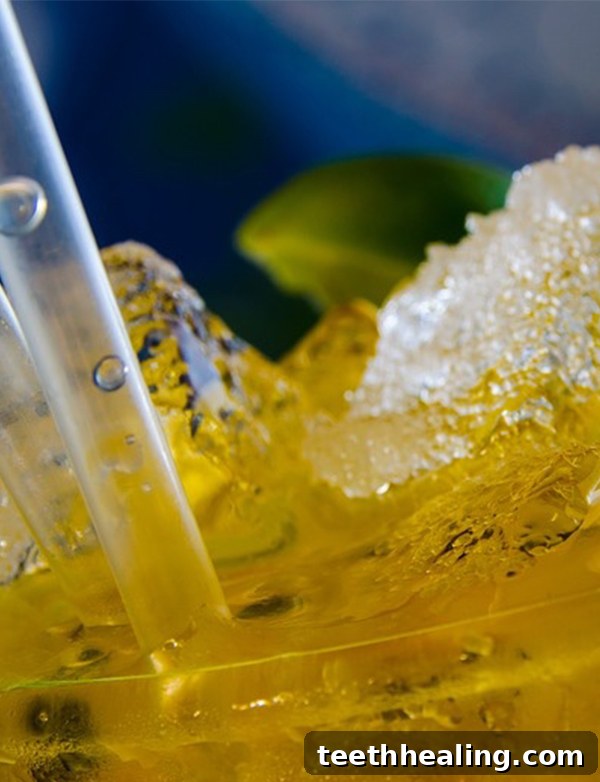
The acidic nature of many alcoholic beverages further compounds this issue. Drinks such as wine, beer, and especially cocktails mixed with sodas or fruit juices, have low pH levels that can severely erode tooth enamel. Enamel, the hard outer layer of your teeth, is designed to protect against decay. However, repeated exposure to acids softens and wears down this protective layer, making teeth more susceptible to cavities. This erosion can lead to increased tooth sensitivity to hot and cold temperatures, noticeable discoloration, and a heightened vulnerability to further damage and decay.
Beyond chemical damage, alcohol abuse and binge drinking are tragically responsible for a substantial number of physical injuries, particularly among younger demographics. Impaired judgment, reduced coordination, and slowed reaction times significantly increase the likelihood of accidents. These can range from minor incidents like chipped teeth and fractured enamel from falls or impacts, to severe facial trauma involving jaw fractures, extensive soft tissue lacerations, and even the loss of teeth. Such injuries not only cause immediate pain and disfigurement but often require extensive and costly emergency dental and medical interventions, with long-term consequences for oral function and aesthetics.
While the focus often remains on the liver, it is imperative to recognize that alcohol is a systemic toxin capable of damaging nearly every organ system in the body when consumed excessively. This pervasive toxicity extends to the oral cavity, often manifesting in less obvious but equally detrimental ways. One of the critical yet often undiscussed problems stemming from consistent alcohol abuse is the development and progression of gum disease, a condition that can lead to irreversible damage and tooth loss.
Alcohol Abuse: A Direct Pathway to Gum Disease
The link between alcohol abuse and gum disease is multifaceted, involving a combination of direct tissue irritation, compromised immune function, neglected oral hygiene, and nutritional deficiencies. Each factor synergistically contributes to creating an environment where periodontal disease can flourish.
- Direct Irritation to Gum Tissue: Alcohol, particularly in its concentrated forms, can directly irritate the delicate tissues of the gums and oral mucosa. This irritation leads to inflammation, making the gums more sensitive, prone to bleeding, and less resilient to bacterial assault. Chronic inflammation is the hallmark of gingivitis, the initial stage of gum disease.
- Reduced Immune Response: Alcohol significantly impairs the body’s immune system, diminishing its ability to effectively fight off infections. In the mouth, this means that the bacteria responsible for plaque formation and gum disease can proliferate unchecked. A weakened immune system struggles to mount an adequate defense, allowing gingivitis to quickly progress to more severe forms of periodontitis, which involves bone loss around the teeth.
- Poor Dental Hygiene Habits: Individuals struggling with alcohol abuse often neglect their general well-being, including essential self-care practices like oral hygiene. Regular brushing and flossing become inconsistent or entirely abandoned, leading to a massive buildup of plaque and tartar. This accumulation of bacteria-laden deposits is the primary cause of gum inflammation and subsequent gum disease.
- Nutritional Deficiencies: Chronic alcohol consumption often correlates with poor dietary habits. Alcoholics tend to eat poorly, leading to significant deficiencies in essential vitamins and minerals crucial for overall health, including oral tissues. Nutrients like Vitamin C, Vitamin D, calcium, and B vitamins are vital for maintaining healthy gums, strong teeth, and robust immune function. Their absence compromises the mouth’s ability to repair itself and resist infection.
- Exacerbated Immune System Ineffectiveness: These nutritional deficiencies further exacerbate the already weakened immune system. A body deprived of necessary nutrients cannot effectively repair damaged tissues, produce protective antibodies, or manage inflammation. This creates a vicious cycle where poor nutrition, coupled with immune suppression, drastically increases the likelihood of developing and worsening gum disease, making it harder to treat and control.
The Problem with Alcohol: A Systemic Toxin with Oral Consequences
Understanding alcohol as a systemic toxin reveals its pervasive impact beyond the mouth. Its detrimental effects ripple through various bodily systems, each having an indirect yet significant bearing on oral health. Recognizing these broader implications underscores why alcohol is fundamentally incompatible with a truly healthy lifestyle.
- Impaired Liver Function: The liver is the body’s primary detoxifier. Alcohol overloads this vital organ, leading to inflammation, fatty liver disease, and ultimately cirrhosis. A compromised liver affects countless bodily processes, including nutrient metabolism and toxin clearance, both of which are critical for maintaining healthy oral tissues and fighting oral infections.
- Impaired Immune Function: As highlighted, alcohol directly suppresses the immune system. This not only increases susceptibility to gum disease but also impairs the body’s ability to heal oral wounds, resist oral infections, and even recover from dental procedures.
- Depletion of Essential Nutrients: Alcohol metabolization and its diuretic effect rapidly deplete the body of many vital nutrients. These include B vitamins (essential for cell regeneration and nerve function), folic acid (crucial for cell growth and DNA repair), vitamins C (a potent antioxidant and collagen builder, vital for gum health) and K (important for blood clotting), and minerals like zinc (immune support, wound healing), magnesium (bone health, muscle function), potassium (fluid balance), and iron (oxygen transport). Deficiencies in these nutrients directly compromise oral tissue integrity and resilience.
- Reduced Absorption of Fat-Soluble Vitamins: Alcohol lessens the liver’s ability to process fats, which in turn reduces the absorption of fat-soluble vitamins such as Vitamins A and D. Vitamin A is crucial for healthy mucous membranes, including those in the mouth, and Vitamin D is essential for calcium absorption, bone density, and overall immune function, directly impacting jawbone health and susceptibility to periodontal disease.
- Liver Toxicity and Disease: Chronic alcohol consumption leads to severe liver toxicity and diseases like alcoholic hepatitis and cirrhosis. These conditions cause systemic inflammation and impair overall health, reflecting negatively on oral health through weakened immunity and poor nutritional status.
- Changes in Blood Sugar Levels and Increased Diabetes Risk: Alcohol can interfere with blood sugar regulation, increasing the risk for type 2 diabetes. Diabetes is a major risk factor for periodontitis, with a bidirectional relationship where poorly controlled diabetes exacerbates gum disease, and severe gum disease can make blood sugar control more difficult.
- Pro-Inflammatory Effects: Alcohol is inherently pro-inflammatory. It triggers systemic inflammatory responses throughout the body. This chronic inflammation contributes to various diseases, and in the oral cavity, it actively promotes and worsens inflammatory conditions like gingivitis and periodontitis.
- Depletion of Important Antioxidants: Alcohol significantly depletes your body’s reserves of important antioxidants like glutathione. Glutathione is a master antioxidant that protects cells from oxidative stress and damage caused by free radicals. Its depletion leaves oral tissues more vulnerable to cellular damage and inflammation, accelerating aging and disease processes.
The consumption of alcohol is unequivocally linked to an increased risk of developing a long list of severe health conditions, extending far beyond the liver. These include various cancers such as breast cancer and, critically for our discussion, a heightened risk of oral cancers. Furthermore, alcohol contributes to heart disease, strokes, and the aforementioned cirrhosis of the liver. Emerging research also consistently demonstrates that high alcohol intake can profoundly damage mental health, impair cognitive functions like memory skills, and reduce fertility in both men and women.
It is a dangerous misconception to be lulled into a false sense of security by the notion of “occasional” consumption, such as a single beer or a glass of wine. To put it plainly, alcohol is a toxin, and your liver is compelled to work excessively hard to process and eliminate it from your system every single time you have a drink, regardless of the quantity. Even in seemingly small amounts, alcohol exerts a demonstrable impact on your body’s ability to absorb vital nutrients, hindering essential physiological processes necessary for maintaining health.
The mechanisms by which alcohol impedes nutrient absorption are several-fold:
- Damage to Stomach Cells: Alcohol directly damages the cells lining the stomach. This irritation leads to an increase in acid production while simultaneously decreasing the stomach’s crucial ability to absorb nutrients from digested food.
- Depletion for Metabolism: For the liver to effectively break down and metabolize alcohol, it requires and consumes significant stores of essential vitamins and minerals. These vital cofactors are diverted from their normal functions, leading to systemic depletion.
- Diuretic Effects: The diuretic properties of alcohol result in increased urine production, which flushes out water-soluble vitamins and important minerals such as zinc, magnesium, and potassium, further contributing to deficiencies.
- Inhibition of Digestive Enzymes: Alcohol interferes with the production and function of digestive enzymes necessary for the proper breakdown of food and the subsequent absorption of nutrients in the small intestine. This means that even if you consume a nutrient-rich diet, alcohol can prevent your body from utilizing those nutrients effectively.
While some historical narratives or outdated studies might have reported perceived health benefits from alcohol, particularly regarding cardiovascular health, modern scientific consensus increasingly challenges this view. From a holistic health perspective, it is evident that alcohol consumption imposes an immense and unnecessary workload and stress on your body, especially on your liver. Given its consistent depletion of essential vitamins and minerals, its pro-inflammatory nature, and its documented role in increasing the risk for various cancers, it is difficult to reconcile regular alcohol consumption with the principles of a truly healthy lifestyle. Prioritizing long-term health and well-being necessitates a critical re-evaluation of alcohol’s role in our daily lives.