
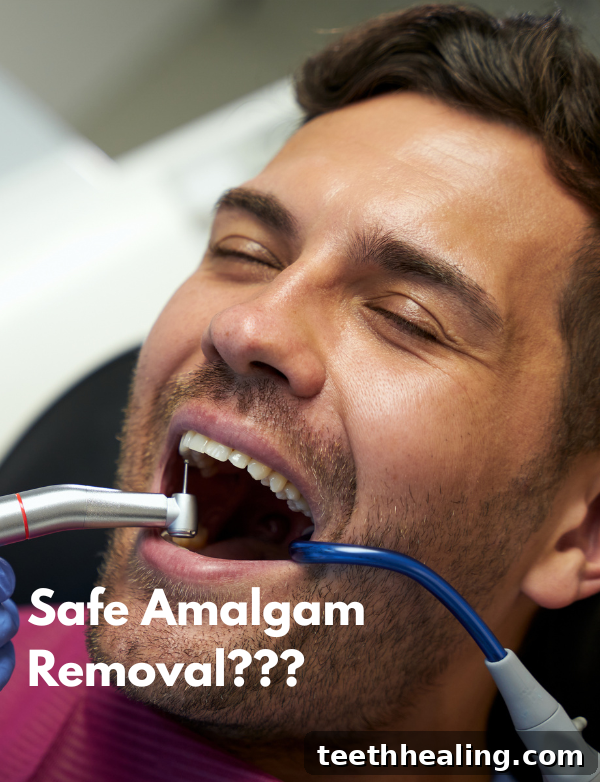
Understanding Safe Amalgam Removal: Your Comprehensive Guide to Mercury-Free Dentistry
One of the most frequent and critical questions patients ask their dentists is: “Is it truly safe to remove amalgam fillings?” This concern is entirely valid, given that traditional amalgam fillings contain mercury, a substance known to be toxic. The answer, however, isn’t a simple yes or no; it depends significantly on the techniques and protocols employed during the removal procedure. This comprehensive guide aims to demystify safe amalgam removal, outlining what “safety” entails in this specialized dental context, and what you should consider before making an informed decision about your dental health.
For decades, amalgam fillings have been a staple in restorative dentistry due to their durability and affordability. However, increasing awareness regarding mercury’s potential health implications has led many patients to seek alternatives and consider the removal of their existing amalgam restorations. While dental amalgam is deemed safe by many regulatory bodies once placed, the process of its removal can potentially expose both the patient and the dental team to mercury vapor and fine particles. Therefore, understanding the nuances of safe removal is paramount for protecting health and ensuring peace of mind.
Why the Concern? Decoding Mercury in Amalgam Fillings
The core of the concern surrounding amalgam fillings lies in their composition. Dental amalgam is an alloy primarily consisting of mercury (about 50%), silver, tin, and copper. While proponents argue that the mercury is bound within the alloy, making it inert, scientific research indicates that small amounts of mercury vapor can be released from amalgam fillings, particularly during activities like chewing, brushing, and teeth grinding. The risk of mercury exposure is heightened during the actual removal of these fillings, as the drilling process generates friction, heat, and releases microscopic particles and vapor.
Mercury is a potent neurotoxin, and exposure, even at low levels, can have various health implications, though the extent of these effects from dental amalgam is a subject of ongoing debate. However, for patients and practitioners committed to minimizing any potential risks, adopting rigorous safety protocols is not just a preference, but a necessity. This is precisely why the choice of technique and adherence to stringent safety protocols play an absolutely critical role in ensuring a safe environment for everyone involved.
Defining “Safe”: The Principles of Mercury-Safe Amalgam Removal
True “safe amalgam removal” is an advanced dental procedure specifically designed to drastically reduce exposure to mercury during the removal process. This involves a multi-faceted approach, often guided by internationally recognized standards such as the Safe Mercury Amalgam Removal Technique (SMART) protocol developed by the International Academy of Oral Medicine and Toxicology (IAOMT). The philosophy behind these protocols is simple yet profound: minimize exposure through comprehensive mitigation strategies.
The cornerstone of safe amalgam removal focuses on significantly reducing the amount of mercury vapor and particulate matter released and inhaled by both the patient and the dental team. This is achieved through a combination of:
- Physical barriers: To isolate the operative field and prevent mercury absorption.
- Advanced air management systems: To capture and filter airborne mercury vapor and particles.
- Controlled removal techniques: Methods designed to reduce heat generation and minimize fragmentation of the filling.
- Protective measures: For both the patient and dental staff, ensuring their well-being throughout the procedure.
These sophisticated measures are meticulously designed to limit the amount of mercury material released into the immediate environment, thereby ensuring the highest possible level of safety. If you’d like to better understand the meticulous steps involved in how amalgam removal is carried out, we explain the process in more detail here.
Key Safety Measures Employed During Amalgam Removal
A dental practice committed to safe amalgam removal will employ a series of specific, well-defined protocols. These measures go beyond standard dental procedures and are integral to minimizing mercury exposure:
1. Isolation with a Dental Dam (Rubber Dam)
A critical first step is the precise placement of a rubber dam. This thin sheet of latex or non-latex material is used to isolate the tooth or teeth being treated, creating a physical barrier between the amalgam filling and the rest of the patient’s mouth. The rubber dam effectively prevents mercury particles and larger pieces of amalgam from being swallowed or coming into contact with oral tissues, thereby greatly reducing systemic absorption.
2. Advanced Air Filtration Systems
Specialized air filtration systems are indispensable for managing airborne particles and mercury vapor. These systems often include medical-grade air purifiers equipped with HEPA filters to capture fine particulate matter and activated charcoal filters to absorb mercury vapor. Beyond general room air filtration, many practices utilize high-volume air vacuums positioned near the patient’s mouth to capture mercury vapor directly at the source, preventing it from circulating in the operatory.
3. High-Volume Suction (HVE)
In addition to air filtration, robust high-volume evacuation (HVE) is crucial. A specialized suction tip, typically wide-bore and positioned very close to the filling during removal, is used to continuously remove debris, water spray, and aerosols. This powerful suction efficiently captures amalgam particles and mercury vapor as they are generated, significantly reducing patient and staff exposure.
4. Sectioning the Filling
Rather than grinding down the entire filling, which generates excessive heat and mercury vapor, the technique of sectioning the filling is preferred. The dentist carefully cuts the amalgam filling into smaller chunks using a small-diameter carbide bur. This allows for easier, less abrasive removal of pieces, minimizing the amount of friction, heat, and consequently, mercury vapor released. This method is much gentler on the tooth structure and reduces the risk of mercury inhalation.
5. Alternative Air Source for the Patient
During the procedure, patients are often provided with an external source of clean, oxygen-rich air through a nasal mask. This ensures they are breathing filtered air, further protecting them from inhaling any residual mercury vapor that might be present in the dental operatory.
6. Protective Gear for All Involved
The safety protocols extend to comprehensive personal protective equipment (PPE) for both the patient and the dental team. Patients are typically covered with a protective barrier (like a non-latex patient drape) and provided with protective eyewear. The dental team wears non-latex nitrile gloves (mercury can pass through latex), protective gowns, eye protection, and often specialized respirators or masks designed to filter mercury vapor.
7. Copious Water Spray
To keep the tooth cool and reduce heat generation during drilling, a constant flow of water spray is used. This not only prevents thermal damage to the tooth but also helps to contain and wash away mercury particles, which are then immediately removed by the high-volume suction.
Is It Always Safer to Leave Amalgam Fillings Alone?
This is a common dilemma for many patients. In numerous instances, especially when amalgam fillings are intact, functional, and show no signs of compromise, there may be no immediate need for their removal. Many dental professionals believe that undisturbed amalgam fillings pose a minimal risk compared to the potential risks associated with an unsafe removal procedure.
However, removal of amalgam fillings may be strongly recommended or even necessary under certain circumstances:
- The filling is cracked, fractured, or physically damaged: Compromised fillings can allow bacteria to seep underneath, leading to new decay or structural weakness in the tooth.
- Recurrent decay is present beneath the filling: When decay develops around or under an existing filling, the restoration must be removed to treat the underlying caries.
- The restoration is failing or has poor marginal integrity: Amalgam fillings can wear down, chip, or lose their tight seal over time, leading to sensitivity, food impaction, and an increased risk of further tooth decay.
- The tooth experiences sensitivity or pain: While not always directly related to the filling itself, a failing filling can contribute to tooth sensitivity.
- Aesthetic concerns: Many patients simply prefer tooth-colored restorations for a more natural and appealing smile.
- Electrochemical (Galvanic) reactions: In rare cases, the presence of dissimilar metals in the mouth (e.g., amalgam next to a gold crown) can create a galvanic current, potentially causing a metallic taste, sensitivity, or mild discomfort.
- Patient preference or health concerns: Even without immediate functional issues, some patients choose removal due to personal health philosophies, perceived sensitivities, or a desire to be mercury-free.
A thorough dental examination, including X-rays, is crucial to determine the status of your existing fillings and whether removal is truly indicated.
An Important Note About Amalgam Removal and Overall Health
It is vital to approach the topic of amalgam removal with a balanced and informed perspective. While mercury-safe protocols are designed to minimize exposure during the procedure, it is important to understand that:
- There is no universal scientific agreement that removing amalgam fillings definitively improves overall health for all individuals. Major dental and medical organizations worldwide hold differing views on the broader systemic health implications of existing amalgam fillings.
- Outcomes vary significantly between individuals. Some patients report improvements in various health conditions after amalgam removal, while others experience no noticeable change. These perceived improvements are often anecdotal and difficult to attribute solely to filling removal without comprehensive medical evaluation.
- Treatment decisions should always be made on a case-by-case basis. A detailed discussion with your dentist, taking into account your specific dental health, medical history, and personal concerns, is absolutely essential. Blindly removing all amalgam fillings without a clear indication or proper safety protocols is not advisable.
The decision to remove amalgam fillings should be a collaborative one between you and your dental professional, based on sound clinical judgment and your individual health goals.
Weighing the Risks Versus Benefits of Amalgam Removal
Like any medical or dental procedure, amalgam removal involves a careful consideration of potential benefits against inherent risks and practical considerations.
Potential Benefits of Amalgam Removal
- Improved Appearance and Aesthetics: This is one of the most immediate and tangible benefits. Replacing dark, metallic amalgam fillings with tooth-colored composite resin, porcelain, or ceramic restorations can dramatically enhance the natural beauty of your smile and boost self-confidence.
- Replacement of Worn or Damaged Fillings: If your amalgam fillings are old, cracked, or failing, their removal and replacement with new, durable materials can restore the structural integrity of the tooth, prevent further decay, and alleviate sensitivity or pain. This is a functional benefit that extends the life of the tooth.
- Use of Updated and Biocompatible Materials: Modern dental materials, such as BPA-free composite resins or high-quality ceramics, are often considered more biocompatible and offer superior bonding to tooth structure, potentially leading to stronger, longer-lasting restorations. Patients concerned about metal exposure appreciate these alternative materials.
- Peace of Mind for Health-Conscious Individuals: For patients with concerns about mercury exposure, even if sub-clinical, replacing amalgam fillings can offer significant psychological comfort and peace of mind.
Important Considerations and Potential Drawbacks
- Cost of Replacement: Safe amalgam removal procedures and subsequent tooth-colored restorations (composite, porcelain, or ceramic inlays/onlays) can be more expensive than traditional amalgam placement due to the specialized techniques, materials, and extended chair time required.
- Procedure Time: The meticulous safety protocols involved in mercury-safe amalgam removal mean that appointments may be longer and more complex than standard filling replacements. This requires patience and commitment from the patient.
- Individual Dental Condition and Tooth Sensitivity: Removing an existing filling, especially a large one, can sometimes lead to temporary tooth sensitivity after the procedure. In some cases, if the filling was very deep, there’s a small risk of nerve irritation or the need for more extensive treatment like a root canal, although this is rare with careful technique.
- Risk of Exposure (if protocols are NOT followed): It is crucial to reiterate that if proper safety measures are not strictly adhered to, the removal process itself can increase mercury exposure for both the patient and the dental team. This underscores the importance of choosing a dentist who is trained and equipped for mercury-safe removal.
Who Might Consider Amalgam Removal?
While the decision is highly personal, certain groups of patients often find themselves exploring the option of amalgam removal:
- Patients with Failing or Compromised Restorations: Individuals whose amalgam fillings are visibly cracked, showing signs of leakage, have recurrent decay, or are causing sensitivity are prime candidates for removal and replacement to protect their oral health.
- Those Seeking Cosmetic Improvements: Many people desire a seamless, metal-free smile. Replacing dark amalgam fillings with natural-looking composite or porcelain restorations can significantly enhance overall facial aesthetics and boost self-esteem.
- Patients Preferring Alternative, Mercury-Free Materials: With growing awareness about material biocompatibility, some patients actively seek dental practices that offer mercury-free options. They wish to align their dental care with a holistic health approach and avoid any materials they perceive as potentially harmful.
- Individuals with Specific Health Concerns: Although direct causal links are still debated, patients with chronic health conditions, autoimmune disorders, or those who report sensitivities to metals may opt for amalgam removal in consultation with their healthcare providers.
- People Seeking a “Mercury-Safe” Dental Practice: Driven by personal research or recommendations, some individuals specifically seek dentists who adhere to SMART protocols and prioritize minimizing environmental impact and patient exposure during dental procedures.
Essential Questions to Ask Your Dentist About Amalgam Removal
Before committing to amalgam removal, arm yourself with knowledge. Engaging in an open and detailed discussion with your dentist is crucial. Here are some key questions to consider asking:
- Do I truly need this specific filling replaced, or is it merely optional? Ask for a clear diagnosis, explaining why the filling needs attention (e.g., decay, crack, cosmetic concern) versus simply being an old amalgam.
- What are the specific risks and benefits tailored to my individual situation? Discuss how the procedure might affect your particular tooth, potential sensitivity, and expected outcomes based on your dental history.
- What alternative materials will be used for the replacement, and what are their pros and cons? Inquire about composite resin, ceramic inlays/onlays, or other options, their longevity, aesthetics, and cost.
- Do you follow specific mercury-safe protocols, such as the IAOMT’s SMART protocols? This is a critical question to ascertain the practice’s commitment to patient safety during removal. Ask for details on the measures they employ.
- What is your experience and training in safe amalgam removal techniques? Understanding the dentist’s background and experience can provide reassurance regarding their expertise.
- What can I expect during and after the procedure, including any potential post-operative sensitivity or dietary restrictions? Be prepared for the recovery process and any temporary changes needed.
- What is the total cost involved, and are there different pricing tiers for various restorative materials? Get a clear understanding of the financial commitment before proceeding.
Safe Amalgam Removal – Is It Really Safe? Our Concluding Thoughts
In conclusion, the answer to “Is safe amalgam removal really safe?” is a resounding yes, when appropriate, scientifically-backed protocols are meticulously followed. Advanced techniques and specialized equipment significantly mitigate the risks associated with mercury exposure during the procedure. However, it is equally important to remember that not all amalgam fillings require removal. Many old, intact fillings can continue to serve their purpose without issue for many years.
The decision to remove amalgam fillings should always be a thoughtful and collaborative process. A professional assessment by a qualified and mercury-safe dentist is absolutely essential to determine the best approach for your unique dental and health situation. They can provide clarity, discuss the latest evidence, and guide you toward an informed decision that prioritizes your overall well-being and long-term oral health.
Your Trusted Brisbane Holistic Dentist for Safe Amalgam Removal
If you’re unsure whether your amalgam fillings need replacing, have questions about mercury-safe dentistry, or are simply seeking a comprehensive dental health assessment, a consultation can provide invaluable clarity and personalized advice. Our practice is committed to utilizing the highest standards of mercury-safe protocols, ensuring your safety and comfort throughout the entire process.
Take the first step towards a healthier, mercury-free smile. Schedule your consultation today:
BOOK ONLINE HERE or Call 3720 1811