Achieving Optimal Oral Hygiene for a Lifetime of Dental Health
Good oral hygiene is not merely about having a bright smile; it’s the cornerstone of overall health and well-being. A truly healthy mouth reflects a commitment to daily care that extends far beyond aesthetics. It’s about preserving the integrity of your teeth and gums, preventing disease, and ensuring a comfortable, functional bite for years to come. Neglecting fundamental oral care can lead to a cascade of problems that affect not just your mouth, but potentially your entire body.
At its core, diligent oral hygiene involves a consistent routine of brushing, flossing, and regular dental check-ups. These practices work synergistically to keep your teeth clean, free from harmful stains, plaque, and tartar buildup. They are essential for maintaining healthy gums, significantly reducing your risk for common dental issues such as tooth decay, cavities, and various forms of gum disease. Embracing a proactive approach to your dental health is the best investment you can make in your long-term oral and systemic well-being.
Understanding the Fundamentals of Good Oral Hygiene
It’s often surprising how many individuals, despite living in an age of abundant health information, are still unaware of the most effective ways to care for their teeth and gums. Many have never been properly instructed on how to brush or floss correctly and efficiently. Simple yet crucial adjustments, such as consistently brushing carefully for a full, timed two minutes, can yield profound improvements in gum health and overall oral vitality. This dedication to technique is what separates merely “brushing” from truly “cleaning” your teeth.
The primary goal of good oral hygiene is the systematic removal of plaque – a sticky, colorless film of bacteria that constantly forms on your teeth. When food debris and bacteria are not regularly removed, they quickly accumulate. This buildup leads to staining, a feeling of “grubbiness” on your teeth, and eventually, the hardening of plaque into calculus, commonly known as tartar. Not only does this compromise the appearance of your smile, making teeth look yellow and dull, but it also creates an acidic environment ripe for dental disease and persistent bad breath. Ignoring plaque removal is akin to inviting a host of problems into your mouth, setting the stage for more serious interventions down the line.
Prevention is undeniably better than cure, or the ongoing management of an existing condition. When it comes to dental health, focusing on proactive oral hygiene is not just a recommendation, it’s an absolute necessity. Consider the irony of achieving perfectly straight, white teeth only to suffer from such severe gum disease that you eventually face tooth loss. The ultimate goal is to keep your natural teeth healthy and strong for life, avoiding the need for removable dentures or extensive dental implants due to preventable issues. Your natural teeth are designed to last a lifetime, and with proper care, they can.
Brushing and flossing are the bedrock practices if you aspire to maintain healthy gums and robust teeth. These daily habits are non-negotiable for anyone serious about safeguarding their smile and ensuring long-term oral health. They are your daily defense against the microbial threats that constantly challenge your oral cavity.
The Pillars of a Healthy Mouth: Brushing, Flossing, and Beyond
Brushing: Your Daily Dental Guardian
Effective brushing is more than just moving a toothbrush around your mouth; it’s a precise technique designed to thoroughly cleanse every tooth surface. It forms the foundation of your daily oral hygiene routine. Here are the fundamental guidelines and crucial details to ensure your brushing is truly beneficial and maximally effective:
- Brush for a Full Two Minutes: This isn’t an arbitrary number. A minimum of two minutes ensures adequate time to clean all surfaces of all your teeth, including those often-missed back molars and the chewing surfaces. Many electric toothbrushes come with built-in timers, or you can use a simple hourglass timer to ensure you’re dedicating enough time to this vital task.
- Brush Twice a Day: Make brushing a consistent routine – once after breakfast to remove food particles accumulated overnight and during your morning meal, and critically, once before bed to eliminate plaque and food debris that have built up throughout the day and prevent bacteria from feasting and multiplying overnight while you sleep.
- Utilize a Quality Fluoride Toothpaste: Choose a fluoride toothpaste. Fluoride is a natural mineral that strengthens tooth enamel, making it more resistant to acid attacks from plaque bacteria and sugars. This crucial ingredient significantly helps in preventing cavities and even aids in remineralizing early tooth decay.
- Clean All Tooth Surfaces Methodically: Pay attention to every tooth. Mentally divide your mouth into four quadrants (upper right, upper left, lower right, lower left) and spend about 30 seconds on each section. Don’t neglect the inner surfaces (facing your tongue), outer surfaces (facing your cheeks), and chewing surfaces. Special attention should be given to the very back teeth, which are often overlooked and prone to plaque accumulation.
- Gentle Gumline Care: Position your toothbrush bristles at a 45-degree angle towards the gumline. This angle allows the bristles to gently sweep away plaque from both the tooth surface and just under the gumline, where gum disease often begins. Use short, gentle, back-and-forth or circular strokes. Avoid aggressive scrubbing, which can lead to gum recession, enamel erosion, and increased tooth sensitivity.
- Brush Your Tongue: Bacteria thrive on the tongue’s rough surface, contributing significantly to bad breath (halitosis). Gently brush or scrape your tongue from back to front to remove these odor-causing bacteria and keep your breath fresh.
- Avoid Brushing Too Hard: Excessive force is counterproductive. It can cause irreversible damage such as gum recession, enamel erosion, and tooth sensitivity. A soft-bristled toothbrush is generally recommended. Let the bristles do the work, not the pressure of your hand. If your toothbrush bristles are flattening or splaying out quickly, you’re likely brushing too hard.
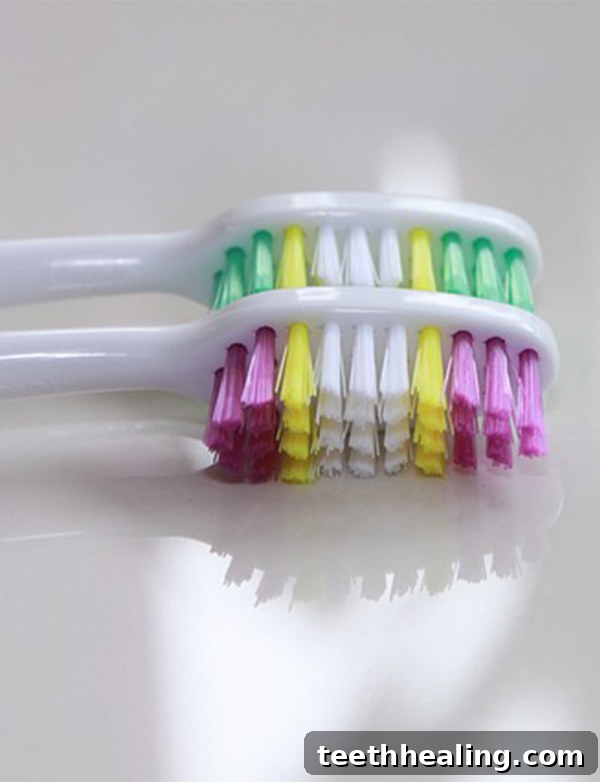
- Replace Your Toothbrush Regularly: A worn-out toothbrush is ineffective at cleaning. Change your manual toothbrush or electric toothbrush head every three months, or sooner if the bristles become frayed or splayed, or if you’ve recently been sick (to avoid reintroducing germs).
Despite these clear guidelines, statistics reveal that many people fall short. The average brushing time is often a mere 20 seconds – nowhere near sufficient to effectively remove plaque. Plaque is a persistent, sticky bacterial film that adheres firmly to tooth surfaces. It requires several gentle, deliberate strokes to dislodge it effectively from every angle. Any plaque left behind quickly begins to harden due to minerals in your saliva, transforming into calculus or tartar. Tartar is a rock-hard deposit that cannot be removed by brushing or flossing alone; it necessitates professional scaling by a dentist or dental hygienist during a routine clean.
Both plaque and tartar are primary culprits in the development of tooth decay and various forms of gum disease, including gingivitis (the early, reversible stage of gum inflammation) and the more severe periodontitis (which can lead to bone loss and tooth loss). Their presence creates an acidic environment that erodes enamel and triggers inflammatory responses in the gum tissues, weakening the support structures of your teeth.
If your goal is to significantly reduce your risk for tooth decay, various gum diseases, chronic bad breath, and other debilitating oral health issues, then consistent and regular professional dental cleans are absolutely indispensable. These appointments with our skilled dental hygienists are designed not only to remove stubborn plaque and tartar but also to provide personalized guidance, helping you maintain a brilliant, healthy smile that lasts a lifetime. Professional care complements your home routine, creating a powerful defense system for your oral health.
“We firmly believe that by empowering you with the knowledge and tools to care for your teeth and gums, you not only stand to keep your natural teeth for life but also contribute significantly to a healthier, more vibrant overall life.”
Flossing: Reaching Where Brushing Can’t
While brushing is crucial for cleaning the broad surfaces of your teeth, it simply cannot reach the tight spaces between teeth or effectively clean below the gumline. This is precisely where flossing becomes indispensable. Flossing removes plaque and trapped food particles from these inaccessible areas, preventing cavities from forming interproximally (between teeth) and halting the progression of gum disease. Neglecting to floss leaves up to 35% of your tooth surfaces uncleaned, creating fertile ground for bacterial growth.
Here’s how to floss effectively to maximize its benefits:
- Use the Right Amount: Take about 18 inches (45 cm) of dental floss. Wind most of it around the middle finger of one hand, and the rest around the middle finger of the other hand. This gives you plenty of fresh floss to work with.
- Proper Grip: Hold the floss tightly between your thumbs and forefingers, leaving about an inch or two (2.5-5 cm) of floss tautly stretched between them. This shorter length provides better control.
- Gentle Insertion: Guide the floss gently between your teeth using a careful rubbing or sawing motion. Never snap the floss forcefully into your gums, as this can cause injury, pain, and even bleeding.
- Curve and Clean: Once the floss reaches the gumline, gently curve it into a C-shape against one tooth. Carefully slide it into the space between the gum and the tooth until you feel slight resistance. Move the floss up and down several times against the side of the tooth, ensuring you scrape away plaque and food debris.
- Repeat for Each Tooth: Unwind a fresh section of floss for each tooth gap. Don’t reuse soiled floss sections as this can simply move bacteria from one area of your mouth to another. Remember to clean both sides of the tooth in each gap before moving to the next.
- Consistency is Key: Floss at least once a day, preferably before bed, to remove accumulated debris from the day and prevent plaque from hardening overnight.
Many people find flossing tedious or difficult at first, but with consistent practice, it quickly becomes a quick and essential part of your daily routine. If traditional floss is challenging due to dexterity issues, crowded teeth, or dental appliances, consider alternatives like floss picks, interdental brushes, or water flossers (oral irrigators). These tools can also be highly effective and may be easier to use for certain individuals, especially those with braces, dental bridges, or wide gaps between teeth.
Mouthwash: An Adjunct to Your Routine, Not a Substitute
Mouthwash can be a beneficial addition to your oral hygiene regimen, providing an extra layer of protection and freshness. However, it’s crucial to understand that it should never replace the mechanical cleaning of brushing and flossing. It serves as an auxiliary tool, offering several distinct benefits:
- Reduces Bad Breath (Halitosis): Cosmetic mouthwashes primarily mask bad breath, offering temporary freshness. Therapeutic mouthwashes, especially those containing antiseptic ingredients like cetylpyridinium chloride, essential oils, or chlorhexidine, can actively kill bacteria that cause halitosis, providing longer-lasting relief.
- Reduces Plaque and Gingivitis: Some therapeutic mouthwashes are formulated with ingredients specifically designed to help reduce plaque accumulation and prevent or control gingivitis (gum inflammation). These are often prescribed or recommended by dentists for individuals with specific gum health concerns.
- Strengthens Enamel: Fluoride mouthwashes provide an extra layer of protection against cavities, strengthening tooth enamel and making it more resistant to acid attacks. This can be particularly useful for individuals who are prone to decay or have a higher risk of cavities.
- Reaches Difficult Areas: While not a substitute for floss, mouthwash can rinse out loose food particles from hard-to-reach areas of the mouth, complementing your brushing and flossing efforts.
It’s important to choose the right mouthwash for your specific needs. Over-the-counter options vary greatly in their active ingredients and intended uses. Always consult your dental professional for personalized recommendations, as not all mouthwashes are created equal, and some may not be suitable for long-term daily use without supervision. For example, some antiseptic mouthwashes are only meant for short-term use post-procedure, while others are safe for daily incorporation.
The Role of Diet and Nutrition in Oral Health
What you eat and drink profoundly impacts not only your general health but also your oral health. A balanced diet not only nourishes your body but also provides the essential vitamins and minerals needed for strong teeth and healthy gums. Dietary choices can either protect your teeth or make them more vulnerable to decay and disease.
- Limit Sugary and Acidic Foods/Drinks: Sugars provide fuel for the harmful bacteria in your mouth, which then produce acids that erode tooth enamel and cause cavities. Acidic foods and beverages (like sodas, energy drinks, citrus fruits, and some sports drinks) directly attack enamel, weakening it and making it more susceptible to decay. Reducing their consumption and rinsing your mouth with water after consuming them can significantly mitigate damage.
- Choose Tooth-Friendly Foods: Opt for foods rich in calcium (dairy products, leafy greens like spinach and kale), phosphorus (meat, fish, eggs, nuts), and Vitamin C (berries, broccoli, bell peppers). These nutrients are vital for maintaining strong bones (including jawbones) and healthy gum tissue. Crunchy fruits and vegetables (like apples, carrots, and celery) also act as natural toothbrushes, helping to clean your teeth by stimulating saliva flow, which neutralizes acids and washes away food particles.
- Stay Hydrated with Water: Water is your mouth’s best friend. Drinking plenty of water, especially fluoridated water, helps wash away food particles, keeps your mouth moist, and prevents dry mouth. Dry mouth, caused by reduced saliva flow, is a condition that significantly increases the risk of tooth decay, gum disease, and bad breath, as saliva plays a crucial role in buffering acids and washing away bacteria.
- Avoid Constant Snacking: Frequent snacking, especially on sugary or starchy foods, means your teeth are exposed to acids more often. This doesn’t give your saliva enough time to neutralize the acids and repair the enamel. If you must snack, choose healthier options like cheese, nuts, or fresh vegetables.
Making conscious dietary choices is a simple yet powerful way to support your oral hygiene efforts, strengthen your teeth, and promote overall dental wellness. Your diet is a silent partner in your fight against oral diseases.
The Indispensable Value of Regular Dental Check-ups
Even with the most meticulous home care, professional dental check-ups and cleanings are non-negotiable components of optimal oral hygiene. These visits typically occur every six months, or more frequently if recommended by your dentist, and serve several critical purposes that home care alone cannot achieve:
- Professional Cleaning (Scaling and Polishing): Dental hygienists are trained to meticulously remove stubborn plaque and tartar buildup from tooth surfaces, including areas that even the most diligent brushing and flossing might miss, or where calculus has firmly adhered. This scaling process is vital for preventing gum disease and cavities, as tartar cannot be removed by regular brushing. Following scaling, teeth are polished to remove surface stains and make surfaces smoother, hindering plaque reattachment.
- Comprehensive Examination: Your dentist will perform a thorough examination of your teeth, gums, and entire mouth. They look for early signs of cavities, gum disease, oral cancer, temporomandibular joint (TMJ) disorders, and other potential issues. Early detection means simpler, less invasive, and often less costly treatment, preventing minor issues from escalating into major problems.
- X-Rays: Periodical dental X-rays provide an invaluable view of what’s happening beneath the surface, revealing issues like impacted wisdom teeth, bone loss due to periodontal disease, or interproximal cavities that aren’t visible during a visual exam. They are a critical diagnostic tool.
- Personalized Advice and Education: Your dental team can provide tailored advice on proper brushing techniques, effective flossing methods, dietary recommendations specific to your needs, and appropriate product choices (e.g., specific toothpastes, mouthwashes, or interdental cleaners) based on your individual oral health profile. This education empowers you to improve your daily care.
- Screening for Oral Cancer: Dentists are often the first healthcare providers to spot early signs of oral cancer or other serious oral conditions. Regular check-ups include a visual and tactile examination of your tongue, cheeks, palate, and throat for any suspicious lesions or changes.
These routine appointments are not just for fixing problems; they are fundamentally about prevention, early intervention, and ongoing education, empowering you to maintain peak oral health throughout your life. They are a partnership between you and your dental care providers to safeguard your smile.
The Profound Connection: Oral Health and Overall Systemic Well-being
The health of your mouth is intrinsically linked to the health of your entire body. This connection, often referred to as the “oral-systemic link,” highlights that oral hygiene impacts far more than just your teeth and gums. Poor oral health can be a gateway to various systemic diseases, while certain systemic conditions can manifest symptoms in the mouth. Understanding this link underscores the importance of diligent oral care as a component of holistic health management.
- Heart Disease: Research strongly suggests that the bacteria responsible for periodontitis (advanced gum disease) can enter the bloodstream through inflamed and bleeding gums. Once in the bloodstream, these bacteria are believed to contribute to arterial plaque buildup, a key factor in atherosclerosis, thereby increasing the risk of heart attacks and strokes.
- Diabetes: There’s a well-established bidirectional relationship between diabetes and gum disease. Individuals with uncontrolled diabetes are more susceptible to severe gum disease due to impaired immune response and poorer healing. Conversely, severe gum disease can worsen blood sugar control in diabetics, making it harder to manage their condition.
- Respiratory Infections: Bacteria from oral infections can be inhaled into the lungs, particularly in older adults, individuals with chronic lung conditions, or those with weakened immune systems. This can potentially lead to respiratory conditions such as pneumonia, bronchitis, and chronic obstructive pulmonary disease (COPD) exacerbations.
- Pregnancy Complications: Studies suggest a link between gum disease in pregnant women and adverse pregnancy outcomes, including preterm birth and low birth weight babies. The inflammatory response associated with periodontal disease is thought to play a role.
- Other Systemic Conditions: Oral infections and inflammation have also been linked to a range of other systemic conditions, including rheumatoid arthritis (where inflammation is a key factor), osteoporosis (which can affect jawbone density), and even certain types of cancer, particularly head and neck cancers. Furthermore, research continues to explore potential links to cognitive decline and Alzheimer’s disease.
Maintaining excellent oral hygiene isn’t just about preventing cavities or keeping a bright smile; it’s a vital component of a holistic approach to your overall health, influencing your quality of life, longevity, and susceptibility to chronic diseases. Prioritizing your oral health is a proactive and powerful step towards safeguarding your entire body and ensuring a healthier future.
Conclusion: Your Lifelong Commitment to a Healthy Smile and a Healthy Life
Achieving and maintaining optimal oral hygiene is an ongoing journey, not a static destination. It requires consistent daily effort, the right knowledge, and regular professional support. By embracing a comprehensive oral care routine that includes thorough and effective brushing, diligent flossing, mindful dietary choices, and periodic visits to your dentist and hygienist, you are making a profound investment in a future of healthy teeth, strong gums, and vibrant overall health.
Remember, your smile is a powerful reflection of your inner health, confidence, and vitality. Nurture it, protect it with unwavering dedication, and let it shine brightly through every stage of your life. The myriad benefits of a healthy mouth – from fresh breath and comfortable eating to a significantly reduced risk of serious systemic diseases – are truly immeasurable and contribute fundamentally to a higher quality of life. Make oral hygiene a priority, and your entire body will thank you.