Are you navigating the challenges of missing teeth and searching for a transformative solution? Understanding your options is the first crucial step towards restoring your smile and enhancing your overall quality of life. Dental implants stand out as a highly effective and increasingly popular choice, offering a durable and aesthetically pleasing answer to tooth loss. Far beyond just filling a gap, these advanced restorative solutions can significantly impact your oral health, confidence, and ability to enjoy life without limitations. In this comprehensive guide, we will delve deep into the world of dental implants, providing you with all the essential information needed to make an informed decision and embark on your journey to a fully restored smile. Let’s explore the incredible potential of modern implant dentistry!
Understanding the Foundation: What Exactly is a Dental Implant?
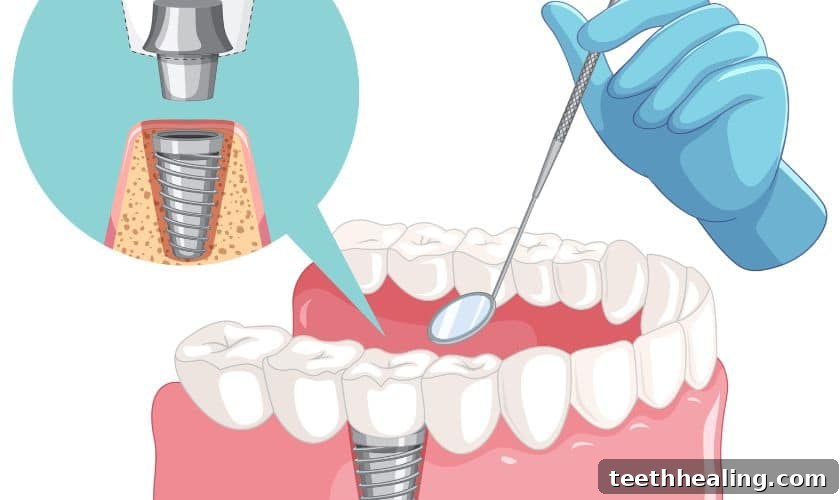
A dental implant is a sophisticated restorative device meticulously designed to replace the root of a missing tooth. Unlike conventional bridges or dentures, which rest on the gums or rely on adjacent teeth for support, a dental implant provides a robust, independent foundation within your jawbone. It typically consists of a small, biocompatible titanium post that is surgically placed into the jawbone beneath the gum line. This titanium post serves as an artificial tooth root, creating a stable anchor for the replacement tooth.
Once the implant has successfully integrated with the surrounding jawbone – a remarkable biological process known as osseointegration – a small connector piece, called an abutment, is securely attached to the top of the implant. This abutment protrudes slightly above the gum line, acting as the interface between the implant and the final prosthetic. Finally, a custom-crafted dental crown, bridge, or denture is affixed to the abutment, designed to seamlessly mimic the appearance, feel, and function of your natural teeth. The result is a restoration that is virtually indistinguishable from your original dentition, offering both exceptional aesthetics and unparalleled functional stability.
The Science Behind the Smile: How Does a Dental Implant Work?
The efficacy of dental implants lies in their unique design and the biological process of osseointegration. A dental implant, essentially an artificial tooth root, is a small, screw-shaped titanium post meticulously inserted into the jawbone. Titanium is chosen for its remarkable biocompatibility, meaning it is readily accepted by the human body and promotes direct structural and functional connection with bone.
Following the surgical placement of the implant, a critical healing period begins, typically lasting several months. During this time, the titanium post gradually fuses with the surrounding bone tissue, forming an incredibly strong and stable bond. This process, known as osseointegration, is what gives dental implants their exceptional strength and durability, making them a superior option for long-term tooth replacement. Once osseointegration is complete, the implant is ready to support a dental crown, a multi-tooth bridge, or even a full denture, providing a foundation that can withstand the forces of chewing and speaking just like natural teeth.
The dental implant procedure is commonly performed by a skilled oral surgeon, periodontist, or prosthodontist. The process typically involves several stages: initially, the surgeon will make a small incision in the gum tissue to gently expose the underlying jawbone. A precise hole is then carefully drilled into the bone, into which the titanium implant is meticulously inserted. After securing the implant, the incision is closed with sutures. Post-surgery, patients are given detailed aftercare instructions to ensure proper healing. The subsequent months are dedicated to osseointegration. Once the implant has fully integrated with the bone, you will return to have your custom-fabricated restoration (dental crown, bridge, or denture) precisely placed on top of the implant, completing your journey to a restored smile.
Beyond Aesthetics: The Profound Benefits of Dental Implants
Dental implants offer a multitude of advantages that extend far beyond simply replacing a missing tooth. Their unique design and integration with the body provide long-term solutions that significantly enhance both oral health and overall quality of life. These benefits make them a leading choice for individuals seeking permanent tooth replacement:
- Unmatched Durability and Longevity: Unlike other restorative options that may require replacement every 5-10 years, dental implants are designed to be a permanent solution. With proper care and oral hygiene, implants can last for decades, often a lifetime, representing a valuable long-term investment in your health and comfort.
- Natural Look and Feel: Implants are meticulously crafted to blend seamlessly with your existing teeth, matching their color, shape, and size. Because they are anchored directly into your jawbone, they feel incredibly stable and natural, allowing you to eat, speak, and smile with complete confidence without the worry of slippage or discomfort.
- Restored Chewing Function: Missing teeth can severely limit your diet, forcing you to avoid many favorite foods. Dental implants restore nearly the full chewing power of natural teeth, enabling you to enjoy a wide variety of foods, from crisp apples to juicy steaks, without pain or restriction.
- Preservation of Jawbone and Facial Structure: One of the most significant benefits of dental implants is their ability to prevent bone loss in the jaw. When a tooth is lost, the jawbone beneath it no longer receives stimulation and begins to resorb, or deteriorate. Implants stimulate the jawbone just like natural tooth roots, halting this process and helping to maintain the integrity of your facial structure, preventing the “sunk-in” appearance often associated with extensive tooth loss. Preventing bone loss is crucial for long-term oral health and aesthetics.
- Improved Oral Health: Unlike traditional bridges that often require grinding down adjacent healthy teeth for support, implants stand alone. This means surrounding natural teeth are left untouched, preserving their health and strength. Furthermore, implants are easier to clean than bridges, reducing the risk of decay and gum disease around adjacent teeth.
- Enhanced Comfort and Convenience: With dental implants, there’s no need for messy adhesives, inconvenient removal for cleaning, or uncomfortable slipping often associated with dentures. They become a natural part of your mouth, requiring the same brushing and flossing routine as your natural teeth.
- Boosted Self-Confidence: A complete and beautiful smile can dramatically improve self-esteem and social interactions. Implants eliminate the self-consciousness associated with gaps in your smile or unstable dentures, empowering you to laugh, talk, and smile freely.
Considering the Downsides: Are There Any Risks Associated with Dental Implants?
While dental implants boast an impressive success rate of over 95%, like any surgical procedure, they do carry potential risks and complications. It is crucial for patients to be fully informed about these possibilities, although most risks are rare and manageable, especially when treated by an experienced dental professional. Common risks include:
- Infection at the Implant Site: Although uncommon with proper sterile techniques and post-operative care, bacterial infection can occur around the implant. This can usually be treated with antibiotics or, in severe cases, may require removal of the implant.
- Damage to Surrounding Structures: During placement, there is a minor risk of damaging adjacent natural teeth, blood vessels, or the sinus cavity (especially for upper jaw implants). Detailed pre-operative imaging, such as 3D CT scans, significantly minimizes this risk.
- Nerve Damage: In rare instances, nerve damage can occur, particularly in the lower jaw, which may lead to numbness, tingling, or pain in the natural teeth, gums, lips, or chin. An experienced surgeon meticulously plans the implant placement to avoid vital anatomical structures.
- Implant Failure: Though the success rate is high, an implant can fail to integrate with the bone or may loosen over time. Factors contributing to failure can include poor bone quality, uncontrolled systemic diseases (like diabetes), smoking, or inadequate oral hygiene.
- Peri-Implantitis: This is a condition similar to gum disease that affects the tissues surrounding the implant, potentially leading to bone loss around the implant and eventual implant failure if left untreated. Good oral hygiene and regular dental check-ups are vital for prevention.
Most of these risks can be significantly minimized by choosing a qualified and experienced dental implant specialist, adhering strictly to pre and post-operative instructions, and maintaining excellent oral hygiene. A thorough initial consultation and assessment will also identify any individual risk factors.
Who is an Ideal Candidate for Dental Implants?
While dental implants are suitable for a broad range of patients, certain criteria determine ideal candidacy. A comprehensive evaluation by a dental professional is essential to determine if implants are the right choice for you. Generally, good candidates possess:
- Good General Health: Patients should be in overall good health, free from uncontrolled chronic conditions that could impair healing, such as uncontrolled diabetes or severe autoimmune disorders.
- Sufficient Jawbone Density: Adequate bone volume and density are crucial for the implant to integrate successfully. If bone is insufficient due to long-term tooth loss or periodontal disease, bone grafting procedures may be recommended to build up the necessary bone structure.
- Healthy Gums: The gums surrounding the implant site must be healthy and free from active periodontal disease.
- Commitment to Oral Hygiene: Maintaining excellent daily oral hygiene and attending regular dental check-ups are paramount for the long-term success of dental implants.
- Non-Smokers or Willing to Quit: Smoking significantly increases the risk of implant failure and complications, as it impairs healing and blood flow.
Even if you don’t perfectly fit these criteria, advancements in implant dentistry mean that many individuals who were once deemed unsuitable can now successfully receive implants after preparatory procedures.
Caring for Your Investment: Maintaining Your Dental Implants
Once your dental implants are in place and fully integrated, caring for them is remarkably similar to caring for your natural teeth. Proper maintenance is critical to ensure their longevity and prevent potential complications. Here’s what you need to do:
- Daily Oral Hygiene: Brush your implants and natural teeth at least twice a day with a soft-bristled toothbrush. Floss daily, paying special attention to the areas around your implants, using implant-specific floss or interdental brushes recommended by your dentist.
- Regular Dental Check-ups: Schedule routine dental examinations and professional cleanings, typically every six months, or as advised by your dentist. Your dental team will monitor the health of your implants, gums, and remaining natural teeth.
- Avoid Hard or Sticky Foods (Initially): While implants are strong, during the initial healing phase and even long-term, it’s wise to be mindful of extremely hard candies, ice, or sticky foods that could potentially damage your restorations.
- Quit Smoking: If you smoke, quitting is the single most important step you can take to protect your dental implants and overall oral health.
By committing to these simple yet effective care routines, you can expect your dental implants to provide you with a beautiful, functional smile for many years to come.
The Financial Aspect: Understanding the Cost of Dental Implants
The cost of dental implants can vary widely and is often a significant consideration for prospective patients. While the initial investment might seem higher than other tooth replacement options like traditional bridges or dentures, it’s crucial to view implants as a long-term investment in your health, comfort, and quality of life. Several factors influence the overall cost:
- Number of Implants: Replacing a single tooth will naturally be less expensive than replacing multiple teeth or an entire arch.
- Type of Restoration: A single crown attached to an implant will differ in cost from an implant-supported bridge or a full implant-retained denture.
- Preparatory Procedures: If you require bone grafting, sinus lifts, or tooth extractions before implant placement, these procedures will add to the total cost.
- Location and Provider Expertise: Costs can vary geographically and depend on the experience and specialization of the dental professional performing the procedure.
- Diagnostic Imaging: X-rays and 3D CT scans, essential for precise planning, are part of the overall expense.
It’s important to discuss all financial aspects with your dentist, including a detailed breakdown of costs and available payment plans. While dental insurance coverage for implants varies, many providers are now offering partial coverage. Many dental practices also offer financing options to make this life-changing treatment more accessible.
Summary: Your Journey to a Complete Smile
Dental implants represent a revolutionary and highly effective solution for individuals facing tooth loss or seeking stable support for dental prosthetics. With an impressive success rate exceeding 90% and often reaching 95% or higher, they offer a strong, durable, and aesthetically pleasing foundation that blends seamlessly with your natural teeth. The long-term benefits of implants – including the preservation of jawbone, enhanced chewing ability, improved oral health, and a significant boost in self-confidence – far outweigh the initial investment when compared to the lifespan and limitations of other restorative options.
While the cost may be more substantial upfront, the enduring advantages and potential for decades of reliable function make dental implants a wise and often more cost-effective choice in the long run, especially if cared for properly. Your journey towards a complete and confident smile begins with an informed decision. Do not hesitate to engage in a thorough discussion with your dentist about any questions or concerns you might have regarding dental implants. This personalized consultation is vital to ensure that this transformative treatment is indeed the right decision for your unique oral health needs and aspirations.