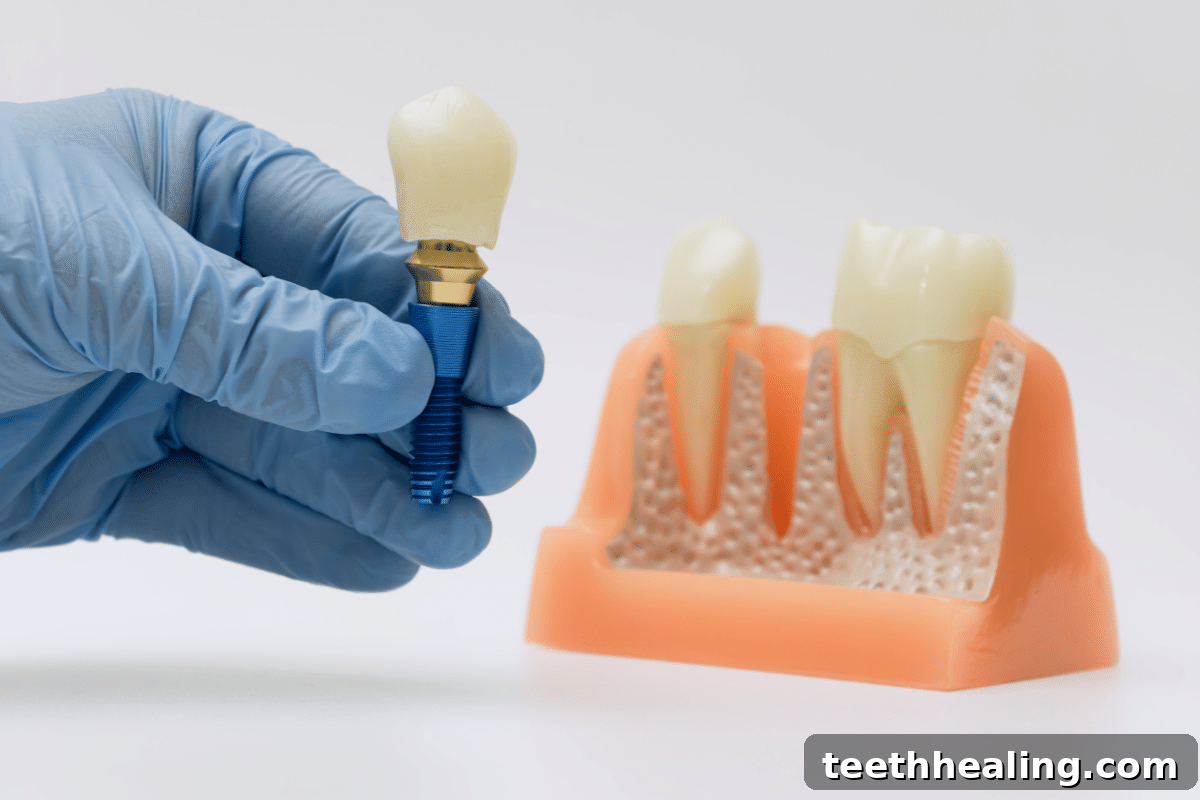
Dental implants stand as a revolutionary and highly effective method for replacing missing teeth, offering a foundation that feels, functions, and appears remarkably similar to natural teeth. Their unparalleled stability, aesthetic appeal, and potential for lifelong durability have made them a preferred choice for countless individuals seeking to restore their smiles and chewing function. While dental implants boast an impressive success rate, often exceeding 95%, it’s crucial for patients to understand that, like any medical or dental procedure, there is a rare possibility of complications or failure. The good news, however, is that most potential problems signal their presence through early warning signs. By familiarizing yourself with these indicators, you can take prompt action, consult with your dental professional, and safeguard the longevity and health of your valuable investment in your smile.
This comprehensive guide will delve into what constitutes dental implant failure, explore the various factors that can contribute to its occurrence, and most importantly, equip you with the knowledge to recognize early warning signs. Understanding these aspects is key to proactive care and ensuring the long-term success of your dental implants.
Meet the Expert Guiding Your Dental Implant Journey

At Palm Desert Dentist: Cosmetic, Restorative, & Implant Dentistry, every patient receives care that is not only advanced but also deeply personalized. This philosophy is spearheaded by Dr. Robert McLachlan Jr, a distinguished prosthodontist whose extensive academic background includes advanced education from the prestigious University of Southern California and the University of Iowa. With nearly 25 years of hands-on experience in the field, Dr. McLachlan Jr. has successfully managed a vast spectrum of cases, ranging from straightforward single-tooth replacements to highly complex full-mouth restorations and intricate implant care procedures.
Dr. McLachlan Jr.’s methodology is centered on a simple yet profound principle: tailoring each treatment plan to the unique needs, health profile, and aesthetic goals of the individual patient. He believes in fostering a collaborative environment where patients are fully informed and active participants in their dental health decisions. Beyond his clinical excellence, Dr. McLachlan Jr. maintains a balanced lifestyle, finding rejuvenation and inspiration in outdoor sports and travel. This holistic approach translates into his practice, where he combines precision and expertise with genuine patient empathy, ensuring optimal outcomes and enduring patient satisfaction for all those entrusting their smiles to his care.
Decoding Dental Implant Failure: What It Means
The term “dental implant failure” broadly describes a situation where a dental implant, for various reasons, does not integrate successfully with the jawbone, loses its stability, or the surrounding soft tissues become compromised. This can manifest at different stages: either shortly after the surgical placement during the critical healing phase, or much later, even years after the implant has been successfully supporting a restoration.
Understanding the timeline of failure is key to diagnosis and treatment. Dental implant failures are generally categorized into two main types:
- Early Failure: This type of failure occurs predominantly during the initial healing period, which typically spans from a few weeks to several months post-surgery. It is most often characterized by a lack of osseointegration – the vital process where the titanium implant surface directly fuses with the surrounding bone. If osseointegration does not occur adequately, the implant will not achieve the necessary stability to support a dental crown, bridge, or denture. Causes can include initial surgical trauma, poor bone quality, infection at the surgical site, or improper loading of the implant too soon.
- Late Failure: In contrast, late implant failure happens after the implant has successfully integrated with the bone and has been in functional use for a significant period. This can occur many months or even years post-placement. The most common culprits behind late failure include chronic infection around the implant (peri-implantitis), excessive mechanical stress or overloading, gradual bone loss around the implant, or the deterioration of existing systemic health conditions.
Despite the excellent track record and high success rates of dental implants, recognizing these potential risks and understanding their definitions is paramount for both patients and clinicians. Early identification of symptoms can often lead to successful intervention and preservation of the implant, or at least a more favorable outcome for subsequent corrective treatments.
Common Causes Contributing to Dental Implant Failure
The long-term success and optimal performance of dental implants are influenced by a multitude of factors. While implants are designed for durability, several common issues can unfortunately lead to their failure. Being aware of these contributing factors can empower patients to take proactive steps in prevention.
Poor Oral Hygiene and Peri-Implantitis
Perhaps the most significant and preventable cause of late implant failure is inadequate oral hygiene. Just like natural teeth, dental implants require meticulous cleaning to prevent the buildup of plaque and bacteria. When plaque accumulates around the implant, it can lead to an inflammatory condition known as peri-implant mucositis, which is essentially gum inflammation around an implant. If left untreated, this can progress to peri-implantitis, a more severe condition characterized by inflammation of the gums and progressive loss of supporting bone around the implant. Peri-implantitis is analogous to periodontitis around natural teeth and can ultimately lead to implant loosening and failure. Consistent and thorough brushing, flossing, and the use of interdental brushes specifically designed for implants are crucial.
Smoking and its Detrimental Effects
Smoking is a well-established risk factor for dental implant failure. Nicotine and other toxins in tobacco smoke significantly impede the body’s natural healing processes and reduce blood flow to the gums and bone. This diminished circulation compromises the bone’s ability to osseointegrate with the implant and makes the tissues around the implant more susceptible to infection. Smokers have a considerably higher rate of implant failure compared to non-smokers, both in the early healing phase and over the long term. Quitting smoking before and after implant placement is strongly recommended to maximize success rates.
Insufficient Bone Density or Bone Loss
For an implant to be successful, it requires a sufficient volume and quality of healthy jawbone to fuse with and provide stable support. If the jawbone is naturally too thin or soft, or if significant bone loss has occurred due to previous tooth extractions, gum disease, or trauma, the implant may not have enough anchorage. Even after successful integration, ongoing bone loss due to peri-implantitis or other factors can compromise the implant’s stability over time. In cases of insufficient bone, bone grafting procedures are often necessary before or during implant placement to create a suitable foundation.
Bruxism (Teeth Grinding or Clenching)
Chronic teeth grinding (bruxism) or clenching places excessive and unnatural forces on dental implants. Unlike natural teeth, which have a periodontal ligament that acts as a shock absorber, implants are directly fused to the bone. This means they absorb the full brunt of grinding forces, which can lead to micro-fractures in the bone, loosening of the implant screw or abutment, or even fracturing of the implant itself. Over time, this constant, high-impact stress can lead to the breakdown of the bone-implant interface and subsequent implant failure. Patients who clench or grind their teeth often benefit from wearing a custom-made night guard to protect their implants and natural teeth.
Underlying Health Conditions and Medications
Certain systemic health conditions can significantly impact the body’s ability to heal and maintain bone health, thereby increasing the risk of implant failure. Conditions such as uncontrolled diabetes, which impairs healing and increases susceptibility to infection, are a major concern. Autoimmune diseases, osteoporosis, and treatments like radiation therapy to the head and neck can also compromise implant success. Furthermore, certain medications, particularly bisphosphonates (used to treat osteoporosis) or some immunosuppressants, can interfere with bone metabolism and healing around implants. A thorough medical history review is essential before implant surgery.
Improper Surgical Placement or Restoration
While often overlooked by patients, the precision of the surgical placement of the implant and the design of the final restoration are critical. If an implant is placed incorrectly (e.g., at an improper angle, too close to a nerve or sinus, or without adequate bone support), it can lead to immediate or long-term complications. Similarly, a poorly designed crown or bridge that creates uneven bite forces or makes hygiene difficult can also contribute to failure. This underscores the importance of choosing an experienced and highly skilled implant dentist or prosthodontist, like Dr. McLachlan Jr., who utilizes advanced imaging and planning techniques.
Crucial Warning Signs of Dental Implant Issues You Must Not Ignore
Your body is incredibly adept at communicating when something is amiss, and dental implants are no exception. Paying close attention to any changes or unusual sensations after receiving dental implants is paramount for early detection and timely intervention. Ignoring these warning signs can escalate minor issues into significant problems, potentially leading to the complete loss of the implant. If you experience any of the following, contact your dental professional immediately.
Persistent or Worsening Pain
Some degree of discomfort, tenderness, and mild swelling is normal in the immediate days following dental implant surgery. However, this pain should gradually subside as healing progresses. Ongoing, throbbing, sharp, or worsening pain long after the initial healing period (typically a few weeks) is a significant red flag. Persistent pain can indicate an infection, nerve impingement, excessive pressure on the implant, or a failing integration process. It is never normal to experience chronic pain around a healed implant.
Swelling, Redness, or Inflammation of Gums
Healthy gum tissue around a dental implant should be pink, firm, and free from inflammation. Any noticeable swelling, redness, tenderness, or inflammation of the gums surrounding the implant site is a clear indicator of a potential problem, often suggesting mucositis or peri-implantitis. These inflammatory conditions are typically caused by bacterial accumulation and, if left unaddressed, can lead to irreversible bone loss around the implant.
A Loose or Wobbly Implant
A properly integrated dental implant should feel as stable and firm as a natural tooth. It should not exhibit any movement whatsoever. If you notice any wobbling, looseness, or mobility of the implant post itself, the abutment (the connector piece), or the crown attached to it, this is a critical warning sign. Implant looseness can indicate a failure of osseointegration, a fractured implant, or a loose component. Early detection is crucial, as sometimes a loose abutment screw can be easily tightened, but a truly mobile implant typically signifies failure.
Difficulty or Discomfort While Chewing
Dental implants are designed to restore full chewing function. If you experience persistent discomfort, tenderness, or a sensation of unevenness when biting down or chewing food with your implant, it could point to a problem. This might be due to an improperly adjusted bite, an underlying infection causing sensitivity, or compromised implant stability. Difficulty chewing can also indicate issues with the restoration itself, such as a cracked crown or bridge.
Gum Recession and Visible Implant Components
Healthy gum tissue should neatly encircle the dental implant crown, much like it does a natural tooth. If you observe the gum line receding around your implant, exposing part of the metal implant body (the screw-like portion) or the abutment, this warrants immediate attention. Gum recession around implants often signals underlying bone loss, which can compromise the implant’s structural integrity and aesthetic outcome. It also makes the implant harder to clean, further exacerbating the problem.
Unpleasant Taste or Persistent Bad Odor
A foul taste in your mouth or a persistent bad odor emanating from around the implant site are strong indicators of a bacterial infection. This could be due to food particles trapped around the implant, or more seriously, the presence of pus and bacteria associated with peri-implantitis. These symptoms should never be ignored, as infections can rapidly progress and lead to significant bone loss and implant failure.
Bleeding When Brushing or Flossing
While minor bleeding can occasionally occur with aggressive brushing around natural teeth, consistent bleeding from the gums around an implant during routine oral hygiene is a sign of inflammation or infection. Healthy implant sites should not bleed easily. This symptom, often accompanied by redness or swelling, suggests the onset of peri-implant mucositis or peri-implantitis and requires prompt professional evaluation.
How Lifestyle and Local Factors Can Influence Implant Success
Beyond the primary biological and mechanical causes, certain lifestyle choices and even environmental factors can subtly yet significantly impact the long-term success of dental implants. Recognizing these influences allows for a more comprehensive approach to implant care and prevention.
One notable local factor, particularly relevant in regions with arid climates like Palm Desert, is the prevalence of dry mouth, medically known as xerostomia. Dry mouth reduces saliva production, which is a critical natural defense mechanism for oral health. Saliva helps to rinse away food debris, neutralize acids, and control bacterial growth. When saliva flow is diminished, bacteria can proliferate more easily around dental implants, increasing the risk of plaque accumulation, gum inflammation (mucositis), and eventually, peri-implantitis. Patients experiencing dry mouth, whether due to medications, systemic conditions, or environmental factors, must be extra vigilant with their oral hygiene and consider strategies to keep their mouth moist, such as drinking ample water, using sugar-free chewing gum or lozenges, and potentially saliva substitutes. Addressing underlying causes with a physician is also important.
Furthermore, busy modern lifestyles, especially for individuals who are highly active outdoors or maintain demanding routines, can sometimes lead to inconsistent oral care habits. While the desire to remain active and engaged is commendable, neglecting consistent brushing, flossing, and regular dental check-ups can have serious repercussions for dental implants. Skipping even a few days of thorough cleaning allows bacterial biofilms to mature and establish themselves around the implant, initiating the inflammatory cycle that can lead to failure. Establishing a disciplined daily oral hygiene routine and adhering to scheduled professional cleanings and examinations are non-negotiable for safeguarding the health of your dental implants. Stress associated with busy routines can also manifest as bruxism, adding another layer of risk if not managed.
Can Failed Dental Implants Be Restored or Replaced?
The good news for patients experiencing dental implant failure is that, in many instances, corrective measures can be taken. The specific treatment approach for a failed implant is highly dependent on the underlying cause of the failure, the extent of the damage, and the overall health of the patient. Early diagnosis and intervention significantly improve the prognosis for successful treatment.
- Treating Infection (Peri-Implantitis): If the failure is due to peri-implantitis, the first and most critical step is to thoroughly eliminate the infection. This typically involves meticulous debridement (cleaning) of the implant surface to remove bacteria and calculus, often using specialized instruments or laser therapy. Antibiotics, both local and systemic, may be prescribed. In some cases, minor surgical procedures might be necessary to access the infected areas, reshape gum tissue, or decontaminate the implant surface.
- Addressing Bone Loss with Grafting: If significant bone loss has occurred around the implant but the implant itself is still stable and deemed salvageable, bone grafting procedures may be performed. The goal of bone grafting is to regenerate lost bone around the implant, providing renewed support and stability. This can involve using the patient’s own bone (autograft), donor bone (allograft), animal bone (xenograft), or synthetic materials (alloplast). Guided bone regeneration techniques, using membranes, are often employed to encourage new bone growth.
- Implant Removal and Replacement: In situations where the implant has completely failed to integrate, has become irreversibly loose, is fractured, or if the surrounding bone loss is too extensive to save it, the implant may need to be carefully removed. Once the area has healed, and if sufficient bone quality and quantity can be restored (often through further bone grafting), a new dental implant can often be placed in the same site. This “rescue” procedure requires careful planning and execution to ensure the success of the subsequent implant.
It cannot be overstated: early care and prompt attention to warning signs make a profound difference in the success of remedial treatments. The sooner a problem is identified and addressed by a qualified dental professional, the better the chances of saving the implant or successfully replacing it, thereby minimizing discomfort, cost, and further complications.
Comprehensive Strategies to Significantly Lower Your Risk of Implant Failure
While no medical procedure comes with a 100% guarantee, adopting a proactive and diligent approach to your dental health can dramatically reduce the risk of dental implant failure. Simple, consistent habits and adherence to professional advice form the cornerstone of long-term implant success.
- Maintain Impeccable Daily Oral Hygiene: This is the absolute foundation of implant longevity. Brush your teeth and implants at least twice daily using a soft-bristled toothbrush. Floss daily, paying special attention to the areas around your implants. Consider using interdental brushes, water flossers (oral irrigators), or specialized implant floss to effectively clean under and around the implant crowns where traditional brushing might miss. Your dentist or hygienist can recommend the best tools and techniques for your specific needs.
- Commit to Regular Dental Check-ups and Professional Cleanings: Schedule and attend routine appointments with your dentist and dental hygienist, typically every six months, or more frequently if recommended. These visits are crucial not only for professional cleaning but also for your dental team to monitor the health of your implants, detect early signs of complications (like peri-implantitis), and address any issues before they become severe. Special plastic or titanium instruments are used to clean around implants to avoid scratching their surface.
- Eliminate or Significantly Reduce Smoking and Tobacco Use: As discussed, smoking is a major impediment to healing and long-term implant health. Quitting smoking entirely is the most impactful step you can take to improve your implant’s prognosis and overall oral health. If quitting is not immediately possible, reducing tobacco use as much as possible will still be beneficial.
- Manage Bruxism (Teeth Grinding) with a Night Guard: If you are prone to grinding or clenching your teeth, especially during sleep, discuss this with your dentist. A custom-fabricated night guard (occlusal splint) can effectively protect your dental implants and natural teeth from excessive forces, preventing damage to the implant components and surrounding bone.
- Diligently Follow All Aftercare Advice: Post-operative instructions provided by your dentist are critical for successful initial healing and osseointegration. This includes guidance on diet, oral hygiene, medication use, and activity restrictions immediately following surgery. Adhering strictly to these instructions minimizes early complications.
- Maintain Excellent Systemic Health: Work closely with your medical doctor to manage any underlying health conditions, particularly diabetes. Well-controlled systemic diseases contribute significantly to better overall healing and reduced risk of infection, which are vital for implant success.
- Adopt a Healthy and Balanced Diet: A nutritious diet supports overall health, including bone density and tissue repair, which are essential for maintaining the integrity of your implants. Ensure adequate intake of vitamins and minerals, especially calcium and Vitamin D, which are crucial for bone health.
By integrating these preventative measures into your daily routine and committing to regular professional care, you empower yourself to support the long-term success and strength of your dental implants, ensuring they continue to enhance your smile and quality of life for many years to come.
Final Thoughts on Protecting Your Dental Implant Investment
Dental implants represent a significant investment in your oral health, confidence, and overall well-being. They are a remarkably reliable and long-lasting solution for tooth replacement, but their success is not entirely self-sustaining. Just like natural teeth, implants require consistent care, attention, and a proactive approach to potential issues. Understanding the early warning signs of complications, recognizing the common causes of failure, and committing to diligent preventative measures are your best defenses against potential problems.
The vast majority of issues associated with dental implants, ranging from minor inflammation to more serious infections, can be effectively managed and treated when caught in their initial stages. Early intervention is not just a recommendation; it’s a critical factor in preserving your implant and avoiding more extensive, costly, and uncomfortable corrective procedures down the line. If something around your dental implant simply “doesn’t feel right” – whether it’s persistent pain, an unusual taste, or any noticeable change – do not hesitate or delay seeking professional advice. It is always prudent to err on the side of caution and have your concerns evaluated by an experienced dental professional.
If you have any concerns about your existing dental implants, or if you wish to receive a professional evaluation and discuss preventative strategies tailored to your unique needs, we encourage you to schedule a comprehensive consultation with Palm Desert Dentist. You can easily contact our dedicated dental office to discuss your symptoms, explore potential next steps, and ensure the continued health and vitality of your beautiful, restored smile.
Frequently Asked Questions About Dental Implant Health and Failure
With meticulous oral hygiene, regular dental check-ups, and professional cleanings, dental implants are designed to last for many decades, often a lifetime. Their longevity is significantly impacted by factors such as the patient’s overall health, smoking status, oral hygiene habits, the quality of bone where they are placed, and the expertise of the dental professional who placed and restored them. Good care is key to their enduring success.
Absolutely not. While some mild discomfort and soreness are normal immediately after the surgical placement of a dental implant, this should resolve as the area heals. Persistent pain, throbbing, or sharp pain around a healed dental implant is a significant warning sign and should be checked by a dentist immediately. It could indicate an infection (peri-implantitis), nerve issue, or other complications that require prompt attention.
Yes, unfortunately, an implant can become loose over time, though it’s not a common occurrence for well-integrated implants. This can happen if there is a reduction in the supporting bone around the implant (due to peri-implantitis or bone resorption), excessive stress on the implant from teeth grinding (bruxism), or mechanical issues with the implant components (like a loose or fractured abutment screw). Any perceived looseness should be evaluated by your dentist without delay.
The most common causes of infection around a dental implant, known as peri-implantitis, are poor cleaning habits and the resulting buildup of plaque and bacteria. Just like natural teeth, implants are susceptible to bacterial colonization. If plaque is not meticulously removed through daily brushing and flossing, it can lead to inflammation and infection of the surrounding gum and bone tissue. Smoking, uncontrolled diabetes, and certain genetic predispositions can also increase the risk of peri-implantitis.
Yes, chronic teeth grinding or clenching (bruxism) can significantly damage a dental implant. Implants lack the natural shock absorption mechanism of a periodontal ligament found in natural teeth, meaning they directly transmit forces to the bone. Excessive grinding places immense, continuous pressure on the implant, which can lead to micro-fractures in the bone, loosening of the implant or its components, or even failure of the osseointegration. Wearing a custom-fitted night guard is highly recommended for bruxism patients with implants.
You should contact your dentist as soon as you notice any change or concerning symptom related to your dental implant. This includes, but is not limited to, persistent pain, swelling, redness, bleeding, a loose feeling, difficulty chewing, gum recession, a bad taste or odor, or any general feeling that “something isn’t right.” Early detection and intervention are crucial for effectively managing potential complications and preserving your implant.
Osseointegration is the critical biological process where the titanium dental implant fixture directly fuses and bonds with the surrounding jawbone. This direct structural and functional connection provides the stable foundation necessary for the implant to effectively support a prosthetic tooth (crown, bridge, or denture). Without successful osseointegration, the implant will not be stable and is considered a failure.
While dental implants are suitable for a wide range of patients, certain conditions can make someone a less ideal candidate or increase the risk of failure. These include uncontrolled chronic diseases (like severe diabetes or autoimmune disorders), heavy smoking, significant bone loss that cannot be adequately treated with grafting, current or recent radiation therapy to the head/neck area, and certain medications (e.g., some bisphosphonates). A thorough consultation and medical history review with an experienced implant dentist are essential to determine suitability.