
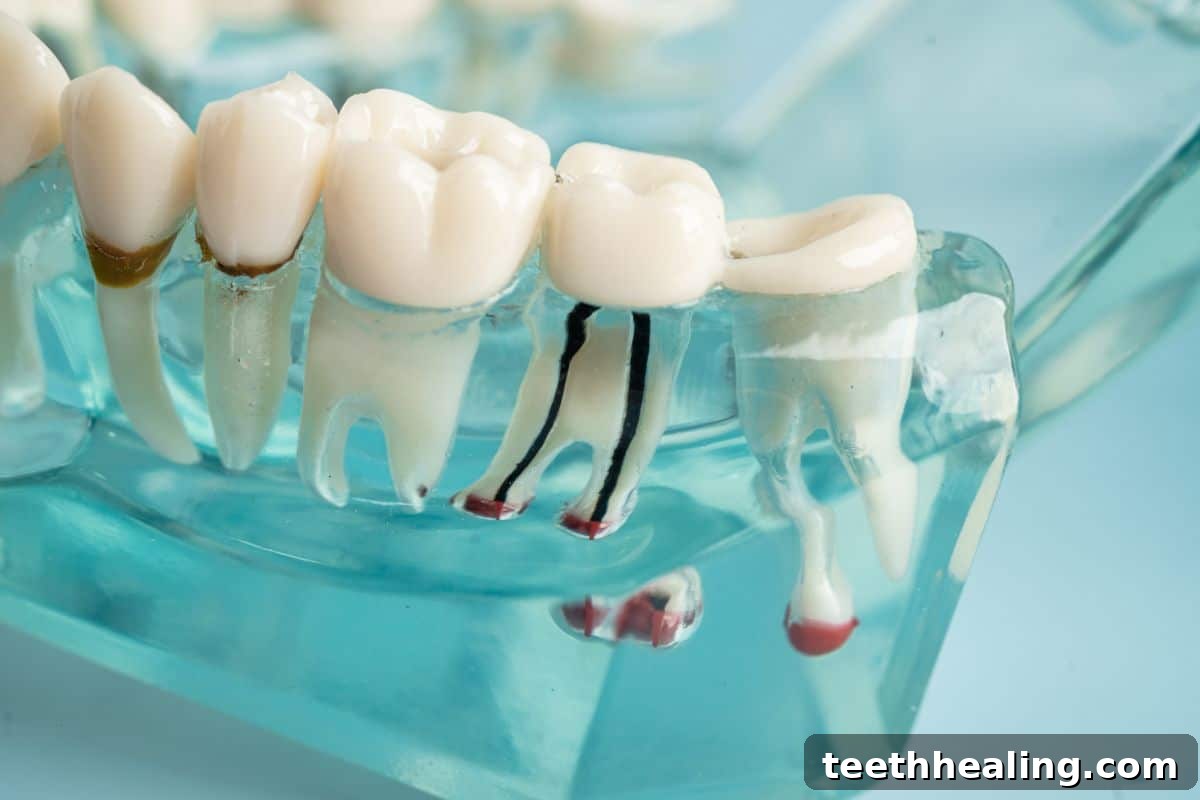
Root canal treatment, often referred to simply as a root canal, is one of the most common and profoundly effective dental procedures performed today. Yet, despite its prevalence and remarkably high success rate, the mere mention of a root canal can evoke feelings of apprehension and anxiety for many patients. This understandable reaction is often rooted in common misconceptions or a genuine lack of understanding about what the procedure truly entails. However, being well-informed is your greatest tool against dental anxiety, empowering you to approach your treatment with confidence and make the most beneficial decisions for your long-term oral health.
Understanding the specifics of your unique dental condition and gaining clarity on the intricate details of your proposed treatment plan allows you to feel more in control and significantly less intimidated. Before embarking on any significant dental intervention, especially one as crucial for tooth preservation as a root canal, it is absolutely essential to have a comprehensive and open discussion with your trusted dentist. This article aims to illuminate five vital questions you should proactively ask your dentist to gain a crystal-clear understanding of the entire process, ensure your utmost comfort during and after the procedure, and facilitate a smooth, uneventful recovery, ultimately paving the way for a healthier, pain-free smile.
Why Do I Need a Root Canal?
The first and arguably most crucial question to pose to your dentist is to request a thorough explanation of the precise rationale behind recommending a root canal for your specific case. This isn’t merely about satisfying curiosity; it’s fundamentally about understanding your specific diagnosis and ensuring you fully grasp the severity and implications of your dental issue. Your dentist will typically recommend this specialized endodontic treatment to salvage a tooth that has sustained significant internal damage. Common reasons include deep decay that has progressed to invade the inner pulp, a severe infection (often manifesting as an abscess) originating from within the tooth, or a traumatic injury such as a deep crack or chip that has compromised and exposed the vital inner tissues.
The pulp is the delicate, soft core situated deep within your tooth, a complex network housing crucial blood vessels, sensitive nerves, and connective tissues. When this vital pulp becomes inflamed, irritated, or, most critically, infected, it can lead to excruciating and persistent pain. If left unaddressed, this infection will not only worsen but can also spread beyond the tooth’s root tip into the surrounding bone and gum tissues, forming a painful abscess. An abscess can cause significant swelling, severe throbbing pain, and even lead to more serious systemic health problems if bacteria enter the bloodstream. Without timely and appropriate intervention like a root canal, the only remaining alternative often becomes tooth extraction. Extraction, while seemingly a quick fix, can lead to further complications down the line, such as shifting adjacent teeth, difficulty chewing effectively, and the subsequent need for more costly and complex replacements like dental bridges or implants. Your dentist should meticulously explain how diagnostic tools, such as detailed X-rays and a thorough clinical examination, helped them arrive at this precise diagnosis, demonstrating that a root canal is not merely an option but often the most essential and effective course of action to preserve your natural tooth structure and avert more severe health ramifications.
What Should I Expect During the Procedure?
Fear of pain stands as one of the most pervasive anxieties associated with root canal treatment. Addressing this concern directly and openly with your dentist can significantly alleviate much of your apprehension. The exceptionally good news is that profound advancements in modern dentistry, particularly in the efficacy of local anesthesia and sophisticated endodontic techniques, have rendered root canal procedures virtually painless during the treatment itself. The vast majority of patients report feeling no more discomfort than they would during a routine dental filling, often less than the original toothache itself.
Make sure to ask your dentist for a clear, step-by-step walkthrough of the entire procedure. Typically, the process commences with the precise application of local anesthesia to thoroughly numb the affected tooth and its surrounding gum and bone tissues, ensuring you remain completely comfortable and pain-free throughout the entire duration. Following this, a small, thin protective sheet made of latex or non-latex material, known as a dental dam, is carefully placed around the tooth. This dam serves a crucial purpose: to isolate the tooth, keeping it clean, dry, and free from saliva and any potential bacterial contamination during the procedure. Your dentist will then create a small, strategic access opening in the crown of the tooth, which allows direct access to the inflamed or infected pulp chamber and the intricate network of root canals. Using specialized, ultra-fine instruments, they will meticulously remove the diseased or necrotic pulp tissue, then carefully clean, shape, and thoroughly disinfect the interior of the root canals. This rigorous cleansing process is absolutely vital for eliminating bacteria and preventing any possibility of future reinfection.
Once the root canals are immaculately cleaned, shaped, and disinfected, they are meticulously filled with a biocompatible, rubber-like material called gutta-percha. This material is then sealed firmly in place with an adhesive cement, creating a tight, impermeable barrier designed to prevent any future bacterial penetration. Finally, a temporary filling is carefully placed in the access opening on the tooth’s crown. This temporary restoration protects the tooth until a permanent restoration, most commonly a custom-fitted dental crown, can be placed during a subsequent appointment. It is wise to inquire about the expected duration of the procedure, as this can vary significantly depending on the tooth’s location, its anatomical complexity, and the number of roots it possesses. While some straightforward root canals can be completed in a single extended appointment, more complex cases, particularly those involving severe infection, may necessitate two or even more visits.
Furthermore, it is highly beneficial to inquire about any advanced technologies or specialized equipment your dentist might employ. Many modern dental practices are equipped with state-of-the-art tools designed to enhance precision and patient comfort. These might include dental operating microscopes for significantly magnified visibility, digital X-rays for instant and highly precise imaging with reduced radiation, advanced rotary instruments for efficient and precise cleaning and shaping of canals, and electronic apex locators for incredibly accurate measurement of root canal length. Some cutting-edge clinics might even utilize dental lasers for enhanced sterilization within the canals or specialized 3D imaging (Cone Beam Computed Tomography or CBCT scans) for diagnosing and treating particularly complex or challenging cases. These innovative technologies can profoundly improve the accuracy, efficiency, and overall success rate of the root canal procedure, ultimately contributing to a far more predictable outcome and a significantly more comfortable patient experience.
Are There Any Risks or Complications?
While root canal therapy undeniably boasts a remarkably high success rate and is a cornerstone of modern restorative dentistry, it is crucial to remember that, like any medical or dental intervention, it carries a very small but present possibility of risks and potential complications. It is prudent and responsible to engage in a detailed discussion about these possibilities, however rare they may be, with your dentist. Understanding these potential, though infrequent, scenarios provides a realistic perspective and allows you to be adequately prepared, thereby enhancing your trust in your dentist’s expertise and ability to effectively manage any unforeseen issues that might arise.
Common, albeit usually minor and transient, post-operative experiences include temporary tenderness, mild sensitivity, or slight discomfort in the treated area for a few days following the procedure. This is typically a normal part of the healing process and can almost always be effectively managed with readily available over-the-counter pain relievers or anti-inflammatory medications. However, more significant, though considerably less frequent, complications can sometimes manifest. These might include a persistent or worsening infection of the treated tooth, which could occur if bacteria were not entirely eradicated during the initial cleaning, if the temporary or permanent filling or crown develops a leak, or if new decay unfortunately develops around the restoration. In some exceedingly rare instances, a tiny instrument used during the intricate cleaning process might fracture and remain within the canal. While dentists employ meticulous techniques to prevent such occurrences, if it does happen, the fragment is often small and can frequently be left in place if it doesn’t impede proper sealing of the canal, or it may require specialized techniques for removal.
Another potential risk involves a tooth fracture, particularly if a permanent restorative dental crown isn’t placed promptly after the completion of the root canal therapy. Root canal treated teeth, while successfully saved from infection, can sometimes become more brittle and thus more susceptible to fracture without the essential protective reinforcement provided by a dental crown. Your dentist should also thoroughly discuss very rare risks, such as a localized allergic reaction to the anesthesia or the materials used during the procedure, or, in exceptionally isolated cases involving specific teeth and complex anatomy, very rare instances of nerve damage. Your dentist should explicitly detail the rigorous sterilization techniques they meticulously employ to minimize any risk of infection and elaborate on their extensive expertise and contingency plans should any complication, however rare, actually arise. This transparent and open dialogue not only helps to build significant confidence but also ensures you are fully aware of what specific signs to look for that might indicate a problem requiring immediate further attention from your dental professional.
How Should I Prepare for the Procedure?
Proper and thorough preparation can make an incredibly significant difference in your overall comfort level both during and immediately after the root canal procedure. This careful foresight can greatly facilitate a smoother experience and contribute to a more rapid and uneventful recovery. Therefore, do not hesitate to ask your dentist for specific and personalized pre-procedure instructions, meticulously tailored to your individual health profile, any existing medical conditions, and the unique nature of your upcoming treatment.
Generally, your dentist might offer advice on what to consume or avoid before your appointment. It is often recommended to have a light, nutritious meal a few hours prior to your visit, as your mouth will likely remain numb for several hours post-procedure, making comfortable eating difficult. If you are particularly prone to dental anxiety or nervousness, discussing various sedation options, such as nitrous oxide (commonly known as laughing gas) or prescribed oral sedatives, might prove incredibly beneficial for managing your apprehension. If you do opt for oral sedation, it is absolutely crucial to arrange for someone reliable to drive you safely to and from the appointment, as your ability to operate a vehicle will be significantly impaired.
It is also critically important to openly discuss any current medications you are routinely taking, with particular emphasis on blood thinners, certain heart medications, or any antibiotics, as adjustments to your medication regimen may be deemed necessary by your dentist or physician. Your dentist might preemptively prescribe a course of antibiotics before the procedure if there is evidence of a significant or widespread infection, or they might suggest taking over-the-counter anti-inflammatory pain relievers, such as ibuprofen, an hour or so beforehand to proactively manage and mitigate any potential post-procedure discomfort. On the actual day of your appointment, wearing loose, comfortable clothing and arriving a little early to allow yourself time to relax and complete any necessary paperwork can substantially help in reducing pre-procedure stress. It is strongly advised to avoid alcohol consumption and smoking in the days leading up to the procedure, as these habits can significantly interfere with the natural healing process and potentially increase the risk of complications. Lastly, if you have a known history of heart conditions, diabetes, or any other serious systemic health issues, ensure your dentist is fully and accurately aware of these, as such conditions might influence the specific approach and protocols for your root canal treatment. Being thoroughly prepared, both physically and mentally, can genuinely make a noticeable and positive difference in your overall experience and contribute significantly to a successful outcome.
What Will Aftercare Involve?
Successful recovery and the long-term viability of your root canal-treated tooth are profoundly dependent upon diligent and meticulous aftercare. A thorough and explicit discussion with your dentist about post-procedure instructions is an absolutely essential component of your treatment plan, one that must occur before you leave the clinic. This crucial conversation should comprehensively cover both immediate post-operative care measures and strategies for long-term maintenance to ensure the enduring health of your tooth.
Immediately following the procedure, your mouth will most likely remain numb for a few hours due to the local anesthesia. Your dentist will provide very specific and detailed instructions on how to effectively manage any discomfort you might experience, which often includes the use of readily available over-the-counter pain relievers or, if deemed necessary, a prescription medication for more intense pain. You will typically be strongly advised to avoid chewing or applying significant pressure on the treated tooth until the numbness completely wears off, primarily to prevent accidental biting of your cheek or tongue, and especially until the permanent restoration (usually a crown) is securely in place. For the initial few days following the procedure, adhering to a diet of soft foods can significantly help to reduce any undue stress on the healing tooth. It is imperative to maintain your regular and meticulous oral hygiene routine, including gentle brushing and flossing, but exercising extra care around the recently treated area to avoid irritation.
Crucially, a comprehensive discussion about the absolute necessity for a permanent restoration is paramount. A root canal-treated tooth, particularly molars and premolars located in the back of the mouth, almost invariably requires a custom-fitted dental crown to protect it from potential fracture and to fully restore its complete functionality. The tooth’s structural integrity can be compromised and become more brittle after the root canal procedure due to the removal of pulp tissue and internal cleaning, making it significantly more vulnerable to fracture without the essential protective reinforcement of a crown. Your dentist will meticulously explain when this vital follow-up visit for crown placement should occur and precisely why it is of such immense importance for the long-term success and durability of your treatment. Furthermore, actively inquire about any specific signs or symptoms of potential problems to watch for, such as persistent or worsening pain that doesn’t subside, noticeable swelling, the onset of a fever, or any signs of an allergic reaction. Knowing these critical “red flags” ensures you can contact your dentist promptly and confidently if any concerns or complications arise. Additionally, inquire about the expected lifespan of a root canal-treated tooth and what future check-ups and maintenance routines will entail. By thoroughly understanding and diligently adhering to these comprehensive aftercare guidelines, you are taking a highly proactive and responsible step to ensure a smooth, problem-free recovery and to protect your invaluable investment in your oral health, allowing your successfully saved tooth to function effectively, comfortably, and aesthetically for many years to come.
Asking these five insightful and comprehensive questions before your root canal can profoundly transform what might otherwise be a potentially stressful situation into a transparent, predictable, and ultimately manageable experience. Empowering yourself with thorough knowledge allows you to feel significantly more confident, less anxious, and fully prepared for the treatment ahead. Remember, your dentist in Palm Desert and their dedicated professional team are wholeheartedly committed to supporting you through every single step of your dental journey, addressing all your concerns and questions with the utmost professionalism, empathy, and care. By being proactively engaged and exceptionally well-informed, you can confidently approach your root canal procedure, take an essential and decisive stride toward preserving your natural teeth, and effectively safeguard your long-term oral health. Do not hesitate to initiate this vital conversation; your comfort, understanding, and peace of mind are absolutely paramount.