Are you among the millions experiencing the daily challenges and self-consciousness that come with missing teeth? The gaps in your smile can do more than just affect your appearance; they can impact your ability to chew your favorite foods, speak clearly, and even influence your overall oral health and facial structure. If these struggles resonate with you, it’s time to explore a transformative solution: dental implants. Heralded as the gold standard in modern dentistry, dental implants offer a revolutionary approach to restoring your smile, combining unparalleled aesthetics with robust functionality. They look, feel, and perform so much like natural teeth that you might forget you ever had a missing tooth. This comprehensive guide will delve into the world of dental implants, uncovering their profound benefits and demonstrating why they are considered a truly life-changing option for anyone seeking a permanent, healthy, and confident smile. Prepare to discover how dental implants can significantly enhance your oral health and elevate your quality of life.
Understanding Dental Implants: A Foundation for a Lasting Smile
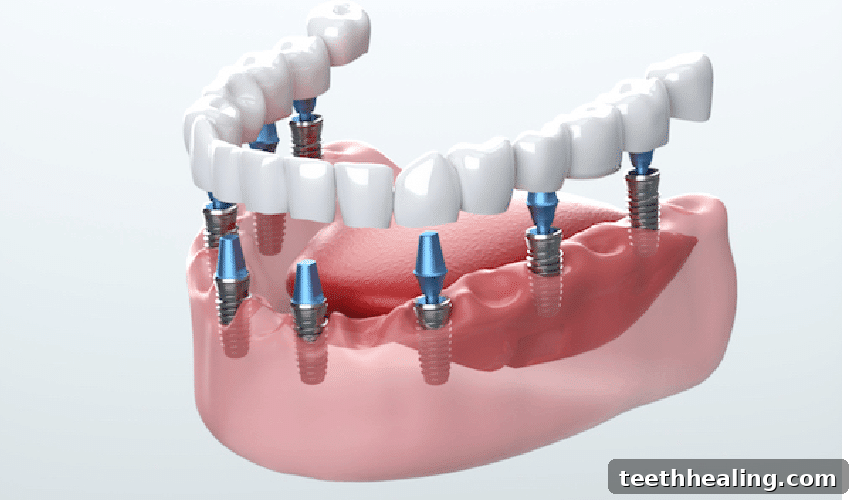
Dental implants represent a sophisticated and highly effective solution for replacing missing teeth, standing out for their strength, durability, and incredibly natural appearance. Unlike temporary fixes or removable devices, implants integrate directly with your body, providing a permanent and stable foundation that mimics your natural tooth roots. Crafted from biocompatible titanium, these small, screw-shaped posts are meticulously placed into the jawbone during a minor surgical procedure. Over time, a remarkable biological process known as osseointegration occurs, where the titanium post fuses seamlessly with the surrounding bone tissue. This creates an exceptionally strong and stable anchor, identical to the root of a natural tooth.
This unique fusion is what sets dental implants apart, offering unmatched stability for the replacement tooth or teeth that will eventually be attached. Whether you need to replace a single missing tooth, several teeth, or even an entire arch, dental implants offer a versatile and reliable solution. They can serve as individual anchors for crowns, support multi-tooth bridges, or provide a secure foundation for full sets of dentures, eliminating the common issues of slipping and discomfort associated with traditional removable dentures. The result is a fully functional, aesthetically pleasing smile that requires no special care beyond regular brushing and flossing, just like your natural teeth.
Transformative Benefits of Choosing Dental Implants
The advantages of dental implants extend far beyond simply filling a gap in your smile. They offer a multitude of benefits that profoundly improve both your oral health and your overall quality of life, making them a superior choice for tooth replacement.
- Improved Appearance and Natural Aesthetics: Dental implants are meticulously designed to blend flawlessly with your existing natural teeth. The custom-made crowns placed on top of the implants are color-matched, shaped, and sized to complement your smile perfectly. This results in a truly natural look that is virtually indistinguishable from your own teeth, boosting your confidence and enhancing your facial aesthetics. Furthermore, implants help preserve your natural facial structure by preventing bone loss that often occurs when teeth are missing, thus avoiding the “sunken” look associated with traditional tooth loss over time.
- Enhanced Speech Clarity: Missing teeth or ill-fitting dentures can often lead to difficulties in speaking clearly, causing slurring or mumbling. Because dental implants are securely anchored in your jawbone, they eliminate the risk of slippage or movement that can occur with dentures. This provides a stable platform for clear articulation, allowing you to speak naturally and confidently without any worries about your teeth shifting.
- Superior Comfort and Fit: Say goodbye to the discomfort and irritation often associated with removable dentures. Dental implants become a part of your body, eliminating the need for adhesives, pastes, or creams, and the soreness that can arise from dentures rubbing against gums. They provide a comfortable, stable, and natural feeling, allowing you to forget you even have tooth replacements.
- Restored Chewing Power and Easier Eating: One of the most significant benefits of dental implants is the restoration of your full biting and chewing capabilities. Unlike dentures, which can limit your diet due to instability, implants allow you to confidently eat all your favorite foods – from crunchy apples to tough steaks – without fear of them slipping or causing pain. This not only enhances your nutritional intake but also significantly improves your enjoyment of meals.
- Boosted Confidence and Self-Esteem: A complete, beautiful smile has a profound impact on self-confidence. Dental implants restore not just your teeth, but also your ability to smile, laugh, and interact socially without hesitation. This newfound confidence can positively influence various aspects of your life, from personal relationships to professional interactions.
- Preservation of Oral Health and Jawbone: When a tooth is lost, the jawbone beneath it can begin to deteriorate due to lack of stimulation. Dental implants are unique in that they stimulate the jawbone, preventing bone loss and maintaining its density and structure. Unlike dental bridges, implants do not require altering adjacent healthy teeth, thus preserving their natural strength and integrity. This comprehensive approach safeguards your long-term oral health.
- Exceptional Durability and Longevity: With proper care and regular dental check-ups, dental implants are designed to last a lifetime. Made from robust, biocompatible materials, they offer a permanent solution to tooth loss, standing in stark contrast to other options that may require frequent replacement or significant maintenance.
The Dental Implant Procedure: A Step-by-Step Journey to a New Smile
Undergoing a dental implant procedure is a well-planned process that typically unfolds in several stages, ensuring optimal healing and successful integration. The journey begins with a thorough initial consultation, where your dental professional will conduct a comprehensive examination, including X-rays and 3D scans, to assess your oral health, jawbone density, and determine the ideal placement for your implants. This crucial planning phase ensures a tailored treatment plan specifically designed for your unique needs.
The first surgical stage involves the precise placement of the titanium implant post into the jawbone. This is usually performed under local anesthesia, ensuring your comfort throughout the procedure. Following the implant placement, a critical healing period begins, which can last from three to six months. During this time, the implant gradually fuses with the jawbone through osseointegration, forming an incredibly strong and stable foundation. Your dentist may provide a temporary restoration to maintain your smile during this healing phase.
Once osseointegration is complete, the next step involves placing a small connector piece called an abutment on top of the implant. This abutment protrudes above the gum line and serves as the attachment point for your new tooth. Finally, a custom-crafted, natural-looking crown, bridge, or denture is securely attached to the abutment. This final restoration is meticulously designed to match the color, shape, and size of your existing teeth, completing your beautiful, functional, and permanent new smile. The entire process is a testament to advanced dental technology, resulting in a tooth replacement that is both robust and aesthetically flawless.
Life After a Dental Implant: What to Expect
Dental implants are truly a permanent solution for missing teeth, offering unparalleled stability and longevity. The success of dental implants relies heavily on their surgical placement within the jawbone and the subsequent fusion with the bone, creating an unshakeable foundation for artificial teeth. Implants are incredibly versatile, capable of replacing a single missing tooth, multiple teeth, or providing sturdy support for a full set of dentures, transforming them from removable appliances into fixed, reliable restorations.
Most individuals experience minimal discomfort during the implant placement procedure, and recovery afterwards is typically swift and manageable. It’s common to observe some bruising and mild swelling around the implant site in the days immediately following surgery. However, these symptoms are usually transient and should subside within one to two weeks. Your dentist will provide you with detailed, specific instructions regarding post-operative care, which will include advice on pain management, dietary considerations (initially soft foods), and proper oral hygiene practices to ensure optimal healing and prevent complications. Adhering to these guidelines is paramount for the success and longevity of your new implant.
The full integration of your dental implants with the jawbone, known as osseointegration, can take several months. During this crucial healing period, it is vital to avoid chewing hard foods directly on the implant site and to refrain from applying excessive force. Once your implants have fully healed and integrated, you can resume eating and speaking normally, enjoying a full range of foods without apprehension. With diligent daily oral hygiene – including regular brushing and flossing – and consistent professional dental care, dental implants boast an impressive success rate and are designed to last a lifetime, providing you with a durable, functional, and aesthetically pleasing smile for decades to come.
Maintaining Your Investment: Frequency of Dental Implant Maintenance
While dental implants are renowned for their exceptional durability and are indeed designed to last a lifetime, they require consistent professional maintenance, much like your natural teeth, to ensure their long-term success and health. The frequency of these follow-up visits to your dentist or oral surgeon can vary, typically ranging from every 3 to 12 months, depending on several factors. These include the specific type of implant, its location within your mouth, your overall oral health, and the effectiveness of your daily home care routine.
During these crucial maintenance appointments, your dental professional will thoroughly assess the health and stability of your implant. They will meticulously check the implant and the surrounding gum tissue for any signs of inflammation or infection, such as peri-implantitis, a condition similar to gum disease that can affect implants. The dentist will also ensure that the implant remains securely integrated with the jawbone and that the restoration (crown, bridge, or denture) is functioning correctly. Professional cleaning of the implant site is a vital component of these visits, removing plaque and tartar build-up that regular brushing might miss. Additionally, any necessary adjustments to the restoration or your bite can be made to prevent undue stress on the implant. Consistently attending these scheduled appointments is paramount for safeguarding the health and proper function of your dental implants, ensuring they continue to provide a confident and healthy smile for many years to come.
Exploring Alternatives to Dental Implants
While dental implants are widely regarded as the premium solution for replacing missing teeth due to their numerous benefits and longevity, it’s important to be aware of other options available. These alternatives cater to different needs, budgets, and dental situations, although they typically come with their own set of advantages and limitations compared to implants. Understanding these alternatives can help you make an informed decision in consultation with your dentist.
1) Dental Bridges. A dental bridge is a traditional method for replacing one or more missing teeth. It consists of a false tooth or teeth, known as pontics, which are held in place by crowns (caps) on the adjacent natural teeth, called abutment teeth. These abutment teeth must be significantly prepared and often ground down to accommodate the crowns. One of the main advantages of dental bridges is that they do not require surgery and can typically be completed within one or two dental visits. However, a notable drawback is that dental bridges rely on the surrounding healthy teeth for support. This can place extra strain on these supporting teeth, making them more susceptible to decay or requiring root canal treatment in the future. Additionally, bridges do not stimulate the jawbone beneath the missing tooth, which can lead to bone resorption over time, and they generally have a shorter lifespan than dental implants, often needing replacement after 5 to 15 years.
2) Dentures. Dentures are removable appliances designed to replace multiple missing teeth or an entire arch of teeth. They are typically made from acrylic resin or a combination of acrylic and metal, custom-fitted to rest snugly over the gums. Dentures are often a more affordable initial option compared to dental implants, making them accessible to a wider range of patients. They can also be a viable solution for individuals who may not be candidates for implant surgery due to underlying health conditions or insufficient jawbone density. However, traditional dentures are not as stable or comfortable as implants. They can slip or shift while eating and speaking, requiring adhesive pastes to keep them in place. This movement can also cause irritation to the gums, lead to sores, and significantly diminish the ability to taste and fully enjoy food. Furthermore, dentures do not prevent jawbone deterioration, leading to changes in facial structure over time and necessitating frequent relining or replacement as the jawbone shrinks.
3) Composite Bonding. While not a direct replacement for a completely missing tooth in the same way implants, bridges, or dentures are, composite bonding is a cosmetic dental procedure often discussed in the context of improving a smile. It involves the application of a tooth-colored resin material to an existing natural tooth structure, which is then hardened with a special light. This technique is primarily used to repair chipped or cracked teeth, close small gaps between teeth, alter the shape of teeth, or improve their color. It does not require surgery and can typically be completed in one or two visits. However, it is crucial to understand that composite bonding is not designed to replace an entire missing tooth. Its primary purpose is aesthetic enhancement or minor structural repair of existing teeth. It is also not as strong or durable as dental implants or even dental crowns, making it more susceptible to staining, chipping, and wear, and may need to be repaired or replaced more often, typically every 5 to 10 years. Therefore, for truly missing teeth, other restorative options are generally more appropriate.
In conclusion, when considering the best long-term solution for replacing missing teeth, dental implants consistently stand out as an excellent option. They offer an unparalleled permanent solution that brings a wealth of benefits, including vastly improved oral health, superior aesthetics, and long-term durability that can truly last a lifetime with proper care and maintenance. Their ability to integrate with your jawbone and function just like natural teeth provides an experience unmatched by any other restorative option. If you’re currently facing the challenges of missing teeth and are contemplating the best way to restore your smile, functionality, and confidence, we highly encourage you to speak with your trusted dentist today. A personalized consultation will allow them to assess your specific situation, discuss your needs and goals, and determine how dental implants can transform your oral health and ultimately, your quality of life.