Unveiling the Hidden Link: Oral Bacteria Found in Brain Clots After Stroke
In a discovery that could revolutionize our understanding of stroke prevention, scientists have uncovered a compelling connection between oral health and brain health. Recent research indicates that bacteria commonly found in the mouth may play a crucial, albeit previously overlooked, role in the development of ischemic strokes. This groundbreaking finding suggests that maintaining impeccable oral hygiene might be a simple yet powerful strategy to safeguard against one of the world’s leading causes of long-term disability and mortality.
Emerging scientific evidence strongly suggests that diligent oral hygiene practices may offer significant protection against the risk of stroke.
The pivotal research, spearheaded by a team of scientists in Finland, involved a meticulous analysis of blood clot samples. These samples were obtained from 75 individuals who had urgently received treatment for an ischemic stroke. The patients had undergone a thrombectomy, a critical emergency procedure where blood clots are mechanically removed from the brain’s arteries using specialized catheters carefully threaded through the vascular system.
When these intricate blood clot samples were thoroughly examined, the findings were stark and highly significant: an astonishing 79% of them contained discernible DNA traces belonging to common oral bacteria. The predominant bacterial species identified in these clots was *Streptococcus mitis*, a well-known member of a larger group of bacteria that scientists collectively refer to as viridans streptococci. This discovery marks a crucial step in understanding the systemic impact of oral microorganisms.
Oral Bacteria: A Silent Contributor to Cardiovascular Diseases
The concentration of these oral bacteria within the brain clot samples was notably higher when compared to other blood samples taken from the same patients during their treatment. This disparity underscores the direct involvement of these microorganisms in the actual clot formation at the site of stroke.
This recent stroke study is not an isolated finding but rather an integral component of a much broader, comprehensive investigation that has been meticulously conducted for approximately a decade. This extensive research program has been dedicated to unraveling the multifaceted role of bacteria, particularly those originating from the oral cavity, in the pathogenesis of various cardiovascular diseases.
Over its duration, this significant investigation has already yielded several critical insights. It has previously established that blood clots implicated in serious cardiovascular events such as heart attacks, dangerous brain aneurysms, and thromboses occurring in both leg veins and arteries, frequently harbor oral bacteria. Specifically, viridans streptococci have been consistently identified. Furthermore, the ongoing research has unequivocally demonstrated that these very bacteria possess the capability to cause infective endocarditis, a severe type of heart infection characterized by inflammation of the heart’s inner lining or valves.
The researchers involved in this long-term study believe that their latest findings represent the first instance where viridans streptococci have been directly implicated in the acute onset of ischemic stroke, thus opening new avenues for both preventative strategies and therapeutic interventions.
Understanding Stroke: A Critical Health Challenge
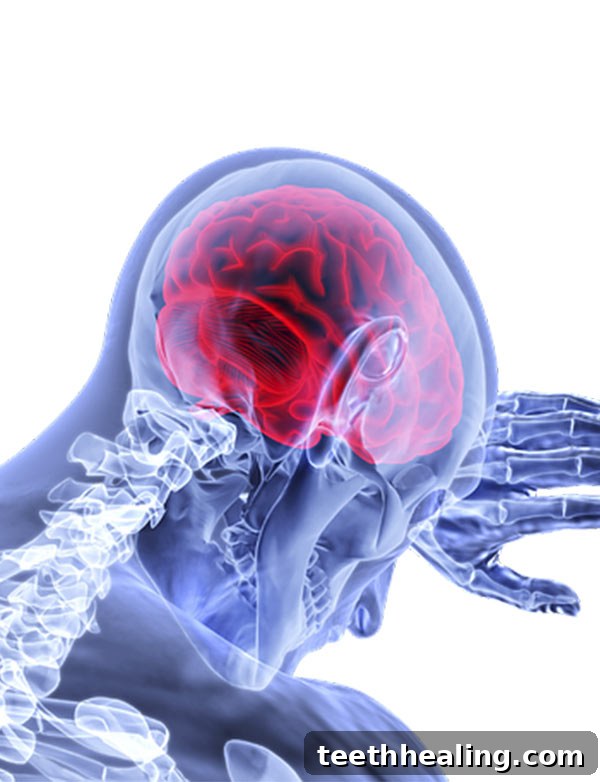
A stroke, often referred to as a “brain attack,” occurs when the brain’s vital blood supply is suddenly interrupted or severely diminished. This critical disruption deprives brain cells of indispensable oxygen and essential nutrients, leading to rapid cell death and potentially irreversible tissue damage. The immediate consequences can manifest as a sudden loss of function in various parts of the body, depending on the affected brain region.
The most prevalent form of this devastating condition is an ischemic stroke. This type of stroke transpires when a blood clot blocks or significantly reduces the blood flow within an artery that is responsible for supplying blood to the brain. Without adequate blood flow, brain cells begin to die within minutes, causing permanent damage.
The global impact of stroke is staggering. According to authoritative figures released by the World Stroke Organization, a sobering statistic reveals that approximately 1 in 6 individuals worldwide is likely to experience a stroke at some point during their lifetime. This makes stroke a leading cause of death and a primary driver of long-term disability across the globe, imposing an immense burden on individuals, families, and healthcare systems.
One of the primary underlying causes contributing to the development of ischemic stroke is a chronic condition known as atherosclerosis. Atherosclerosis is characterized by the gradual accumulation of fatty deposits, cholesterol, cellular waste products, and other substances, forming hardened structures called plaques within the walls of arteries. Over time, these plaques stiffen and narrow the arterial passages, restricting blood flow and making the arteries less flexible.
The location where these plaques develop dictates the specific health risks. Depending on their formation site, atherosclerosis can dramatically elevate the risk of a range of serious cardiovascular conditions, including coronary heart disease, angina (chest pain), carotid artery disease (affecting arteries supplying the brain), and peripheral artery disease (affecting arteries in the limbs).
Crucially, these atherosclerotic plaques are not static; they can become unstable. Bits of plaque can break off and enter the bloodstream, or the rough surface of a plaque can serve as a nidus for the formation of blood clots. If such an event occurs and a fragment or clot travels to an artery supplying blood to the brain, it can completely block the vessel, thereby triggering an acute ischemic stroke.
Oral Bacteria: Are They the Cause of Stroke or Mere Bystanders?
While the presence of oral bacteria in brain clots is undeniable, the precise mechanism by which they contribute to stroke remains a focal point of ongoing scientific inquiry. In their discussion of the profound implications of these findings, the authors of the study highlight that streptococcal bacteria originating from the mouth are well-known culprits for causing severe infections, particularly when they gain entry into the circulatory system. A prime example is infective endocarditis, a life-threatening infection of the heart valves that can occur when oral bacteria travel through the bloodstream and colonize heart tissue.
Beyond direct infection, there is also compelling evidence to suggest that bacteria possess the ability to directly activate blood platelets. This raises a critical question: Could this direct interaction with platelets represent a significant pathway through which oral bacteria increase an individual’s susceptibility to stroke?
Activated platelets are key cellular components that trigger a cascade of events promoting atherosclerosis and accelerating the development of atherothrombotic lesions, which are essentially dangerous blood clots that form on atherosclerotic plaques. The bacterial surface proteins of *Streptococcus mitis*, the predominant species found in stroke clots, are particularly adept at directly binding to various receptors present on platelets. This interaction makes the blood more “sticky” and significantly more prone to forming dangerous clots. Furthermore, oral bacteria, particularly those associated with chronic gum disease (periodontitis), can induce systemic inflammation. Chronic inflammation is a well-established risk factor for atherosclerosis and overall cardiovascular disease, further linking poor oral health to stroke risk.
Therefore, while these recent and highly impactful findings conclusively demonstrate that oral bacteria are intimately involved in the complex processes leading to strokes, the exact causal relationship—whether they directly *cause* strokes or primarily serve as exacerbating factors or “bystanders” that worsen pre-existing conditions—is still being vigorously investigated. Nevertheless, their consistent presence and known biological activities strongly implicate them as significant contributors to stroke pathogenesis.
The Power of Prevention: Good Oral Hygiene for Optimal Overall Health
Regardless of whether oral bacteria act as direct initiators or potent exacerbators of stroke, one conclusion is abundantly clear and profoundly important: the critical role of regular dental care and excellent oral hygiene cannot be overstated in the context of primary stroke prevention. These findings underscore a powerful message: taking care of your mouth is not just about preventing cavities or gum disease; it is a fundamental pillar of maintaining your cardiovascular health and, by extension, your brain health.
To truly invest in a long, healthy, and vibrant life, it is absolutely essential to prioritize the health of your teeth and gums, ensuring they remain in the best possible condition. This involves more than just a quick brush; it requires a consistent and diligent routine.
Implementing effective oral hygiene practices means brushing your teeth thoroughly at least twice a day for two minutes each time, using a fluoride toothpaste. Daily flossing or using interdental brushes is crucial to remove plaque and food particles from between teeth and under the gum line, areas where toothbrushes cannot reach effectively. Furthermore, regular visits to your dentist for professional check-ups and cleanings are indispensable. These appointments allow for the removal of stubborn plaque and tartar, early detection and treatment of gum disease, and personalized advice on maintaining optimal oral health.
The evidence is mounting: the health of your mouth is a mirror of your systemic health. By taking proactive steps to maintain good oral hygiene, you are not only safeguarding your smile but also significantly contributing to the prevention of serious conditions like stroke, heart disease, and other inflammation-related illnesses. It’s a simple, cost-effective, and empowering step you can take every day to protect your most vital organs.
Don’t wait for symptoms to appear; be proactive about your health. Call us today to book your comprehensive dental health assessment and take the first step towards a healthier future. Reach us at 07 3720 1811.