Ensuring Safety: The SMART Way to Remove Amalgam Fillings
For decades, amalgam fillings, often referred to as “silver fillings,” were the go-to solution for dental cavities due to their durability and cost-effectiveness. Composed of a mixture of metals, primarily mercury (about 50%), silver, tin, and copper, these fillings have served millions. However, with growing awareness about the potential health implications of mercury exposure, many individuals are now opting to have their old amalgam fillings safely removed and replaced with modern, mercury-free alternatives.
The decision to remove amalgam fillings is a personal one, often driven by a desire for a more holistic approach to health and a concern about the continuous, albeit low-level, release of mercury vapor from these restorations. While the mercury in a solid amalgam filling is generally considered stable, the process of removing it can significantly increase mercury vapor release, posing potential risks to both the patient and the dental team. This is precisely why adhering to stringent safety protocols is paramount.
At our practice, we prioritize your well-being and meticulously follow the SMART (Safe Mercury Amalgam Removal Technique) protocols. Developed by the International Academy of Oral Medicine and Toxicology (IAOMT), SMART is a comprehensive set of guidelines designed to minimize exposure to mercury vapor and particulate matter during the amalgam removal process. This advanced approach ensures that your journey towards a healthier, mercury-free smile is as safe and comfortable as possible.
Understanding the Risks of Mercury Exposure During Amalgam Removal
Amalgam fillings contain elemental mercury, which can release mercury vapor, especially when disturbed by chewing, grinding, or, most critically, during the drilling process for removal. This mercury vapor is invisible, odorless, and can be inhaled and absorbed by the lungs, leading to systemic exposure. The body’s ability to process and eliminate mercury varies from person to person, and prolonged or high-level exposure is a concern for many health-conscious individuals.
The drilling of amalgam fillings generates significant heat and friction, which dramatically increases the rate at which mercury vapor is released. Without proper precautions, this vapor can contaminate the oral cavity and the surrounding air, potentially leading to inhalation by both the patient and the dental professionals. Furthermore, tiny particles of amalgam can become aerosolized and, if not properly contained, could be ingested or inhaled. This understanding underpins the necessity of employing advanced safety measures to mitigate these risks effectively.
It is crucial to understand that simply having an amalgam filling removed without these specific precautions can ironically increase your exposure to mercury beyond what might occur from the filling naturally aging in your mouth. Therefore, if you are considering replacing your amalgam fillings, it is absolutely essential to ensure it is done safely with the right equipment and trained professionals who understand the nuances of mercury hygiene. Our commitment to the SMART protocol means we take every step to safeguard your health throughout the procedure.
Key Components of the SMART Protocol: Protecting You and Our Team
The SMART protocol is a multi-faceted approach, incorporating a range of specialized equipment and techniques designed to create a safe environment for everyone involved. Each step is meticulously planned and executed to ensure the maximum reduction of mercury exposure.
1. Comprehensive Patient Isolation and Protection
-
Non-Latex Rubber Dam Application: One of the foundational elements of SMART is the use of a non-latex rubber dam. This thin, flexible sheet is carefully placed around the teeth being treated, creating an effective barrier that isolates them from the rest of your mouth. Its primary function is to prevent bits of filling material, saliva, and drilling debris from splattering into your mouth, where they could be swallowed or come into contact with your oral tissues. By containing the work area, the rubber dam significantly minimizes your ingestion of amalgam particles and helps to reduce the amount of mercury vapor entering your respiratory system. The non-latex material is specifically chosen to accommodate patients with latex sensitivities or allergies, ensuring comfort and safety for all.
-
Clean Air Supply via Nasal Hood: To ensure you are breathing only clean, filtered air and not any ambient mercury vapor, we provide you with a comfortable nose piece connected to a tank of sterile air. This system delivers a continuous supply of oxygenated, clean air, ensuring that your respiratory pathway is protected from any mercury-containing aerosols or vapor that might be present in the immediate dental environment. This direct air supply acts as a vital safeguard, preventing the inhalation of any airborne contaminants during the entire removal process.
-
Protective Barrier Draping: In addition to the rubber dam, we often use full-body draping to protect your clothing and skin from any stray particles. While the rubber dam isolates the mouth, an additional drape provides an extra layer of protection, demonstrating our commitment to comprehensive safety measures.
2. Advanced Mercury Vapor Capture and Filtration
-
High-Volume Air Purifier with External Vacuum and Capture Trunk: This sophisticated piece of equipment is central to controlling airborne mercury. A specialized air purifier and vacuum filtration system is positioned adjacent to your head, featuring a large capture trunk that sits under your chin. This powerful machine utilizes multiple layers of filtration, often including HEPA filters for particulate matter and activated charcoal filters for mercury vapor, to continuously capture and filter mercury vapor, particles, and other aerosols that are generated during the drilling process. By creating a negative pressure zone around your mouth, it effectively pulls these contaminants away from your breathing zone and out of the treatment room, vastly reducing ambient air contamination.
-
High-Volume Dental Suction: Directly at the source of the amalgam removal, a large dental suction tip is strategically placed next to or directly over the teeth we are working on. This powerful suction efficiently captures the vast majority of mercury vapor and amalgam particles as they are released, preventing them from becoming airborne. This localized suction is incredibly effective in minimizing the spread of contaminants.
-
Auxiliary Suction Under the Rubber Dam: For an added layer of safety and to ensure your comfort, an auxiliary suction system is often utilized under the rubber dam. This helps to remove any liquid or particulate matter that might bypass the main dental suction, ensuring a cleaner and drier working field and further reducing the risk of mercury ingestion or inhalation.
-
Copious Water Spray and Sectioning: To further minimize heat generation during drilling (as heat increases mercury vapor release), a continuous stream of water is used. Instead of drilling out the entire filling in one go, the dentist carefully section the amalgam into smaller chunks. This technique allows for the removal of the filling with minimal drilling, thereby reducing both heat generation and the release of mercury vapor, making the process faster and safer.
3. Ensuring the Safety of the Dental Team
Our commitment to safety extends to our dedicated dental team. We understand that prolonged, even low-level, exposure to mercury can have cumulative effects, which is why we take equally stringent measures to protect ourselves:
-
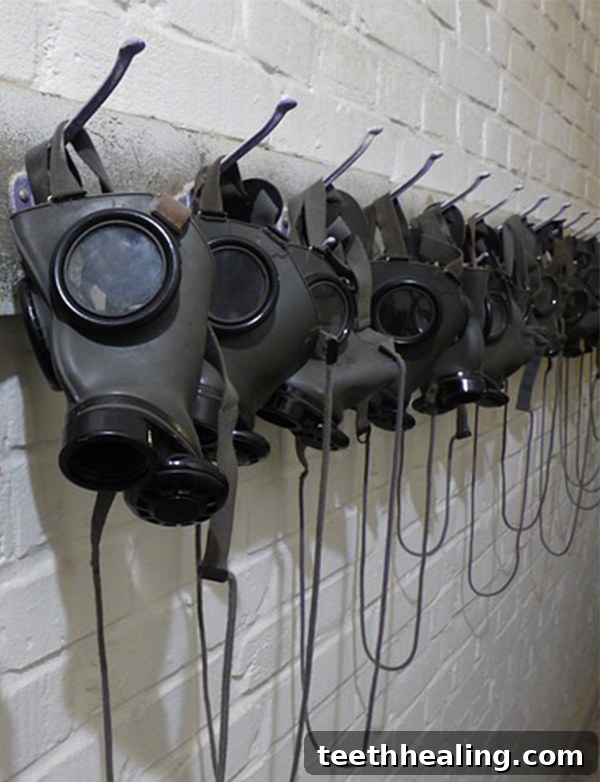
Mercury Filter Respirator Masks: Both I and my dental assistant wear specialized mercury filter respirator masks. These are not standard surgical masks but advanced respirators, often N95 masks fitted with specific cartridges designed to filter out mercury vapor and other fine particulate matter. This essential protective equipment safeguards our own health, preventing us from inhaling mercury vapor during the procedure and ensuring we can continue to provide safe care for years to come.
-
Protective Clothing and Eye Wear: Our team also wears appropriate protective clothing and eye protection, including face shields, to prevent any direct contact with amalgam particles or splashes. This comprehensive approach ensures that every individual in the treatment room is adequately protected from potential exposure. It is important to ensure the patient and the dental team are not exposed to any mercury vapor during the process, and these measures are critical to achieving that.
Beyond Removal: Post-Procedure Care and Environmental Responsibility
Once the amalgam filling is safely removed, the tooth is meticulously cleaned and prepared for the new, biocompatible restoration, such as composite resin or ceramic inlays/onlays. We often recommend a thorough rinse with activated charcoal or chlorella after the procedure to help absorb any residual mercury in the mouth. For some patients, discussions about systemic detoxification protocols may be beneficial, although this is usually advised in consultation with a holistic healthcare provider.
Environmental responsibility is also a core aspect of our practice. All removed amalgam waste is handled and disposed of in accordance with strict environmental regulations. This ensures that the mercury-containing material does not enter the water supply or landfill, thereby protecting the wider environment from mercury contamination. Our dental aspirator systems are also equipped with amalgam separators that capture mercury particles before they enter the wastewater system.
Choosing a Dentist for Safe Amalgam Removal
When you decide to replace your amalgam fillings, the choice of your dental practitioner is paramount. Not all dental offices are equipped or trained to follow the rigorous SMART protocols. It is vital to seek out a dentist who specifically advertises and practices safe mercury amalgam removal techniques. Don’t hesitate to ask detailed questions about the procedures and equipment they use to ensure your safety and that of the dental team.
A dentist committed to SMART protocols demonstrates a deep understanding of mercury hygiene and a steadfast dedication to patient safety and holistic health. They will be transparent about their methods and happy to explain each step of the process. Choosing such a practitioner ensures that your transition to mercury-free dentistry is not only effective in restoring your teeth but also safe for your overall health.
By opting for a dental practice that adheres to the highest standards of safe mercury amalgam removal, you are making an informed and responsible choice for your health and well-being. We are proud to offer these advanced protocols, providing you with peace of mind throughout your dental care journey.