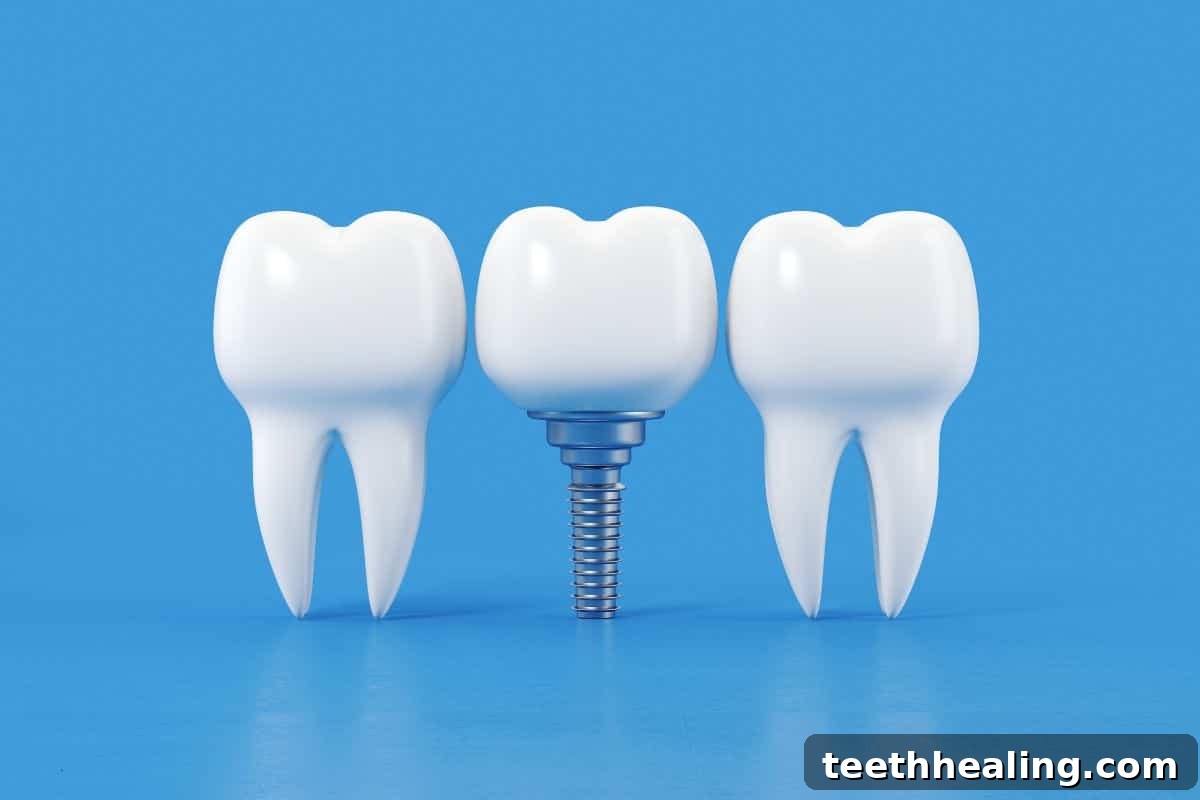
Losing a tooth can significantly impact not only your smile’s aesthetics but also your oral function and overall quality of life. Dental implants stand out as an exceptional, long-term solution for replacing missing teeth, offering unparalleled stability, a natural appearance, and the ability to restore full chewing capability. They are widely regarded as the gold standard in restorative dentistry. However, if you are a smoker, you might be wondering whether this highly effective treatment option is still available to you. While smoking does introduce certain complexities and elevated risks, it doesn’t automatically disqualify you from receiving dental implants. This comprehensive guide will delve into the critical factors smokers need to consider when contemplating dental implants, outlining the challenges, potential solutions, and crucial steps for a successful outcome.
Understanding the Interplay: How Smoking Influences Dental Implant Success
Smoking profoundly affects your entire body, and its detrimental impact on oral health is particularly well-documented. From increased risks of gum disease to impaired healing, the chemicals in tobacco smoke can create an oral environment that is far from ideal for dental implant integration and long-term success. Understanding these specific mechanisms is crucial for any smoker considering this life-changing procedure.
Impaired Healing and Reduced Blood Flow
One of the most critical phases in the dental implant journey is the healing period following surgery, during which the implant post must fuse with your jawbone in a process known as osseointegration. This biological bonding is fundamental to the implant’s stability and longevity. Smoking severely hinders this delicate process. Nicotine, a primary component of tobacco, is a vasoconstrictor, meaning it narrows blood vessels. This restriction in blood flow significantly reduces the supply of vital oxygen, essential nutrients, and critical immune cells to the surgical site. Without an adequate supply, the bone cells (osteoblasts) struggle to proliferate and attach to the implant surface, delaying or even preventing proper osseointegration. This extended healing time not only prolongs discomfort but also increases the window of vulnerability for complications.
Elevated Risk of Infection
The immune system acts as your body’s first line of defense against pathogens. Smoking compromises this defense mechanism, making you more susceptible to infections. The heat and harsh chemicals in cigarette smoke directly irritate the delicate gum tissues around the implant site, creating an environment ripe for bacterial colonization. Moreover, smoking impairs the function of immune cells, such as neutrophils and macrophages, which are crucial for fighting off invading bacteria. This weakened immune response means that even minor bacterial presence can escalate into a significant infection, potentially jeopardizing the implant’s stability and necessitating its removal. Infections like peri-implantitis, discussed later, are considerably more common and aggressive in smokers.
Direct Inhibition of Osseointegration
Beyond impaired blood flow, the toxins and carcinogens present in tobacco smoke directly interfere with the cellular processes required for bone formation and bonding. These harmful substances can have a cytotoxic effect on osteoblasts, the cells responsible for creating new bone tissue. This cellular disruption makes it challenging for your jawbone to properly integrate with the titanium implant surface. A failure in this crucial bonding process means the implant may never achieve the necessary stability to support a dental prosthesis, leading to early implant failure or mobility.
Compromised Gum Health (Periodontal Disease)
Smokers are at a significantly higher risk of developing periodontal disease (gum disease), a chronic inflammatory condition that affects the tissues supporting your teeth. This condition is often more aggressive and less responsive to treatment in smokers. Pre-existing gum disease, or even gum inflammation caused by smoking, can adversely impact the health of the tissues around a new implant. Unhealthy gums provide a poor foundation for implants and can easily harbor bacteria that migrate to the implant site, leading to complications like peri-implantitis.
Is It Possible? Dental Implants for Smokers
Despite the inherent risks, the good news is that receiving dental implants is often still a possibility for smokers. However, success hinges on a heightened level of commitment, meticulous planning, and close collaboration with your dental care team. The decision to proceed will involve a thorough assessment of your oral and overall health, coupled with your willingness to mitigate the risks associated with smoking.
Commitment to Smoking Cessation is Key
The single most impactful step a smoker can take to improve the success rate of dental implants is to quit smoking. Most dental professionals will strongly advise, and sometimes even mandate, a period of smoking cessation both before and after the implant surgery. Typically, patients are asked to quit several weeks prior to the procedure to allow the body to begin healing and improve circulation. More importantly, refraining from smoking throughout the critical healing phase—often several months—is paramount. The longer you abstain from tobacco, the more effectively your jawbone can integrate with the implant and the lower your risk of complications. Even a temporary cessation can dramatically tip the scales towards a successful outcome, reducing inflammation and improving the body’s natural healing capabilities.
- **Pre-Surgery Cessation:** Aim to quit at least 2-4 weeks before your scheduled surgery to optimize your body’s healing potential.
- **Post-Surgery Abstinence:** Avoid smoking for at least 3-6 months following the surgery, or as long as your dentist recommends, to ensure proper osseointegration.
- **Long-Term Commitment:** Ideally, quitting smoking permanently offers the best prognosis for the long-term health of your implants and overall oral health.
Partner with an Experienced Dental Professional
When you are a smoker considering dental implants, selecting the right dental team is paramount. You need a dentist or oral surgeon who possesses extensive experience in treating patients with elevated risk factors. During your initial consultation, an experienced professional will conduct a comprehensive evaluation, which typically includes:
- **Detailed Medical History Review:** To understand your overall health status, any existing conditions, and medications.
- **Thorough Oral Examination:** Assessing the health of your gums, remaining teeth, and surrounding tissues.
- **Advanced Imaging:** Utilizing X-rays, 3D Cone Beam Computed Tomography (CBCT) scans, to precisely evaluate bone density, volume, and the proximity of vital structures. This is particularly crucial for smokers, who may experience bone loss.
- **Periodontal Assessment:** A careful examination for any signs of gum disease, which must be addressed before implant placement.
Based on this evaluation, your dentist may recommend additional treatments to prepare your mouth for implants. For instance, if smoking has led to significant bone loss, a bone grafting procedure might be necessary. Bone grafts involve adding bone material to areas where the jawbone is insufficient, creating a stronger foundation to support the implant. This step can be vital for smokers, as it directly addresses one of the common challenges associated with their habit.
Strict Adherence to Post-Surgery Care Instructions
If you proceed with dental implant placement as a smoker (or recent ex-smoker), your commitment to meticulously following post-operative care instructions is absolutely critical for success. Your dentist will provide a detailed regimen that typically includes:
- **Strict Smoking Avoidance:** This is non-negotiable for the specified healing period. Even a single cigarette can disrupt the delicate healing process.
- **Excellent Oral Hygiene:** Maintaining impeccable oral hygiene is even more vital for smokers. This involves gentle but thorough brushing around the surgical site, flossing, and often using a prescribed antimicrobial mouthwash to keep bacterial loads low and prevent infection.
- **Dietary Modifications:** Sticking to soft foods initially to avoid putting undue pressure on the healing implant site.
- **Medication Adherence:** Taking all prescribed antibiotics to prevent infection and pain relievers as directed.
- **Regular Follow-up Appointments:** Attending all scheduled check-ups allows your dental team to monitor the healing process, identify any potential issues early, and intervene promptly if necessary.
Neglecting any of these instructions can significantly increase your risk of complications and implant failure. Your active participation in your recovery is a key determinant of the implant’s success.
The Consequences of Not Quitting: Higher Risks and Potential Failure
While it may be possible to get dental implants without quitting smoking, it is imperative to understand that this path carries substantially higher risks. Choosing not to quit or reduce smoking increases the likelihood of numerous complications, potentially leading to the failure of your expensive and time-consuming treatment.
Increased Implant Failure Rates
Studies consistently show that smokers experience significantly higher rates of dental implant failure compared to non-smokers. Some research suggests that smokers are up to twice as likely, or even more, to experience implant failure. This can manifest as early failure, where osseointegration never occurs, or late failure, where a previously integrated implant becomes loose due to surrounding bone loss. The investment of time, money, and effort in dental implants becomes a far riskier proposition when smoking habits persist.
Peri-Implantitis: The Implant’s Arch Nemesis
One of the most serious and common complications for smokers is peri-implantitis. This condition is essentially gum disease affecting the tissues surrounding a dental implant. It starts with inflammation of the soft tissues (peri-implant mucositis) and, if left untreated, progresses to bone loss around the implant. Symptoms can include redness, swelling, tenderness, bleeding, pus discharge, and eventually, the loosening of the implant. Smoking significantly exacerbates peri-implantitis due to its effects on blood flow, immune function, and bacterial colonization. If not diagnosed and treated promptly, peri-implantitis can lead to irreversible bone loss and ultimately, the complete failure and loss of the dental implant.
Esthetic Compromises and Prolonged Recovery
Smoking can also lead to gum recession around implants, exposing parts of the implant metal and compromising the natural esthetic outcome. The slow healing process can also mean a longer, more uncomfortable recovery period, delaying the final placement of your prosthetic crown or bridge.
Considering Alternatives: When Implants Aren’t the Best Option for Smokers
If, after thorough evaluation and discussion, your dentist determines that dental implants are not the safest or most predictable option due to your smoking habits, it’s important to know that other effective solutions are available. While these alternatives may not offer the same long-term benefits or bone-preserving qualities as implants, they can still restore function and significantly improve your smile.
- **Dental Bridges:** A dental bridge uses adjacent natural teeth (or sometimes implants) as anchors to support an artificial tooth (pontic) that fills the gap. Bridges are a fixed solution and can restore chewing function and aesthetics. However, they require altering the healthy adjacent teeth for support and do not stimulate the jawbone, which can lead to bone loss over time beneath the missing tooth.
- **Partial Dentures:** Removable partial dentures consist of replacement teeth attached to a gum-colored plastic base, which may be connected by a metal framework. They are a more economical option and can be removed for cleaning. While they restore some function and appearance, they may not offer the same stability or comfort as fixed options and typically require daily removal and cleaning.
Discussing all available options with your experienced dentist is crucial. They can help you weigh the pros and cons of each treatment in the context of your specific oral health, smoking status, lifestyle, and aesthetic goals, enabling you to make an informed decision about the best course of action for your unique situation.
The Decision-Making Process: An Honest Dialogue
For smokers, the journey towards dental implants begins with an honest and open dialogue with your chosen dental professional. This consultation is not merely about assessing candidacy but also about setting realistic expectations and understanding the commitment required. Be prepared to discuss:
- Your smoking history and current habits.
- Your willingness and ability to quit or significantly reduce smoking.
- Your overall health, including any other medical conditions.
- Your expectations for the treatment outcome.
An ethical and experienced implant dentist will carefully evaluate all these factors, explaining the increased risks associated with smoking and outlining the steps you can take to mitigate them. They will guide you through the process, from initial assessment and potential pre-treatments (like bone grafting or gum therapy) to the implant placement and post-operative care. Understanding the potential financial implications of a higher risk of failure is also important, as repeat procedures can be costly.
Final Thoughts: Empowering Your Journey to a Healthier Smile
While smoking undoubtedly adds layers of complexity to the dental implant process, it does not necessarily render it impossible. The key to success for a smoker lies in a strong commitment to improving your oral health, particularly through smoking cessation or significant reduction, and a diligent adherence to your dentist’s expert recommendations. By taking these proactive steps, you can substantially improve your chances of successful osseointegration and long-term implant survival.
Choosing an experienced dental professional who understands the nuances of treating patients with higher risk factors is paramount. They will provide personalized guidance and a tailored treatment plan to help navigate the challenges and maximize the potential for a positive outcome. By making informed decisions and prioritizing your oral health, you can embark on the path to enjoying the lasting benefits that dental implants offer: a fully restored smile, improved chewing function, and enhanced confidence.
If you’re seeking an implant dentist in Palm Desert, our expert team is dedicated to providing compassionate, top-quality care tailored to your individual needs. We offer comprehensive evaluations and personalized treatment plans to help you achieve the healthiest and most beautiful smile possible. Contact us today to schedule your consultation and take the crucial first step toward transforming your oral health and well-being!