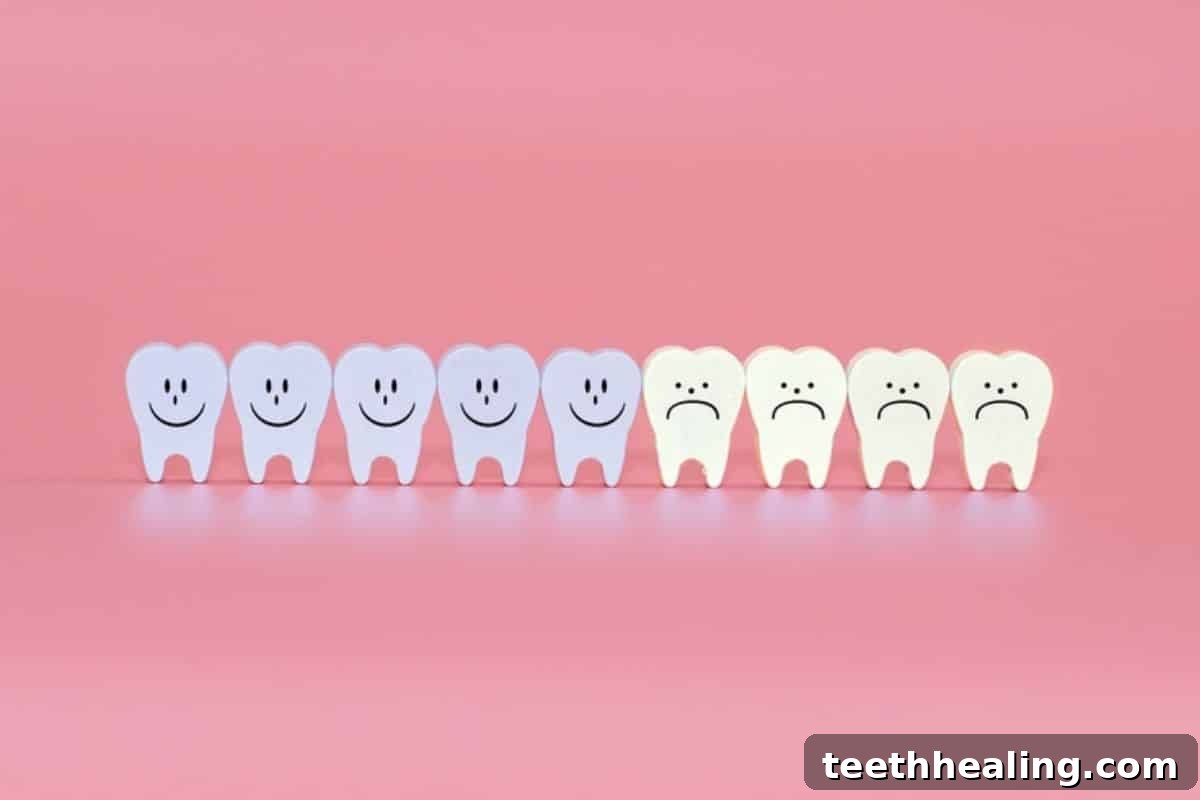
A radiant smile is often considered a hallmark of health and confidence. Yet, many people find themselves looking in the mirror and noticing that their teeth have lost their once brilliant luster, appearing dull or distinctly yellow. While various factors contribute to tooth discoloration, from common culprits like coffee and red wine to the natural aging process, an often-overlooked and surprising contributor can be a deficiency in essential vitamins. Understanding the profound connection between your nutritional intake and the health and aesthetics of your smile is not just important for oral hygiene but for your overall well-being. This comprehensive guide will delve into the intricate relationship between specific vitamin deficiencies and the yellowing of teeth, exploring how a balanced diet can be a powerful tool in maintaining a bright, healthy smile, and what actionable steps you can take to reverse or prevent such damage.
The Foundation of a Healthy Smile: How Vitamins Shape Your Teeth
Your diet is far more than just fuel; it’s the very blueprint for your body’s health, and this extends directly to your oral cavity. Just as vitamins are indispensable for the optimal functioning of your organs, immune system, and energy levels, they are equally critical for the strength, integrity, and appearance of your teeth and gums. When your body is deprived of the right balance of these vital micronutrients, the consequences can manifest in myriad ways, including structural weaknesses in tooth enamel, compromised gum health, and, notably, a noticeable shift in tooth color towards yellow. This section will explore the fundamental ways in which nutritional deficiencies can undermine the natural whiteness and resilience of your teeth.
While many vitamins play supporting roles, two key vitamins stand out for their direct impact on tooth color and health: Vitamin D and Vitamin C. These aren’t just arbitrary nutrients; they are deeply involved in processes that either directly protect your enamel or maintain the supporting structures that keep your teeth looking their best. Let’s illuminate how a shortfall in these particular vitamins can cast a yellowish hue over your smile and what their roles truly entail for your dental health.
Vitamin D: The Sunshine Vitamin and Its Role in Tooth Whiteness
Vitamin D, often dubbed the “sunshine vitamin,” is far more than just a mood enhancer; it is an absolute cornerstone for dental health. Its primary and most crucial function related to your teeth is its indispensable role in the absorption and regulation of calcium and phosphate—two minerals that are the very building blocks of strong teeth and bones. Without adequate levels of vitamin D, your body struggles significantly to process these vital minerals, rendering your teeth more vulnerable to a cascade of problems, including decay, structural weakening, and, critically, discoloration.
The integrity of your tooth enamel, the outermost protective layer of your teeth, is highly dependent on sufficient calcium and phosphate mineralization. When vitamin D levels are inadequate, this process is compromised, leading to enamel that is less dense, weaker, and more porous. Over time, such weakened enamel becomes more susceptible to wear and tear, acidic erosion, and the penetration of chromogens (staining agents from food and drink). More significantly, compromised enamel allows the underlying layer of dentin, which is naturally yellowish, to become more visible. This increased transparency or thinning of the enamel effectively unmasks the yellow dentin beneath, resulting in a less-than-white smile that can be mistaken for mere surface staining.
Furthermore, vitamin D also plays a role in the immune response and anti-inflammatory processes within the oral cavity, indirectly supporting gum health and reducing the risk of conditions that could lead to tooth discoloration. To fortify your enamel and ensure optimal calcium absorption, it is paramount to ensure you receive sufficient vitamin D. This can be achieved through regular, sensible exposure to sunlight, particularly during peak hours, which triggers the body’s natural synthesis of the vitamin. Dietary sources include fatty fish like salmon, mackerel, and tuna, certain fortified dairy products, orange juice, and cereals. For many, especially those with limited sun exposure or dietary restrictions, supplementation may be a necessary and effective way to maintain adequate levels, though always under the guidance of a healthcare professional.
Vitamin C Deficiency: The Link to Gum Health and Yellow Teeth
Vitamin C, renowned for its immune-boosting properties, plays an equally critical and often underestimated role in maintaining the health of your gums – the vital tissues that cradle and support your teeth. These gums are directly connected to the teeth, providing both structural support and protection for the tooth roots. A chronic deficiency in vitamin C can lead to serious gum disease, ranging from gingivitis to more advanced periodontitis. These conditions don’t just cause inflammation and bleeding; they can also lead to gum recession, a process where the gum tissue pulls away from the tooth surface.
When gums recede, the underlying root surfaces of your teeth, which are typically covered by gum tissue, become exposed. Unlike the enamel-covered crown of the tooth, the root surface is covered by a softer material called cementum, which quickly wears away to expose the dentin beneath. As mentioned previously, dentin is naturally yellowish and lacks the translucent white appearance of enamel. Consequently, exposed root surfaces make your teeth appear significantly more yellow, and because dentin is also more porous than enamel, it is more susceptible to staining from everyday foods and beverages. This exposure also increases sensitivity to hot, cold, and sweet stimuli.
Moreover, vitamin C is essential for the synthesis of collagen, a primary structural protein found in gums, periodontal ligaments (which anchor teeth to the jawbone), and other connective tissues throughout the body. Healthy collagen is crucial for strong, resilient gums that resist inflammation and infection. It also aids in tissue repair and fighting off bacterial infections, thereby supporting the overall health of your oral environment. Insufficient vitamin C can result in weakened capillaries, leading to bleeding gums, increased susceptibility to bacterial invasion, and, in severe cases like scurvy, even tooth loss. Incorporating vitamin C-rich foods into your daily diet is an enjoyable and effective way to safeguard your gum health and, by extension, the natural brightness of your teeth. Excellent sources include citrus fruits (oranges, grapefruits), strawberries, kiwi, bell peppers (especially red and yellow), broccoli, and leafy greens. Prioritizing these foods can help keep your smile vibrant, healthy, and less prone to the discoloration associated with compromised gum health.
Beyond D and C: Other Nutritional Influences on Tooth Color
While Vitamin D and C are prominent players in tooth coloration, other vitamins and minerals also contribute significantly to overall dental health, indirectly influencing the appearance and resilience of your teeth. For instance, Vitamin A is crucial for the formation of enamel and dentin during tooth development, as well as maintaining healthy salivary glands, which produce saliva to wash away food particles and neutralize acids. A deficiency could potentially impact enamel quality over time. Similarly, Vitamin K2 works synergistically with Vitamin D to guide calcium into bones and teeth, helping to prevent its deposition in soft tissues. Magnesium and phosphorus are also vital minerals incorporated into the tooth structure, contributing to its strength and resistance to decay.
It’s important to understand that a truly healthy, bright smile isn’t just about avoiding deficiencies in one or two vitamins; it’s about a holistic dietary approach that provides all the necessary nutrients for robust oral health. A well-rounded diet rich in whole foods, fresh fruits, vegetables, lean proteins, and healthy fats forms the best defense against not only vitamin deficiencies but also broader nutritional imbalances that could compromise your dental aesthetics and function.
What You Can Do to Prevent Yellow Teeth Due to Vitamin Deficiencies
If the appearance of your yellowing teeth has prompted concerns about a potential vitamin deficiency, rest assured that there are proactive and effective steps you can take to address this issue. Improving your dietary habits to ensure an adequate intake of essential vitamins is a powerful first line of defense, often leading to noticeable improvements in not just your teeth but your overall health. By focusing on specific nutrient-rich foods, you can work towards restoring the natural whiteness and strength of your teeth.
Optimize Your Vitamin Intake:
- For Vitamin D: Integrate more fortified milk, yogurts, and cereals into your diet. Eggs, especially the yolks, are another good source. Fatty fish, such as salmon, mackerel, tuna, and sardines, are excellent natural providers of vitamin D. Don’t forget the power of controlled sunlight exposure; spending 10-15 minutes outdoors a few times a week can significantly boost your body’s natural vitamin D production. If dietary and sun exposure aren’t enough, discuss supplementation with your doctor to determine the appropriate dosage.
- For Vitamin C: Embrace a colorful array of fruits and vegetables. Oranges, grapefruits, tangerines, and other citrus fruits are classic sources. Strawberries, kiwi, mango, and papaya are also packed with vitamin C. When it comes to vegetables, bell peppers (particularly red and yellow varieties), broccoli, Brussels sprouts, and dark leafy greens like kale are fantastic choices. Incorporating these into your daily meals, perhaps as snacks or in salads and smoothies, can significantly enhance your vitamin C levels.
Beyond Diet: Holistic Oral Care for a Bright Smile:
While nutritional adjustments are fundamental, they are most effective when coupled with a comprehensive oral hygiene routine. No amount of vitamins can compensate for poor daily care. Here’s what you should diligently practice:
- Consistent Brushing: Brush your teeth twice daily for at least two minutes each time, using a fluoride toothpaste. Fluoride helps to remineralize enamel, making it stronger and more resistant to acid erosion and stains. An electric toothbrush can often provide a more thorough cleaning.
- Daily Flossing: Floss at least once a day to remove food particles and plaque from between your teeth and along the gumline, areas that your toothbrush can’t effectively reach. This prevents plaque buildup, gum inflammation, and the progression of gum disease, which, as we’ve learned, can contribute to yellow teeth.
- Antiseptic Mouthwash: Consider incorporating an antiseptic or fluoride mouthwash into your routine. This can help reduce bacteria, strengthen enamel, and provide an extra layer of protection against plaque and gingivitis.
- Hydration: Drink plenty of water throughout the day. Water helps wash away food debris, neutralize acids, and maintain adequate saliva production, which is your body’s natural defense against tooth decay and staining.
- Limit Stain-Causing Foods & Drinks: While not a vitamin deficiency issue, it’s worth noting that highly pigmented foods and beverages like coffee, tea, red wine, and berries can stain teeth. Consuming them in moderation and rinsing your mouth with water afterward can help minimize their impact.
- Avoid Tobacco Products: Smoking and chewing tobacco are notorious for causing significant tooth discoloration and severe oral health problems, including gum disease and oral cancer. Quitting these habits is one of the most impactful steps you can take for your oral and overall health.
The Indispensable Role of Professional Dental Care:
Even with the most meticulous home care, regular visits to your dentist are crucial. Professional cleanings can remove stubborn plaque and tartar buildup, which are often yellowish or brownish and cannot be removed by brushing alone. Your dentist can also polish away superficial stains, revealing a brighter smile.
If you suspect that your yellow teeth are linked to a vitamin deficiency or any other underlying health issue, or if you simply desire a brighter smile, scheduling a visit with a dentist in Palm Desert is highly recommended. A dental professional can conduct a thorough examination, accurately identify the root cause of your yellow teeth – whether it’s dietary, genetic, age-related, or due to a medical condition – and provide personalized guidance. They can offer professional advice on dietary improvements, recommend appropriate supplements if necessary, and discuss various cosmetic treatments like professional teeth whitening if deemed suitable and safe for your specific situation. This comprehensive approach ensures that you’re not just treating a symptom but addressing the core issues for lasting oral health and aesthetics.
In conclusion, the journey to a bright, healthy smile is multifaceted, extending far beyond the brushing and flossing we perform daily. A vitamin deficiency, particularly in vitamins D and C, can significantly contribute to yellow teeth and a host of other complex dental problems. By diligently paying attention to your diet, ensuring an adequate intake of essential nutrients, maintaining exemplary oral hygiene practices, and committing to regular professional dental care, you empower yourself to prevent or even reverse the yellowing caused by nutritional shortcomings. Taking these proactive and holistic steps ensures that your smile remains vibrant, strong, and healthy, reflecting your overall well-being for many years to come.