
Losing a natural tooth can significantly disrupt your daily life, affecting everything from your ability to eat and speak comfortably to the aesthetics of your smile and your self-confidence. Fortunately, advancements in modern dentistry offer highly effective solutions to preserve your natural teeth, even when they face severe threats. Among these crucial treatments, a root canal stands out as a pivotal procedure. Often misunderstood, root canal therapy is a sophisticated dental intervention designed to save a compromised tooth from extraction by addressing issues deep within its structure. This procedure is not merely about alleviating pain; it is about preserving the foundation of your oral health, maintaining the integrity of your bite, and preventing a cascade of further dental problems. Understanding how root canals work and why they are vital is key to appreciating their role in maintaining a healthy, functional smile for years to come.
Understanding Root Canal Treatment: What Lies Within Your Tooth?
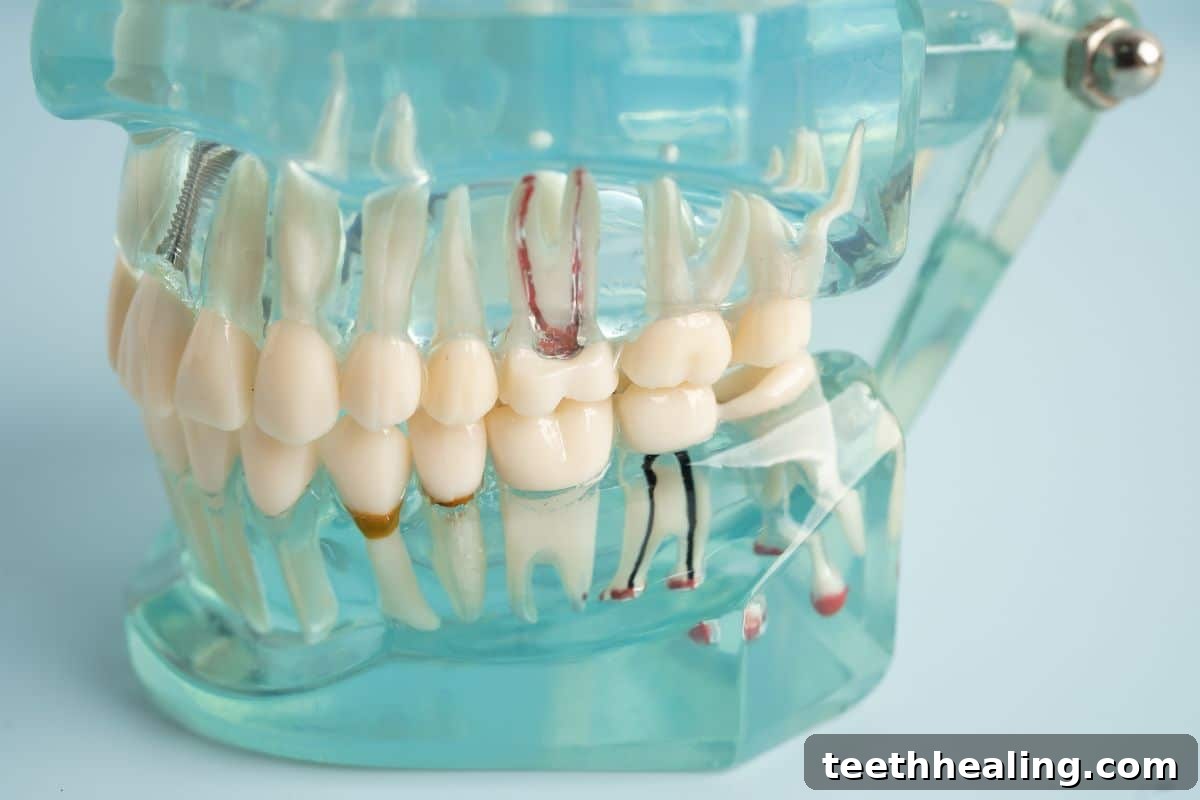
To fully grasp the importance of a root canal, it helps to understand the intricate anatomy of a tooth. Every tooth is composed of several layers: the hard outer enamel, the underlying dentin, and at its core, the dental pulp. This pulp chamber, extending from the crown down into the roots, houses delicate nerves, blood vessels, and connective tissues. It is responsible for forming the surrounding dentin during tooth development and providing nourishment and sensation to the tooth. When this vital pulp tissue becomes infected, inflamed, or irreparably damaged due to deep decay, trauma, cracks, or repeated dental procedures, it can lead to severe pain and, if left untreated, the death of the pulp and subsequent infection spreading to the surrounding bone. Root canal treatment, technically known as endodontic therapy, is a specialized dental procedure aimed at removing this infected or inflamed pulp, thoroughly cleaning and disinfecting the inside of the tooth, and then sealing it to prevent future contamination. The ultimate goal is to eliminate the infection, alleviate discomfort, and most importantly, save the natural tooth from extraction.
Why Root Canals Are Absolutely Necessary: Recognizing the Signs
The necessity for a root canal arises when the tooth’s innermost tissue, the pulp, becomes compromised. This compromise can stem from various issues, each capable of leading to significant discomfort and potential complications if not addressed promptly. Identifying the warning signs is crucial for early intervention and successful treatment:
- Persistent Tooth Pain: This is often the most telling symptom. The pain can range from mild to severe, constant or intermittent, and may worsen when chewing or applying pressure to the tooth. It can also manifest as a throbbing sensation that radiates to other parts of the face, often disrupting sleep.
- Sensitivity to Hot and Cold: While some sensitivity is normal, prolonged sensitivity (lingering for more than a few seconds) to hot liquids, foods, or cold air can indicate an inflamed or infected pulp. This sensitivity may evolve into a sharp, intense pain.
- Swelling and Tenderness in Gums: An infection can spread from the tooth root into the surrounding gums and bone, leading to noticeable swelling, tenderness, or a small pimple-like bump (abscess) on the gum tissue near the affected tooth. This bump, known as a fistula, may periodically release pus, providing temporary relief but indicating a persistent infection requiring professional treatment.
- Discoloration of the Tooth: A tooth that has an infected or dying pulp may appear darker, grayish, or even yellowish, often due to the compromised blood supply and breakdown of internal tissues. This change in color signifies internal damage.
- Pain When Chewing or Touching: If merely touching the tooth or biting down causes sharp pain, it’s a strong indicator of internal damage or infection affecting the periodontal ligaments that connect the tooth to the jawbone.
Beyond these symptoms, the underlying causes that lead to pulp damage typically include deep dental decay that has penetrated the enamel and dentin to reach the pulp, traumatic injuries such as cracks or chips that expose the pulp to bacteria, and even repeated dental procedures on the same tooth over time, which can stress the pulp to the point of inflammation or infection. Prompt action upon recognizing these signs can make all the difference in saving your tooth.
Preventing Tooth Loss with Root Canal Therapy: A Shield for Your Smile
Root canal treatment serves as a critical defense mechanism against tooth loss, offering a way to salvage teeth that would otherwise require extraction. Its role in preserving natural dentition is multifaceted and profoundly impactful:
Addressing Severe Decay and Cavities
When dental decay progresses unchecked, it can breach the protective layers of enamel and dentin, ultimately invading the sensitive dental pulp. Once bacteria reach the pulp, an infection rapidly sets in, causing intense pain and jeopardizing the tooth’s structural integrity. A root canal effectively intervenes by meticulously removing all infected pulp tissue, thoroughly disinfecting the intricate network of root canals, and then sealing them off. This precise process eliminates the source of infection and pain, allowing the tooth to remain firmly in its socket, fully functional, and integrated into your smile. Without this timely intervention, the only alternative is often extraction, leading to unsightly gaps in your smile, potential shifting of adjacent teeth, and a host of other complications that can compromise your entire bite.
Repairing Trauma Damage and Fractures
Accidents, sports injuries, or even everyday mishaps can inflict significant trauma upon teeth, resulting in cracks, chips, or fractures that extend deep enough to expose the dental pulp. Such exposure creates an open gateway for bacteria to enter, leading to infection and inflammation. Root canal therapy becomes indispensable in these scenarios, as it allows dentists to address the compromised pulp directly. By removing the damaged or infected pulp and sealing the internal structures, the treatment prevents the spread of infection and preserves the tooth’s natural structure. This critical intervention avoids the need for extraction and the subsequent requirement for more complex and often more expensive restorative procedures like dental implants or bridges to fill the void, which can be both time-consuming and costly.
Saving Teeth with Repeated Dental Procedures
Over time, teeth that have undergone multiple dental procedures, such as large fillings, extensive restorations, or repeated crown placements, can experience cumulative stress and trauma. This can lead to gradual inflammation or irritation of the pulp, eventually compromising its vitality. Even if decay isn’t initially present, the pulp can become irreversibly damaged from the repeated assault. A root canal in these cases treats the underlying pulp issue, cleaning out any inflamed or dying tissue. Following the root canal, the tooth is typically reinforced with a custom-made dental crown, which restores its strength, protects it from future fractures, and ensures its long-term functionality. This strategic approach prevents the necessity of extraction, allowing you to retain your natural tooth and maintain the harmony of your dental arch.
Preventing Abscess Formation and Systemic Health Risks
An untreated pulp infection does not simply go away; it can worsen and spread, becoming a serious threat to your health. Bacteria from the infected pulp can extend beyond the tooth’s root tip, forming a painful collection of pus known as a dental abscess. An abscess can cause significant swelling, severe pain, and even facial disfigurement. More critically, these infections can spread to the jawbone, adjacent teeth, or even enter the bloodstream, potentially leading to more serious systemic health issues such as cellulitis or sepsis, which require urgent medical attention. Root canal therapy effectively eliminates the source of this infection, draining the abscess and preventing further spread, thus safeguarding not just your oral health but your overall well-being.
Maintaining Bone Density and Facial Aesthetics
Each natural tooth root is embedded firmly in the jawbone and provides essential stimulation to the bone tissue during chewing and biting. This stimulation is vital for maintaining the bone’s density and structure. When a tooth is extracted, this crucial stimulation ceases, leading to a phenomenon known as bone resorption, where the jawbone gradually deteriorates and shrinks over time. This loss of bone density can not only compromise the stability of adjacent teeth and limit future restorative options but also significantly alter your facial structure, leading to a sunken or aged appearance. By saving a natural tooth through a root canal, you preserve its root, which continues to stimulate the jawbone, thereby maintaining bone density and supporting the natural contours of your face. This proactive approach prevents the domino effect of bone loss and subsequent aesthetic and functional changes.
The Root Canal Procedure: A Step-by-Step Overview
The root canal procedure has advanced considerably in recent decades, making it a routine, comfortable, and highly effective treatment. Modern techniques, coupled with sophisticated anesthetics, ensure that most patients experience little to no pain during the process. Here’s a typical breakdown of the steps involved:
- Diagnosis and X-rays: The first step involves a comprehensive examination. Your dentist will evaluate your symptoms, conduct a thorough clinical assessment, and take detailed X-rays to visualize the internal structure of your tooth, assess the extent of the infection or damage, and accurately determine if a root canal is the appropriate treatment.
- Anesthesia: To ensure complete comfort throughout the procedure, the affected tooth and surrounding gum tissue are thoroughly numbed using a local anesthetic. Many patients report that this injection is the most sensation they feel during the entire treatment, making the rest of the procedure pain-free.
- Isolation: A small, thin protective sheet made of latex or non-latex material, known as a dental dam, is carefully placed around the tooth. This isolates the tooth from the rest of the mouth, keeping it clean and dry from saliva, bacteria, and debris during the treatment, which is crucial for preventing re-infection.
- Access Opening: A small, precise opening is carefully created on the top surface of the tooth (for back teeth) or on the back (for front teeth) to gain direct access to the pulp chamber and the intricate network of root canals within.
- Cleaning and Shaping: Using tiny, highly flexible instruments called endodontic files, the infected or damaged pulp tissue, along with any bacteria and debris, is meticulously removed from the pulp chamber and the intricate root canal system. The canals are also carefully shaped and prepared to facilitate proper filling and sealing. Throughout this process, irrigating solutions containing antimicrobial agents are used to thoroughly clean and disinfect the canals, ensuring all infectious material is eliminated.
- Filling the Canals (Obturation): Once the root canals are completely clean, disinfected, and thoroughly dried, they are filled with a biocompatible, rubber-like material called gutta-percha. This material is typically sealed in place with an adhesive cement. This dense filling material completely fills the entire canal system, preventing bacteria from re-entering and causing future infection.
- Temporary Filling: After the canals are filled, a temporary filling is placed in the access opening on the tooth’s surface. This provisional restoration protects the tooth until the final, permanent restoration, usually a dental crown, can be placed during a subsequent appointment.
- Final Restoration: This is a crucial final step for the long-term success of the root canal. After the root canal, the treated tooth, especially a posterior tooth, can become brittle and its structural integrity may be compromised due to the removal of pulp and the access opening. A custom-made dental crown is typically placed over the tooth to provide maximum strength, protect it from future fractures, and restore its normal function and aesthetic appearance. This restoration is vital for the long-term durability and protection of the root canal-treated tooth.
Recovery and Aftercare: Ensuring Lasting Success
Recovery from a root canal is generally swift and manageable, especially compared to the discomfort experienced before the procedure. It’s common to experience some mild discomfort or sensitivity for a few days following the procedure, particularly when biting down or chewing. This sensation is typically a sign of the healing process and can usually be managed effectively with over-the-counter pain relievers like ibuprofen or acetaminophen. Your dentist may also prescribe antibiotics if an infection was particularly severe or persistent, or if there were signs of an abscess.
During the immediate recovery period and especially until the final crown or permanent filling is placed, it’s advisable to:
- Avoid chewing on the treated tooth: This is a critical instruction. It prevents potential fracture of the weakened tooth before it is fully restored with a permanent crown or other final restoration, which provides crucial structural support.
- Maintain excellent oral hygiene: Continue brushing and flossing regularly, paying careful attention around the treated tooth to keep the area clean and free from plaque and food debris.
- Attend follow-up appointments: It’s absolutely crucial to return to your dentist for the placement of the permanent crown or other final restoration. This step is integral to the long-term success, protection, and durability of the root canal-treated tooth, preventing re-infection and restoring full function.
Most patients can resume their normal activities the day after the procedure. With proper care and the timely placement of the final restoration, a root canal treated tooth can last a lifetime, functioning just like any other natural tooth.
The Enduring Advantages: Long-Term Benefits of Root Canal Therapy
Opting for a root canal offers a wealth of long-term benefits that extend far beyond simply alleviating immediate pain. It represents a profound investment in your holistic oral health and overall quality of life, safeguarding your smile for decades:
- Preservation of Your Natural Tooth: This is unequivocally the most significant benefit. Retaining your original tooth means preserving its unique fit, feel, and function. Nothing quite functions like a natural tooth, and saving it prevents the need for bridges or implants, which, while excellent alternatives, still require more extensive procedures and maintenance.
- Restored Chewing Efficiency and Comfort: With the infection resolved, inflammation reduced, and the tooth properly restored and protected with a crown, you can chew efficiently and comfortably on both sides of your mouth. This aids in proper digestion, allows you to enjoy a wide variety of foods without discomfort or limitations, and restores your ability to bite with confidence.
- Maintenance of Adjacent Teeth Alignment: When a tooth is extracted, the neighboring teeth can begin to shift into the empty space over time, leading to misalignment, bite problems, and increased risk of decay or gum disease in those adjacent teeth due to altered biting forces and difficulty cleaning. A root canal prevents this undesirable shifting, preserving the natural alignment and stability of your entire dentition.
- Prevention of Jawbone Deterioration: As discussed earlier, a natural tooth root stimulates the jawbone. Keeping your natural tooth through root canal therapy helps maintain the integrity and density of your jawbone, preventing the bone loss and shrinkage that inevitably follows an extraction, thereby preserving your facial structure.
- Enhanced Oral Hygiene: Maintaining good oral hygiene is generally easier and more straightforward with natural teeth compared to having gaps, fixed bridges, or removable partial dentures, all of which can require special cleaning techniques and tools. A natural tooth allows for normal brushing and flossing.
- Cost-Effectiveness in the Long Run: While a root canal followed by a crown involves an initial investment, it is often more cost-effective over a lifetime compared to the alternatives of extraction followed by a dental implant or a fixed bridge. These alternative solutions typically involve higher long-term costs, more invasive procedures, and additional maintenance.
- Aesthetically Pleasing Results: A root canal, especially when capped with a custom-matched crown that blends seamlessly with your natural teeth, fully restores the tooth’s natural appearance. This preserves the beauty and symmetry of your smile, allowing you to smile, speak, and laugh with renewed confidence.
Debunking Myths: Separating Fact from Fiction About Root Canals
Root canals often suffer from a negative reputation, largely fueled by outdated information, sensationalized stories, and common misconceptions. It’s crucial to clarify these points and provide accurate information:
- Myth: Root canals are extremely painful.
Fact: This is perhaps the most pervasive and harmful myth. Thanks to modern anesthetics and advanced techniques, a root canal procedure is often no more uncomfortable than getting a routine filling. In fact, the procedure itself is designed to relieve the excruciating pain caused by an infected or inflamed pulp, not cause it. Most patients report feeling only pressure, not pain, during the treatment. - Myth: It’s better to extract a tooth than get a root canal.
Fact: Saving your natural tooth is almost always the best option. Extracting a tooth leads to a cascade of problems including bone loss in the jaw, shifting of adjacent teeth, and the need for more expensive and invasive restorative treatments like dental implants, bridges, or dentures. No artificial replacement can perfectly replicate the function, feel, and natural aesthetics of a natural tooth. - Myth: Root canals require multiple, long appointments.
Fact: While the complexity of each case varies, many root canals can be completed in one or two appointments, depending on the severity of the infection and the anatomy of the tooth. While the process of cleaning and sealing the canals is meticulous, modern endodontic tools and techniques have significantly streamlined the procedure, making it more efficient than ever before. - Myth: You only need a root canal if you’re in pain.
Fact: While severe pain is a common indicator of an infected pulp, not all teeth needing root canal therapy present with pain. Some teeth may have chronic infections or dying pulp that are asymptomatic, only to be discovered during a routine dental exam or X-ray. Delaying treatment in these cases, even in the absence of pain, can lead to severe infections, extensive bone loss, and compromise the tooth’s long-term prognosis. - Myth: Root canal treatment causes illness.
Fact: This myth stems from poorly designed research from the early 20th century that has been thoroughly debunked by modern science. Extensive and reputable scientific evidence confirms that root canal therapy is a safe and effective treatment that eliminates infection and does not cause systemic health problems. In contrast, leaving an infected tooth untreated can lead to serious health complications throughout the body.
When to See a Dentist: Don’t Delay Your Dental Health
If you experience any of the symptoms indicative of a pulp infection – persistent tooth pain that may keep you awake at night, prolonged sensitivity to hot or cold temperatures, tenderness or swelling in your gums around a specific tooth, a noticeable pimple-like bump on your gums, or tooth discoloration – it is imperative to consult your dentist without delay. Early diagnosis and prompt intervention are absolutely critical for the successful outcome of root canal therapy and for preventing more severe complications. Ignoring these signs can lead to the widespread dissemination of infection, increased pain, significant bone loss, and ultimately, the irreversible loss of the affected tooth. Your dentist will be able to perform a thorough examination, including advanced imaging like X-rays, to accurately diagnose the problem and recommend the most appropriate course of action, ensuring you receive the care you need when you need it.
Conclusion: The Unsung Hero of Dental Preservation
Root canal treatment is an indispensable cornerstone of modern dentistry, playing a profoundly critical and often undervalued role in the prevention of tooth loss. By adeptly addressing deep-seated infections and damage within the innermost core of the tooth, this sophisticated procedure effectively safeguards your natural teeth, alleviates discomfort, and significantly contributes to the maintenance of your overall oral health. It is a testament to dental innovation, offering a second chance to teeth that might otherwise be condemned to extraction. Investing in your dental health with timely and appropriate root canal therapy is not merely a treatment; it is a strategic decision that can prevent more extensive, complex, and costly dental procedures in the future. By preserving your natural teeth, root canals empower you to enjoy a complete, functional, and aesthetically pleasing smile for a lifetime. If you suspect an issue, consult your dentist near you promptly – early intervention truly is the key to a healthy smile and lasting oral well-being.