Losing a tooth can significantly impact your daily life, affecting everything from how you eat and speak to your overall confidence. Dental implants have emerged as a gold standard for replacing missing teeth, offering a remarkably natural appearance and exceptional stability. They are widely celebrated for their ability to integrate with your jawbone, providing a long-lasting foundation for artificial teeth. However, a crucial question often arises for many prospective patients: Is it still possible to receive dental implants if you are currently dealing with gum disease?
The straightforward answer is yes, but with an important prerequisite: active gum disease must be effectively treated and brought under control before implant placement. An experienced implant dentist will always prioritize your gum health, understanding that a healthy foundation is paramount for the long-term success and stability of any dental implant. Addressing any existing periodontal issues early on not only ensures a safer procedure but also profoundly impacts the enduring success and aesthetic outcome of your new smile.
This comprehensive guide will break down the intricate relationship between gum disease and dental implants, explaining the necessary steps and considerations to help you understand what to expect on your journey to a fully restored and healthy smile.
Meet Your Specialist: Dr. Robert McLachlan Jr. – A Leader in Prosthodontics and Implant Dentistry

Prosthodontist and Dentist in Palm Desert, CA
Understanding the complexities of both gum health and dental implants requires the expertise of a highly trained specialist. Dr. Robert McLachlan Jr is a distinguished Prosthodontist, a dental specialist focused on the restoration and replacement of teeth, including advanced procedures like dental implants. He earned his dental degree from the prestigious University of Southern California before pursuing extensive advanced training, culminating in a Master’s in Oral Science from the University of Iowa.
With a career spanning nearly 25 years, Dr. McLachlan Jr. has dedicated his practice to treating a vast array of dental challenges, from routine care to the most intricate cases involving full-mouth rehabilitation and complex dental implant solutions. His profound expertise in prosthodontics means he possesses a unique understanding of how to meticulously plan and execute treatments that not only look natural but also function flawlessly and stand the test of time. His patient-centered philosophy ensures that each individual receives a personalized treatment plan meticulously tailored to their unique needs and oral health goals, consistently supporting superior long-term oral health outcomes. Beyond his professional commitments, Dr. McLachlan Jr. enjoys an active lifestyle, finding relaxation and joy in activities such as hiking, golf, skiing, scuba diving, and cherishing quality time with his family.
Understanding Gum Disease: A Critical Precursor to Implant Success
Gum disease, also known as periodontal disease, is a serious inflammatory condition affecting the gums and the supporting structures around your teeth. It typically originates from the accumulation of plaque, a sticky film of bacteria that constantly forms on your teeth. If plaque is not diligently removed through daily brushing and flossing, it hardens into tartar, which can only be removed by a dental professional. The presence of plaque and tartar irritates the gums, leading to inflammation.
In its initial stage, known as gingivitis, gum disease may manifest as red, swollen, or easily bleeding gums, particularly during brushing or flossing. Gingivitis is often reversible with professional cleaning and improved oral hygiene. However, if left untreated, gingivitis can progress to periodontitis, a more severe form of gum disease. Periodontitis causes the gums to pull away from the teeth, forming pockets that become infected. As the infection deepens, it begins to break down the bone and connective tissue that hold teeth in place, eventually leading to tooth loosening and, tragically, tooth loss. This destructive process underscores precisely why meticulous gum health is absolutely non-negotiable before considering the placement of dental implants.
Can You Still Receive Dental Implants with a History of Gum Disease?
The reassuring answer remains yes, most individuals with a history of gum disease can still be excellent candidates for dental implants. However, the crucial condition is that your gums must be completely healthy, stable, and free from active infection before any implant procedure commences. An experienced implant dentist will never proceed with placing dental implants into an environment compromised by active gum disease.
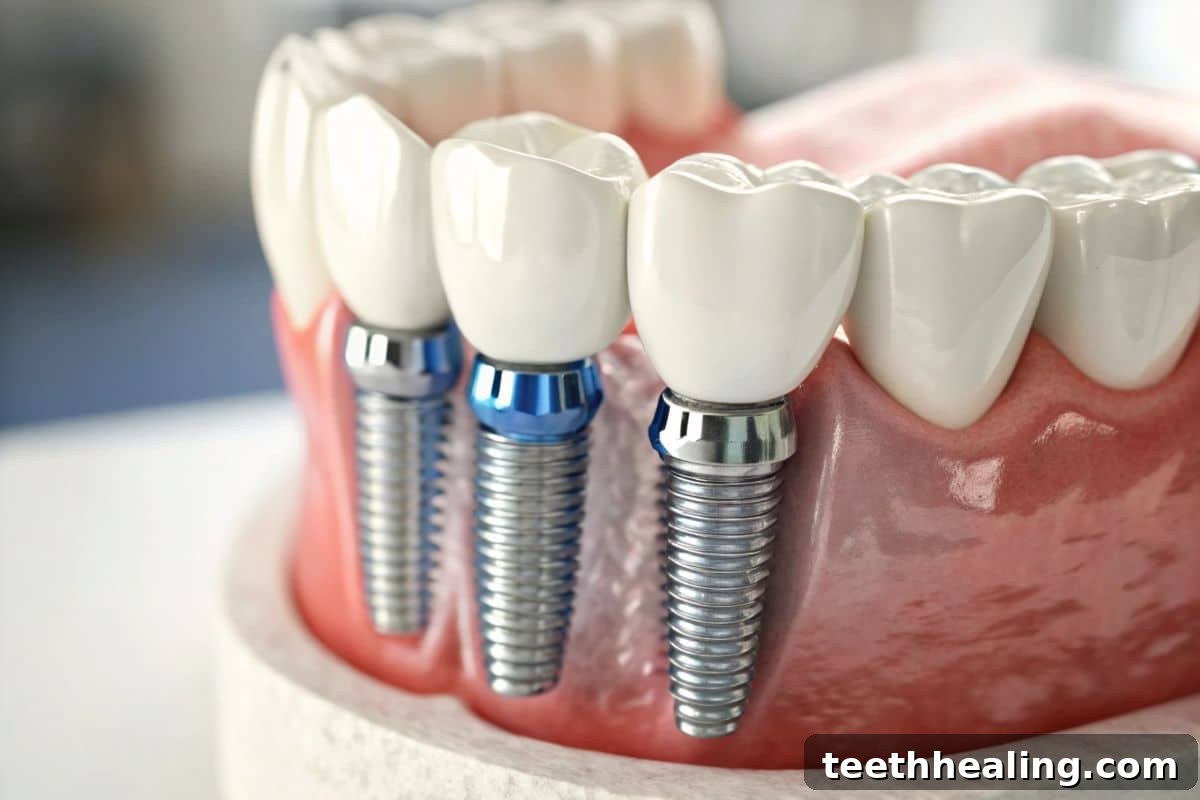
There are compelling reasons for this stringent requirement. Dental implants rely on a process called osseointegration, where the implant post fuses directly with the surrounding jawbone. For this vital fusion to occur successfully and for the implant to remain stable and functional long-term, it requires a robust foundation of healthy bone and healthy gum tissue. If active gum disease is present, the chronic inflammation and bacterial infection can severely impede the healing process, compromise osseointegration, and dramatically increase the risk of early implant failure or the development of peri-implantitis (a condition similar to gum disease that affects implants) later on. The encouraging news is that with dedicated and proper treatment, the vast majority of individuals can effectively manage their gum disease and subsequently qualify for successful dental implant placement.
Prioritizing Gum Health: The Foundation for Lasting Implant Success
Healthy gums serve as the fundamental support system for both your natural teeth and, critically, for your dental implants. Without a robust and infection-free periodontal environment, dental implants cannot achieve the stability and longevity for which they are renowned. This is why the initial assessment by an implant dentist is so thorough and paramount.
During this comprehensive evaluation, your implant dentist will meticulously check for several key indicators:
- Bone Strength and Density: Assessing the quality and quantity of your jawbone is vital, as it will anchor the implant. Gum disease can lead to significant bone loss.
- Gum Condition: A detailed examination of your gum tissue, looking for any signs of inflammation, bleeding, recession, or deep pockets.
- Signs of Active Infection: Identifying any current bacterial infections that could jeopardize the implant site.
- Overall Oral Health: A holistic review of your entire oral cavity, including other existing dental conditions that might impact the treatment plan.
If any issues, particularly active gum disease, are detected during this initial phase, they will be meticulously addressed and treated before any consideration is given to implant placement. This essential pre-treatment step is not merely a formality; it is a critical investment in protecting your long-term results and ensuring the successful integration and enduring health of your dental implants.
Essential Treatments Before Dental Implants
If gum disease is diagnosed, your personalized care plan will typically involve a series of targeted treatments designed to eradicate the infection and restore your gums to a state of optimal health. These treatments are foundational to preparing your mouth for successful implant integration:
Deep Cleaning (Scaling and Root Planing)
This specialized non-surgical procedure is often the first line of defense against moderate gum disease. It involves meticulously removing plaque, tartar, and bacterial toxins from both above and below the gum line. Scaling removes the hardened deposits, while root planing smooths the root surfaces of your teeth, making it more difficult for bacteria to reattach and allowing the gums to reattach more firmly to the cleaned roots.
Medication
In some cases, your dentist may prescribe antibiotics, either orally or applied directly to the gum pockets, to help control and eliminate persistent bacterial infections that contribute to gum disease. Anti-microbial mouthwashes may also be recommended to support healing and reduce bacterial load.
Gum Therapy (Periodontal Surgery)
For more advanced stages of periodontitis where deep pockets remain after deep cleaning, surgical gum therapy may be necessary. Procedures such as flap surgery can reduce pocket depths and allow for thorough cleaning of the root surfaces. Gum grafting might be performed if gum recession is significant, using tissue from another area of your mouth to cover exposed roots and protect them.
Bone Support (Bone Grafting)
A common consequence of advanced gum disease is the loss of jawbone volume, which is crucial for supporting dental implants. If there isn’t enough healthy bone to securely anchor an implant, bone grafting procedures may be required. This involves adding bone material (either from your own body, a donor, or synthetic sources) to augment the jawbone, creating a stronger and more stable foundation for future implant placement. This procedure often requires a healing period before implant surgery can proceed.
Only once your gums have fully healed, the infection is eradicated, and your supporting bone structure is deemed adequate, will your implant dentist safely and confidently move forward with the next phases of your dental implant journey. This systematic approach significantly mitigates risks and enhances the predictability of a successful long-term outcome.
The Comprehensive Dental Implant Process: A Step-by-Step Journey to a New Smile
Embarking on the journey to receive dental implants is a structured, multi-step process, meticulously guided by your dental specialist to ensure optimal results. While the exact timeline can vary depending on individual needs and the extent of any required pre-treatments, the general pathway typically follows these phases:
- Initial Consultation and Comprehensive Planning: The process begins with a detailed examination of your oral health, including advanced imaging such as X-rays and 3D CT scans. This allows your implant dentist to precisely assess your bone structure, gum health, and overall suitability for implants. A personalized treatment plan is then developed.
- Gum Disease Treatment (If Necessary): As discussed, any active gum disease must be thoroughly treated and resolved. This might involve deep cleanings, medications, or surgical interventions to restore gum health and eliminate infection.
- Healing Period (Post-Gum Treatment): After gum disease treatment, a critical healing period is observed. This allows your gum tissues to recover completely and ensures a healthy, infection-free environment for the upcoming implant procedure. The duration varies but is essential for success.
- Implant Placement Surgery: During this surgical phase, the titanium implant posts are carefully placed into your jawbone at the site of the missing teeth. This is usually an outpatient procedure performed under local anesthesia, with sedation options available for patient comfort.
- Osseointegration (Healing and Fusion): Following implant placement, a vital healing period of several weeks to a few months begins. During this time, the titanium implants gradually fuse with your jawbone in a biological process called osseointegration. This creates a remarkably strong and stable foundation, much like the root of a natural tooth.
- Abutment Placement: Once osseointegration is complete, a small connector piece called an abutment is attached to the top of the implant. This abutment will serve as the anchor for your new crown, bridge, or denture.
- Final Restoration Placement (Crown, Bridge, or Denture): Impressions of your mouth are taken to custom-fabricate your permanent prosthetic teeth (crowns for single implants, bridges for multiple, or dentures for full arch replacement). These restorations are designed to match your natural teeth in color, shape, and size, providing a seamless and aesthetically pleasing result.
While this comprehensive approach may seem time-consuming, each step is crucial and significantly contributes to improving the success rates and longevity of your dental implants. Dental implants placed in healthy, well-prepared conditions are known to last longer, perform better, and offer a more reliable and satisfying solution for tooth replacement.
Local Factors That Matter: Maintaining Oral Health in Palm Desert, CA
Living in Palm Desert, with its unique environmental and lifestyle characteristics, can subtly influence oral health. The arid climate and dry desert air, for example, might contribute to reduced saliva flow for some individuals, potentially increasing the risk of dry mouth. Saliva plays a crucial role in washing away food particles and neutralizing acids, acting as a natural defense against plaque buildup and gum disease. Moreover, busy routines and active outdoor lifestyles, common in Palm Desert, can sometimes lead to less consistent hydration or, unfortunately, skipped oral hygiene practices.
These seemingly minor factors can collectively heighten the risk of developing gum issues. Consequently, residents of Palm Desert must place an even greater emphasis on diligent regular checkups and a rigorous daily oral care routine. Staying consistently hydrated, maintaining excellent oral hygiene, and adhering to your dentist’s recommended schedule for professional cleanings are not just good practices; they are essential safeguards for protecting your natural teeth, ensuring the longevity of your dental implants, and preserving your overall systemic health.
Strategies to Lower Your Risk of Gum Disease and Protect Your Implants
Preventing gum disease is the most effective way to ensure a smooth path to dental implants and to protect their longevity once placed. Simple, consistent habits can make an enormous difference in maintaining optimal gum health:
- Brush Twice a Day: Use a soft-bristled toothbrush and fluoride toothpaste. Brush gently but thoroughly for two minutes each time, covering all surfaces of your teeth and gums.
- Floss Daily: Flossing removes food particles and plaque from between your teeth and under the gum line, areas your toothbrush can’t reach. This is critical for preventing gum inflammation.
- Use an Antimicrobial Mouthwash: Your dentist may recommend a therapeutic mouthwash to further reduce bacteria and inflammation, especially if you are prone to gum issues.
- Drink Enough Water: Staying well-hydrated helps maintain good saliva flow, which naturally cleanses your mouth.
- Visit Your Dentist Regularly: Schedule professional dental cleanings and check-ups at least twice a year, or more frequently if recommended by your dentist, to remove plaque and tartar buildup and monitor your gum health.
- Avoid Smoking and Tobacco Products: Smoking is one of the most significant risk factors for developing severe gum disease and can severely compromise the success of dental implants and their healing process.
- Maintain a Balanced Diet: Eating a diet rich in vitamins and minerals supports overall health, including the health of your gums and bones. Limit sugary snacks and drinks that feed harmful bacteria.
By integrating these preventative measures into your daily routine, you actively contribute to keeping your gums healthy and creating the ideal environment for successful and long-lasting dental implants.
When to See an Implant Dentist: Don’t Delay Care
Recognizing the early signs of gum disease and seeking prompt professional care is crucial, especially if you are considering or already have dental implants. Delaying treatment can lead to more complex and costly problems down the line. Do not hesitate to schedule a consultation with an implant dentist if you observe any of the following symptoms:
- Bleeding Gums: Gums that bleed easily during brushing or flossing are often the first sign of gingivitis.
- Swelling or Tenderness: Gums that appear red, swollen, or tender to the touch are indicative of inflammation.
- Receding Gums: Gums that pull away from the teeth, making your teeth look longer.
- Persistent Bad Breath: Halitosis that doesn’t go away, even after brushing, can be a sign of bacterial infection.
- Loose Teeth: This is a more advanced symptom, indicating significant bone loss and compromised support for your teeth.
- Pus Between Teeth and Gums: A clear sign of active infection.
An implant dentist is uniquely qualified to assess your specific condition, differentiate between various stages of gum disease, and recommend the most appropriate course of action. Early intervention almost always leads to better treatment outcomes, fewer complications, and a more predictable path towards achieving your desired smile with dental implants.
Final Thoughts: Achieving Your Dream Smile with Confidence
The journey to restoring your smile with dental implants is entirely possible, even if you have a history or current presence of gum disease. The pivotal factor lies in meticulous timing and comprehensive, appropriate care. The golden rule is clear: any existing gum infection must be thoroughly treated and resolved before proceeding with implant placement. This foundational step is not merely a recommendation; it is a critical investment in the longevity, stability, and aesthetic success of your new teeth.
Under the expert guidance of an experienced implant dentist like Dr. Robert McLachlan Jr., a carefully crafted treatment plan can help you navigate the necessary steps, ensuring that you achieve strong, healthy, and lasting results. With the right approach, you can confidently move forward to enjoy all the benefits that stable, natural-looking dental implants provide.
If you are currently managing gum issues and are contemplating the life-changing benefits of dental implants, we strongly encourage you to take the next step. Schedule a consultation with Palm Desert Dentist: Cosmetic, Restorative, & Implant Dentistry to thoroughly explore your options and receive a personalized assessment. Alternatively, you can always contact our Palm Desert Dentist: Cosmetic, Restorative, & Implant Dentistry office directly to speak with our knowledgeable team and plan your confident next step towards a healthier, more beautiful smile.
Frequently Asked Questions About Dental Implants and Gum Disease
Yes, in its early stage (gingivitis), gum disease can often be completely reversed with professional dental cleaning and a consistent, meticulous home oral hygiene routine. More advanced stages of gum disease (periodontitis) cannot be fully reversed, but they can be effectively managed and controlled through various treatments. The goal is to bring the disease into a stable, non-active state, which then allows for safe and successful dental implant treatment later on.
The necessary healing time after gum disease treatment varies considerably for each individual and depends on the severity of the initial disease and the specific treatments performed. In many cases, it may take anywhere from a few weeks for minor issues to several months for more extensive procedures like bone grafting or advanced gum therapy. Your implant dentist will closely monitor your gum health and bone healing, providing clear guidance on when it is absolutely safe and advisable to proceed with dental implant placement, ensuring optimal conditions for success.
Absolutely. Untreated or poorly managed gum disease significantly increases the risk of complications and even failure of dental implants. Active infection and inflammation can prevent proper osseointegration (the fusion of the implant with the bone) and can lead to a condition called peri-implantitis, which is essentially gum disease affecting the tissues around an implant. For the long-term success and stability of dental implants, a foundation of healthy gums and strong bone is indispensable. This is precisely why thorough gum disease treatment is always the crucial first step.
Yes, bone loss is a major concern. Advanced gum disease is a primary cause of jawbone loss over time, as the infection erodes the bone that supports your teeth. Since dental implants require a sufficient volume and density of healthy jawbone for stable anchorage, significant bone loss can present a challenge. If bone support is deemed inadequate, additional procedures such as bone grafting may be necessary before placing implants to rebuild the jawbone and create a robust foundation. Your dentist will assess this during your initial consultation.
Yes, there are several key indicators that your gums may not be in optimal condition for implant placement. Common signs include persistent bleeding when brushing or flossing, noticeable swelling, tenderness, or redness of the gum tissue around the intended implant site. Other indicators might include persistent bad breath that doesn’t resolve, deep gum pockets, or any sign of pus. These symptoms strongly suggest ongoing inflammation or infection and should be thoroughly evaluated and treated by your dentist before moving forward with any implant procedures.
Maintaining exceptional oral hygiene is paramount to protecting your treated gums and the longevity of your new dental implants. This involves a rigorous daily routine of brushing twice a day with a soft-bristled brush and flossing daily, ensuring you clean around your implants as directed by your dentist. Crucially, you must keep up with all routine dental check-ups and professional cleanings, typically every three to six months, as advised by your dental team. Following your dentist’s specific post-treatment and implant care plan closely is essential. These consistent efforts are vital in preventing the recurrence of gum disease and safeguarding your dental implant results for many years to come.