Halitosis, more commonly known as bad breath, is a condition that impacts a significant portion of the global population, leading to discomfort and, at times, considerable self-consciousness. Far from being a minor inconvenience, it can affect social interactions, professional relationships, and overall self-esteem. According to the American Dental Association (ADA), a staggering 50% of adults will experience halitosis at some point in their lives, highlighting its widespread prevalence. The sources of bad breath are diverse, ranging from the mundane — like certain dietary choices or inadequate daily oral hygiene — to more serious underlying dental issues or even systemic health problems. Regardless of its origin, halitosis is a clear indicator that professional dental care, particularly regular dental cleanings, is not just beneficial but absolutely crucial for maintaining fresh breath and achieving optimal oral health.
The persistent nature of bad breath can be a source of constant worry and embarrassment, prompting individuals to seek remedies ranging from mints and mouthwashes to more drastic measures. However, true and lasting relief often requires a deeper understanding of its causes and a commitment to professional and consistent oral care. This comprehensive guide will delve into the various factors contributing to halitosis, elucidate the profound benefits of routine dental cleanings, and provide practical advice for at-home oral hygiene protocols to help you reclaim your fresh breath and confidence.
Understanding the Etiology of Halitosis: What Causes Bad Breath?
To effectively combat bad breath, it’s imperative to first understand its root causes. While numerous factors can contribute to halitosis, suboptimal oral hygiene stands out as the predominant culprit. When daily brushing and flossing routines are insufficient or neglected, plaque and bacteria rapidly accumulate within the oral cavity. These bacteria, particularly those on the back of the tongue and between teeth, metabolize food particles and proteins, producing volatile sulfur compounds (VSCs) such as hydrogen sulfide and methyl mercaptan, which are primarily responsible for the foul odor. Beyond this primary cause, several other common etiological factors contribute to halitosis:
- Xerostomia (Dry Mouth): Reduced salivary flow creates an ideal environment for bacterial proliferation. Saliva acts as a natural cleanser, washing away food debris and neutralizing acids. A lack of saliva means these odor-producing bacteria flourish unchecked. Dry mouth can be a side effect of medications, certain medical conditions, or simply inadequate hydration.
- Tobacco Use: Smoking and chewing tobacco are well-known contributors to chronic bad breath. Tobacco products leave behind chemical residues that cause a distinctive, unpleasant odor. Furthermore, tobacco use significantly increases the risk of gum disease, another major source of halitosis.
- Consumption of Certain Foods and Beverages: Foods with strong odors, particularly allium vegetables like garlic and onions, can cause temporary bad breath. These foods contain sulfur-containing compounds that are absorbed into the bloodstream and then expelled through the lungs, resulting in a noticeable odor that mouthwash can’t fully mask. Coffee and alcohol can also contribute to dry mouth, exacerbating the problem.
- Periodontal Disease and Dental Caries: Untreated gum disease (gingivitis and periodontitis) involves inflammation and infection of the gum tissues, creating deep pockets where bacteria thrive and produce VSCs. Similarly, dental caries (cavities) can trap food particles and harbor bacteria, leading to localized foul odors. Abscesses and other oral infections are also significant contributors.
- Sinusitis, Tonsillitis, and Other Respiratory Conditions: Infections or inflammation in the nasal passages, sinuses, or throat can produce post-nasal drip, where mucus flows down the back of the throat, providing a food source for bacteria and creating a foul smell. Tonsil stones (tonsilloliths) are another common source, as they are calcified deposits that harbor bacteria and release putrid odors.
- Gastrointestinal Disorders and Systemic Diseases: While less common, certain digestive issues like GERD (gastroesophageal reflux disease) can cause stomach acids and undigested food particles to release odors that are expelled through the mouth. Other systemic conditions such as diabetes, kidney disease, or liver disease can also manifest distinct odors on the breath due to metabolic byproducts.
For individuals experiencing persistent bad breath, especially when it doesn’t respond to diligent home care, a professional dental cleaning and examination are paramount. A skilled dentist can effectively identify and remove odor-producing bacteria, diagnose underlying issues, and significantly enhance overall oral health, providing a fresh start for your breath.
The Indispensable Benefits of Regular Professional Dental Cleanings
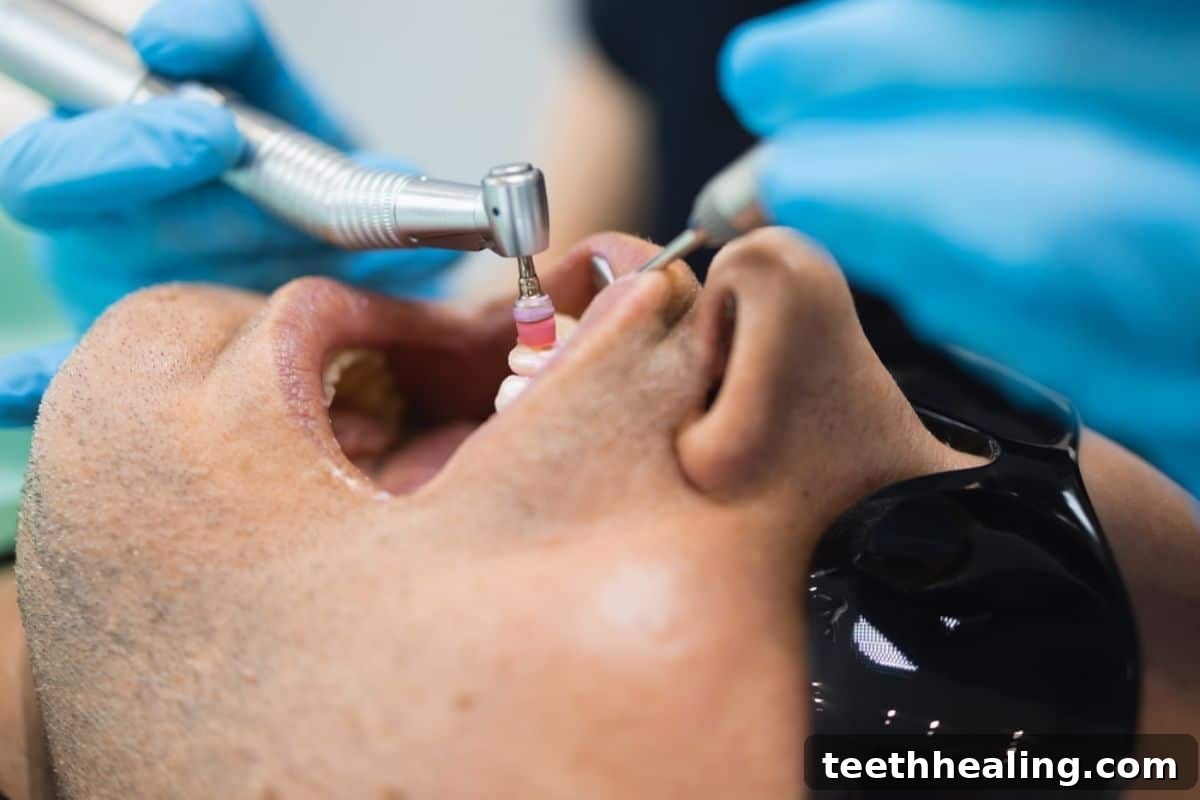
While a rigorous daily routine of brushing and flossing is undeniably crucial for maintaining oral hygiene, these at-home efforts, no matter how meticulous, often fall short of completely eliminating all plaque and calculus (hardened plaque) accumulation. This is where professional dental cleanings step in, offering a level of comprehensive oral hygiene that extends far beyond the scope of personal home care. These routine appointments are foundational to preventing bad breath and preserving long-term oral health. The key benefits include:
- Superior Calculus and Plaque Removal: Dental plaque is a sticky film of bacteria that constantly forms on your teeth. If not removed daily, it hardens into calculus (tartar), which adheres firmly to the tooth surface and cannot be removed by brushing or flossing alone. Dentists and dental hygienists utilize specialized instruments, such as ultrasonic scalers and manual curettes, to meticulously eradicate these tenacious deposits. Calculus acts as a rough, porous reservoir for bacteria, offering them a perfect breeding ground for producing foul-smelling compounds. Its removal is the most direct way to eliminate a major source of bad breath.
- Periodontal Health Maintenance and Disease Prevention: The accumulation of plaque and calculus below the gum line is the primary initiator of periodontal disease (gum disease). Regular cleanings are instrumental in preventing gingivitis (the early, reversible stage of gum disease) and its progression to periodontitis (a more severe, irreversible form that can lead to bone loss and tooth loss). By removing the bacterial biofilm that causes inflammation and infection, professional cleanings safeguard the health of your gums, which is a significant factor in preventing chronic halitosis. Healthy gums mean fewer bacterial pockets and reduced odor.
- Early Detection and Intervention of Dental Pathologies: Beyond cleaning, routine dental visits include a thorough examination by the dentist. This allows for the early identification of various dental issues such as dental caries (cavities), emerging infections, cracks in teeth, or signs of gum disease before they escalate into more severe, painful, and costly problems. Addressing these issues promptly not only preserves your oral health but also eliminates potential sources of bad breath that might otherwise go unnoticed.
- Significant Oral Malodor Reduction: By systematically removing concealed bacteria, plaque, and calculus from all tooth surfaces, including hard-to-reach areas, professional cleanings directly target and eliminate the primary producers of volatile sulfur compounds. This deep cleaning process purifies the oral environment, promoting a genuinely clean and refreshed feeling and significantly reducing or entirely eradicating bad breath. It offers a reset for your mouth’s ecosystem, making subsequent home care more effective.
- Oral Health Education and Personalized Advice: During your cleaning appointment, dental professionals offer invaluable advice on proper brushing and flossing techniques, recommend suitable oral hygiene products, and discuss dietary habits that may impact your breath. This personalized guidance empowers you to maintain optimal oral health between visits.
For individuals residing in California, seeking expert dental care in the Coachella Valley, a consultation with a dentist in Palm Desert is highly recommended. These practices offer thorough cleanings, comprehensive examinations, and a personalized oral hygiene regimen tailored to your specific needs, ensuring long-term fresh breath and robust oral health.
Essential Home Care Protocols for Lasting Breath Freshness
While professional dental cleanings lay the groundwork for a healthy mouth and fresh breath, their benefits are significantly amplified and sustained through diligent adherence to effective home care protocols. Your daily routine is the frontline defense against halitosis. Here are the essential practices for maintaining enduring breath freshness:
- Twice-Daily Toothbrushing with Fluoride Toothpaste: Brush your teeth for at least two minutes, twice a day, using a soft-bristled toothbrush and fluoride toothpaste. Ensure you cover all surfaces of your teeth – outer, inner, and chewing surfaces. Critically, remember to gently brush the dorsal surface of your tongue. The rough surface of the tongue is a prime breeding ground for odor-producing bacteria and food debris. A tongue scraper can be even more effective for this purpose, significantly reducing bacterial load and improving breath quality.
- Daily Interdental Cleaning (Flossing or Interdental Brushes): Brushing alone cannot reach the tight spaces between your teeth and beneath the gum line where food particles and plaque accumulate. Daily interdental cleaning, whether with traditional dental floss, water flossers, or interdental brushes, is non-negotiable. This practice removes trapped food particles that decompose and contribute to oral malodor, as well as the plaque that causes gum disease.
- Adequate Hydration Throughout the Day: Maintaining consistent and adequate hydration is crucial to prevent xerostomia (dry mouth), a major contributor to bad breath. Drinking plenty of water helps to stimulate salivary flow, which naturally cleanses the mouth by washing away food debris and neutralizing acids. It also aids in the elimination of bacteria and keeps the oral tissues moist and healthy.
- Strategic Antimicrobial Mouthwash Utilization: While not a substitute for brushing and flossing, incorporating an alcohol-free antibacterial mouth rinse into your routine can provide an additional layer of protection. Look for mouthwashes containing ingredients like chlorhexidine, cetylpyridinium chloride (CPC), or essential oils, which are effective in reducing the overall oral microbial load and temporarily neutralizing bad breath. Use it after brushing and flossing for maximum benefit.
- Sugar-Free Gum Chewing Post-Meals: Chewing sugar-free gum, particularly after meals, is an excellent way to stimulate salivary flow. The increased saliva helps to rinse away food particles and neutralize acids, naturally combating halitosis and reducing the risk of cavities. Look for gum sweetened with xylitol, which has added benefits for oral health.
- Mindful Dietary Choices: Be aware of foods known to cause bad breath, such as garlic, onions, and certain spices. While you don’t necessarily have to avoid them entirely, be mindful of their impact and step up your oral hygiene routine afterwards. Incorporate plenty of fibrous fruits and vegetables, which can act as natural tooth scrubbers.
By integrating these home care protocols with regular professional cleanings, you establish a comprehensive defense against bad breath, ensuring your mouth remains fresh, clean, and healthy.
When to Seek Professional Dental Care from a Dentist in Palm Desert
While diligent home oral hygiene practices are fundamental, there are distinct circumstances when the expertise of a dental professional becomes indispensable. Persistent halitosis, especially when it continues despite your best efforts with brushing, flossing, and mouthwash, is a critical signal that warrants immediate professional attention. This lingering bad breath may be an indication of underlying dental pathologies or other health issues that demand diagnosis and targeted intervention. Ignoring such persistent symptoms can lead to more severe oral health complications down the line.
You should not hesitate to schedule a visit to a dentist if you experience:
- Chronic Bad Breath: If bad breath persists for weeks or months, even with consistent and thorough home care, it’s a strong indicator that an underlying problem needs to be identified.
- Bleeding or Swollen Gums: These are classic signs of gingivitis or periodontitis, both major causes of bad breath.
- Pain or Sensitivity in Your Teeth or Gums: This could point to cavities, gum infections, or other dental issues.
- Dry Mouth Symptoms: Persistent dry mouth, regardless of hydration, needs to be evaluated to determine its cause and manage its impact on oral health.
- Noticeable White or Yellow Spots on Your Tonsils: These could be tonsil stones, which are a concentrated source of foul odors.
- A Foul Taste in Your Mouth: A continuous unpleasant taste, even after brushing, often accompanies bad breath and indicates a bacterial presence.
During a professional dental examination, your dentist will conduct a thorough assessment of your oral cavity. This includes checking for signs of periodontal disease, identifying any dental caries or infections, evaluating the health of your tongue and other soft tissues, and assessing salivary flow. Based on their findings, they can determine the precise etiology of your halitosis and recommend appropriate therapeutic interventions. This might include deep cleaning procedures like scaling and root planing for gum disease, fillings for cavities, treatment for oral infections, or referrals to other medical specialists if systemic causes are suspected.
Do not allow halitosis to compromise your confidence, social interactions, or overall quality of life. The path to fresh breath and a healthier mouth begins with proactive steps. Regular dental cleanings are not just about aesthetics; they are powerful preventative measures that effectively eliminate odor-producing bacteria and promote optimal oral health for the long term. If you’re seeking comprehensive and expert dental care in the Coachella Valley, we encourage you to schedule a consultation with a local dental practice in Palm Desert. Their team of experienced professionals is dedicated to providing personalized care, addressing your concerns, and guiding you towards a lasting solution for bad breath. A fresh, healthy smile is not just a dream—it is an entirely attainable reality with consistent professional dental cleaning and a commitment to excellent oral hygiene.