
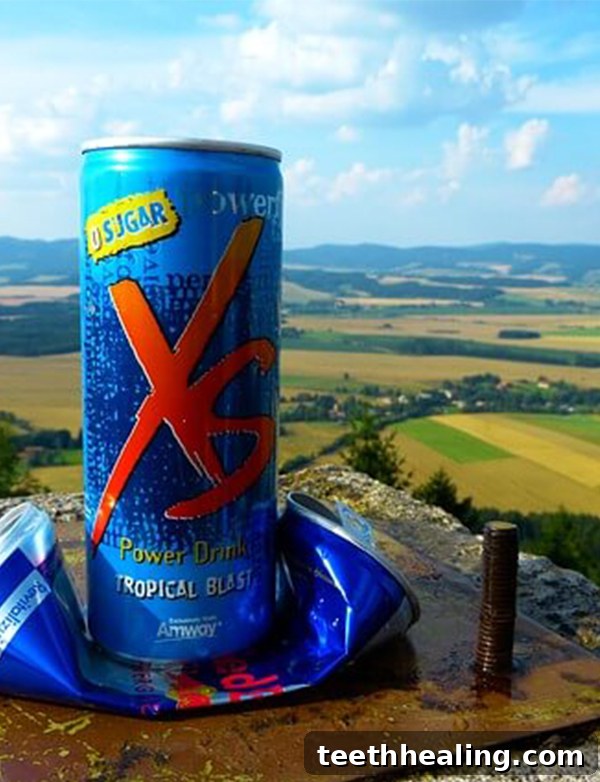
Are Energy Drinks Truly Unsafe for Our Youth? An In-Depth Look
The rising popularity of energy drinks among children and adolescents has sparked considerable debate and concern among health professionals globally. While the beverage industry often downplays potential risks, a comprehensive report published in the esteemed journal Pediatrics highlighted significant safety concerns. This report suggests that energy drinks may pose considerable risks, especially for vulnerable populations such as children with pre-existing conditions like diabetes, seizure disorders, heart abnormalities, or mood and behavioral disorders. The prevailing scientific consensus increasingly points towards the need for greater caution and awareness regarding these popular beverages.
Energy Drinks: A Risky Cocktail Not Suitable for Children and Teenagers
The aforementioned review meticulously analyzed existing literature on energy drinks, concluding that these beverages offer no discernible health benefits for children and adolescents. Furthermore, the report strongly advises against their routine consumption, emphasizing that the long-term effects of many ingredients found in energy drinks remain largely understudied and unregulated, particularly in developing bodies. These drinks are often packed with an alarmingly high amount of sugars, which contribute significantly to the global obesity epidemic, increase the risk of type 2 diabetes, and have been strongly linked to a surge in tooth decay and dental erosion amongst teenagers. Beyond immediate health concerns, the habit of consuming such sugary drinks can displace healthier beverage choices like water or milk, leading to nutritional deficiencies and an overall less balanced diet.
The complex blend of stimulants and other ingredients in energy drinks raises serious questions about their safety profile. Researchers point out that given the known and unknown properties of these components, coupled with numerous reports of toxicity potentially linked to energy drink consumption, certain children who consume these beverages may be at an elevated risk of severe adverse health effects. For instance, poison control centers have documented a concerning number of calls related to caffeine overdose in children, often attributed to energy drink intake. The combination of caffeine with other stimulants like taurine and guarana can create a synergistic effect, amplifying their impact on the cardiovascular and nervous systems beyond what caffeine alone might produce. This makes it challenging to predict the full scope of their effects, particularly in younger, more susceptible individuals whose physiological systems are still maturing.
The primary concern stems from the potent stimulant effects of caffeine and other compounds. While adults might tolerate a certain amount of caffeine, children and adolescents have lower body weights and developing nervous systems, making them far more sensitive to its effects. This increased sensitivity can manifest as anxiety, jitters, insomnia, heart palpitations, and even more severe cardiovascular events. The immediate “energy boost” sought by many young consumers is often followed by a “crash,” leading to fatigue, irritability, and a craving for more stimulants, potentially creating a cycle of dependency. This cycle can disrupt natural sleep patterns, impair academic performance, and contribute to mood instability, further exacerbating any underlying behavioral issues.
The Urgent Need for Energy Drink Regulation and Enhanced Safety Measures
The report underscores a critical need for robust regulation of the marketing and sales of energy drinks. Such policies should be grounded in comprehensive, peer-reviewed research, rather than solely on industry interests. Moreover, there is an imperative to improve surveillance systems for identifying and recording toxicity cases linked to energy drink consumption. The current system in the US, for example, often fails to distinguish between caffeine overdoses resulting from energy drinks versus other sources, hindering a clear understanding of the true scope of the problem. This lack of specific data makes it challenging for health authorities to formulate targeted interventions and preventative strategies.
In the interim, before widespread regulatory changes are implemented, healthcare professionals, especially pediatricians, must remain acutely aware of the potential adverse effects of energy drinks on children and teenagers. This awareness is particularly crucial for those in more vulnerable groups, who may have underlying health conditions that make them exceptionally susceptible to complications. Pediatricians should actively screen for heavy energy drink consumption, both alone and in dangerous combination with alcohol, which can dramatically escalate health risks. Furthermore, educating families and young individuals about the dangers of energy drink overdose is paramount. The consequences of such an overdose can range from severe anxiety and gastrointestinal distress to seizures, stroke, and tragically, even sudden cardiac arrest or death. Proactive education can empower parents and youth to make informed choices, emphasizing the importance of hydration, balanced nutrition, and adequate sleep as healthier alternatives for energy maintenance.
Disturbingly, statistics reveal that children, adolescents, and young adults represent a significant demographic within the energy drink market, accounting for nearly half of all consumers. Self-report surveys indicate that between 30% and 50% of teenagers and young adults regularly consume energy drinks. This widespread consumption among a susceptible population highlights the urgency of addressing this public health concern. The aggressive marketing strategies employed by the beverage industry often target this demographic, using images of extreme sports, academic performance enhancement, and social success, thereby normalizing and even glorifying the consumption of these potentially harmful products. This necessitates a counter-narrative from public health campaigns to inform young consumers about the real risks.
Unsafe Levels of Stimulants: A Hidden Danger in Energy Drinks
Energy drinks are notorious for their high concentrations of various stimulants. Caffeine is the most prominent, but it is often combined with other compounds such as taurine, guarana (which itself contains caffeine), L-carnitine, and various B vitamins. While these ingredients may sound innocuous, their combined effect, especially in the unregulated doses found in many energy drinks, can be profoundly detrimental to developing bodies. Crucially, safe consumption levels for most of these stimulants have not been definitively established for adolescents, making their widespread consumption a precarious gamble with young people’s health.
Numerous medical reports and studies have linked energy drink consumption to serious adverse effects, particularly among children, adolescents, and young adults who have pre-existing conditions. Individuals with seizure disorders may experience exacerbated or more frequent seizures. Those with undiagnosed or known heart abnormalities, such as arrhythmias or structural defects, face an increased risk of severe cardiac events, including sudden death. Furthermore, individuals with diabetes can experience significant disruptions in blood sugar regulation, while those with mood and behavioral disorders, such as anxiety or ADHD, may find their symptoms worsened by the stimulant overload. The interaction of these stimulants with certain medications, including those for ADHD or depression, can also lead to dangerous drug interactions, further complicating patient management.
The scale of the problem is alarming: out of 5,448 caffeine overdoses reported to US poison control centers in 2007 alone, a staggering 46% occurred in young people under the age of 19. This statistic unequivocally demonstrates that energy drinks are contributing significantly to a preventable public health crisis among youth. This alarming trend has prompted several countries and American states to seriously debate and consider legislative measures to restrict the sales and advertising of energy drinks to minors, akin to regulations for alcohol and tobacco products. Such restrictions are viewed as essential steps to protect vulnerable populations from the aggressive marketing and easy accessibility of these potent beverages.
Predictably, the beverage industry has fiercely contested these findings, often dismissing reports of harm as “bad science” intended to “scare and create buzz.” However, with up to half of all children and teenagers consuming energy drinks, the scientific and medical community stands firm on the potential for widespread health risks. The excessive intake of caffeine and sugar from these drinks can have profound and detrimental effects on multiple bodily systems. The nervous system can be overstimulated, leading to anxiety, sleep disturbances, and cognitive impairment. Hormone production and regulation, critical for growth and development, can be disrupted. Moreover, the pancreas, responsible for regulating blood sugar, is put under immense strain by the constant influx of high sugar loads, increasing the risk of insulin resistance and type 2 diabetes. The cumulative long-term impact of these stresses on a developing body is a cause for grave concern.
This situation begs a fundamental question: In a society where children and teenagers are inherently expected to be brimming with natural energy and vitality, why do so many feel compelled to rely on sugary, stimulant-laden drinks just to get through their day? The answer likely lies in a complex interplay of factors including inadequate sleep, poor nutritional habits, high academic and social pressures, and the pervasive marketing influence of the energy drink industry. Addressing this issue requires not only stricter regulation but also a broader societal shift towards promoting healthier lifestyles, educating youth about true sources of energy, and providing them with the tools to manage stress and fatigue without resorting to potentially harmful quick fixes.