
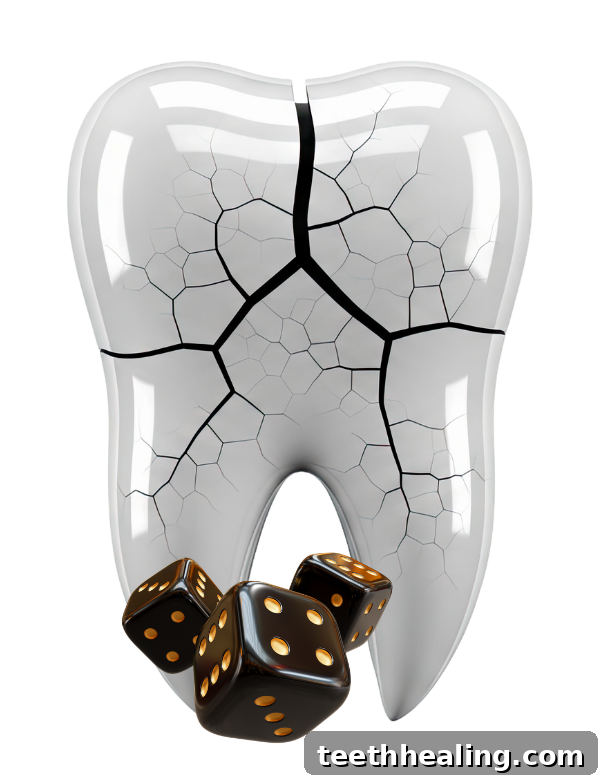
Why a Tooth May Need a Crown or Root Canal Years After Treatment
Dentistry is rarely a simple, start-to-finish story. A tooth can be treated successfully and appear stable for a long time, yet still develop problems months or years later. Understanding why this happens helps set realistic expectations and explains why dentists sometimes warn patients that additional treatment may be necessary down the road.
Many teeth that come into a dental clinic already have a history of damage or stress: large fillings, cracks, previous restorations, decay, trauma, or ongoing forces from clenching and grinding. All of these factors alter the tooth’s structure and biology. Restorative care can protect the tooth and restore function, but it cannot erase the tooth’s past or fully predict how it will respond in the future.
The tooth’s story begins before treatment
When a tooth is cracked, heavily restored, or has had repeated decay, it is not the same as a healthy, untouched tooth. Structural weaknesses such as cracks can permit biting forces to concentrate in harmful ways. Large restorations leave less natural tooth substance to support the remaining structure. In addition, the nerve within a tooth can already be inflamed or compromised by previous disease or trauma.
A restoration or filling protects and restores the tooth, but it does not reverse the accumulated wear and injury. In many cases a treated tooth will function well for years. In other cases, the underlying problems progress despite appropriate treatment, and what the dentist warned might occur eventually does.
What your dentist means when they say “this may need a crown or root canal”
That statement is part of informed consent. It is not a prediction that failure is certain, but rather a clear explanation of the possible outcomes. There is a big difference between saying “this tooth will need a root canal” and saying “there is a possibility this tooth may eventually require root canal treatment.”
Dentistry uses clinical examination, imaging such as X-rays, and diagnostic tests to assess risk, but it cannot guarantee the future. Some teeth behave well for decades; others deteriorate despite careful care. The goal is to explain the likely risks and to offer suitable treatment and follow-up so issues can be detected and managed promptly if they arise.
Pain or sensitivity after a filling
A range of outcomes is normal after a filling. Some teeth are comfortable immediately; others show transient sensitivity to cold, pressure, or biting as the tooth settles. This does not automatically indicate a problem. However, persistent, worsening, or severe symptoms warrant re-evaluation.
In many cases the nerve recovers and sensitivity resolves over time. If symptoms persist, further tests and possible additional treatment — including root canal therapy — may be required. This is why timely follow-up is important after restorative procedures.
Timing doesn’t always equal causation
It’s natural to link a later root canal to a recent filling, but the timing alone does not prove the filling caused the problem. A tooth may need root canal treatment because of progressive disease that was already present, cracks or fractures that develop, recurrent decay beneath a restoration, trauma, or simply changes that occur over time. Occasionally treatment itself can irritate the nerve, which is why dentists discuss risks before proceeding. Still, a later need for root canal therapy doesn’t automatically identify the cause—clinical history and examination are required to understand what happened.
Cracked teeth are especially unpredictable
Cracks vary widely in how they behave. Some remain stable for years; others progress and lead to pain, infection, or loss of the tooth. Teeth with existing cracks or large restorations are more vulnerable to forces from clenching and grinding, which can accelerate deterioration. For these patients, dentists often recommend preventive measures such as night guards or strategies to reduce excessive bite forces. These steps aren’t about assigning blame; they’re about lowering the mechanical stresses that influence a tooth’s future.
Limits on what a dentist can say publicly
Another challenge is that clinicians are bound by patient privacy and confidentiality. A dentist who reads a public complaint or review may be unable to explain the clinical history or decisions that informed care. That context belongs in the patient’s private record and in any direct conversation between patient and clinician, not in a public forum. This constraint can make public exchanges feel one-sided, even when the clinical situation is more complex than the public account suggests.
No guarantees, only careful assessment and clear communication
The most important point is that no dentist can guarantee a tooth will never have another problem. Good dentistry means carefully assessing the tooth, explaining the options and uncertainties, providing appropriate treatment, and monitoring the outcome. Sometimes treatment succeeds for many years; sometimes additional care is needed. There is a crucial difference between predicting a possible outcome and causing it. Honest communication about risks and likely scenarios is an essential part of informed consent.
Evolve Dental 07 3720 1811 or BOOK ONLINE