At Palm Desert Dentist, many patients ask a common question after receiving dental implants: “When can I eat normally again?” The timing varies based on healing progress, bone quality, and the types of food chosen during recovery. Most people can return to regular meals within a few weeks, but complete healing and full chewing strength may take several months.
Dr. Robert McLachlan Jr earned his dental degree from the University of Southern California and holds a Prosthodontics certificate plus a Master’s in Oral Science from the University of Iowa. With nearly 25 years of experience, he manages simple and complex restorations, TMJ issues, and dental implants, prioritizing patient comfort and long-term function.
If you have questions about healing, pain, or diet after implant treatment, contact Palm Desert Dentist to discuss your care options and personalized instructions.
Quick Answer
How soon can you eat normally after dental implants?
Most patients can eat soft foods within 24 hours after implant placement. Many resume normal eating in 1 to 2 weeks as soreness and swelling subside. Complete integration of the implant with the jawbone (osseointegration) can require 3 to 6 months, during which chewing strength gradually improves.
Key Observations
- Soft foods are best during the first days after implant surgery
- Most patients return to regular meals within 1 to 2 weeks
- Avoid hard or sticky foods until healing progresses
- Healing depends on bone health, overall health, and implant type
What Happens After Dental Implant Surgery?
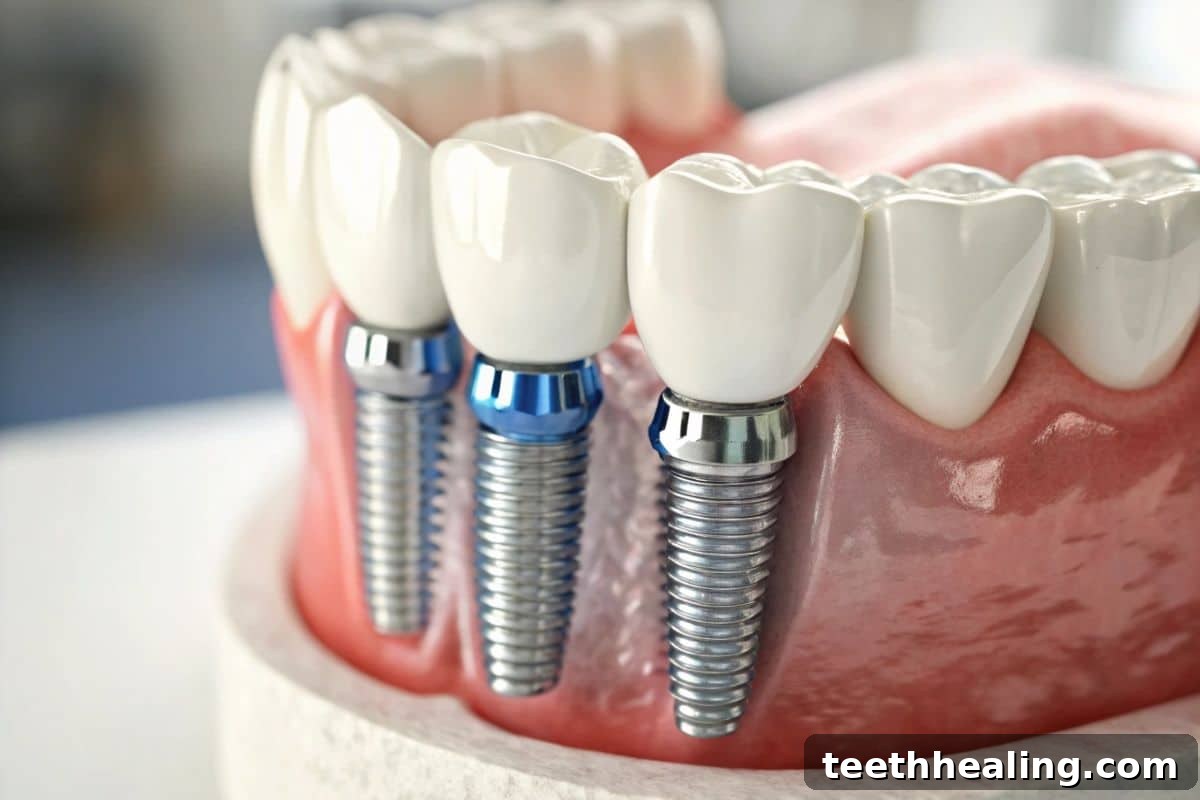
Dental implants replace missing tooth roots and are designed to fuse with the jawbone through osseointegration. This biological process provides a stable foundation for a crown or prosthesis but takes time.
Your mouth needs an initial healing period after surgery. Choosing appropriate foods and following post-op care instructions reduces the risk of complications and protects the implant site.
Expect some swelling and soreness for the first few days. Following your dentist’s care plan helps make recovery more comfortable and predictable.
What Can You Eat Right After Dental Implants?
For the first 24 to 48 hours, stick to soft, cool foods that require minimal chewing.
Good options include:
- Yogurt
- Applesauce
- Mashed potatoes
- Smooth soups
- Scrambled eggs
- Oatmeal
- Protein shakes
- Cottage cheese
Avoid very hot foods early on, since heat can increase swelling. Also avoid crunchy, hard, or sticky items that could disturb the surgical site, such as chips, nuts, popcorn, sticky candy, hard bread, and tough meats.
When Can You Start Eating Normally Again?
Healing progresses in stages. A typical timeline after dental implant surgery looks like this:
| Healing Stage | What You Can Eat |
|---|---|
| First 2 Days | Soft and cool foods |
| Days 3 to 7 | Soft foods with light chewing |
| Week 2 | More solid foods if comfortable |
| After Healing | Most normal foods |
Individual healing varies. Patients with strong bone support and good gum health often progress faster. Placing multiple implants at once may extend the recovery timeline and delay return to full chewing.
Signs Your Mouth Is Healing Well
Indications that recovery is going well include:
- Reduced swelling
- Less soreness
- Easier chewing
- Improved bite comfort
- Clearer speech
If pain worsens instead of improving, contact your dentist promptly for evaluation.
Foods That Help Healing
A balanced, nutritious diet supports tissue repair and overall recovery. Focus on:
- Soft fruits (e.g., bananas, cooked apples)
- Cooked vegetables
- Lean proteins (e.g., eggs, soft fish, blended protein shakes)
- Smoothies and soups
- Plenty of water
Protein and hydration are important for tissue repair. Avoid smoking and limit alcohol during healing, as both can negatively affect implant success.
Tips for Comfortable Eating During Recovery
Simple habits can make eating easier while your implants heal:
Chew Slowly
Take small bites and, when possible, chew on the side opposite the implant.
Keep Food Warm, Not Hot
Avoid very hot foods and beverages that can irritate healing tissues.
Rinse Gently
Warm salt water rinses help keep the surgical area clean without disrupting healing.
Follow Instructions Carefully
Your dental team will provide specific guidance tailored to your procedure and needs—follow it closely.
Attend Follow-Up Visits
Scheduled checkups let your dentist confirm proper healing and address any concerns early.
Local Support for Patients During Recovery
Palm Desert patients often find it helpful to know nearby places where family members can wait during longer appointments.
73993 CA-111 Suite 200, Palm Desert, CA 92260, United States
Nearby attractions and conveniences can make the visit easier for patients and their companions.
Why Experience Matters for Dental Implants
Successful implant treatment requires careful planning, precise placement, and consistent follow-up. Dr. Robert McLachlan Jr’s prosthodontic training supports predictable restoration of chewing function, speech, and appearance while minimizing complications.
Many patients choose experienced providers because implant outcomes depend on accurate technique, bone support, and ongoing care.
Conclusion
Returning to normal eating after dental implants takes time and patience. Most patients experience steady improvement within the first few weeks by choosing soft, nutrient-rich foods, following home-care instructions, and attending follow-up visits. Complete integration and full chewing strength develop over several months.
If you are planning implant treatment or have concerns about healing, schedule a consultation with Palm Desert Dentist to review your options and receive individualized guidance.
FAQs on dental implants
Most patients should avoid direct chewing on the treated area for several days. Your dentist will advise when it is safe based on your healing progress.
Warm coffee is usually acceptable after the first day, but very hot beverages should be avoided early in recovery.
Yes. Mild swelling is common during the first few days and typically improves with rest, cold packs, and time.
Avoid hard, crunchy, sticky, and chewy foods until the implant site becomes more stable.
Light activity is usually fine after a day or two. Delay heavy exercise until swelling and soreness have improved.
Pain while chewing may indicate the area needs more time to heal. Contact your dentist if discomfort continues or worsens.