Embarking on the journey to replace missing teeth with dental implants is a significant decision, offering a durable and natural-looking solution for restoring your smile and oral function. A crucial phase in this process is the healing period following implant placement. Many patients understandably wonder, “Can lifestyle choices, specifically smoking, impact this critical healing?” The unequivocal answer is yes. Smoking can profoundly affect your body’s ability to heal after dental implant surgery, directly influencing the success and longevity of your new implants.
This comprehensive guide delves into the intricate process of post-implant healing, meticulously explains how smoking intervenes and compromises this delicate biological process, and outlines practical, actionable steps you can take to significantly improve your healing trajectory and ensure the best possible outcome for your dental implants.
Meet Your Implant Care Expert at Palm Desert Dentist

At Palm Desert Dentist: Cosmetic, Restorative, & Implant Dentistry, our commitment to exceptional patient care is exemplified by the leadership of Dr. Robert McLachlan Jr. As a highly trained and board-certified prosthodontist, Dr. McLachlan brings an unparalleled level of expertise and precision to every case. His advanced education from prestigious institutions like the University of Southern California and the University of Iowa has equipped him with specialized knowledge in complex oral rehabilitation, cosmetic dentistry, and, crucially, implant dentistry.
With nearly 25 years of dedicated experience, Dr. McLachlan excels in managing both straightforward and intricate dental concerns, ranging from full mouth implant restorations to nuanced jaw function issues. His patient-first philosophy is the cornerstone of his practice, ensuring that every treatment plan is meticulously tailored not only to meet clinical needs but also to align seamlessly with each patient’s lifestyle and personal goals. Choosing a specialist like Dr. McLachlan means entrusting your oral health to an expert who understands the nuances of healing and long-term success, especially when lifestyle factors like smoking are involved.
Understanding the Healing Journey After Dental Implant Placement
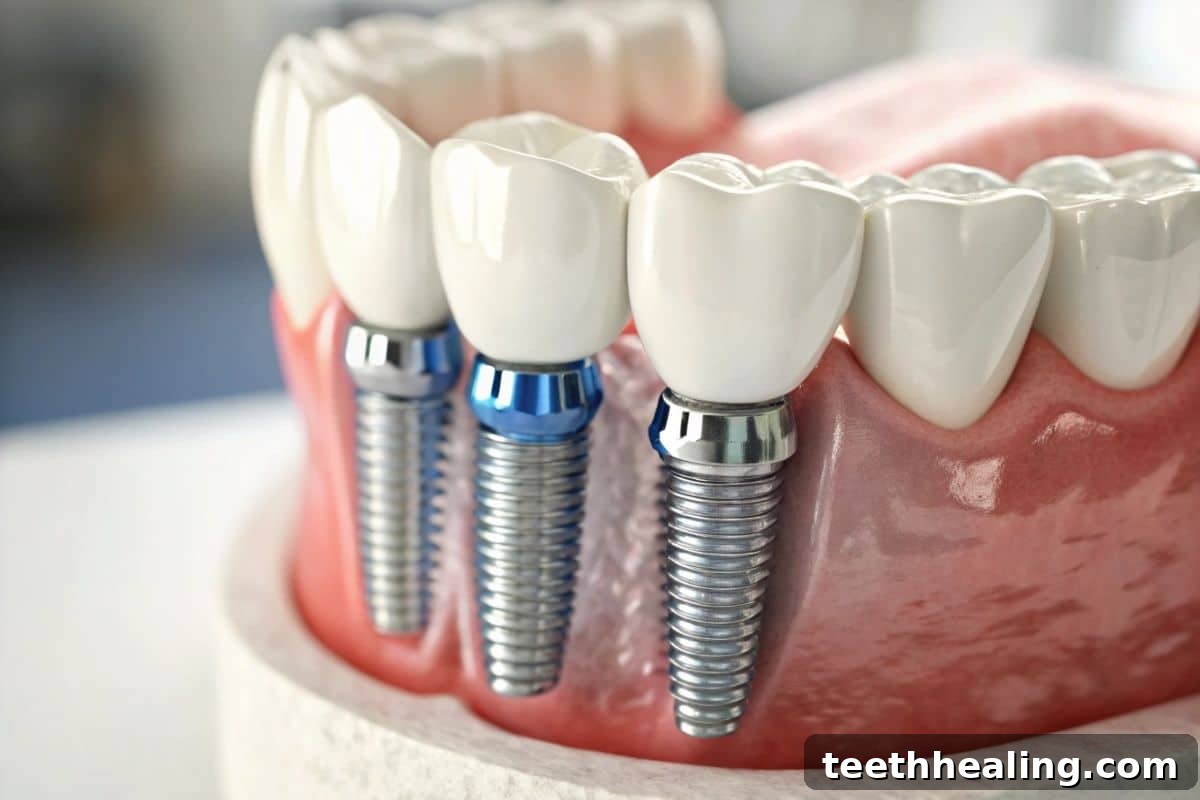
Once your dental implants are surgically placed into your jawbone, your body immediately initiates a remarkable and natural healing process known as osseointegration. This biological marvel is the fundamental reason for dental implant success, as it involves the direct, structural, and functional connection between the living bone and the surface of the implant. It’s not just healing; it’s a fusion.
Here’s a detailed breakdown of what typically occurs during this vital post-operative period:
- Initial Blood Clot Formation: Immediately after surgery, a stable blood clot forms around the implant site. This clot acts as a protective barrier and a biological scaffold, rich in growth factors and cells necessary for the initial stages of tissue regeneration. It’s the very first step in wound healing.
- Bone Cell Growth and Integration: Over the subsequent weeks and months, specialized bone cells, called osteoblasts, migrate to the implant surface. These cells begin to lay down new bone tissue directly onto the titanium implant, progressively integrating it into the jawbone. This process creates a robust mechanical lock, providing the implant with its incredible stability and strength.
- Soft Tissue (Gum) Healing: Concurrently, the gum tissues surrounding the implant site begin to heal and remodel. They adapt and tighten around the implant, forming a protective seal that prevents bacteria from entering the surgical site. Healthy gum tissue is crucial for both immediate protection and long-term implant health.
This entire process, from initial clot formation to complete osseointegration, can span anywhere from a few weeks to several months, depending on individual patient factors, implant location, and overall health. Optimal healing is not merely desirable; it is absolutely paramount for the long-term stability and success of your dental implants.
How Smoking Catastrophically Slows Down Healing After Dental Implants
Smoking introduces a multitude of detrimental factors that directly impede the body’s natural healing mechanisms, making recovery after dental implant placement significantly more challenging and risky. Each aspect of smoking contributes to a compromised healing environment:
1. Severely Reduced Blood Flow and Oxygen Deprivation
One of the most immediate and damaging effects of nicotine, a primary component of tobacco smoke, is its potent vasoconstrictive property. Nicotine causes blood vessels throughout the body to constrict and narrow, significantly reducing the flow of oxygen-rich blood and essential nutrients to the surgical site. Adequate blood supply is critical for tissue repair, as it delivers the necessary building blocks (proteins, vitamins, minerals) and carries away waste products. Without proper circulation, cells involved in healing are starved, leading to a much slower and less efficient recovery process. This oxygen deprivation directly hinders the formation of new bone and soft tissue.
2. Dramatically Increased Risk of Infection
Smoking is a well-known immunosuppressant. It impairs the function of various immune cells, including neutrophils and macrophages, which are vital for fighting off bacteria and preventing infection. The chemicals in tobacco smoke also dry out the oral mucosa and reduce saliva production, further compromising the mouth’s natural defenses. A weakened immune system, coupled with an environment conducive to bacterial growth, dramatically increases the likelihood of an infection developing around the newly placed implant. Infections can lead to pain, swelling, and ultimately, implant failure.
3. Compromised Bone Integration (Osseointegration)
For dental implants to function successfully, they must firmly bond with the jawbone through osseointegration. Smoking severely interferes with this delicate bone-to-implant integration process. The reduced blood flow inhibits osteoblast activity (bone-forming cells) and promotes osteoclast activity (bone-resorbing cells). Furthermore, harmful chemicals in tobacco smoke can directly damage bone cells and alter the bone’s regenerative capacity. This disruption can prevent the implant from fully fusing with the bone, leading to inadequate stability and increasing the risk of early implant failure or the development of peri-implantitis (a severe inflammatory disease affecting the tissues around dental implants).
4. Significant Gum Healing Issues
Beyond bone, smoking has a profound negative impact on soft tissue healing. The heat and toxins in cigarette smoke irritate the delicate gum tissues surrounding the implant, causing inflammation and delaying the closure of the surgical wound. This irritation can lead to prolonged swelling, persistent pain, and an increased risk of gum recession around the implant. Impaired gum healing also means a less effective seal around the implant, leaving it more vulnerable to bacterial invasion and subsequent complications.
Crucial Signs of Delayed Healing to Monitor Closely
If you are a smoker and have undergone a dental implant procedure, it is imperative to pay heightened attention to how your mouth feels and heals in the days and weeks following surgery. While some discomfort and swelling are normal, certain persistent or worsening symptoms can indicate delayed healing or a developing complication. Early detection and intervention are key to preserving your implant. Watch for these warning signs:
- Ongoing or Worsening Pain: While initial pain is expected, it should gradually subside over a few days. If you experience persistent, severe, or worsening pain beyond the initial recovery period, it could signal an infection, nerve irritation, or a problem with the implant itself.
- Swelling That Persists or Increases: Mild to moderate swelling is normal for a few days. However, if swelling does not begin to decrease after 48-72 hours, or if it appears to be increasing, this could be a sign of infection or inflammation that requires immediate attention.
- Bleeding That Continues Longer Than Expected: Some slight oozing is normal immediately after surgery. However, if significant bleeding continues for several days or recurs unexpectedly, it might indicate a disruption of the blood clot or another complication at the surgical site.
- Loose Feeling Around the Implant: The implant should feel stable and firmly integrated. Any sensation of looseness, wiggling, or movement around the implant is a critical warning sign that osseointegration may not be occurring properly. This requires urgent consultation with your dental provider.
- Pus or Foul Taste: The presence of pus or a persistent foul taste in your mouth emanating from the surgical site is a clear indicator of infection and necessitates immediate professional evaluation.
If you notice any of these alarming symptoms, do not hesitate. Contact your dental provider at Palm Desert Dentist immediately. Prompt action can often prevent minor issues from escalating into significant problems that could jeopardize the success of your dental implant.
Can Smokers Still Successfully Receive Dental Implants? Addressing the Risks
The question of whether smokers can still undergo dental implant treatment is complex but generally, yes, it is possible. Many individuals who smoke still choose to receive dental implants as a long-term solution for tooth replacement. However, it is crucial to understand that smoking significantly elevates the risks associated with the procedure and substantially decreases the chances of successful integration and long-term implant survival. The statistics consistently show lower success rates and higher complication rates among smokers compared to non-smokers.
The good news is that while the risks are higher, they are not insurmountable. You can significantly improve your chances of a successful outcome by implementing specific changes and diligently following your dentist’s advice. Even temporary breaks from smoking, particularly in the critical periods immediately before and after surgery, can make a profound difference in your body’s capacity to heal and integrate the implant. Your dentist will conduct a thorough assessment of your oral health, discuss your smoking habits in detail, and help you understand the specific risks and benefits tailored to your situation, often recommending smoking cessation strategies to maximize success.
Simple, Yet Effective Steps to Dramatically Improve Healing and Implant Success
You don’t necessarily need to make radical, overnight changes to improve your implant healing. Even small, consistent steps can provide substantial support for better recovery after dental implants. These adjustments focus on creating an optimal environment for your body’s natural regenerative processes:
Stop or Reduce Smoking Before Surgery
Ideally, aim to quit smoking entirely several weeks or even months before your scheduled implant procedure. If complete cessation isn’t immediately feasible, try to significantly reduce your smoking and, at a minimum, commit to pausing smoking for at least one week (and preferably two or more) prior to your surgery. This crucial pre-operative break allows your blood vessels to dilate, improving blood flow, and gives your immune system a chance to strengthen, preparing your body for the trauma of surgery and enhancing its healing potential.
Strictly Avoid Smoking After Surgery
The first two weeks following implant placement are critically important for the initial healing phase and blood clot stability. During this period, the delicate process of osseointegration begins, and the surgical site is highly vulnerable. Any smoking during this time can easily dislodge the protective blood clot (leading to a painful “dry socket”), introduce harmful toxins, and severely impede blood flow, dramatically increasing the risk of infection and implant failure. A longer abstinence period, ideally several months, will further secure the implant’s integration and long-term prognosis.
Diligently Follow All Aftercare Instructions
Your dentist and their team will provide you with clear, detailed post-operative instructions. These are not mere suggestions; they are vital guidelines designed to optimize your healing and minimize complications. These instructions typically include gentle rinsing with prescribed solutions (e.g., chlorhexidine mouthwash), guidance on consuming soft foods to avoid pressure on the surgical site, and detailed advice on maintaining meticulous oral hygiene without disturbing the healing area. Adhering to these instructions precisely is paramount for a successful recovery.
Prioritize Hydration and Nutrient-Rich Nutrition
Your body requires ample resources to repair tissues and generate new bone. Drinking plenty of water is essential for maintaining oral moisture and overall systemic health. Furthermore, a balanced diet rich in vitamins (especially Vitamin C for collagen formation, Vitamin D for bone health), minerals (like calcium), and protein provides the necessary building blocks for rapid tissue repair and robust bone integration. Avoid excessively hot or cold foods and drinks that might irritate the surgical site.
Attend All Scheduled Follow-Up Visits
Regular check-ups with your dentist are non-negotiable. These appointments allow your dental team to closely monitor the healing progress, assess the stability of the implant, identify any potential problems or complications early on, and make any necessary adjustments to your aftercare routine. Early detection of issues can often lead to simpler and more effective interventions, safeguarding your investment in dental implants.
Why Local Patients in Dry Climates Should Be Extra Cautious
For patients residing in dry and warm climates, such as Palm Desert, staying adequately hydrated is a fundamental aspect of general health. When considering dental implant healing, this becomes even more critical. Smoking naturally exacerbates dryness in the mouth by reducing saliva flow, which can further impede the healing process. Saliva plays a vital role in oral health, acting as a natural cleansing agent, buffering acids, and providing antibacterial properties. A persistently dry mouth not only increases discomfort but also creates an environment more susceptible to bacterial growth and infection, potentially slowing healing even more significantly.
Patients who spend considerable time outdoors in the arid climate or indoors in air-conditioned spaces may already experience symptoms of dry mouth. Smoking compounds this issue. Therefore, maintaining consistent oral moisture through diligent hydration, potentially using over-the-counter saliva substitutes if recommended by your dentist, and meticulous oral hygiene can make a profound positive difference in your recovery process for dental implants.
The Long-Term Impact of Smoking on Dental Implants
Healing is merely the initial phase of your dental implant journey. The effects of smoking extend far beyond the immediate post-operative period, posing significant long-term risks to the health and longevity of your dental implants. Continuous smoking can lead to chronic complications that jeopardize your investment:
- Increased Risk of Peri-Implantitis: This is a severe inflammatory disease affecting the soft and hard tissues surrounding dental implants. It’s akin to gum disease but specifically impacts implants, leading to bone loss around the implant and potentially implant failure. Smokers are at a significantly higher risk of developing peri-implantitis due to compromised immune function and reduced healing capacity.
- Higher Chance of Progressive Bone Loss: Beyond the initial integration, the jawbone continuously remodels itself. Smoking can disrupt this healthy remodeling process, leading to chronic, progressive bone loss around the implant over time. As bone support diminishes, the implant can become loose and eventually fail.
- Greater Risk of Long-Term Implant Failure: Studies consistently show that dental implants in smokers have a considerably higher rate of failure compared to non-smokers, both in the early healing phase and many years down the line. The cumulative effects of reduced blood flow, weakened immunity, and impaired bone metabolism contribute to this elevated risk.
Patients who commit to reducing or ideally stopping smoking not only see better immediate healing but also experience vastly improved long-term results, ensuring the sustained success and stability of their dental implants for decades to come.
Final Thoughts: Empowering Your Implant Success
While a history of smoking doesn’t automatically disqualify you from receiving dental implants, it unequivocally means you must approach the procedure with heightened awareness and commitment to optimized healing. The success of your dental implants fundamentally hinges on your body’s remarkable ability to repair and integrate. Smoking, regrettably, acts as a significant impediment to this natural process, increasing both the duration of recovery and the overall risk of complications.
If you are contemplating dental implants or have already had them placed, remember that proactive choices about your lifestyle, particularly your smoking habits, hold immense power in shaping your outcome. Even small, sustainable changes can yield substantial benefits, safeguarding your investment and ensuring a healthier, more confident smile for the future. Your future oral health and the longevity of your dental implants are truly in your hands.
To gain a deeper understanding of how smoking might affect your specific case or to receive personalized guidance tailored to your oral health needs, we encourage you to take the vital next step. Schedule a comprehensive consultation with Palm Desert Dentist today. Our expert team, led by Dr. Robert McLachlan Jr, is here to address all your questions and help you make informed decisions for your best oral health. You can also contact our dental office directly to discuss your options and determine the optimal path forward for your smile.
Frequently Asked Questions About Smoking and Dental Implant Healing
It is highly recommended to abstain from smoking for at least two weeks immediately following the procedure. This period is critical for initial blood clot stability and the commencement of osseointegration. For optimal healing and reduced long-term risks, a longer period of abstinence, ideally several months, or even complete cessation, is even better.
While smoking doesn’t guarantee implant failure, it significantly increases the risk. Studies show a higher incidence of complications like poor osseointegration, infection, and peri-implantitis in smokers. Many documented implant failures are directly linked to compromised healing and long-term health issues exacerbated by smoking.
Yes, absolutely. Even reducing the number of cigarettes you smoke, particularly in the weeks surrounding your surgery, can lead to measurable improvements in blood flow and tissue healing. While complete cessation is the ultimate goal, any reduction in nicotine and toxin exposure will benefit your body’s recovery process.
Smoking right after dental implant surgery can have several severe consequences. The sucking motion can dislodge the crucial blood clot, leading to a painful “dry socket.” The heat and toxins in smoke introduce bacteria and irritate tissues, significantly increasing the risk of infection, delaying gum healing, and hindering the vital bone-to-implant bonding process, which can lead to early implant failure.
Yes, if a dental implant fails, your dentist will evaluate the cause and condition of your oral health to suggest other tooth replacement options. These may include traditional dental bridges, removable partial dentures, or in some cases, exploring further bone grafting to attempt implant placement again, depending on the extent of bone loss and overall health.
Successful healing is typically characterized by a gradual decrease in pain and swelling over the first few days, followed by stable gum tissue around the implant that shows no signs of redness or pus. The implant itself should feel firm and integrated, without any looseness. Regular check-ups with your dentist at Palm Desert Dentist are crucial to confirm proper healing and address any concerns proactively.