The Indispensable Role of Iodine in Thyroid Health and Overall Well-being
Iodine, often overlooked, is an absolutely critical trace element that plays a foundational role in human health, most notably for the proper functioning of the thyroid gland. Without an adequate supply of this vital nutrient, the thyroid struggles to synthesize sufficient levels of thyroid hormones, which are essential regulators of metabolism, growth, and development throughout the body. Understanding iodine’s importance is key to maintaining optimal health and preventing a cascade of health issues.
Unveiling the Consequences of Iodine Deficiency
The impact of insufficient iodine extends far beyond a simple dietary lack. When the body doesn’t receive enough iodine, the thyroid gland attempts to compensate by enlarging, a condition known as a goitre. This visible swelling in the neck is a stark physical manifestation of the gland’s struggle to produce thyroid hormones.
More systemically, iodine deficiency is a primary cause of hypothyroidism, a condition where the thyroid gland is underactive and produces too little hormone. Symptoms of hypothyroidism can be wide-ranging and debilitating, including chronic fatigue, unexplained weight gain, sensitivity to cold, dry skin, hair loss, constipation, muscle weakness, and cognitive impairment such as “brain fog.” In severe cases, particularly during pregnancy and early childhood, iodine deficiency can lead to severe developmental issues, including irreversible mental retardation and neurological deficits.
Beyond these direct effects, there is a growing body of evidence linking iodine deficiency to an increased incidence of autoimmune thyroid diseases. Conditions like Hashimoto’s thyroiditis, where the immune system attacks the thyroid, and Graves’ disease, which causes an overactive thyroid, appear to be more prevalent in iodine-deficient populations. Some medical experts even hypothesize that the global rise in autoimmune thyroid conditions may, in part, be attributed to widespread iodine insufficiency. Studies have clearly demonstrated a correlation between iodine deficiency and elevated levels of anti-thyroid antibodies, which are markers of autoimmune activity against the thyroid gland.
While iodine deficiency is a significant factor, it’s also important to consider other potential contributors to thyroid dysfunction and autoimmune disorders. Subclinical infections can place stress on the immune system, potentially triggering or exacerbating autoimmune responses. Dietary factors such as gluten intolerance, for instance, have been implicated in some cases of autoimmune thyroid disease, as gluten sensitivity can lead to systemic inflammation. Furthermore, environmental toxins, particularly heavy metals like mercury, can interfere with thyroid function and overall endocrine health. Addressing these multifaceted aspects is crucial for comprehensive thyroid support.
The Power of Iodine Supplementation
The role of iodine in preventative health is profound. Supplementing with iodine has long been recognized as an effective strategy to reduce the occurrence of goitres and combat mental retardation, especially in iodine-deficient regions. In fact, iodine has a long history of therapeutic use, having been employed to effectively manage and treat various thyroid conditions, including autoimmune thyroid disease, for over a century.
For individuals already diagnosed with hypothyroidism, iodine and synthetic thyroid hormones often exhibit a synergistic action. When an iodine deficiency is present alongside hypothyroidism, administering both iodine and thyroid hormone therapy can lead to significantly improved outcomes. Intriguingly, clinical observations indicate that approximately 30% of patients already on thyroid hormone medication who are later found to be iodine deficient may need to reduce their hormone dosage once iodine supplementation is initiated. This highlights iodine’s potent ability to enhance the body’s natural thyroid hormone production and utilization, demonstrating its crucial role in achieving true hormonal balance.
Iodine: A Shield Against Environmental Toxins
Iodine belongs to a group of elements known as halogens, which also includes bromine, chlorine, and fluorine (fluoride). These elements share similar chemical properties and molecular structures, allowing them to unfortunately compete with iodine for binding sites within the body, most notably in the thyroid gland. This competition is problematic because, unlike iodine, these other halogens are not beneficial; in fact, they are toxic and can significantly worsen an existing iodine deficiency, leading to or exacerbating hypothyroidism. When these toxic halogens occupy iodine receptors, they impede the thyroid’s ability to absorb and utilize iodine, thereby disrupting hormone production.
Let’s delve into some of these common halogen competitors:
- Bromine: This halogen is pervasive in our modern environment. It is widely used as an antibacterial agent in swimming pools and hot tubs, as a fumigant in agricultural practices to protect crops, and as a pesticide. It also finds its way into certain pharmaceuticals, some baked goods as a dough conditioner, and even some carbonated beverages in the form of ‘brominated vegetable oils’. Chronic exposure to bromine can displace iodine, contributing to thyroid dysfunction and other health issues.
- Fluoride: The controversial addition of fluoride to many public water supplies, its presence in toothpaste, and even in some common medications (such as the antidepressants Paxil and Prozac) raises significant health concerns. While historically promoted for dental health, the actual benefit of fluoride to teeth is now being questioned by a growing body of scientific research. Conversely, fluoride exposure has been linked to a range of serious health problems, including behavioral disorders, hypothyroidism, increased risk of hip fractures, certain types of bone cancer, and kidney damage. Its potential to disrupt the thyroid’s iodine uptake is a major point of concern.
- Chlorine: Commonly added to drinking water as a disinfectant, chlorine, another halogen, has also been associated with adverse health effects. Studies suggest a potential link between chlorinated water and an increased risk of heart disease and certain cancers, underscoring the need for awareness regarding our exposure to this ubiquitous chemical.
Given the widespread presence of these toxic halogens in our environment, it’s highly probable that many individuals are not only deficient in iodine but also contending with a constant state of halogen toxicity. The encouraging news, however, is that iodine acts as a protective agent. When iodine is present in the body in sufficient and optimal amounts, it effectively outcompetes these detrimental halogens for binding sites. This not only prevents them from interfering with thyroid function but also facilitates their excretion from the body, thereby initiating a vital detoxification process.
Beyond its role in displacing toxic halogens, iodine has also been scientifically demonstrated to play a crucial role in the detoxification of other harmful substances. Specifically, it has been shown to increase the secretion of toxic heavy metals such as mercury and lead from the body. This makes iodine an even more powerful ally in maintaining internal purity and protecting against environmental pollutants.
Optimizing Iodine Intake for Peak Thyroid Function and Beyond
Determining the optimal daily intake of iodine is a nuanced process, as the widely cited Recommended Daily Allowance (RDA) in most countries is primarily set to prevent overt goitre formation, not to support comprehensive health and disease prevention. For instance, research suggests that approximately 6 mg of iodine per day is needed to fully saturate the thyroid gland’s demand for iodine, thereby allowing this vital nutrient to be distributed to other essential tissues throughout the body. Furthermore, the breasts require an additional 5 mg of iodine for optimal health, underscoring the broader physiological needs for this element.
Consider the dietary habits of the Japanese population, who traditionally consume an average of 12-14 mg of iodine daily, largely from iodine-rich seaweed. This intake is often ten times higher than that found in many Western diets, offering a compelling natural experiment on the benefits of higher iodine consumption. This difference highlights that the minimum required to prevent a specific deficiency symptom (like goitre) is often far below the amount needed for vibrant health and protection against chronic diseases.
Adequate iodine therapy extends its benefits beyond mere thyroid support. There is growing evidence to suggest that optimal iodine levels may play a significant role in reversing early-stage cellular changes, including early cancer cells and carcinoma-in-situ of the breast. It has also been shown to be highly effective in the management and potential reversal of fibrocystic breast disease, a common and often painful condition characterized by benign lumps in the breast tissue. This broader protective capacity emphasizes iodine’s profound impact on cellular health and its potential as a preventative agent against various degenerative conditions.
Beyond Ingestion: Diverse Applications of Iodine
Iodine is not solely beneficial when consumed internally; it also possesses remarkable therapeutic properties for topical applications. While it’s important to note that iodine can temporarily stain the skin, its external uses are diverse and effective:
- Reducing Keloid Scars: For individuals struggling with keloid scars—raised, often discolored scars that result from aggressive healing—topical iodine can be remarkably helpful. Gently rubbing iodine onto the affected area twice daily can, over time, help to flatten and reduce the appearance of severe keloid scars. This process may require consistent application for up to a year to achieve noticeable results.
- Treating Hemorrhoids: Iodine can also be used to soothe and treat hemorrhoids. To minimize stinging upon application, mix iodine with a small amount of flaxseed oil and apply it to the affected area at night. Its antiseptic and anti-inflammatory properties can aid in recovery.
- Addressing Pimples and Cold Sores: For common skin blemishes like pimples or the discomfort of cold sores, a gentle, hourly application of iodine can provide relief and promote healing due to its potent antimicrobial properties.
- Combating Fungal and Bacterial Infections: Iodine is an excellent natural antiseptic. It can be effectively used to treat bacterial infections that occur along the edges of toenails (paronychia) as well as stubborn fungal toenail infections, helping to clear pathogens and restore nail health.
Assessing and Addressing Iodine Deficiency: A Guided Approach
Given the widespread nature of iodine deficiency and its far-reaching health implications, it’s prudent for many to assess their iodine status. Thankfully, testing for iodine deficiency is a relatively straightforward process. The most reliable method involves a 24-hour urine test following a loading dose of iodine, typically administered using Lugol’s iodine. This test measures the amount of iodine excreted, which provides an accurate indication of the body’s iodine stores and whether a deficiency exists. It is highly recommended to consult your healthcare provider to arrange for this important diagnostic test.
Certain populations should particularly prioritize iodine testing. Women diagnosed with fibrocystic breast disease, carcinoma-in-situ of the breast, or breast cancer should especially undergo this evaluation, as optimal iodine levels are crucial for breast health. Furthermore, it is essential for these individuals, and indeed anyone with concerns, to ensure they are not concurrently suffering from hypothyroidism, which can exacerbate other health issues.
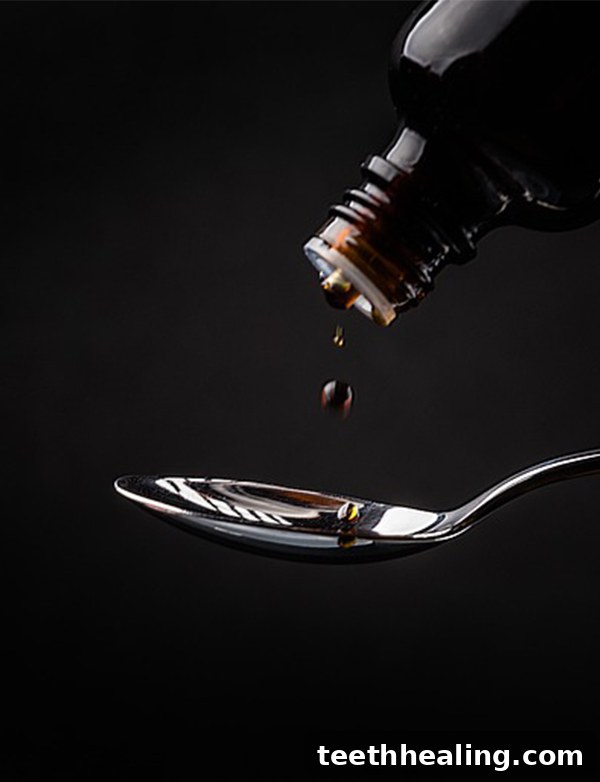
If testing reveals an iodine deficiency—a condition estimated to affect as much as 90% of the global population—supplementing with iodine, such as a few drops of Lugol’s iodine per day, can be a highly effective intervention. The precise dosage should always be guided by the test results and under the supervision of a qualified healthcare professional. It is crucial to take iodine in plain water or herbal tea; avoid mixing it with juice or other acidic liquids, as the acid can oxidize the iodine to iodide, thereby diminishing its therapeutic benefits. Regular retesting after a few months will help determine the correct and personalized maintenance dose, ensuring that optimal levels are sustained.
Historically, iodine has been recognized as one of the safest essential trace elements, and it can generally be supplemented in appropriate doses for extended periods when necessary. However, it is paramount to exercise caution: do not embark on Lugol’s iodine supplementation without first confirming a deficiency through testing and seeking professional medical guidance. Unmonitored or excessive doses of iodine can have a paradoxical and detrimental effect on the thyroid, potentially inducing or worsening low thyroid function in some individuals. Furthermore, if the body is already saturated with toxic halogens like bromine and fluoride, initiating iodine supplementation can, in rare instances, trigger a detoxification reaction. This can manifest as temporary symptoms such as fatigue, muscle aches, or diarrhea, as the body works to excrete these accumulated toxins. Therefore, a cautious, evidence-based approach is always recommended when incorporating iodine into your health regimen.