Unlock Your Healthiest Smile: A Comprehensive Guide to Choosing the Right Toothpaste
Choosing the right toothpaste can feel like navigating a maze of options, each promising a brighter, healthier smile. With countless brands, flavors, and specialized formulations on the market, it’s easy to feel overwhelmed. Dr. Rachel Hall, a renowned Kenmore dentist, emphasizes that while personal preference plays a role, understanding the science behind toothpaste is key to making an informed decision that truly benefits your oral health.
For many, the choice of toothpaste is often a legacy, inherited from childhood habits or simply grabbing the most familiar brand off the shelf. Mint-flavored, fluoride-containing varieties dominate the market, having long been the standard. However, the world of dental care has evolved significantly, offering targeted solutions for almost every oral health concern. To truly make the best choice, we need to look beyond the packaging and understand what toothpaste is, what it promises, and what it actually delivers.
The Evolution of Toothpaste: From Simple Paste to Advanced Formulas
The concept of toothpaste dates back thousands of years, with ancient Egyptians using mixtures of ox hoof ashes, burnt eggshells, and pumice. Its primary purpose, then as now, was to aid in the mechanical cleaning of teeth, removing food debris and plaque. Historically, it also played a crucial role in making the act of brushing more palatable, masking less pleasant flavors with herbs and spices. Early toothpastes were essentially abrasive pastes designed to help the toothbrush physically scrub away impurities.
Today, modern toothpastes claim to do much more than just clean. From reducing plaque and tartar buildup to fighting gingivitis, strengthening enamel, and offering dramatic whitening effects, the marketing messages are extensive. While many of these claims hold some truth, it’s crucial to be a discerning consumer. Not all toothpastes are created equal, and some claims are more marketing hype than scientific fact. For instance, many so-called “whitening” toothpastes primarily work by removing surface stains through abrasive action, rather than actively changing the intrinsic color of your teeth. They often contain no actual bleaching agents, meaning you may not achieve the dazzling white smile you envision just from brushing.
Decoding Toothpaste Ingredients: What You Need to Know
Understanding the common ingredients in toothpaste is the first step towards making an educated choice. Each component serves a specific function, contributing to the toothpaste’s cleaning power, therapeutic benefits, flavor, and consistency.
Fluoride: The Cavity Fighter
For decades, fluoride has been heralded as dentistry’s greatest weapon against tooth decay. It works by strengthening tooth enamel, making it more resistant to acid attacks from bacteria and sugars, and can even reverse early signs of decay. Most conventional toothpastes contain either sodium fluoride, stannous fluoride, or sodium monofluorophosphate. The American Dental Association (ADA) and similar organizations worldwide strongly endorse fluoride toothpaste for its proven ability to prevent cavities.
However, for those pursuing a more natural approach to dental care, or with specific health concerns, fluoride-free options have gained popularity. The decision to use fluoride or not often comes down to individual philosophy and risk factors for decay, which should ideally be discussed with your dentist. While fluoride’s benefits are well-documented, some individuals prefer to avoid it, seeking alternatives that rely on other natural compounds for oral health.
Abrasives: Cleaning Power vs. Enamel Wear
Abrasive agents are essential for physically scrubbing away plaque, food particles, and surface stains. Common abrasives include hydrated silica, calcium carbonate, dicalcium phosphate, and aluminum hydroxide. The level of abrasiveness in toothpaste is measured by its Relative Dentin Abrasivity (RDA) value. While a certain level of abrasion is necessary for effective cleaning, excessively abrasive toothpastes can wear down tooth enamel and exposed dentin over time, leading to sensitivity and other issues. This is particularly relevant for products marketed for “smokers” or intense “whitening,” which often contain higher levels of abrasives.
Detergents: The Foaming Agents
Sodium lauryl sulfate (SLS) is a common detergent that creates the familiar foaming action in many toothpastes. While it helps distribute the toothpaste and gives a clean feeling, some individuals find SLS irritating, potentially leading to canker sores or mouth ulcers. For those sensitive to SLS, many brands now offer SLS-free formulations.
Humectants, Binders, and Flavoring Agents
- Humectants (e.g., glycerin, sorbitol, propylene glycol): Prevent the toothpaste from drying out and give it a smooth texture.
- Binders (e.g., cellulose gum, carrageenan): Thicken the toothpaste and prevent separation of ingredients.
- Flavoring Agents (e.g., peppermint, spearmint, wintergreen, cinnamon, fruit extracts): Make toothpaste palatable. Artificial sweeteners like saccharin are common, but natural alternatives like xylitol are also widely used. Xylitol, in particular, offers an added benefit as it inhibits the growth of bacteria that cause cavities.
- Preservatives (e.g., parabens, sodium benzoate): Prevent microbial growth, ensuring the product remains stable and safe for use over time.
Tailoring Your Choice to Specific Oral Health Needs
Beyond the basics, many toothpastes are formulated to address specific dental concerns. Identifying your primary oral health needs, perhaps in consultation with your dentist, will guide you toward the most effective product.
Whitening Toothpastes: Realistic Expectations
As mentioned, most over-the-counter “whitening” toothpastes work by physically scrubbing away surface stains. For deeper, intrinsic stains, these products offer limited benefits. If you’re seeking a significantly whiter smile, professional teeth whitening treatments, which use higher concentrations of bleaching agents like hydrogen peroxide, are typically far more effective and safer under dental supervision. When choosing a whitening toothpaste, opt for one with a lower abrasive index to protect your enamel.
Sensitive Teeth Toothpastes: Finding Relief
If you experience sharp pain when consuming hot, cold, sweet, or acidic foods and drinks, you likely have sensitive teeth. Toothpastes designed for sensitivity often contain ingredients like potassium nitrate or stannous fluoride, which work by blocking the tiny tubules in the dentin that lead to the tooth’s nerve. Consistent use over several weeks is usually required to notice significant relief.
Tartar Control Toothpastes: Preventing Buildup
Tartar (calculus) is hardened plaque that cannot be removed by brushing alone and requires professional cleaning. Tartar control toothpastes contain ingredients like pyrophosphates or zinc citrate that help prevent plaque from hardening into tartar. It’s important to remember that these toothpastes can prevent new tartar formation but cannot remove existing tartar.
Gum Health & Gingivitis Toothpastes: Beyond Brushing
For individuals concerned about gum inflammation (gingivitis) or gum disease, specific toothpastes can help. They often contain antibacterial agents like stannous fluoride or triclosan (though triclosan’s use has declined due to health concerns). Many also incorporate natural extracts known for their anti-inflammatory properties. These toothpastes, combined with proper brushing and flossing, can significantly improve gum health.
The Rise of Natural and Fluoride-Free Toothpastes
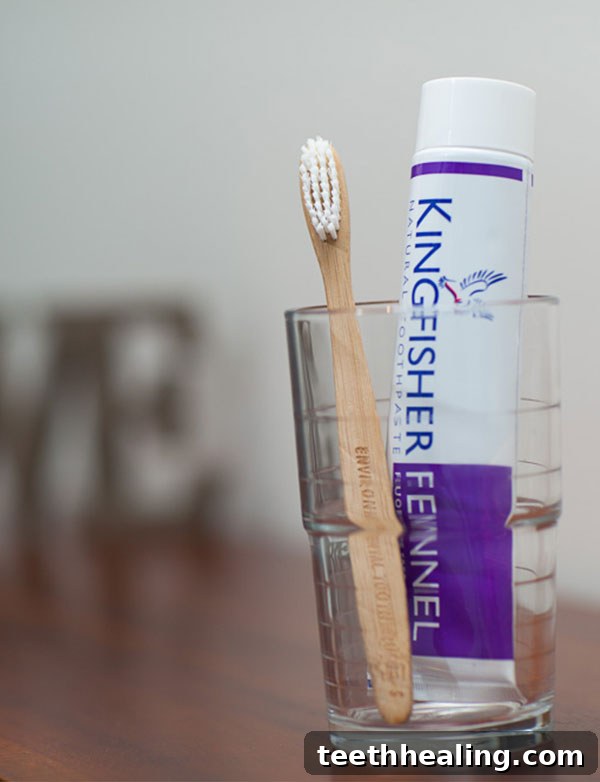
In recent years, there has been a significant shift towards natural and organic products across all consumer goods, and oral care is no exception. Many individuals are actively seeking fluoride-free natural toothpastes that are free from harsh chemicals, artificial colors, flavors, sweeteners, and synthetic preservatives. These products can often be found in health food stores, online retailers, or even at holistic dental practices.
Natural toothpastes often feature ingredients like baking soda (for gentle abrasion and pH balancing), essential oils (peppermint, tea tree, clove for antibacterial properties and flavor), xylitol (for cavity prevention), aloe vera (for soothing gums), and various herbal extracts. The philosophy behind these products often centers on minimizing exposure to synthetic compounds and embracing ingredients closer to nature.
However, the journey to finding the “perfect” natural toothpaste can involve some trial and error. As Dr. Hall notes, natural products can sometimes vary widely in texture and flavor compared to their conventional counterparts. Some may not foam as much, or their flavors might be less intense or more earthy. Being open to experimenting with a few different brands is often necessary to discover a natural toothpaste that aligns with both your oral health goals and your sensory preferences.
Making Your Final Decision: Practical Tips for Choosing
- Consult Your Dentist: Your dentist or dental hygienist is your best resource. They can assess your specific oral health needs, identify any issues like cavities, gum disease, or sensitivity, and recommend the most appropriate toothpaste for you.
- Identify Your Primary Concern: Are you prone to cavities? Do you have sensitive teeth? Are your gums bleeding? Is aesthetic whitening your main goal? Let your main concern guide your choice.
- Read the Label Carefully: Don’t just look at marketing claims. Check the ingredient list for active compounds relevant to your needs (e.g., fluoride for cavities, potassium nitrate for sensitivity, specific abrasives).
- Avoid Overly Abrasive Options: Be wary of toothpastes that claim extreme whitening or are specifically for smokers, as these often contain harsher abrasives that can damage enamel over time.
- Consider Flavor and Texture: Ultimately, if you don’t like the taste or feel of your toothpaste, you’re less likely to use it consistently. With the vast array of options today, from traditional mint to cinnamon, fruit, or even unflavored, you’re sure to find something you enjoy.
- Don’t Forget the Basics: Remember that toothpaste is just one component of a comprehensive oral hygiene routine. Proper brushing technique, daily flossing, and regular dental check-ups are equally, if not more, vital for maintaining optimal dental health, regardless of the toothpaste you choose.
Choosing the best toothpaste is a personal journey, but an informed one can make all the difference to your oral health. By understanding the ingredients, recognizing marketing ploys, and aligning your choice with your specific dental needs, you can truly empower your smile.