Urgent Dental Care: Why Immediate Treatment for Dental Emergencies is Crucial for Your Oral Health
Imagine a sudden, throbbing pain in your tooth that won’t subside, or perhaps the shock of a chipped or broken tooth after an unexpected accident. These aren’t just minor inconveniences; they are signals of a dental emergency, situations that demand immediate attention from an emergency dentist. Ignoring these critical moments can lead to a cascade of problems, from escalating pain and widespread infection to irreversible damage that could ultimately cost you your tooth, and significantly more money in complex treatments down the line. This comprehensive guide will delve into the profound importance of seeking prompt treatment for dental emergencies, exploring common scenarios, crucial first aid steps, effective prevention strategies, and how to safeguard your overall oral health. Don’t wait until it’s too late – understanding the urgency can truly save your smile and well-being.
The Indisputable Importance of Immediate Dental Emergency Treatment
When a dental crisis strikes, time is often of the essence. Delaying professional care, even for a few hours, can dramatically alter the outcome. Here’s why acting swiftly is paramount:
Preventing Worsening Conditions and Complications
Many dental emergencies, such as severe toothaches, are indicative of underlying issues like deep cavities or infections (dental abscesses). Left untreated, these conditions can rapidly deteriorate. A localized infection can spread to surrounding teeth, gums, jawbone, and even into other parts of the body, leading to more serious systemic health problems. What might start as a treatable issue can quickly become a complex problem requiring extensive, more invasive, and costly procedures like root canals, extractions, or even hospital stays in severe cases of infection.
Preserving Natural Teeth and Maximizing Treatment Effectiveness
For certain emergencies, like a knocked-out tooth (avulsion), there’s a critical window of opportunity for successful re-implantation. Typically, a tooth has the best chance of survival if it’s re-implanted within 30 minutes to an hour of being dislodged. Beyond this time frame, the success rate significantly diminishes. Similarly, a severely cracked or fractured tooth can often be saved if treated promptly, but delaying can allow bacteria to penetrate the pulp, leading to infection and potentially necessitating extraction.
Minimizing Pain and Discomfort
Dental emergencies are often accompanied by intense pain, making it difficult to eat, speak, or sleep. Seeking immediate dental care helps alleviate this suffering quickly and effectively. While temporary pain relief measures can help, only a dentist can address the root cause of the pain, providing lasting relief and preventing recurrence.
Avoiding Long-Term Health Risks
Oral health is intrinsically linked to overall systemic health. Untreated dental infections, for example, have been associated with an increased risk of heart disease, stroke, diabetes complications, and even adverse pregnancy outcomes. By addressing dental emergencies promptly, you’re not just protecting your teeth; you’re safeguarding your entire body from potential long-term health complications.
Financial Implications of Delayed Care
While the thought of an emergency dental bill might be daunting, delaying treatment often leads to far greater expenses. A small cavity can become a severe infection requiring a root canal and crown. A minor chip can propagate into a full fracture necessitating extraction and an implant. Procrastination in dental care almost invariably translates to more complex, time-consuming, and expensive treatments in the long run.
Common Types of Dental Emergencies Requiring Urgent Attention
Dental emergencies manifest in various forms, each demanding specific and timely care. Recognizing these common scenarios is the first step towards getting the help you need:
1. Severe Toothache
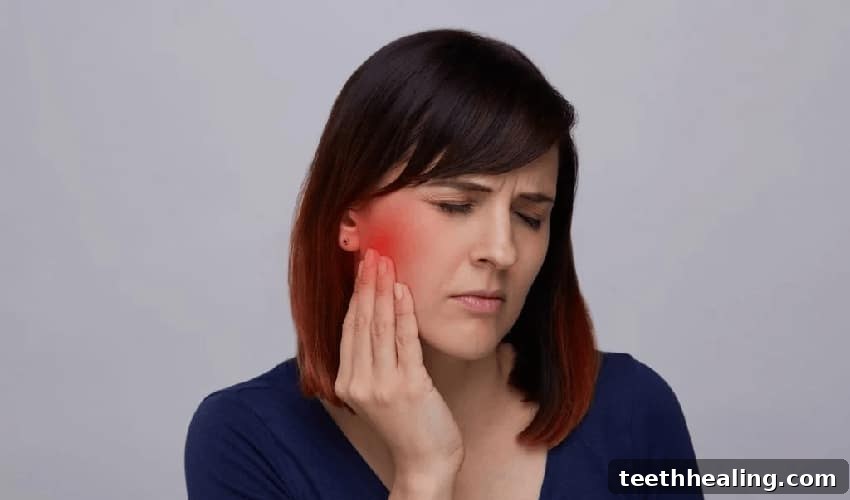
A persistent, intense toothache that doesn’t respond to over-the-counter pain relievers is almost always a sign of a serious underlying issue. This could range from a deep cavity that has reached the tooth’s nerve, an abscess (a localized collection of pus caused by bacterial infection), gum disease, or even a cracked tooth not yet visible to the naked eye. The pain can be sharp, throbbing, or constant, often worsening when biting or exposed to hot or cold temperatures. Ignoring a severe toothache can lead to the spread of infection, tooth loss, and systemic health issues.
2. Chipped, Cracked, or Broken Teeth
Accidents, biting down on hard foods, or even old fillings can lead to a chipped or broken tooth. While a minor chip might seem cosmetic, it can expose the sensitive inner layers of the tooth, leading to pain, sensitivity, and increased risk of further damage or infection. More severe cracks or fractures can extend into the tooth’s root, potentially jeopardizing its viability and requiring immediate intervention to prevent total tooth loss or infection.
3. Knocked-Out (Avulsed) Tooth
This is perhaps one of the most time-sensitive dental emergencies. A tooth that has been completely dislodged from its socket due to trauma can often be saved if immediate action is taken. The success rate of re-implantation is highest within the first hour. It requires precise handling and prompt professional care to maximize the chances of the tooth re-attaching successfully.
4. Lost Filling or Crown
Fillings and crowns protect compromised teeth from decay and maintain their structural integrity. When a lost filling or a lost crown occurs, the underlying tooth structure becomes exposed and vulnerable. This can lead to increased sensitivity to temperature and pressure, and significantly heighten the risk of new decay or further damage to the weakened tooth. An exposed tooth is a direct pathway for bacteria to enter, potentially leading to infection if not promptly protected.
5. Dental Abscess
A dental abscess is a serious infection characterized by a pocket of pus in the mouth, often near the root of a tooth or in the gums. Symptoms include severe, persistent, throbbing toothache, sensitivity to hot and cold, fever, swelling in the face or jaw, and a tender lymph node in the neck. An untreated abscess can spread infection throughout the body, leading to life-threatening conditions like sepsis.
6. Soft Tissue Injuries
Injuries to the gums, tongue, cheeks, or lips, such as cuts, tears, or puncture wounds, can cause significant bleeding and pain. These can occur from sports injuries, falls, or even biting down accidentally. While some minor cuts can be managed at home, deep lacerations or persistent bleeding require an emergency dentist to ensure proper cleaning, suturing if necessary, and to check for underlying tooth damage.
7. Objects Caught Between Teeth
While often not as dramatic as a knocked-out tooth, a foreign object (like a piece of food) lodged stubbornly between teeth can cause considerable pain, pressure, and gum irritation. Attempts to remove it with sharp objects can damage gums or tooth enamel. A dentist can safely remove the object and check for any resulting damage.
Recognizing the Signs and Symptoms of a Dental Emergency
Being able to identify the warning signs of a dental emergency is critical for knowing when to seek urgent care. Pay close attention to these indicators:
- Severe and persistent tooth pain: Pain that doesn’t go away with over-the-counter medication or worsens significantly.
- Sudden swelling: Swelling in the gums, jaw, face, or neck could indicate a serious infection or abscess.
- Bleeding from the mouth: Any uncontrolled or excessive bleeding from the gums, tongue, or other soft tissues.
- A visible crack, chip, or fracture: Any noticeable damage to a tooth.
- A tooth that has been knocked out or is loose: Any tooth that is mobile or completely dislodged.
- Pus or discharge: A foul taste, bad breath, or visible pus, especially if accompanied by pain or swelling, signals an infection.
- Difficulty opening your mouth or chewing: This can be a symptom of a severe infection, jaw injury, or wisdom tooth problems.
- Fever: Accompanied by other oral symptoms, fever often points to a widespread infection.
- Extreme sensitivity: Unbearable sensitivity to hot, cold, or pressure that wasn’t present before.
If you experience any of these signs or symptoms, do not hesitate to contact an emergency dental care provider immediately. Prompt action can significantly improve the prognosis for your tooth and prevent further damage to your oral health.
First Aid: What to Do While Awaiting Professional Dental Help
While immediate professional treatment is essential, knowing basic first aid can help manage pain, prevent further damage, and improve the outcome while you’re on your way to the dentist. Remember, these are temporary measures, not substitutes for professional care.
For a Severe Toothache:
- Rinse your mouth thoroughly with warm salt water to clean the area and reduce swelling.
- Gently floss around the painful tooth to remove any trapped food particles that might be causing irritation.
- Do NOT place aspirin or any painkiller directly on your gums or tooth, as this can burn the gum tissue.
- Apply a cold compress or ice pack to the outside of your cheek or jaw to reduce swelling and numb the area.
- Take an over-the-counter pain reliever like ibuprofen or acetaminophen, following dosage instructions.
For a Chipped or Broken Tooth:
- Rinse your mouth with warm water to clean the area.
- If there are any broken pieces of the tooth, try to save them. Store them in milk or saliva if possible.
- Apply a cold compress to your face near the injured area to reduce swelling and pain.
- If the tooth has a sharp edge, you can cover it with a piece of sugar-free chewing gum or dental wax to prevent it from cutting your tongue or cheek.
For a Knocked-Out Tooth:
This is extremely time-sensitive. Act immediately!
- Gently pick up the tooth by the crown (the chewing surface), avoiding touching the root.
- If the tooth is dirty, rinse it briefly (no more than 10 seconds) under cold running water. Do NOT scrub it, clean it with soap, or remove any attached tissue fragments.
- If possible, try to reinsert the tooth gently back into its socket. Bite down gently on a clean gauze or cloth to hold it in place.
- If re-implantation isn’t possible, keep the tooth moist. Place it in a cup of milk, your own saliva, or a saline solution. A last resort is between your cheek and gum.
- Seek an emergency dentist immediately, preferably within 30 minutes.
For a Lost Filling or Crown:
- If you have the crown, try to temporarily re-seat it on the tooth using dental adhesive, sugar-free chewing gum, or even toothpaste. This can help protect the tooth until you see the dentist.
- If the tooth is sensitive, avoid very hot or cold foods and drinks.
- Chew on the opposite side of your mouth.
- Contact your dentist as soon as possible, even if you managed to replace it temporarily.
For Soft Tissue Injuries (Cuts to Lips, Gums, Tongue, or Cheeks):
- Rinse your mouth with a mild salt water solution.
- Apply direct pressure to the bleeding area using a clean piece of gauze or cloth for 10-15 minutes.
- Apply a cold compress to the outside of the mouth or face to reduce swelling and pain.
- If the bleeding doesn’t stop or the wound is deep, seek emergency dental care or go to an urgent care clinic.
Prevention Strategies to Minimize Dental Emergencies
While not all emergencies can be avoided, many are preventable through consistent and proactive oral hygiene practices and lifestyle choices. Investing in preventive care is often the best defense against unexpected dental crises.
- Maintain Excellent Oral Hygiene:
Brush your teeth thoroughly at least twice a day for two minutes each time, using a fluoride toothpaste. Make sure to brush twice daily and floss regularly to remove plaque and food particles from between teeth and along the gumline. This prevents cavities and gum disease, which are common precursors to emergencies like toothaches and abscesses.
- Regular Dental Check-ups and Cleanings:
Visiting your dentist every six months for routine check-ups and professional cleanings allows for early detection and treatment of potential problems before they escalate into emergencies. Your dentist can spot developing cavities, signs of gum disease, or weakened fillings, addressing them proactively.
- Wear a Mouthguard During Sports:
If you participate in contact sports or any activity that carries a risk of facial injury (e.g., basketball, cycling, skateboarding), wearing a custom-fitted mouthguard is crucial. This protective device cushions blows and can prevent broken, chipped, or knocked-out teeth, as well as soft tissue injuries.
- Avoid Chewing on Hard Objects:
Refrain from biting or chewing on non-food items like ice, pens, fingernails, or hard candies. These habits can cause sudden cracks or fractures in teeth, especially those with existing fillings or wear.
- Be Mindful of Your Diet:
Limit your intake of sugary and acidic foods and drinks, which contribute to tooth decay and enamel erosion. A balanced diet rich in calcium and vitamins supports strong teeth and gums.
- Address Bruxism (Teeth Grinding):
If you clench or grind your teeth, especially at night, discuss it with your dentist. This habit, known as bruxism, can wear down enamel, cause tooth fractures, jaw pain, and headaches. A nightguard can protect your teeth from the excessive forces of grinding.
- Don’t Use Teeth as Tools:
Avoid using your teeth to open bottles, tear packages, or cut threads. Always use appropriate tools for these tasks to prevent accidental damage.
When to Seek Professional Dental Help for a Dental Emergency
Ultimately, any situation that causes severe pain, uncontrolled bleeding, or trauma to your teeth or soft tissues should prompt an immediate call to an emergency dentist. Do not try to diagnose or treat serious conditions yourself. A qualified dental professional is equipped to handle complex emergencies, assess the extent of the damage, and provide the most effective treatment to save your tooth and alleviate your pain.
Remember, your primary care dentist may offer emergency services, or they can direct you to an on-call emergency dental clinic. The key is to act swiftly rather than waiting for pain to subside or complications to worsen. Trust your instincts – if it feels like an emergency, it most likely is.
Conclusion: Prioritizing Your Oral Health with Prompt Emergency Care
Dental emergencies are unpredictable, but your response to them doesn’t have to be. Understanding the critical importance of seeking immediate dental treatment is the most powerful tool you have in preserving your oral health, preventing further complications, and avoiding more extensive and costly procedures down the road. From agonizing toothaches and lost crowns to severe trauma like a knocked-out tooth, every dental emergency demands prompt, professional attention.
By being aware of the types of emergencies, recognizing their symptoms, knowing basic first aid, and diligently practicing preventive measures, you empower yourself to protect your smile. Don’t let fear or procrastination jeopardize your oral health. If you suspect a dental emergency, reach out to a qualified dentist without delay. Your teeth, your health, and your peace of mind are worth the immediate attention.