Understanding Dry Mouth (Xerostomia): Causes, Symptoms, and Effective Treatments
In this comprehensive guide, Dr. Rachel Hall, a leading Kenmore dentist at Evolve Dental Healing, delves into the complexities of dry mouth, medically known as xerostomia. We explore the underlying reasons why you might experience persistent oral dryness and present a range of effective strategies and treatments to manage this often uncomfortable and potentially problematic condition.
What is Dry Mouth (Xerostomia)? More Than Just Thirst
Have you ever noticed your mouth feeling parched after an intense workout or when you’re simply feeling thirsty? For most, a quick drink of water resolves this sensation, restoring oral comfort. However, for a significant portion of the population, this feeling of dryness is chronic, persistent, and can profoundly impact daily life and overall health.
This ongoing oral dryness is formally known as xerostomia, or colloquially, dry mouth. It’s a common problem that affects millions, particularly as people age, but it can occur at any stage of life. Far from being a mere inconvenience, chronic dry mouth signifies an insufficient flow of saliva, which is vital for maintaining oral health.
The implications of xerostomia extend far beyond discomfort. A lack of adequate saliva can dramatically increase your risk of serious dental problems, including rampant tooth decay, advanced gum disease, and persistent bad breath (halitosis). Therefore, addressing dry mouth symptoms promptly and effectively is paramount for preserving your oral health and overall well-being.
At Evolve Dental Healing, we understand the challenges dry mouth presents. We offer a curated selection of K-Force products specifically designed to combat xerostomia. Our range includes specialized dry mouth gels, fluoride-rich toothpastes, soothing mouthwashes, and saliva-stimulating lozenges and gums. Each product is formulated to not only alleviate dryness but also to actively stimulate and improve both the flow and quality of your natural saliva, promoting a healthier oral environment.
Understanding the Causes of Dry Mouth: Why Your Saliva Flow Reduces
Dry mouth occurs when the salivary glands in your mouth do not produce enough saliva to keep your mouth moist. Saliva is a powerful, natural defense mechanism within your mouth, essential for a multitude of functions that support oral health and comfort. It helps in neutralizing acids produced by bacteria, washing away food particles, aiding in digestion, and protecting against tooth decay and infections.
The causes of reduced saliva flow are diverse and can range from minor lifestyle factors to more serious underlying medical conditions. Identifying the root cause is the first critical step toward effective management and relief.
Common Causes of Dry Mouth Include:
-
Medications: This is arguably the most common cause. Hundreds of prescription and over-the-counter drugs list dry mouth as a potential side effect. Common culprits include antihistamines, decongestants, pain medications, muscle relaxants, diuretics, and drugs for high blood pressure, depression, and anxiety. The severity of dry mouth can vary depending on the dosage and combination of medications.
-
Aging: While aging itself doesn’t directly cause dry mouth, older adults are more prone to taking multiple medications, which increases their risk. Additionally, age-related changes can sometimes affect the efficiency of salivary glands.
-
Dehydration: Simple lack of adequate fluid intake can lead to a dry mouth. This can be exacerbated by hot weather, strenuous exercise, or insufficient water consumption throughout the day.
-
Nerve Damage: Injury or surgery that affects the head and neck area can sometimes damage nerves responsible for stimulating saliva production, leading to permanent or temporary xerostomia.
-
Autoimmune Diseases: Conditions such as Sjögren’s syndrome, an autoimmune disorder that primarily affects the glands that produce tears and saliva, are significant causes of chronic dry mouth and dry eyes. Other conditions like lupus or rheumatoid arthritis can also contribute.
-
Cancer Therapy: Radiation therapy to the head and neck can severely damage salivary glands, often resulting in permanent dry mouth. Chemotherapy drugs can also temporarily alter saliva production, leading to dryness.
-
Lifestyle Factors:
- Alcohol Consumption: Alcohol acts as a diuretic, promoting fluid loss and dehydrating the body, including the oral tissues. Many commercial mouthwashes contain alcohol, which can exacerbate dry mouth.
- Smoking and Tobacco Use: Tobacco products, whether smoked or chewed, significantly reduce saliva flow and irritate the oral tissues, making dry mouth much worse.
- Mouth Breathing: Regularly breathing through your mouth, especially while sleeping, can cause saliva to evaporate quickly, leading to morning dry mouth.
- Illicit Drug Use: Certain recreational drugs, such as methamphetamine, can severely impair salivary gland function.
-
Other Health Conditions: Diabetes, Parkinson’s disease, Alzheimer’s disease, stroke, and yeast infections (thrush) in the mouth can also be associated with reduced saliva flow.
Recognizing the Symptoms of Dry Mouth: A Guide to What to Look For
The symptoms of dry mouth can vary in intensity and may be subtle at first, often worsening over time. Recognizing these signs early is crucial for timely intervention and preventing more serious oral health complications. If you experience several of these symptoms consistently, it’s advisable to consult a dental professional or doctor.
- A persistently sticky, dry feeling in your mouth, often described as cotton mouth. This is the most direct indicator of insufficient saliva.
- Frequent thirst, compelling you to drink water more often than usual, yet the dryness persists.
- Sores in your mouth or cracked lips, particularly at the corners. Lack of saliva makes the delicate oral tissues more vulnerable to friction and irritation.
- A dry or sore throat, especially upon waking, due to the absence of moisturizing saliva.
- A burning or tingling sensation in the mouth, often on the tongue or palate, caused by irritated mucous membranes.
- A dry, red, or raw tongue that may feel rough or leathery. In severe cases, the tongue may appear fissured or peeled.
- Difficulty tasting foods, chewing, swallowing (dysphagia), or speaking clearly. Saliva is vital for dissolving food particles to allow taste buds to function, and it lubricates the mouth for articulation and swallowing.
- Dry nasal passages, leading to discomfort and sometimes nosebleeds, as the body’s mucous membranes are generally affected.
- Persistent bad breath, as saliva’s natural cleansing and antibacterial properties are diminished, allowing bacteria to thrive.
- Hoarseness or a change in voice, due to dryness affecting the throat and vocal cords.
- Increased susceptibility to oral infections, such as fungal infections (oral thrush), due to a compromised immune defense in the mouth.
- Dental problems like increased tooth decay (cavities) and gum inflammation (gingivitis), as the protective layer of saliva is absent.
Professional Dry Mouth Treatments: When to See Your Dentist or Doctor
If you recognize these persistent symptoms in yourself, the most important first step is to consult your doctor or dentist. A thorough examination and discussion of your medical history, including all medications you are currently taking, will help them accurately diagnose the cause of your dry mouth. This professional assessment is crucial because effective treatment hinges on identifying and addressing the underlying issue.
If your dry mouth is determined to be a side effect of medication, your doctor may be able to adjust the dosage, switch you to an alternative medication that causes less dryness, or prescribe a medication specifically designed to stimulate saliva production. Drugs like pilocarpine (Salagen) or cevimeline (Evoxac) are examples of prescription medications that can increase salivary flow in certain conditions, offering significant relief to patients whose salivary glands are still partially functional.
For individuals with conditions like Sjögren’s syndrome, managing the underlying autoimmune disorder is also a critical part of dry mouth treatment, often involving a multidisciplinary approach with various specialists.
Over-the-Counter Solutions for Dry Mouth Relief
Beyond prescription options, a wide array of over-the-counter (OTC) products are available to help manage dry mouth symptoms. These products aim to either lubricate the mouth or stimulate residual saliva production, providing temporary but often much-needed relief.
-
Saliva Substitutes and Oral Moisturizers: These products come in various forms, including gels, sprays, and liquids. They are designed to mimic the consistency and lubricating properties of natural saliva, coating the oral tissues to provide immediate relief from dryness. Ingredients often include carboxymethylcellulose or hydroxyethylcellulose.
-
Oral Rinses: There are specific oral rinses formulated to stimulate saliva production or provide moisture. It is absolutely crucial to choose alcohol-free mouthwashes, as alcohol can further dry out the mouth and irritate sensitive tissues. Look for rinses containing xylitol, fluoride, or calcium to offer additional protection against decay.
-
Dry Mouth Lozenges and Gums: Sugar-free lozenges, pastilles, and chewing gums are excellent for stimulating salivary glands. The act of sucking or chewing helps trigger saliva flow. Opt for products containing xylitol, which not only promotes saliva but also has anti-cavity benefits by inhibiting the growth of harmful bacteria.
-
Specialized Toothpastes: Some toothpastes are formulated for dry mouth sufferers, often containing higher levels of fluoride for extra cavity protection and gentle ingredients to avoid irritation. Avoid harsh foaming agents like sodium lauryl sulfate (SLS) which can be irritating.
A Critical Word of Caution: While many OTC products offer relief, it’s essential to be discerning. A significant number of these products, including many conventional mouthwashes, can be highly acidic. Acidic oral products can erode tooth enamel over time, counteracting your efforts to maintain oral health. Always consult your dentist or the team at Evolve Dental Healing for recommendations on safe and effective over-the-counter dry mouth products. We can guide you to pH-balanced options that protect your teeth while alleviating dryness.
Effective At-Home Treatments and Lifestyle Adjustments for Dry Mouth
In conjunction with professional guidance and specialized products, several simple yet effective strategies can be implemented at home to manage dry mouth symptoms. These lifestyle adjustments and natural remedies can significantly improve your comfort and oral health.
Hydration and Beverage Choices:
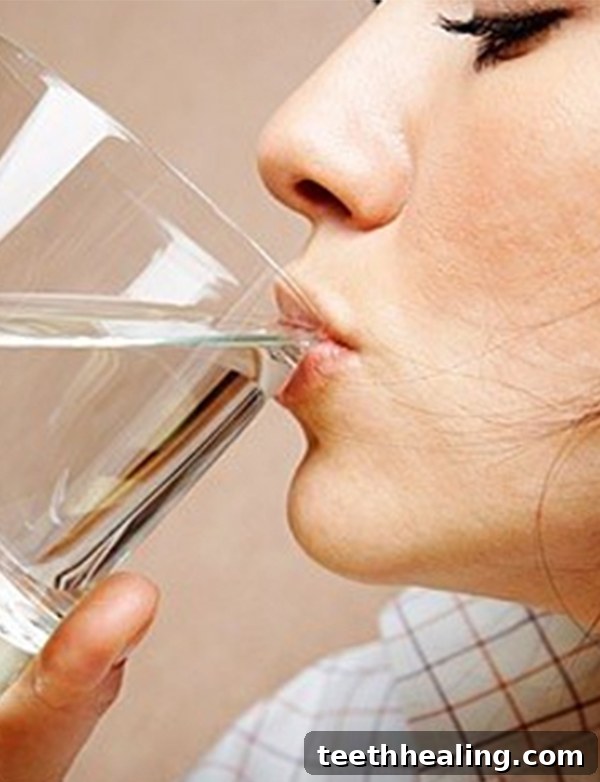
Water: This is perhaps the most fundamental solution. Regularly sipping water throughout the day, rather than drinking large quantities infrequently, helps to continuously moisten your mouth. Water also plays a crucial role in washing away leftover food particles and neutralizing acids, a function normally performed by saliva. It’s important to keep a bottle of water handy at all times, especially during meals and before bedtime.
Avoid Dehydrating Beverages: Steer clear of drinks containing caffeine (coffee, tea, most sodas), alcohol (including alcohol in mouthwashes), and highly acidic beverages (such as fruit juices and carbonated drinks). These substances can exacerbate dry mouth by dehydrating your body or irritating your oral tissues. Substitute any drinks that fall into these categories with water or herbal teas.
Saliva Stimulation Through Diet:
Sugar-Free Gum or Sweets: Chewing sugar-free gum or sucking on sugar-free lozenges, mints, or hard candies can effectively stimulate your salivary glands. The mechanical action of chewing and the flavors can significantly increase saliva flow. Always ensure these products are sugar-free to prevent the introduction of decay-causing sugars into an already vulnerable mouth environment. Xylitol-containing products are particularly beneficial as xylitol inhibits cavity-forming bacteria.
Moist Foods: Opt for foods with a high moisture content or soften your meals. Adding broth, soup, sauces, gravies, or salad dressings can make food easier to chew and swallow, and more comfortable to eat with a dry mouth. Foods like oatmeal, yogurt, cooked vegetables, and soft fruits are generally well-tolerated.
Foods to Avoid and Foods to Embrace for Dry Mouth:
If you are experiencing dry mouth, certain foods can worsen your symptoms or increase your risk of dental problems. Avoid:
- Sticky or Sugary Foods: Candies, pastries, and processed snacks cling to teeth and promote bacterial growth, leading to decay in the absence of protective saliva.
- Dry, Crumbly, or Hard Foods: Crackers, dry toast, nuts, and hard biscuits can be difficult to chew and swallow, and may irritate the dry oral tissues.
- Salty Foods: High-sodium snacks absorb moisture and can exacerbate the sensation of dryness.
- Spicy Foods: While some spices can stimulate saliva, others, particularly very hot ones, can cause a burning sensation in a dry, sensitive mouth.
- Acidic Foods and Drinks: Citrus fruits, tomatoes, and carbonated beverages can irritate already sensitive oral tissues and contribute to enamel erosion.
Conversely, there are foods you can eat that can actually help treat dry mouth. These include items that are high in water content and can help stimulate saliva production:
- Celery: Composed of approximately 95% water, chewing on a stick of celery not only adds moisture but also vigorously stimulates salivary glands, encouraging natural saliva flow.
- Cucumbers and Iceberg Lettuce: Similar to celery, these vegetables are very high in water content and provide a refreshing, hydrating effect.
- Watermelon and Berries: These fruits are packed with water and can be soothing.
- Certain Spices: Counter-intuitively, some mild spices, like a pinch of cayenne pepper (if tolerated and not irritating), can stimulate salivary glands and sweat glands, potentially bringing more moisture to the mouth and body. Use with caution to avoid irritation.
- Chewing fresh parsley or mint: Can help stimulate saliva and combat bad breath.
Other Practical Solutions for Minimizing Dry Mouth at Home
Beyond dietary and hydration adjustments, several other simple strategies can significantly improve your comfort and reduce the impact of dry mouth:
- Breathe Through Your Nose: Making a conscious effort to breathe through your nose instead of your mouth, especially at night, can dramatically reduce moisture evaporation from your oral cavity. Mouth breathing is a major contributor to morning dry mouth and overall oral dryness.
- Use a Room Humidifier: Sleeping with a room vaporizer or humidifier, particularly in dry climates or during winter months, adds moisture to the air. This helps to hydrate your airways and oral tissues, preventing excessive dryness overnight. Inhaling steam from a bowl of hot water can also provide temporary relief.
- Practice Exemplary Oral Hygiene: Without the protective and cleansing action of saliva, your mouth is at a significantly higher risk for tooth decay, gum disease, and oral infections. It is imperative to maintain impeccable oral hygiene:
- Brush your teeth gently with a soft-bristled brush and fluoride toothpaste at least twice a day.
- Floss daily to remove plaque and food particles from between teeth.
- Use an alcohol-free mouth rinse, preferably one formulated for dry mouth or containing fluoride.
- Consider using prescription fluoride gels or varnishes as recommended by your dentist for enhanced cavity protection.
- Regular Dental Check-ups: Frequent visits to your dentist are crucial for individuals with dry mouth. Your dentist can monitor your oral health closely, detect potential problems like cavities or gum disease early, and apply protective treatments such as fluoride varnishes.
The most important takeaway for anyone experiencing dry mouth is the intensified need for diligent oral care. Saliva is your mouth’s natural guardian, and without it, your vulnerability to dental problems escalates. By adopting these strategies and seeking professional advice, you can effectively manage your dry mouth symptoms and protect your long-term oral health.
If any complications arise from your dry mouth, such as new cavities, gum inflammation, or persistent discomfort, please do not hesitate to contact us at Evolve Dental Healing immediately. Our experienced team is dedicated to helping you resolve issues associated with dry mouth as quickly and comfortably as possible, restoring your oral health and comfort.
To comprehensively assess your oral health, determine if you have dry mouth, and explore the most effective personalized treatment plan, call 07 3720 1811 today. Arrange a thorough oral and dental health assessment, which includes a specialized saliva screening test, with Dr. Rachel Hall and her team. We are here to help you achieve a healthier, more comfortable mouth.