
The phrase “root canal” often conjures images of fear and discomfort, yet in reality, modern root canal therapy is a highly effective, often pain-relieving procedure designed to save a severely damaged or infected tooth. Far from being a painful ordeal, it’s a critical treatment that can prevent further complications, preserve your natural smile, and restore your oral health. This comprehensive guide will demystify root canals, outlining their numerous benefits, what to expect during the process, and why choosing this treatment is a smart investment in your long-term well-being.
Root Canal Treatment: Saving Your Natural Tooth and Restoring Health
When the inner pulp of a tooth becomes inflamed or infected due to deep decay, repeated dental procedures, or a crack or chip, root canal treatment — also known as endodontic treatment — becomes essential. This vital procedure is specifically designed to eliminate the infection and protect the compromised tooth from future microbial invasion. Without it, the infection can spread, leading to severe pain, abscess formation, and ultimately, the loss of the tooth. By choosing a root canal, you’re opting to preserve your natural tooth, which is almost always the best option for maintaining the structural integrity of your jaw and the alignment of your other teeth.
Understanding Root Canal Therapy: Why It’s a Tooth-Saving Solution
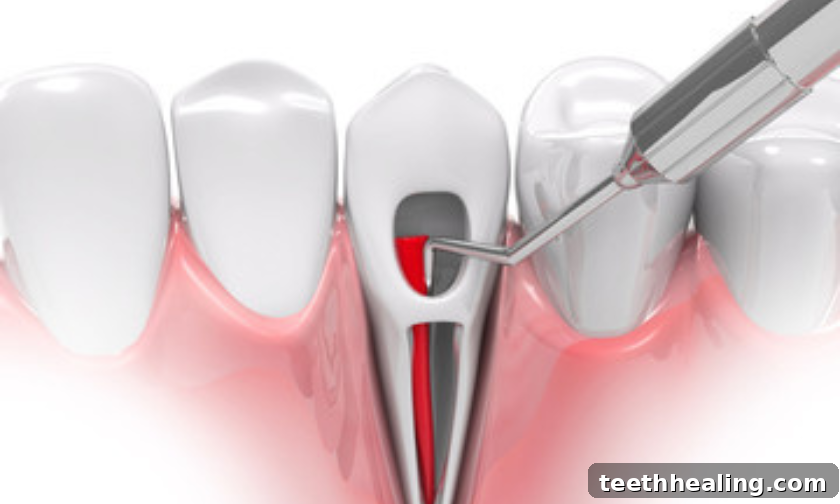
A root canal is a procedure focused on the inside of your tooth. Deep within each tooth lies the dental pulp, a soft tissue containing nerves, blood vessels, and connective tissue. This pulp extends from the crown of the tooth down to the tip of the roots, residing within canals. When this pulp becomes infected or inflamed, it can cause excruciating pain and lead to serious health issues. The primary goal of root canal therapy is to remove this damaged or diseased pulp, thoroughly clean and disinfect the inside of the tooth, and then fill and seal the space to prevent future infection. This treatment is a testament to advanced dental care, allowing millions of teeth that would otherwise be lost to remain functional members of the dental arch each year.
Choosing a root canal over extraction offers numerous benefits. Keeping your natural tooth helps maintain the proper biting force and sensation, preventing adjacent teeth from shifting into the gap created by a missing tooth. This shift can lead to misalignment, chewing difficulties, and further dental problems. Furthermore, preserving your natural tooth avoids the need for costly and complex tooth replacement options such as dental implants or bridges, which, while effective, still represent a significant financial and time commitment compared to a well-executed root canal. In essence, a root canal is an investment in your long-term oral health and comfort, allowing you to retain your natural smile and bite for many years to come.
Preventing Further Damage and Protecting Your Overall Health
Good oral hygiene, including regular brushing and flossing, is undeniably the first line of defense against tooth damage. However, despite diligent efforts, sometimes decay or injury can advance to a point where simple fillings are no longer sufficient. When tooth decay penetrates the outer layers of enamel and dentin to reach the pulp, or if a severe injury compromises the tooth’s vitality, an infection can take hold. If left untreated, this infection can have severe consequences, far beyond localized tooth pain.
An untreated dental infection can spread to the jawbone, causing an abscess – a pus-filled pocket that forms at the root tip. This can lead to significant swelling, intense pain, and even systemic health issues as the bacteria can enter the bloodstream. Conditions like facial swelling, cellulitis, or even more serious infections in other parts of the body can stem from an ignored dental abscess. A root canal effectively removes the source of this infection, thereby preventing its spread and safeguarding your overall health. By cleaning out the infected tissue and sealing the tooth, the procedure eliminates the bacterial threat and stabilizes the tooth structure. Following the procedure, a dental filling or, more commonly, a dental crown is placed. This restoration not only seals the tooth from reinfection but also strengthens it, protecting it from fractures and ensuring it can withstand the forces of chewing for many years.
Dispelling Myths: The Reality of a Painless and Efficient Procedure
One of the most persistent myths surrounding root canal treatment is that it’s an agonizing and lengthy procedure. Thanks to significant advancements in modern dentistry, this perception is largely outdated. Today, root canal therapy is typically performed with local anesthesia, ensuring that you experience little to no pain during the treatment itself. The primary goal of the procedure is, in fact, to alleviate the severe pain caused by the infection or inflammation, not to create more discomfort.
During the procedure, your dentist or endodontist (a specialist in root canal treatment) will numb the affected area thoroughly. You might feel some pressure or vibrations as the dentist works, but sharp pain should be absent. The procedure generally involves several steps: creating a small access opening in the crown of the tooth, removing the infected pulp, carefully cleaning and shaping the root canals, and then filling them with a biocompatible material (gutta-percha) to seal them. Finally, a temporary filling is placed to protect the tooth until a permanent restoration, such as a crown, can be applied. Depending on the complexity of the tooth and the extent of the infection, a root canal can often be completed in one or two appointments, each lasting typically between 60 to 90 minutes. Many patients report that the experience is no more uncomfortable than having a routine filling, and the relief from pre-existing pain is immediate and profound. It is always advisable to discuss any anxieties or concerns with your dental professional, as they can explain the process in detail and ensure your comfort throughout the treatment.
Dental Insurance Coverage: Making Root Canals Financially Accessible
The cost of dental care is a common concern for many, and while major procedures like root canals can represent an investment, they are frequently covered by dental insurance. Most dental insurance plans recognize root canal therapy as a necessary restorative treatment and categorize it under “major procedures.” This typically means that a significant portion of the cost, often 50% to 80%, may be covered after you meet your deductible, depending on the specifics of your plan.
It’s crucial to understand the details of your individual dental insurance policy. Coverage can vary widely between providers and plans, with different annual maximums, deductibles, and co-insurance percentages. Before undergoing treatment, it is highly recommended to contact your insurance provider directly or have your dental office’s administrative staff assist you in verifying your benefits. They can provide a detailed breakdown of what your plan covers for endodontic treatment, helping you understand your out-of-pocket expenses.
Even if you don’t have dental insurance, or if your coverage is limited, there are still numerous ways to make root canal treatment more financially manageable. Many dental practices offer flexible payment plans, allowing you to pay for the procedure in interest-free installments. Additionally, some practices provide discounts for upfront payments or participate in dental discount plans. Community dental clinics, dental schools, and charitable organizations can also be excellent resources for high-quality care at a reduced cost. Considering the long-term benefits of saving your natural tooth versus the potentially higher costs of extraction followed by a bridge or implant, a root canal is often the more economically sound choice in the long run.
Post-Treatment Care: Ensuring the Longevity of Your Treated Tooth
Undergoing a root canal is a significant step towards restoring your oral health, but the journey doesn’t end there. Proper post-treatment care is absolutely essential for the long-term success and longevity of your treated tooth. While the infection has been removed, the tooth may be temporarily vulnerable until a permanent restoration is placed. Your dentist will provide specific instructions tailored to your individual needs, but general guidelines are critical to follow.
Immediately after the procedure, it’s common to experience some mild sensitivity or tenderness, which can usually be managed with over-the-counter pain relievers. You should avoid chewing on the treated tooth until the numbness wears off and, crucially, until a permanent crown or filling is placed. The temporary filling protecting the access opening is not designed for heavy chewing forces and can easily break or dislodge, potentially leading to reinfection. The placement of a permanent crown is paramount. A treated tooth, especially a posterior (back) tooth, can become brittle over time because it no longer has its vital pulp. A crown provides the necessary structural support and protection, sealing the tooth from bacteria and preventing fractures that could compromise the success of the root canal.
Beyond the immediate post-procedure phase, maintaining excellent oral hygiene is non-negotiable for the health of your root-canaled tooth and your entire mouth. This means brushing thoroughly twice a day with a fluoride toothpaste, flossing daily to remove plaque and food particles from between teeth and along the gumline, and using an antiseptic mouthwash if recommended by your dentist. Regular dental check-ups and professional cleanings, typically every six months, are vital for monitoring the treated tooth, identifying any potential issues early, and ensuring your overall oral health remains in top condition. With proper care, a tooth that has undergone root canal treatment can last a lifetime, continuing to function just like any other natural tooth in your mouth.
In conclusion, root canal treatment is a highly effective, safe, and often painless procedure that plays a crucial role in modern dentistry. It offers an invaluable opportunity to save a natural tooth from extraction, alleviate pain, prevent the spread of infection, and maintain the integrity of your smile. With advancements in dental techniques and often favorable dental insurance coverage, the benefits of opting for a root canal far outweigh the outdated fears associated with it. If you’re experiencing symptoms of a dental infection or are concerned about a damaged tooth, don’t hesitate to consult with a dental professional.
Discover more about how root canal treatment can safeguard your oral health and preserve your beautiful smile. Schedule a consultation today to explore your options.