
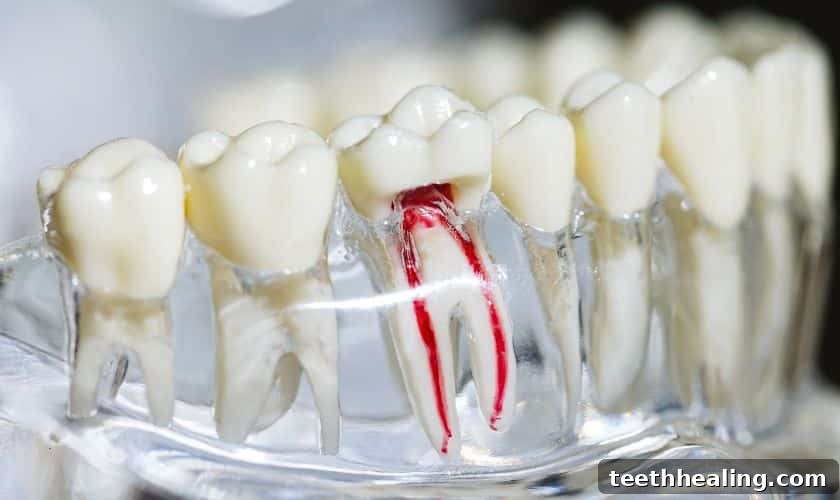
Toothaches are undeniably unpleasant, often signaling underlying dental issues that demand attention. Yet, for many, the mere mention of a “root canal” can evoke a deeper sense of dread than the pain itself. This common perception paints a picture of excruciating pain, lengthy procedures, and the ominous whir of dental drills. However, this image largely stems from outdated information and a misunderstanding of modern endodontic practices.
Today’s dentistry has advanced significantly, transforming root canals into a routine and often pain-free procedure designed to save a natural tooth. The reality is far less daunting than its lingering reputation suggests. So, how painful is a root canal truly? Let’s delve into the facts, dispelling the myths and providing a clear, accurate understanding of what you can genuinely expect during and after this vital dental treatment.
Debunking the Root Canal Pain Myth: A Modern Perspective
The good news, and the most crucial takeaway, is that a root canal procedure itself should not be a source of significant pain. The primary reason for this comfort is the meticulous application of local anesthetic. Before any work begins, your dentist or endodontist will thoroughly numb the entire area around the affected tooth. This ensures that while you might feel some pressure or a sensation of movement, you absolutely should not experience sharp pain during the treatment. Modern anesthetics are highly effective and fast-acting, making the procedure much more tolerable than many anticipate.
In stark contrast, the intense pain many associate with a root canal is almost always due to the infection or inflammation within the tooth’s pulp before the treatment begins. This severe discomfort – often characterized by throbbing, sensitivity to hot and cold, and pain when chewing – is precisely what necessitates the root canal treatment in the first place. The procedure acts as a solution, not a cause, of this pain, by removing the infected tissue and alleviating the pressure within the tooth.
Why Root Canals Have an Undeserved Bad Reputation:
- Outdated Techniques and Technology: Much of the fear surrounding root canals originates from practices of several decades ago. Older dental methods might have been less precise and more uncomfortable, leading to the lasting misconception. Modern endodontics utilizes advanced tools like microscopes, flexible nickel-titanium files, and digital imaging, allowing for greater precision, efficiency, and patient comfort.
- The Pre-Existing Infection Itself: As mentioned, the true culprit behind the agony is the infected or inflamed dental pulp. This delicate tissue, housed deep within the tooth, contains nerves and blood vessels. When it becomes compromised by deep decay, cracks, or trauma, it swells and puts immense pressure on the surrounding structures, leading to throbbing, persistent pain. Once the infected pulp is meticulously removed during the root canal, this source of pain is addressed and eliminated.
- Post-Procedure Sensitivity and Soreness: It is perfectly normal to experience some mild soreness or sensitivity in the treated area for a few days following a root canal. This discomfort is typically manageable with over-the-counter pain relievers such as ibuprofen or acetaminophen. It’s akin to the soreness you might feel after a deep dental cleaning or filling. This temporary sensitivity usually subsides within a few days as the surrounding tissues heal, and it’s a far cry from the debilitating pain of the original infection.
Moreover, the success rate of root canal therapy is remarkably high, often exceeding 95%. When properly performed and followed by an appropriate restoration (like a crown), a treated tooth can last a lifetime, effectively preserving your natural smile and bite without the need for extraction and subsequent tooth replacement options.
What to Expect During a Root Canal: A Step-by-Step Guide
A root canal is typically an outpatient procedure, meaning you won’t need to stay overnight. Modern techniques allow many root canals to be completed in a single visit, though more complex cases or severe infections may require two appointments. Here’s a general overview of the steps involved:
1. Initial Consultation, Diagnosis, and X-rays:
- Your journey begins with a thorough examination of your tooth, often involving a series of X-rays (digital radiographs or even 3D cone-beam computed tomography, CBCT). These images allow your dentist or endodontist to assess the extent of the damage, identify the number and shape of the root canals, and determine if there’s any infection spreading to the surrounding bone. This diagnostic phase is crucial for planning the most effective treatment.
2. Administering Local Anesthesia:
- Before any procedure begins, the area around the affected tooth is completely numbed using a local anesthetic. The dentist will ensure you are comfortable and don’t feel any pain during the treatment. This usually involves a small injection, which might cause a brief, minor pinch, but the numbing effect quickly takes hold, allowing you to relax.
3. Placing a Dental Dam:
- A small rubber dam (a thin sheet of latex or non-latex material) is often placed around the tooth. This isolates the tooth, keeping it clean and dry from saliva and debris, and also protects you from ingesting any small instruments or irrigating solutions used during the procedure. It’s a critical step for maintaining a sterile field.
4. Creating an Access Opening:
- Once the area is numb and isolated, the dentist will create a small opening in the crown of the tooth (usually on the biting surface for back teeth, or the back surface for front teeth) to gain access to the pulp chamber and root canals. This opening is carefully made to preserve as much of the tooth structure as possible.
5. Removing the Infected Pulp:
- Using very small, specialized instruments, the infected and inflamed pulp tissue is meticulously removed from within the pulp chamber and root canals. The dentist carefully cleans out all the diseased tissue, which is the source of the infection and pain.
6. Cleaning, Shaping, and Disinfecting the Canals:
- After the pulp is removed, the inside of the tooth’s root canals are thoroughly cleaned, irrigated with antiseptic solutions (like sodium hypochlorite), and carefully shaped. This shaping process uses precise, flexible instruments to create a smooth, clean pathway that can be effectively filled and sealed. This step is crucial for eradicating any remaining bacteria and ensuring the success of the treatment.
7. Filling and Sealing the Canals (Obturation):
- Once the canals are thoroughly cleaned, shaped, and disinfected, they are filled with a biocompatible material, most commonly a rubber-like compound called gutta-percha. A special adhesive sealer is also used to ensure a complete and tight seal, preventing any future bacterial invasion. A temporary filling is then placed in the access opening to protect the tooth until the final restoration.
8. Placing the Final Restoration (Crown or Filling):
- In many cases, especially for back teeth or teeth with significant structure loss, a permanent crown is needed to restore the tooth’s strength, protect it from fractures, and ensure its long-term functionality. Front teeth, which endure less biting force, might only require a permanent filling. The final restoration is typically placed during a subsequent appointment, after the temporary filling has protected the tooth for a period of healing. This step is vital to prevent future contamination and ensure the tooth’s structural integrity.
The entire procedure can take anywhere from 30 minutes to an hour and a half, or sometimes longer for teeth with multiple or complex canals, depending on the complexity of the case and the number of canals requiring treatment.
Tips for a Comfortable and Successful Root Canal Experience:
While the prospect of a root canal can be intimidating, understanding how to prepare and what to do can significantly enhance your comfort and overall experience. Here are some proactive steps you can take:
- Open Communication with Your Dental Professional: Don’t hesitate to voice any anxiety or concerns you have with your dentist or endodontist. Inform them about any past negative dental experiences or your current level of fear. A good dental team will take the time to explain every step, answer all your questions beforehand, and offer reassurance. Asking specific questions like “What should I expect during recovery?” or “Are there alternatives?” can empower you.
- Discuss Pain Management and Sedation Options: Beyond local anesthesia, many dental practices offer various sedation options to help you relax during the procedure. These can include nitrous oxide (laughing gas), oral sedatives (pills taken before the appointment), or even intravenous (IV) sedation for deeper relaxation. Discuss these options with your dentist to determine which, if any, is appropriate for your anxiety levels and health status.
- Schedule Ample Time and Prepare Logistically: Avoid rushing your appointment. Allocate sufficient time for the procedure itself, any pre-treatment discussions, and post-treatment instructions. If you opt for sedation, arrange for someone to drive you home afterward. Consider taking the rest of the day off work or other demanding activities to allow for rest and recovery.
- Follow Post-Operative Instructions Diligently: Your dentist will provide detailed instructions for care after the procedure. Adhering to these instructions is paramount for minimizing discomfort, preventing complications, and promoting optimal healing. This typically includes advice on diet (soft foods), avoiding chewing on the treated tooth until the final restoration is placed, managing pain with prescribed or over-the-counter medications, and maintaining good oral hygiene. Understand when and how to take any antibiotics, if prescribed.
- Employ Stress-Reduction Techniques: During the procedure, practicing deep breathing exercises can help you stay calm. Some people find listening to music or an audiobook through headphones to be a soothing distraction. Inform your dental team if you prefer these methods so they can accommodate you.
- Maintain Excellent Oral Hygiene: While the treated tooth is no longer “alive,” it is still susceptible to decay, especially around the edges of the filling or crown. Brushing twice daily, flossing daily, and regular dental check-ups are essential for the longevity of your root canal and overall oral health.
By understanding the truth about root canals, their purpose in saving your natural teeth, and what to expect during the modern, virtually pain-free procedure, you can approach your appointment with significantly less anxiety. This knowledge allows you to focus on the ultimate goal: receiving the relief you need from pain and preserving your smile for years to come.