Are These 20 Common Mistakes Silently Destroying Your Teeth? A Dentist’s Essential Guide
In our daily lives, it’s all too easy to overlook the critical role our oral health plays in our overall well-being. Many seemingly harmless habits can, over time, lead to significant and often irreversible damage to our teeth and gums. Dr. Rachel Hall, a highly respected Kenmore dentist, is dedicated to empowering her patients with the knowledge and tools they need for optimal oral hygiene. Drawing from years of expertise and the latest advancements in dental care, Dr. Hall sheds light on twenty prevalent mistakes that individuals often make, unknowingly putting their precious smiles at risk. This comprehensive guide will not only help you identify where you might be going wrong but also provide practical, evidence-based advice to foster a lifetime of healthy, happy teeth.
Maintaining strong, healthy teeth shouldn’t feel like a complicated chore, yet the subtleties of proper dental care are often misunderstood. From daily routines to less obvious lifestyle choices, developing habits that protect your dental health is paramount to preventing future discomfort and costly treatments. Let’s delve into the common pitfalls and discover how you can give your teeth the love and care they truly deserve.
Multitasking While You Brush: A Recipe for Ineffective Cleaning
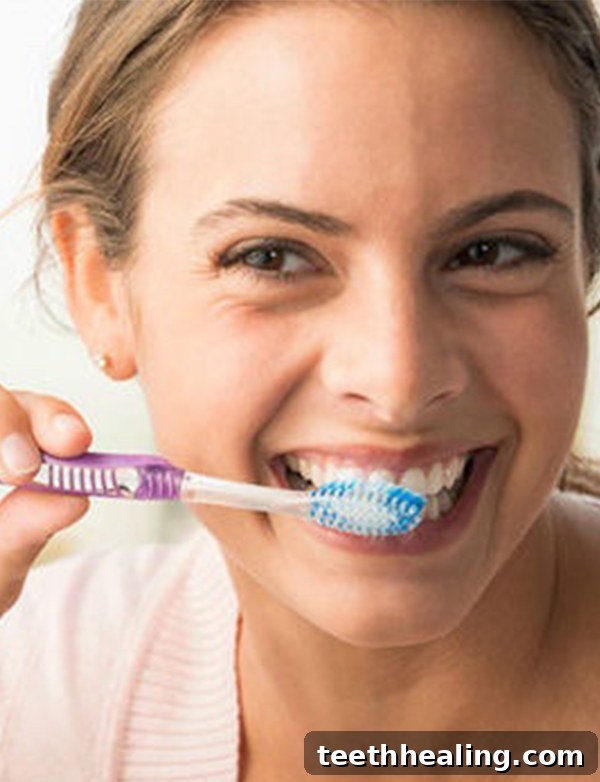
In our fast-paced mornings, every second counts, making it tempting to combine your toothbrushing with other activities, like showering or catching up on social media feeds. However, this common practice often leads to a significant reduction in the effectiveness of your brushing. When your attention is divided, you’re less likely to focus on the technique, pressure, and thoroughness required to clean all tooth surfaces properly. The ideal way to ensure a comprehensive clean is to brush in front of a mirror, over a sink. This allows you to visually monitor your technique, ensuring you reach every corner of your mouth and effectively remove plaque and food debris. Undistracted brushing translates to a genuinely cleaner mouth and a healthier smile.
Over-Cleaning Your Toothbrush: Unnecessary Measures and Potential Damage
Concerned about germs, many people go to extreme lengths to “disinfect” their toothbrushes, considering methods like running them through a dishwasher or zapping them in the microwave. While the idea of a sterile brush might sound appealing, there’s no scientific evidence to suggest that such drastic measures are necessary or beneficial. In fact, these methods can often damage the bristles or plastic, compromising the brush’s ability to clean effectively. A simple yet thorough rinse under regular tap water after each use, followed by air-drying in an upright position (ensuring it doesn’t touch other brushes), is all that’s needed. Toothbrushes are designed to be used in the mouth, and your body’s immune system is generally equipped to handle the bacteria from your own brush. Focus on replacing your brush every three to four months, or sooner if the bristles are frayed, rather than over-sanitizing.
Using Social Media as Your Dentist: The Dangers of DIY Dental Care
The internet is a vast ocean of information, unfortunately, often filled with captivating yet dangerously misleading DIY dental tips. From using activated charcoal to swishing with undiluted hydrogen peroxide for teeth whitening, these unverified “hacks” can cause far more harm than good. Dental professionals frequently encounter patients who have damaged their enamel, irritated their gums, or exacerbated existing problems by following such advice. When it comes to something as vital as your oral health, professional guidance is indispensable. Always consult your dentist for advice on dental care products, treatments, and procedures. They can recommend safe, tested, and approved solutions tailored to your specific needs, protecting you from the potentially severe consequences of internet-sourced remedies.
Avoiding Dental X-rays: Missing Crucial Insights for Oral Health
Understandably, some individuals express concern about dental X-rays due to past headlines linking them to potential health risks. While a 2012 study hinted at a possible connection between dental X-rays and benign brain tumors, major health organizations like the American Cancer Society have clarified that the study did not establish a causal link, and historical radiation levels were much higher. Today, modern digital dental X-rays use significantly lower radiation doses, making them incredibly safe. X-rays are an invaluable diagnostic tool, allowing dentists to detect issues that are invisible during a visual exam. These can include hidden cavities between teeth, bone loss due to gum disease, impacted wisdom teeth, cysts, or other jaw pathologies. Ignoring X-rays means potentially missing early signs of serious conditions, which can lead to more extensive and costly treatments down the line. If you have concerns, discuss them with your dentist, who can explain their necessity and any measures taken to minimize exposure.
Storing Your Wet Toothbrush in a Travel Case: A Breeding Ground for Bacteria
Using a travel case or cover for your toothbrush during transport is a smart move to protect it from external contaminants in your luggage. However, leaving your toothbrush sealed in its case while wet for extended periods is a common mistake that creates a perfect breeding ground for bacteria. Bacteria thrive in moist, dark environments, and a damp toothbrush locked away can quickly become unsanitary. Upon reaching your destination, always remove your toothbrush from its case and allow it to air dry thoroughly. If your hotel room lacks a dedicated toothbrush holder, a clean drinking cup will suffice. Prioritizing proper air circulation for your brush helps maintain its hygiene and prevents the proliferation of unwanted microbes.
Hanging On to Oral Piercings: A High Price for Self-Expression
While oral piercings such as tongue barbells or lip rings can be a form of self-expression, they often come with significant dental risks that escalate over time. Dentists frequently treat patients for fractured or chipped teeth resulting from accidentally biting down on the metal jewelry. Beyond tooth damage, piercings can cause substantial harm to soft tissues. Constant rubbing against the gums can lead to gum recession, exposing sensitive tooth roots and increasing the risk of decay and infection. Prolonged wear also correlates with a higher incidence of other oral injuries and complications. Even if you’ve had an oral piercing for years without apparent issues, studies consistently show that the risk of developing dental problems intensifies with the duration of wear. It’s essential to be aware of these cumulative risks and consider the long-term health of your smile.
Drinking Apple Cider Vinegar (ACV) Regularly: Eroding Your Enamel
Apple cider vinegar (ACV) has gained considerable popularity in wellness circles, touted by celebrities and health gurus for various purported health benefits. However, while some claims lack robust scientific backing, dentists universally agree on one significant downside: its detrimental effect on tooth enamel. ACV is highly acidic due to its acetic acid content, and regularly consuming it can lead to enamel erosion. Enamel, the protective outer layer of your teeth, is susceptible to acid attack, and once eroded, it cannot be regenerated. Even rinsing with water immediately after consuming ACV might not fully mitigate the potential damage. The same cautionary advice applies to lemon water, another acidic beverage frequently consumed for health benefits. To protect your enamel, minimize direct contact with such acidic liquids, use a straw, and rinse thoroughly with plain water afterwards, waiting at least 30 minutes before brushing.
Ditching Your Retainer: Undoing Years of Orthodontic Work
For anyone who has undergone orthodontic treatment, whether as a teenager or an adult, neglecting your retainer is a critical mistake. Braces straighten teeth, but it’s the retainer that holds them in their new, corrected positions. Without consistent wear, teeth have a natural tendency to shift back to their original alignment, a phenomenon known as relapse. Orthodontists often recommend wearing retainers for several nights a week, potentially for life, to ensure long-term stability. Patients often invest significant time, effort, and money into achieving a perfect smile with braces, only to find their teeth shifting again due to inconsistent retainer use. This leads to renewed dissatisfaction and, in some cases, the need for further orthodontic intervention. Your retainer is a lifelong commitment to preserving your beautiful, healthy smile.
Brushing Right After Acidic Drinks or Vomiting: Accelerating Enamel Erosion
Starting your day with a glass of orange juice, a trendy lemon water, or experiencing an episode of vomiting introduces a highly acidic environment into your mouth. While it might seem intuitive to brush your teeth immediately afterward to clean them, this action can actually be highly damaging. Acidic exposure temporarily softens tooth enamel, making it vulnerable to abrasion. Brushing during this weakened state can literally scrub away softened enamel, leading to irreversible erosion over time. Instead, neutralize the acid in your mouth first. Rinse thoroughly with plain water, or better yet, a baking soda solution to restore a healthy pH balance. Wait at least 30 minutes to an hour after consuming acidic foods or beverages, or after vomiting, before brushing. This allows your saliva to naturally remineralize and harden the enamel, making it safe to brush without causing further damage.
Ignoring Your Daily (or Nightly) Grind: The Silent Destructor of Teeth
Many individuals unknowingly clench or grind their teeth, a condition known as bruxism, often occurring during sleep. While mild cases might not seem immediately concerning, severe or chronic bruxism can lead to a host of significant dental and health problems. The constant, intense pressure can cause teeth to become chipped, cracked, excessively worn down, and even fractured. Beyond the teeth themselves, bruxism can result in chronic headaches, jaw pain (TMJ disorders), and tension in the facial muscles, sometimes even subtly altering facial appearance over time. Detecting nocturnal grinding can be challenging without a partner to alert you. However, if you frequently wake up with a sore jaw, earaches, or a dull, persistent headache, it’s crucial to visit your dentist. They can diagnose bruxism and provide custom-fitted oral appliances, like nightguards, to protect your teeth and jaw from further damage, preserving your oral health and comfort.
Smoking: A Direct Assault on Your Oral Health
The severe health risks associated with smoking—including lung disease and heart conditions—are widely known. However, many overlook its profound and immediate impact on oral health. Beyond causing persistent bad breath and unsightly tooth stains, smoking is a leading risk factor for developing gum disease (periodontitis). Nicotine constricts blood vessels, impairing blood flow to the gums, which compromises the body’s ability to fight infection and heal. This leads to progressive gum recession, bone loss around the teeth, and ultimately, tooth loss. Furthermore, if you already suffer from gum disease, smoking significantly reduces the chances of successful treatment, as it hinders the body’s natural healing processes. Quitting smoking is arguably one of the most impactful steps you can take to safeguard your oral health and overall well-being.
Reaching for a Toothpick: An Ineffective and Potentially Harmful Habit
Those classic wooden toothpicks can certainly offer temporary relief when food particles get inconveniently lodged between your teeth, especially in social settings. However, it’s crucial to understand that toothpicks are a very poor substitute for proper dental floss or interdental brushes. Their rigid, pointed design means they can easily splinter, leaving tiny fragments behind, or worse, aggressively damage delicate gum tissue if used too forcefully. Repeated trauma can lead to gum inflammation, recession, or even create small pockets where bacteria can accumulate. While they might serve a purpose for dislodging larger food particles in an emergency, toothpicks are designed more for an hors d’oeuvres tray than for daily oral hygiene. For effective and safe interdental cleaning, invest in high-quality dental floss or specialized interdental cleaners recommended by your dentist.
Skipping Dentist Appointments: A Recipe for Undetected Problems
For many, the thought of sitting in the dentist’s chair evokes anxiety, leading to skipped appointments. Ironically, the best way to alleviate dental anxiety and avoid extensive, uncomfortable procedures is by consistently attending your regular check-ups and hygiene appointments. Most patients who dread dental visits do so because they only seek help when a significant problem has already developed, requiring more involved and potentially painful treatments. Regular preventative visits—typically every three to six months for hygiene and annual check-ups—allow your dentist to detect and address minor issues, such as small cavities or early signs of gum disease, before they escalate. Proactive care is key to maintaining optimal oral health, preventing major problems, and making your dental visits brief and comfortable.
Going Overboard with Whitening Products: The Risks of Excessive Brightening
The desire for a dazzling white smile often leads individuals to overuse or incorrectly apply teeth whitening products. While professional or carefully monitored at-home whitening can be effective, “over-whitening” can have detrimental effects on your teeth. Excessive use of bleaching agents can weaken tooth enamel, leading to increased tooth sensitivity and potentially irreversible damage. Ironically, as enamel thins, it can expose the underlying dentin layer, which is naturally yellowish, making your teeth appear more translucent or even discolored rather than brighter. The long-term effects of extreme whitening are not yet fully understood. Always consult your dentist before starting any whitening regimen. They can assess your oral health, recommend the safest and most effective in-office treatments or over-the-counter products suitable for your teeth, and guide you on proper, moderate usage to achieve a healthy, radiant smile without compromising your dental integrity.
Not Drinking Enough Water: Compromising Your Mouth’s Natural Defenses
Staying adequately hydrated is fundamental for overall health, and it plays a crucial, often underestimated, role in maintaining oral health. When you don’t drink enough water, your body becomes dehydrated, leading to a condition called dry mouth (xerostomia). A dry mouth means a significant reduction in saliva production. Saliva is your mouth’s natural defense mechanism; it neutralizes acids produced by bacteria, washes away food particles, and helps remineralize tooth enamel. Without sufficient saliva, your mouth becomes more acidic, creating an environment where harmful bacteria thrive, and tooth enamel can dissolve more easily, increasing the risk of cavities and gum disease. Drinking plenty of water throughout the day not only keeps you hydrated but also serves as a natural rinse, helping to cleanse your teeth of accumulated sugars and acids, thereby actively protecting them from dental problems.
Skimping on Calcium and Vitamin D: Weakening Your Skeletal and Dental Foundation
Calcium and Vitamin D are not only vital building blocks for strong bones but are equally crucial for maintaining the strength and density of your teeth throughout life. These two nutrients are powerful allies in preserving your skeletal and dental health as you age. Calcium provides the structural integrity of your teeth and jawbone, while Vitamin D is essential for the body’s absorption of calcium. Without sufficient intake of both, your bones and teeth can become weaker, increasing the risk of osteoporosis, tooth loss, and other dental complications. The National Osteoporosis Foundation recommends adult women consume 1,000-1,200 milligrams of calcium and 400-1,000 IU (international units) of vitamin D daily, obtained from food sources, sunlight (for vitamin D synthesis), and supplements when necessary. Consult your GP or a nutritionist to assess your specific nutrient needs and ensure your diet adequately supports the long-term health of your teeth and bones.
Getting Addicted to Juicing: A Hidden Hazard for Your Teeth
The juicing trend has surged in popularity, offering convenient ways to consume concentrated vitamins and nutrients. However, while often marketed as incredibly healthy, regular consumption of fresh or bottled juices can pose a significant threat to your dental health. Many popular juice ingredients, such as lemons, limes, oranges, and even certain green vegetables, contain corrosive acids that can erode tooth enamel. Furthermore, despite being “natural,” most fruit and vegetable juices are packed with high levels of natural sugars (fructose), creating a sugary bath for your teeth with every sip. This combination of acid and sugar accelerates the risk of tooth decay and enamel erosion. If juicing is an integral part of your wellness routine, mitigate its impact by rinsing your mouth thoroughly with water immediately after consuming acidic juices, and ensure you brush your teeth effectively after enjoying those fruity, sugary concoctions. Using a straw can also help minimize direct contact with your teeth.
Reaching for the Wrong Mouth Rinse: Masking Problems Instead of Solving Them
The vast array of mouth rinses on the market can be confusing, and choosing the wrong one can mean you’re merely masking symptoms rather than addressing underlying issues. Many popular over-the-counter mouthwashes primarily offer cosmetic benefits, such as freshening breath and leaving a pleasant taste, but do little to improve actual oral health. They might contain alcohol, which can dry out your mouth and irritate tissues. For genuine therapeutic benefits, look for rinses that contain active ingredients specifically designed to target oral health problems. Therapeutic rinses with antimicrobial agents (like chlorhexidine), fluoride, or essential oils can actively help reduce gingivitis, fight plaque buildup, prevent cavities, and genuinely combat bad breath by reducing bacteria. Always consult your dentist about which type of mouth rinse is best suited for your specific oral health needs, ensuring you’re using a product that truly contributes to a healthier mouth.
Using a Toothbrush That’s Too Hard: Abrasive and Damaging to Enamel and Gums
Many believe that a harder-bristled toothbrush provides a more effective clean, thinking it can scrub away plaque more thoroughly. However, this is a pervasive myth that can lead to serious dental damage. Hard bristles are abrasive and, rather than cleaning more effectively, they can erode your precious tooth enamel over time, much like sandpaper. Once enamel is lost, it cannot be replaced, leading to increased sensitivity and a higher risk of decay. Furthermore, aggressive brushing with a hard brush can inflict trauma on your delicate gum tissue, causing recession, inflammation (gingivitis), and even bleeding. Dentists universally recommend using only soft or extra-soft toothbrushes. Research, including a 2011 study in the Journal of Periodontology, confirms that while hard brushes remove plaque, they are also significantly more likely to cause gum damage compared to softer brushes. Opt for a soft-bristled brush and gentle, circular motions for effective, safe cleaning.
Drinking Soft Drinks (Even Diet Varieties): A Silent Threat to Enamel
The dangers of sugary soft drinks for dental health are well-known, but many people mistakenly believe that diet soft drinks or even sports drinks are safer alternatives. This couldn’t be further from the truth. The primary problem with almost all soft drinks, whether regular, diet, or sports-oriented, is their high acidity. These beverages are loaded with phosphoric, citric, or carbonic acids, which directly attack and erode tooth enamel. Even without sugar, the acidic content alone is sufficient to demineralize and soften the enamel, making your teeth vulnerable to decay and sensitivity. Over time, consistent consumption of these acidic drinks can lead to significant enamel loss, exposing the underlying dentin and dramatically increasing the risk of cavities and other dental problems. To protect your teeth, limit your intake of all acidic beverages and opt for water as your primary drink choice.
Protect Your Smile: Comprehensive Dental Care and Professional Guidance
Understanding these common dental mistakes is the first crucial step towards a healthier mouth and a brighter smile. Our teeth are designed to last a lifetime, but they require consistent, informed care to withstand the daily challenges they face. From the simple act of brushing effectively to making mindful dietary choices, every decision you make impacts your oral health. Regular professional dental care, coupled with diligent home hygiene, forms the bedrock of preventive dentistry, safeguarding your smile against preventable damage and disease.
If you’re uncertain about the best ways to care for your teeth and gums, or if it has been more than six months since your last dental check-up or hygiene appointment, don’t delay. Contact us today to schedule your comprehensive full mouth health assessment. Our experienced team will provide a thorough examination, clearly explain what is happening in your mouth, and offer personalized strategies to manage any existing conditions and prevent significant problems from developing in the future. Take control of your oral health and invest in a lifetime of confident, healthy smiles.