
Wisdom teeth extraction is one of the most common dental surgical procedures performed in the United States, affecting millions of people annually. Also known as third molars, these teeth typically emerge much later than others, often between the ages of 17 and 25. While some individuals have enough room in their jaws for these molars to erupt without issue, many others experience complications that necessitate their removal. Understanding the reasons behind wisdom teeth extraction, the procedure itself, and what to expect during recovery can significantly ease any anxiety and ensure a smoother experience. This comprehensive guide will walk you through every stage of wisdom teeth extraction, from initial consultation to complete recovery, empowering you with the knowledge to navigate this common dental journey.
Understanding Wisdom Teeth and Their Extraction
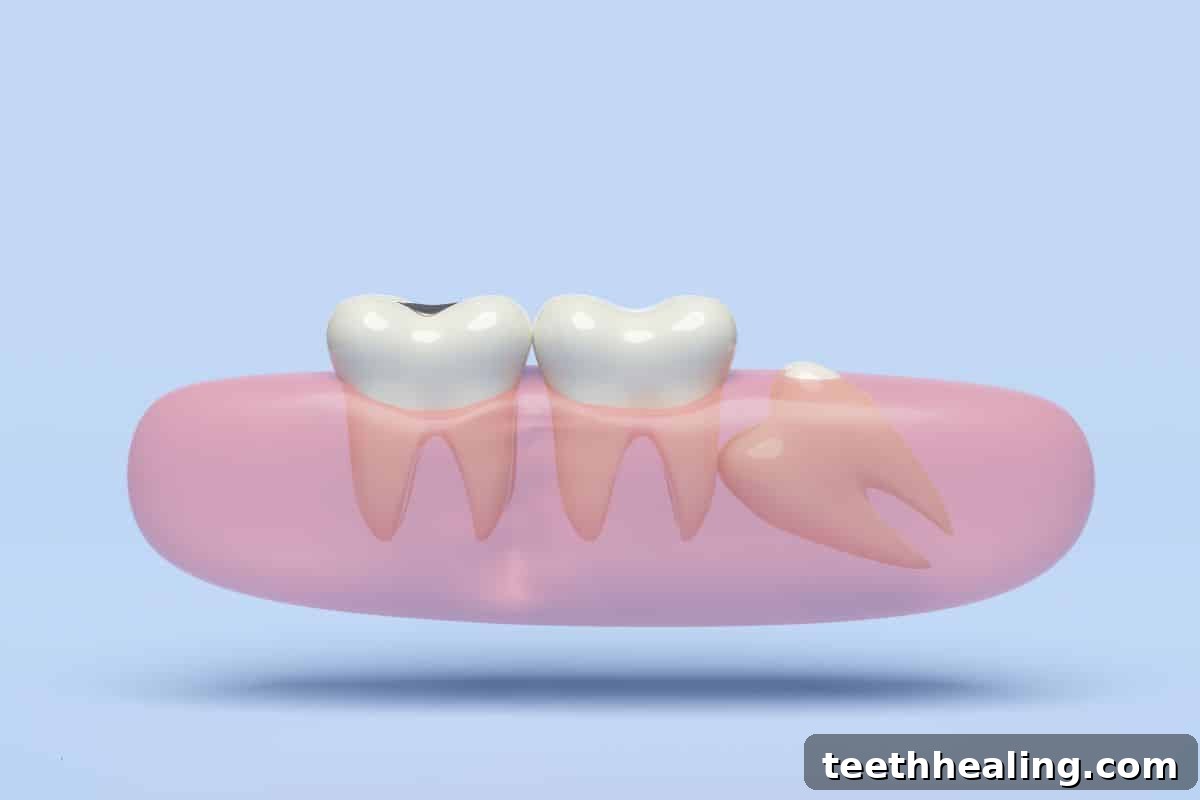
Wisdom teeth are the last set of molars to develop, located at the very back of your mouth. For our ancestors, these extra molars were essential for grinding tough, uncooked foods. However, as human diets and jaw structures have evolved, many people no longer have sufficient space for these teeth to emerge properly. When a wisdom tooth doesn’t have enough room to erupt or grows in at an improper angle, it becomes “impacted.” Impaction can manifest in several ways: the tooth might be trapped beneath the gum line, partially erupt, or even grow horizontally, pushing against adjacent teeth.
Left untreated, impacted wisdom teeth can lead to a host of painful and potentially serious dental problems. These include:
- Pain and Discomfort: Pressure from an erupting or impacted tooth can cause significant pain in the jaw, ear, or head.
- Infection (Pericoronitis): When a wisdom tooth partially erupts, it creates a flap of gum tissue that can trap food particles and bacteria, leading to painful infections.
- Damage to Adjacent Teeth: An impacted wisdom tooth can push against the second molar, causing overcrowding, shifting, or even root resorption (damage to the root structure) of the healthy tooth.
- Cysts and Tumors: In rare cases, fluid-filled sacs (cysts) or non-cancerous tumors can form around an impacted wisdom tooth, potentially damaging the jawbone and surrounding tissues.
- Gum Disease and Tooth Decay: Difficult-to-reach wisdom teeth are harder to clean, making them more susceptible to cavities and gum disease, which can spread to other teeth.
The wisdom tooth extraction procedure involves the surgical removal of one or more of these problematic molars. Your general dentist or, more commonly, an oral and maxillofacial surgeon, will perform the procedure. The goal is to alleviate current symptoms and prevent future complications, preserving your overall oral health. While the prospect of surgery can be daunting, modern dental techniques, anesthesia options, and post-operative care make it a routine and manageable experience for most patients.
What to Expect Before Your Wisdom Teeth Extraction?
Thorough preparation is paramount for a successful and stress-free wisdom teeth extraction. The journey begins with a detailed consultation and continues with specific steps to ensure you are ready for the procedure. Following these guidelines will not only help you feel more prepared but also contribute to a smoother recovery.
1. Initial Consultation and Assessment
Your first step is to schedule a comprehensive consultation with your dentist near you or an oral surgeon. During this appointment, the dental professional will:
- Review Your Medical History: Be prepared to discuss any existing medical conditions, allergies, and all medications you are currently taking (prescription, over-the-counter, and supplements). This information is crucial for determining the safest anesthesia options and preventing complications.
- Perform a Clinical Examination: Your dentist will visually inspect your mouth and the area around your wisdom teeth.
- Take X-rays: Panoramic X-rays are essential to visualize the position of your wisdom teeth, their roots, their proximity to nerves (especially the inferior alveolar nerve, which can affect sensation in the lip and chin), and their relationship to your other teeth and jawbone. This imaging helps the surgeon plan the extraction procedure with precision.
- Discuss the Extraction Plan: Based on the examination and X-rays, your dentist will explain why extraction is necessary, which teeth need to be removed, and the proposed surgical approach.
- Answer Your Questions: This is your opportunity to voice any concerns or ask questions about the procedure, recovery, and potential risks. Don’t hesitate to ask for clarification on anything you don’t understand.
2. Discussing Anesthesia Options
Pain management and comfort during the procedure are critical. Your dental professional will discuss various anesthesia and sedation options tailored to your medical history, the complexity of the extraction, and your anxiety levels. Common options include:
- Local Anesthesia: Numbing the extraction site with an injection, similar to a routine filling. You will be awake but feel no pain.
- Nitrous Oxide (Laughing Gas): A mild sedative administered through a mask, helping you relax while remaining conscious. It wears off quickly.
- Intravenous (IV) Sedation: Administered through a vein, this option induces a state of “twilight sleep,” where you are conscious but deeply relaxed and often have little to no memory of the procedure.
- General Anesthesia: You will be completely unconscious and asleep throughout the procedure. This is typically reserved for complex cases or patients with extreme anxiety.
It’s important to understand the pros and cons of each option and choose what feels right for you under the guidance of your dental team.
3. Planning for Recovery
Recovery begins even before the surgery. Make practical arrangements to ensure a smooth post-operative period:
- Arrange for Transportation: If you opt for IV sedation or general anesthesia, you will not be able to drive yourself home. Arrange for a trusted friend or family member to pick you up and stay with you for the first few hours post-surgery.
- Stock Up on Soft Foods: Your diet will be restricted to soft foods for several days. Purchase items like yogurt, applesauce, mashed potatoes, soups (cooled), and smoothies in advance.
- Prepare Your Recovery Space: Create a comfortable space at home where you can rest, with easy access to water, pain medication, and entertainment.
- Time Off Work/School: Plan to take at least 2-3 days off from work or school, possibly longer depending on the complexity of the extraction and your individual healing process.
4. Following Pre-Procedure Instructions
Your dental team will provide specific instructions tailored to your procedure. Adhere to them meticulously to avoid complications:
- Fasting: If you are receiving sedation or general anesthesia, you will likely be instructed to fast (no food or drink) for a certain number of hours before the procedure. This is critical to prevent aspiration during anesthesia.
- Medications: Discuss with your dentist which regular medications you should or should not take on the day of surgery. You might be asked to avoid blood-thinning medications for a period before the extraction.
- Smoking and Alcohol: Avoid smoking and alcohol for at least 24 hours before surgery, as they can interfere with anesthesia and healing.
- Attire: Wear comfortable, loose-fitting clothing to your appointment.
What to Expect During the Wisdom Teeth Extraction Procedure?
Knowing what happens on the day of your surgery can help alleviate apprehension. The procedure itself is typically straightforward, lasting between 30 to 60 minutes for a single tooth, but can be longer for multiple or complex extractions.
1. Arrival and Check-In
Arrive at the dental office or surgical center slightly ahead of your scheduled appointment time. This allows you to complete any final paperwork, ask last-minute questions, and prepare mentally. The dental staff will guide you through the process and ensure you are comfortable.
2. Anesthesia Administration
Once you are comfortably seated in the surgical chair, the dental team will administer your chosen anesthesia. If it’s local anesthesia, you’ll feel a slight pinch as the numbing agent is injected, and your mouth will quickly become numb. For IV sedation or general anesthesia, the medication will be administered, and you will quickly drift into a relaxed or unconscious state. Throughout the procedure, your vital signs will be continuously monitored to ensure your safety and comfort.
3. The Extraction Process
The actual extraction steps vary slightly depending on whether your wisdom tooth is fully erupted or impacted:
- For fully erupted teeth: The dentist will use specialized instruments to gently loosen and remove the tooth from its socket.
- For impacted teeth: This typically requires a more involved surgical approach.
- Incision: The surgeon will make a small incision in your gum tissue to expose the impacted tooth and any underlying bone.
- Bone Removal (if necessary): In some cases, a small amount of bone surrounding the tooth may need to be carefully removed to create enough space for extraction.
- Tooth Sectioning (if necessary): If the tooth is very large or difficult to remove in one piece, the surgeon may divide it into smaller sections to facilitate easier and less traumatic removal.
- Extraction: Once accessible, the tooth (or its sections) will be carefully removed from the socket using dental instruments.
- Socket Cleaning: The surgeon will thoroughly clean the extraction site to remove any remaining tooth fragments, bone shards, or infected tissue.
- Stitching: The gum incision will then be closed with dissolvable stitches to promote healing and minimize bleeding.
Throughout the procedure, you should not feel any pain, only perhaps some pressure or movement. Your comfort is the dental team’s top priority.
4. Post-Procedure Monitoring and Initial Care
After the extraction is complete, you will be moved to a recovery area. The dental team will continue to monitor you as the effects of the anesthesia wear off. Gauze pads will be placed over the extraction sites, and you will be instructed to bite down firmly on them to help control bleeding and promote blood clot formation. You’ll receive detailed verbal and written post-operative instructions before you are discharged into the care of your companion.
What to Expect After the Wisdom Teeth Extraction Procedure?
Post-extraction care is critical for a smooth recovery, minimizing discomfort, and preventing complications. The first 24-48 hours are the most crucial, but diligent care should continue for at least a week.
1. Pain and Swelling Management
It’s normal to experience some discomfort and swelling after wisdom teeth extraction. This is part of the natural healing process.
- Pain Medication: Your dentist will likely prescribe pain medication or recommend over-the-counter options like ibuprofen or acetaminophen. Start taking pain medication before the local anesthesia completely wears off to stay ahead of the pain. Follow dosage instructions precisely. Avoid aspirin, as it can increase bleeding.
- Swelling: Swelling typically peaks 24-48 hours after surgery. To minimize it, apply an ice pack to the outside of your face near the extraction site. Use it for 15-20 minutes on, then 15-20 minutes off, for the first 24-48 hours. After 48 hours, switch to warm, moist compresses to help reduce stiffness and aid healing.
2. Managing Bleeding
Light bleeding or oozing from the extraction sites is normal for the first 12-24 hours. Firm, continuous pressure helps form a blood clot, which is vital for healing.
- Gauze Pads: Bite gently but firmly on the gauze pads placed by your surgeon for about 30-45 minutes. If bleeding persists, replace the gauze with fresh ones and continue biting for another 30-45 minutes. Repeat until bleeding subsides.
- Tea Bags: A moist tea bag (black tea contains tannic acid, which aids clotting) can be used similarly to gauze if bleeding is stubborn.
- When to Call: Excessive, bright red bleeding that doesn’t slow down after several hours of consistent pressure is not normal. Contact your dentist immediately.
3. Dietary Restrictions
Your diet will be restricted initially to protect the healing surgical sites.
- Soft Foods Only: For the first 3-5 days, stick to soft, easy-to-chew foods. Examples include yogurt, smoothies (without a straw), mashed potatoes, applesauce, pudding, scrambled eggs, and well-cooked pasta.
- Avoid Certain Foods: Steer clear of hot, spicy, crunchy, hard, or chewy foods that can irritate the surgical site, dislodge the blood clot, or get stuck in the socket.
- Hydration: Drink plenty of fluids to stay hydrated, but avoid using straws for at least a week. The suction created by a straw can dislodge the crucial blood clot, leading to a painful condition called dry socket.
4. Oral Hygiene
Maintaining proper oral hygiene is essential to prevent infection, but care must be taken around the extraction sites.
- Gentle Brushing: You can typically brush your teeth gently starting the day after surgery, but be very careful to avoid the extraction sites directly.
- Saltwater Rinses: Starting 24 hours after surgery, gently rinse your mouth with a warm saltwater solution (1/2 teaspoon salt in 8 ounces of warm water) 3-4 times a day, especially after meals. Do not rinse vigorously; just let the water gently swish around the mouth and then let it dribble out.
- Avoid Commercial Mouthwashes: Many commercial mouthwashes contain alcohol, which can irritate the healing tissues. Stick to saltwater rinses or a prescribed antimicrobial rinse if recommended by your dentist.
5. Activity Restrictions
Rest is crucial for healing.
- Avoid Strenuous Activity: Refrain from vigorous physical activity, heavy lifting, or strenuous exercise for at least 3-5 days (or longer, as advised by your surgeon). Increased blood pressure can cause bleeding or dislodge the blood clot.
- Elevate Your Head: When lying down, use extra pillows to keep your head elevated, which can help reduce swelling.
6. Follow-Up Appointments
Attend any scheduled follow-up appointments with your dentist or oral surgeon. These appointments are vital for them to assess your healing progress, remove non-dissolvable stitches (if any), and address any concerns you might have. They can also check for complications like dry socket or infection.
Tips for a Smooth Recovery and Avoiding Complications
While the recovery guidelines above are comprehensive, here are some additional tips to ensure a comfortable and complication-free healing process:
- Rest and Relax: The body heals best when it’s rested. Allow yourself ample time to relax and avoid unnecessary stress.
- Stay Hydrated: Drinking plenty of water is good for your overall health and can aid in recovery.
- Avoid Smoking and Alcohol: This cannot be stressed enough. Smoking significantly impairs healing, increases the risk of infection, and is a major cause of dry socket. Alcohol can interfere with medications and also delay healing. Avoid both for at least a week, or ideally, longer.
- Monitor for Complications: Be vigilant for signs that might indicate a problem and contact your dentist immediately if you experience any of the following:
- Severe or worsening pain that pain medication doesn’t control after a few days.
- Excessive or persistent bleeding.
- Fever or chills, which could indicate an infection.
- Pus or foul-smelling discharge from the extraction site.
- Numbness that persists for more than 24 hours.
- Swelling that worsens significantly after 48-72 hours, or extends into your neck or below your eye.
- Dry Socket: This painful condition occurs when the blood clot dislodges prematurely, exposing the underlying bone. Symptoms include intense throbbing pain starting 3-5 days after surgery, often radiating to your ear, temple, or neck, and a foul taste or odor in your mouth. If you suspect dry socket, contact your dentist in Palm Desert right away for treatment.
- Patience is Key: Full recovery takes time. While initial healing is typically within a week, the bone and gum tissue will continue to remodel and heal for several weeks or even months. Be patient with your body.
Wisdom teeth extraction is a common and often necessary dental procedure that doesn’t have to be a daunting experience. By thoroughly understanding what to expect at each stage, from pre-operative planning to post-operative care, and diligently following your dental professional’s instructions, you can ensure a smoother procedure and a quicker, more comfortable recovery. Prioritizing your oral health by addressing problematic wisdom teeth will contribute significantly to your long-term well-being and comfort. If you have any concerns or questions at any point, do not hesitate to reach out to your dental care provider for personalized advice and support.