A confident, healthy smile is more than just an aesthetic asset; it’s fundamental to your overall well-being. Yet, when teeth are lost, the impact extends far beyond cosmetics. Missing teeth can trigger a process called jawbone resorption, where the bone supporting your teeth begins to shrink over time. This significant bone loss can present a major obstacle for patients hoping to restore their smile with dental implants, as implants require a robust foundation to succeed. Many individuals are surprised to discover that even the most advanced dental implant procedures can fail if the underlying bone structure is compromised. If you’re exploring the possibility of dental implants in Palm Desert, understanding the crucial role of bone grafting isn’t just important—it’s essential for achieving predictable, long-lasting results. The encouraging news is that bone grafting offers a powerful solution, allowing us to meticulously rebuild and reinforce your jawbone, creating the ideal foundation for durable and beautiful dental implants. This comprehensive guide will illuminate precisely why bone grafting matters for your implant journey and what you can expect every step of the way.
Dental Implants in Palm Desert: Why Bone Grafting is Key to Your Success
Missing teeth can profoundly affect not only your appearance but also your ability to chew, speak, and maintain proper oral health. Moreover, the absence of tooth roots can lead to a gradual and often unnoticed deterioration of the jawbone, a process that can complicate future dental implant placement. For many patients seeking to restore their smile, insufficient jawbone density becomes a significant barrier. This is where bone grafting emerges as a vital preparatory step, transforming seemingly impossible cases into successful implant opportunities. In Palm Desert, we prioritize a comprehensive approach to implant dentistry, ensuring every patient receives a tailored treatment plan designed for optimal results and lasting satisfaction.
Meet Your Trusted Implant Expert in Palm Desert

Embarking on a successful dental implant journey begins with selecting the right implant dentist in Palm Desert – a professional whose expertise, experience, and patient-centered approach align with your unique needs. This is where Dr. Robert McLachlan Jr. distinguishes himself as a leader in advanced implant dentistry.
With an impressive career spanning nearly 25 years, Dr. McLachlan Jr. brings a wealth of knowledge and meticulous skill to every patient interaction. His specialization encompasses a full spectrum of dental implant restorations, from straightforward single-tooth replacements to the most complex full-arch rehabilitations. Dr. McLachlan Jr. earned his prestigious dental degree from the University of Southern California, a foundation he further built upon by completing advanced prosthodontic training and achieving a Master’s in Oral Science from the esteemed University of Iowa. This advanced education equips him with a profound understanding of both the surgical and restorative phases of implant treatment, ensuring seamless and predictable outcomes.
What truly elevates Dr. McLachlan Jr.’s practice and earns the trust of his patients is his distinctive approach to care:
- Personalized Treatment Plans: Every smile is unique, and Dr. McLachlan Jr. believes in crafting bespoke treatment strategies that are precisely tailored to each patient’s specific oral health needs, aesthetic goals, and lifestyle.
- Advanced Technology Integration: Utilizing state-of-the-art dental technology, including 3D imaging and computer-guided implant placement, he ensures unparalleled precision, safety, and efficiency throughout the implant process.
- Holistic Focus on Long-Term Health: Beyond immediate restoration, Dr. McLachlan Jr. is dedicated to fostering long-term oral health and maximizing patient comfort, designing solutions that stand the test of time.
- Expertise in Function and Aesthetics: He excels at restoring not just the functional capabilities of your bite but also the natural beauty and harmony of your smile, delivering results that look and feel completely natural.
Patients throughout Palm Desert confidently choose Dr. McLachlan Jr. for his proven ability to transform smiles, even in challenging cases where significant bone loss may have previously deterred treatment. His commitment to excellence and compassionate care makes him the premier choice for your dental implant needs.
Ready to discover how dental implants can rejuvenate your smile and quality of life? Schedule your personalized implant consultation with Dr. McLachlan Jr. today and take the definitive first step toward a healthier, more confident you.
Understanding Bone Grafting: A Foundation for Success
At its core, bone grafting is a sophisticated yet widely utilized procedure designed to address the critical issue of jawbone deterioration. When the jawbone has lost volume or density—a common consequence of missing teeth, gum disease, or trauma—bone grafting works to rebuild and strengthen this vital structure.
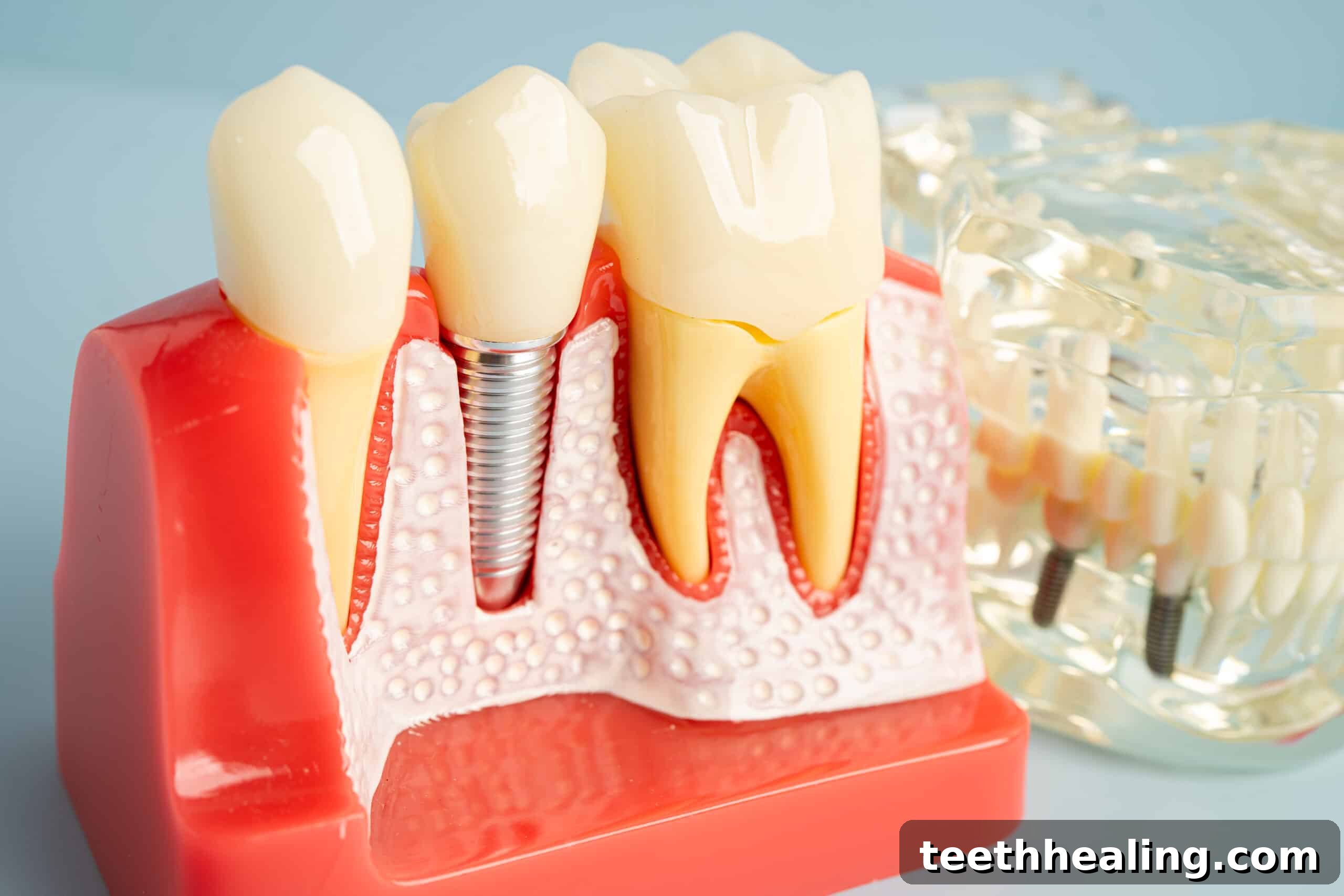
In simpler terms, the process involves carefully introducing a small amount of specialized bone material into the areas where the natural bone is deficient. This carefully placed graft material acts as a scaffold, providing a supportive matrix that encourages your body’s natural regenerative processes. Over time, your body integrates this material, stimulating the growth of new, strong, and healthy bone tissue. The ultimate goal is to create a robust and stable foundation, absolutely essential for the successful integration and long-term stability of dental implants.
For patients considering dental implants near you in Palm Desert, this preparatory step can be the ultimate determinant of long-term success, transforming a compromised bone structure into an ideal site for secure implant placement.
The Indispensable Role of Bone Grafting for Dental Implants
Imagine building a magnificent house. Regardless of its architectural brilliance, the structure’s longevity and stability depend entirely on the strength and integrity of its foundation. Dental implants operate on a remarkably similar principle. Without an adequate and robust bone foundation, even the most expertly placed implant may lack the stability required to function effectively and endure over time. This is precisely why bone grafting is often an indispensable component of the dental implant process.
Here’s a deeper look into the critical reasons why bone grafting is so important:
1. Creating a Strong and Stable Foundation for Implants
The success of a dental implant hinges on a biological process called osseointegration, where the implant post fuses directly with the surrounding jawbone. For this fusion to occur effectively, there must be sufficient bone volume and density to fully encase and support the implant. A healthy, dense jawbone ensures that your implant remains profoundly stable, mimicking the steadfastness and functional resilience of a natural tooth root. Bone grafting directly facilitates this, providing the necessary bone mass for complete osseointegration.
2. Preventing Future Implant Failure
One of the primary reasons dental implants fail is insufficient bone support. When an implant is placed into an area with inadequate bone, it lacks the necessary anchorage, leading to instability, pain, and eventual failure. Bone grafting directly mitigates this risk by augmenting the bone, ensuring that the implant is embedded in a dense, healthy structure from the outset. This proactive measure significantly boosts the long-term predictability and success rate of your dental implants.
3. Restoring and Maintaining Natural Jaw Structure and Facial Aesthetics
The jawbone plays a vital role in supporting facial tissues and maintaining the natural contours of your face. When teeth are lost, the jawbone begins to resorb, leading to a sunken appearance around the mouth, sagging facial features, and a prematurely aged look. By rebuilding the lost bone, grafting helps to restore the original jaw structure, supporting the overlying soft tissues. This preservation of bone not only prepares the site for implants but also helps maintain your natural facial profile and youthful aesthetics, preventing the tell-tale signs of bone loss.
4. Improving Long-Term Durability and Predictability
Patients who undergo proper bone grafting when indicated experience markedly better long-term outcomes for their dental implants. A strong, regenerated bone structure surrounding the implant means enhanced durability, greater resistance to stress, and a significantly longer lifespan for your restoration. This investment in your bone health translates directly into years of comfortable chewing, confident speaking, and a beautiful, enduring smile.
If you’re exploring dental implant preparation in Palm Desert, a thorough evaluation will determine if bone grafting is a crucial and beneficial step in your journey toward a successful and lasting smile.
Who Benefits from Bone Grafting? Identifying the Need
While bone grafting is a transformative procedure for many, it’s important to understand that not every patient seeking dental implants will require it. The decision is highly individualized, based on a comprehensive assessment of your oral health and jawbone condition. However, a significant number of patients do benefit from this procedure, particularly when bone loss has already occurred or is anticipated.
You may be a candidate for bone grafting if you exhibit any of the following conditions or have a history that suggests compromised jawbone health:
- Prolonged Tooth Loss: If you have been missing teeth for an extended period, the underlying jawbone naturally begins to resorb due to the absence of stimulation from the tooth roots.
- Gum Disease (Periodontitis): Advanced gum disease is a leading cause of bone loss around natural teeth. Once these teeth are removed, the existing bone deficit often necessitates grafting.
- Trauma or Injury to the Jaw: Accidents, fractures, or other forms of facial trauma can result in direct bone loss or structural damage, requiring reconstruction before implant placement.
- Long-Term Denture Wear: Traditional dentures do not stimulate the jawbone, leading to accelerated bone resorption over many years. This can make it difficult for long-term denture wearers to transition to implants without grafting.
- Congenital Defects or Developmental Issues: Some individuals may have naturally insufficient bone volume due to genetic factors or developmental anomalies.
- Prior Extractions Without Preservation: If a tooth was extracted without a “socket preservation” graft, the bone in that area is likely to have diminished significantly.
- Professional Assessment Indicates Insufficient Bone: Perhaps the most direct indicator is when a qualified implant dentist, after reviewing advanced imaging, informs you that your existing bone structure is inadequate for immediate or successful implant placement.
An experienced implant dentist in Palm Desert will utilize advanced diagnostic tools, including digital X-rays and 3D cone-beam computed tomography (CBCT) scans, to accurately evaluate your jawbone density, volume, and overall health. This meticulous assessment is crucial for determining whether bone grafting is necessary and, if so, which type of graft will yield the best results for your specific case.
Can You Get Dental Implants Without Bone Grafting?
Yes, absolutely. For some fortunate patients, dental implants can be placed without the need for a preliminary bone grafting procedure. This is typically the case when the jawbone possesses sufficient natural density, volume, and quality to support the implant directly.
Whether bone grafting can be bypassed depends on several critical factors, including:
- Your Existing Bone Density: If your jawbone is naturally robust and has not experienced significant resorption, it may be strong enough to support an implant immediately.
- The Location of the Missing Tooth: Certain areas of the jaw, particularly in the front regions, tend to have denser bone and may retain adequate volume even after tooth loss, compared to posterior areas which are often more prone to resorption.
- Overall Oral Health: A patient with excellent overall oral hygiene, no active gum disease, and a healthy systemic condition is generally a better candidate for direct implant placement.
- Time Since Tooth Loss: If a tooth has been lost very recently, and especially if a socket preservation procedure was performed, there may still be ample bone available.
- Type of Implant Being Used: In some very specific cases, specialized implant techniques or smaller implants (like mini-implants) might be considered if bone volume is slightly reduced, although these have particular indications and limitations.
If your jawbone is deemed strong enough and meets all the necessary criteria, immediate implant placement (placing the implant immediately after tooth extraction) or conventional placement without grafting may be a viable and efficient option. This streamlined approach allows for a quicker overall treatment timeline.
However, the only definitive way to ascertain the best course of action for your unique situation is through a professional and thorough implant consultation in Palm Desert. During this critical appointment, your implant dentist will perform a comprehensive examination, review detailed imaging, and discuss all available options to determine whether bone grafting is a necessary or avoidable step in achieving your ideal smile.
Diverse Types of Bone Grafting Procedures
The field of bone grafting is highly versatile, offering various techniques tailored to address specific areas of bone loss and varying patient needs. Understanding the different types can provide clarity on why a particular procedure might be recommended for your dental implant preparation.
1. Socket Preservation (Alveolar Ridge Preservation)
- Purpose: This proactive grafting technique is performed immediately following a tooth extraction. Its primary goal is to prevent the natural bone loss that typically occurs after a tooth is removed.
- Procedure: After the tooth is extracted, the empty socket is carefully filled with bone graft material and then usually covered with a protective membrane. This material acts as a placeholder, maintaining the bone volume and width of the alveolar ridge (the part of the jawbone that holds the teeth).
- Benefit for Implants: By preserving the bone, socket grafting significantly increases the likelihood that there will be sufficient healthy bone for future implant placement, often making the subsequent implant procedure simpler and more predictable.
2. Ridge Augmentation
- Purpose: When bone has already been lost due to prolonged tooth absence, trauma, or disease, the jaw ridge may become too narrow or too short to support an implant. Ridge augmentation is designed to rebuild and restore the height and/or width of this jawbone.
- Procedure: Bone graft material is strategically placed along the top of the jawbone (the alveolar ridge) to increase its dimensions. In some cases, a membrane or supporting pins may be used to stabilize the graft.
- Benefit for Implants: This procedure creates a wider and/or taller foundation, allowing for proper implant size and angulation, which is crucial for implant stability and long-term success.
3. Sinus Lift (Sinus Augmentation)
- Purpose: This specialized grafting technique addresses bone loss in the upper jaw, particularly in the posterior (molar and premolar) region. Here, the maxillary sinuses (air-filled cavities) can expand downward after the loss of upper back teeth, reducing the amount of bone available for implants.
- Procedure: During a sinus lift, a small incision is made in the gum tissue, and a window is created in the bone to gently lift the sinus membrane. The space created beneath the membrane is then filled with bone graft material.
- Benefit for Implants: By adding bone to the floor of the sinus, it provides the necessary height for secure placement of dental implants in the upper back jaw, preventing the implant from protruding into the sinus cavity.
4. Block Bone Grafting (Autogenous Bone Graft)
- Purpose: For more significant bone defects, particularly those requiring substantial volume, a small block of bone may be harvested from another area of the patient’s own body (such as the chin, hip, or back of the jaw) and transplanted to the recipient site.
- Procedure: The bone block is precisely shaped and secured with small screws to the area needing augmentation. Over time, it integrates with the existing bone.
- Benefit for Implants: Autogenous grafts are often considered the “gold standard” because they contain living bone cells and growth factors, promoting excellent integration and regeneration, ideal for larger defect reconstructions.
Each of these sophisticated procedures is precisely executed to ensure the most favorable conditions for successful dental implants in Palm Desert, paving the way for a durable and aesthetically pleasing restoration.
Step-by-Step: The Bone Grafting and Implant Process
Embarking on any dental procedure can come with questions and uncertainties. By understanding the methodical, step-by-step process of bone grafting followed by implant placement, patients can feel more informed, reduce anxiety, and build confidence in their treatment journey.
1. Initial Comprehensive Consultation
- What Happens: Your journey begins with a thorough and personalized consultation with Dr. McLachlan Jr. This involves a detailed discussion of your medical history, oral health concerns, and specific smile goals.
- Key Outcome: A comprehensive oral examination will be performed, followed by a collaborative discussion to formulate a personalized treatment plan tailored precisely to your unique needs and expectations.
2. Advanced Diagnostic Imaging
- What Happens: State-of-the-art digital X-rays and highly detailed 3D cone-beam computed tomography (CBCT) scans are taken. These advanced images provide a precise, three-dimensional view of your jawbone, nerve pathways, and sinus cavities.
- Key Outcome: This critical step allows Dr. McLachlan Jr. to accurately evaluate your existing bone density, volume, and quality, identifying any areas of deficiency and determining the exact requirements for bone grafting, if necessary.
3. The Bone Grafting Procedure
- What Happens: If bone loss is identified, the appropriate bone grafting procedure (such as socket preservation, ridge augmentation, or sinus lift) is performed. Specialized bone graft material is meticulously placed into the targeted area where bone augmentation is required. This procedure is carried out with utmost precision and care, often under local anesthesia, ensuring your comfort.
- Key Outcome: The graft material is established, setting the stage for your body’s natural healing and bone regeneration processes to begin.
4. The Essential Healing and Integration Period
- What Happens: Following the bone graft, a vital healing period commences. During this time, the graft material gradually integrates with your natural jawbone, stimulating the growth of new, healthy bone tissue.
- Key Outcome: This integration process can take several months, typically ranging from 3 to 6 months, and is crucial for creating a robust and stable foundation. Your progress will be carefully monitored with follow-up appointments.
5. Dental Implant Placement
- What Happens: Once the regenerated bone is strong enough and sufficiently dense to securely support an implant (confirmed through follow-up imaging), the dental implant itself—a small, biocompatible titanium post—is surgically placed into the newly augmented jawbone.
- Key Outcome: The implant is positioned, ready for its own period of osseointegration, where it will fuse directly with the surrounding bone, becoming an integral part of your jaw structure.
6. Final Restoration Attachment
- What Happens: After the implant has fully integrated with the bone (typically another 3-6 months), a custom-designed abutment is attached to the implant, followed by the placement of your permanent crown, bridge, or denture.
- Key Outcome: Your smile is fully restored, both functionally and aesthetically, providing a durable, natural-looking, and confident result.
Patients in Palm Desert consistently express appreciation for how structured, predictable, and transparent this entire process is, knowing they are guided by an expert team every step of the way.
Recovery and Healing Time After Bone Grafting
Understanding the recovery process following a bone grafting procedure is crucial for a smooth and successful outcome. While every individual’s healing capacity varies, recovery is generally manageable, and proper aftercare significantly contributes to optimal results.
What to Expect During Initial Recovery:
- Mild Swelling and Discomfort: It is normal to experience some degree of swelling in the treated area, as well as mild discomfort or soreness. This is typically most noticeable in the first 24-48 hours.
- Minor Bruising: Slight bruising of the skin or gums around the surgical site can occur, which is a normal part of the healing process.
- Minimal Downtime: Most patients find they can return to their regular light activities within a day or two, though strenuous exercise should be avoided for a short period as advised by your dentist.
- Sensitivity: You may experience some sensitivity in the area, particularly when eating or brushing.
General Healing Timeline:
- Initial Soft Tissue Healing: The gum tissue typically heals within a few days to one to two weeks, and any sutures are usually removed or dissolve during this time.
- Full Bone Integration: The critical phase of bone regeneration and integration with the graft material takes considerably longer. This process typically requires 3 to 6 months, and in some more complex cases, it can extend up to 9 months or even longer. This extended period is essential for the new bone to become strong enough to support a dental implant reliably.
Essential Aftercare Tips for Optimal Healing:
- Strictly Follow Your Dentist’s Instructions: Adhere diligently to all post-operative instructions provided by Dr. McLachlan Jr. and his team. This includes guidelines for medication, diet, and oral hygiene.
- Manage Pain and Swelling: Use prescribed pain medication as directed. Applying an ice pack to the outside of your face in 20-minute intervals during the first 24-48 hours can help reduce swelling.
- Maintain Excellent Oral Hygiene (Gently): Keep the surgical area clean to prevent infection. You may be advised to use a special antimicrobial mouth rinse and to brush very gently around the site, avoiding direct pressure initially.
- Modify Your Diet: For the first few days, stick to soft, cool foods. Gradually reintroduce firmer foods as discomfort subsides. Avoid chewing directly on the grafted area.
- Avoid Strenuous Activities: Refrain from heavy lifting, vigorous exercise, or any activities that could dislodge the graft or increase bleeding for at least a week.
- Do Not Smoke: Smoking significantly impairs healing and increases the risk of graft failure and complications. It should be avoided entirely during the healing phase.
- Attend Follow-Up Appointments: Regular check-ups are vital to monitor the healing progress and ensure the bone is developing successfully.
Your dedicated implant dentist in Palm Desert will provide comprehensive guidance and support every step of the way, ensuring a comfortable recovery and successful bone regeneration.
Is Bone Grafting Safe? Your Quick Answer
Absolutely, bone grafting is considered a remarkably safe and highly effective procedure when performed by a qualified and experienced dental professional. It is one of the most common and established surgical techniques in modern dentistry, boasting a high success rate.
Thanks to continuous advancements in dental science and technology, contemporary bone grafting techniques are precise, comfortable, and highly predictable. Dr. McLachlan Jr. and his team in Palm Desert utilize the latest protocols and materials to ensure optimal patient safety and successful outcomes, effectively preparing patients for long-lasting and stable dental implants. The benefits of a strong, healthy jawbone for implant support far outweigh the minimal risks associated with this routine surgical procedure.
Transformative Benefits of Bone Grafting for Implant Patients
The decision to undergo bone grafting is an investment in the long-term success and integrity of your dental implants. This preparatory procedure unlocks a multitude of profound and lasting advantages for patients who might otherwise be ineligible for implant treatment.
Key Benefits You Can Expect from Bone Grafting:
- Unwavering Implant Stability and Osseointegration: By building a robust and dense bone foundation, bone grafting ensures that the dental implant has maximum surface area to fuse with, leading to superior stability. This strong union, known as osseointegration, is the bedrock of implant longevity and function.
- Enhanced Facial Structure and Aesthetic Harmony: Bone loss in the jaw can lead to a sunken facial appearance, altering your natural contours. Grafting helps restore the original bone volume, providing critical support for your facial muscles and skin, thereby preserving or improving your natural facial aesthetics and promoting a more youthful look.
- Natural-Looking and Feeling Results: A well-integrated implant supported by healthy bone allows for the placement of a restoration (crown, bridge, or denture) that looks, feels, and functions indistinguishably from a natural tooth. The proper bone structure ensures the gum line around the implant also appears natural and healthy.
- Superior Long-Term Durability and Success Rate of Implants: Investing in bone grafting when needed dramatically increases the success rate and extends the lifespan of your dental implants. Implants placed in ample, strong bone are far less prone to complications and are built to last for decades, often a lifetime.
- Wider Eligibility for Implant Treatment: For many individuals who were previously told they lacked sufficient bone for dental implants, bone grafting makes treatment possible. It transforms otherwise challenging cases into viable opportunities for smile restoration.
- Improved Chewing Efficiency and Comfort: With stable implants securely anchored in strong bone, you can enjoy a full range of foods, speak clearly, and laugh confidently without worrying about discomfort or movement.
For many patients seeking dental implants near Palm Desert, bone grafting isn’t merely an option; it’s the essential step that makes truly transformative and long-lasting dental implant treatment a reality.
Considering Risks and Limitations of Bone Grafting
Like any medical or dental procedure, bone grafting, while highly successful and safe, comes with certain considerations and potential limitations. It’s important to have a transparent understanding of these aspects to make an informed decision about your treatment.
Potential Risks and Considerations:
- Required Healing Time: The most significant “limitation” is the necessary healing period. Bone regeneration is a biological process that cannot be rushed, often requiring 3 to 6 months (or more) before the implant can be placed. This extends the overall treatment timeline compared to immediate implant placement.
- Potential for Mild Discomfort: While the procedure itself is performed under anesthesia, some mild discomfort, swelling, and bruising are common during the initial recovery phase. This is typically manageable with prescribed medication.
- Risk of Infection: As with any surgical procedure, there is a small risk of infection at the graft site. This risk is minimized through sterile techniques and, in some cases, prophylactic antibiotics.
- Graft Failure (Rare): Although uncommon, there is a slight possibility that the bone graft may not fully integrate or heal as intended. Factors like smoking, poor oral hygiene, or certain medical conditions can increase this risk.
- Nerve Damage (Extremely Rare): In very rare instances, particularly with grafts in the lower jaw, there could be temporary or, in extremely rare cases, permanent nerve irritation or damage, leading to numbness. Advanced imaging and careful planning minimize this risk.
- Not All Cases Allow Immediate Implants: Even with a successful graft, it does not always mean immediate implant placement is possible or advisable. The bone needs time to mature and strengthen.
- Donor Site Discomfort (for Autogenous Grafts): If your own bone is used (autogenous graft), there will be a separate surgical site from which the bone is harvested, which may cause additional temporary discomfort.
It’s crucial to emphasize that these risks are relatively low, especially when the procedure is performed by an experienced and skilled implant dentist like Dr. McLachlan Jr. The temporary considerations associated with bone grafting are almost always outweighed by the significant, long-term benefits of achieving a stable, durable foundation for your dental implants.
Can Bone Loss Irreversibly Prevent Dental Implants?
The good news is: no, significant bone loss does not necessarily mean dental implants are permanently off the table. While it’s true that severe bone loss can indeed make direct implant placement incredibly challenging, or even impossible, it rarely represents an irreversible barrier to treatment.
This is precisely where the transformative power of bone grafting comes into play. Bone grafting procedures are specifically designed to address and correct deficiencies in jawbone volume and density. By meticulously rebuilding the lost bone, these advanced techniques can effectively create the necessary foundation, allowing many patients in Palm Desert who were previously deemed unsuitable for implants to once again qualify. It’s a testament to modern dentistry that even in cases of substantial bone resorption, a path to a stable, implant-supported smile often exists through strategic bone augmentation.
How to Determine If You Need a Bone Graft
The only definitive and accurate way to determine whether you require a bone graft before dental implant placement is through a professional, comprehensive evaluation by a qualified implant dentist. While there are some general signs that might suggest bone loss, only clinical assessment and advanced imaging can provide a precise diagnosis.
General Signs That May Suggest a Need for Bone Grafting:
- Long-Term Tooth Loss: If you’ve had a missing tooth or teeth for several months or years without replacement, bone resorption is highly probable in that area.
- Loose or Ill-Fitting Dentures: Dentures that once fit well but now feel loose or require frequent adjustments may indicate that your jawbone has shrunk, altering the contours of your mouth.
- Sunken Facial Appearance: A noticeable change in your facial profile, particularly a “caved-in” look around the mouth or a prematurely aged appearance, can be a visual sign of significant jawbone loss.
- Difficulty Chewing or Speaking: Compromised jawbone can lead to instability of remaining teeth or dentures, affecting your ability to eat and communicate comfortably.
- History of Severe Gum Disease: Periodontal disease can destroy the bone supporting teeth, and even after tooth extraction, the existing bone deficit may persist.
- Prior Dental Trauma: If you’ve experienced an injury to your jaw, the affected area may have sustained bone loss.
During your professional implant consultation in Palm Desert, Dr. McLachlan Jr. will employ state-of-the-art diagnostic tools, including detailed 3D scans (CBCT), to precisely assess your bone volume, density, and overall oral anatomy. This thorough evaluation will provide clear, unambiguous answers regarding your bone health and whether bone grafting is a necessary step to ensure the long-term success of your dental implants. Don’t rely on self-diagnosis; seek expert guidance for accurate assessment.
Before & After Expectations with Bone Grafting and Implants
Understanding the transformative journey from a compromised smile to a fully restored one can be incredibly motivating. Bone grafting, when combined with dental implants, yields remarkable before-and-after results that dramatically enhance both oral function and aesthetics.
Before Bone Grafting & Implant Treatment:
- Weak or Insufficient Jawbone: The primary characteristic is a jawbone that lacks the necessary density and volume to securely anchor a dental implant. This may be due to prolonged tooth loss, gum disease, or trauma.
- Difficulty Chewing and Speaking: Missing teeth and compromised bone can lead to inefficient chewing, limiting food choices, and may affect speech clarity.
- Missing Teeth and Gaps: Visible gaps in your smile, impacting confidence and social interactions.
- Compromised Facial Aesthetics: A “sunken” appearance in the jaw area, leading to an aged look, and potentially affecting the support for facial tissues.
- Poor Denture Stability: For denture wearers, a shrinking jawbone leads to continuously loose and uncomfortable dentures that slip and cause sores.
After Bone Grafting & Implant Treatment:
- Strong, Regenerated Bone Support: The most critical outcome is a fully rebuilt and robust jawbone, providing an unshakeable foundation for your dental implants. This ensures optimal osseointegration and longevity.
- Stable, Secure Dental Implants: Implants are firmly anchored within the regenerated bone, functioning exactly like natural tooth roots.
- Improved Confidence and Function: With a complete and stable set of teeth, you can enjoy a wide variety of foods with ease, speak clearly without hesitation, and smile, laugh, and interact socially with renewed self-assurance.
- Restored Facial Harmony: The regenerated bone restores the natural contours of your jaw, providing proper support for your facial muscles and skin, often resulting in a more youthful and healthier appearance.
- Permanent Solution for Missing Teeth: Dental implants offer a durable, long-term replacement for missing teeth, eliminating the need for removable dentures or bridges.
The journey through bone grafting and implant placement is an investment in your oral health and overall quality of life, culminating in a beautiful, functional, and long-lasting smile.
Real Patient Experiences: Testimonials of Trust
The true measure of any dental practice lies in the experiences of its patients. At our Palm Desert office, we are deeply committed to providing exceptional care that not only restores smiles but also instills confidence and peace of mind. Here’s what one patient shared about their journey with Dr. McLachlan Jr. and our dedicated team:
“Dr. McLaughlin & his practice is fantastic! They were very professional in quickly scheduling my appt… my implant issue was fully resolved same day! Great service and professionalism. Highly Recommended!” – S. Guzman
In real-life scenarios like S. Guzman’s, patients often arrive at our office feeling apprehensive about complex dental issues or potential implant complications. They might anticipate a protracted, uncomfortable process. For instance, a patient experiencing unexpected discomfort with an existing implant or facing a sudden issue might visit our Palm Desert dental office expecting extensive treatments and multiple visits.
However, through the combination of Dr. McLachlan Jr.’s expert evaluation, precise diagnostic capabilities, and efficient, skilled treatment, such issues are frequently resolved with remarkable speed and proficiency. This swift resolution restores not just comfort and function but also the patient’s trust and confidence in their dental care provider. It highlights our commitment to not only addressing the problem effectively but also doing so in a way that minimizes stress and maximizes patient satisfaction.
This kind of positive experience is a direct reflection of what truly defines our practice:
- Fast and Efficient Care: We strive to address urgent needs promptly and resolve issues effectively, minimizing patient inconvenience.
- Clear and Empathetic Communication: Patients are always kept informed, understanding their diagnosis, treatment options, and what to expect.
- Skilled and Advanced Implant Solutions: Our expertise ensures that even challenging implant-related issues are handled with the highest level of proficiency.
- A Patient-First Approach: Every decision and action is centered around the patient’s comfort, well-being, and ultimate satisfaction.
These unwavering principles are why so many patients confidently choose us for their dental implants in Palm Desert, entrusting us with their smiles and oral health.
Is Bone Grafting Absolutely Necessary for Dental Implants?
Bone grafting is absolutely necessary for dental implants in specific situations: namely, when there isn’t enough healthy, dense jawbone present to adequately support the implant post. Without sufficient bone, the implant cannot properly integrate (fuse) with the jaw, leading to instability and a high risk of failure.
The procedure serves to rebuild and strengthen the existing bone structure, creating a stable, robust foundation essential for the long-term success and durability of dental implants. While not every patient requires it, bone grafting plays a critical and often indispensable role in cases involving any degree of bone loss, transforming previously unsuitable sites into ideal locations for implant placement.
Frequently Asked Questions About Bone Grafting and Dental Implants
No, not every patient needs bone grafting. The necessity for a graft depends entirely on your individual jawbone density, volume, and overall oral health. During your comprehensive implant consultation in Palm Desert, Dr. McLachlan Jr. will use advanced imaging to accurately determine if your existing bone is strong enough or if grafting is required to ensure the long-term success and stability of your dental implants.
Bone grafting is typically a comfortable procedure. It is performed using effective local anesthesia to ensure you experience no pain during the surgery. Most patients report only mild discomfort, swelling, or soreness after the procedure, which can be effectively managed with prescribed pain medication and simple aftercare instructions provided by your dentist.
The initial healing of soft tissues around the graft site usually takes about 1-2 weeks. However, for the bone graft material to fully integrate with your natural jawbone and regenerate into strong, viable bone, a more significant healing period is required. This crucial process typically takes 3 to 6 months, and sometimes longer for more extensive grafts. Your implant dentist in Palm Desert will meticulously monitor your progress with follow-up appointments and imaging to ensure the area is perfectly ready for secure implant placement.
Yes, absolutely. Dental implants are significantly more likely to fail if they are placed into an area of the jaw that lacks sufficient bone volume and density to support them adequately. Bone grafting is precisely performed to create a stable and robust foundation, which dramatically improves the success rate and longevity of dental implants, especially for patients in Palm Desert with pre-existing bone loss.
The cost of bone grafting can vary significantly depending on several factors, including the specific type of graft procedure required (e.g., socket preservation, sinus lift, ridge augmentation), the amount and type of bone graft material used, and the overall complexity of your case. A personalized implant consultation in Palm Desert will include a thorough examination and diagnostic imaging, after which our team can provide you with a clear, detailed estimate based on your unique needs and the recommended treatment plan.
Build a Strong Foundation for Your Confident Smile in Palm Desert
The journey to a fully restored, confident smile with dental implants is an investment in your oral health, overall well-being, and quality of life. At the heart of successful dental implant outcomes lies meticulous planning and, when necessary, proper preparatory procedures like bone grafting. It plays an absolutely vital role in situations where bone loss has compromised the jaw’s ability to support implants, transforming obstacles into opportunities for lasting oral health.
If you’re considering the life-changing benefits of dental implants in Palm Desert, do not let concerns about bone loss hold you back. With the advanced expertise, compassionate care, and state-of-the-art techniques offered by Dr. Robert McLachlan Jr. and our dedicated team, you can confidently address any bone deficiencies and build the strong foundation needed for a durable, beautiful smile. We are committed to guiding you through every step of this transformative process, ensuring comfort, clarity, and exceptional results. Take the proactive step toward reclaiming your smile and confidence today. Schedule your personalized implant consultation with us and discover how a strong foundation leads to long-lasting success.