Unlocking Vitality: The Essential Role of Antioxidants in Your Health
In the pursuit of optimal health and longevity, one crucial element often stands out: antioxidants. These remarkable natural compounds are fundamental to our well-being, acting as diligent protectors against the invisible threats that constantly challenge our cells. Found abundantly in a diverse range of foods, antioxidants are our body’s defense mechanism against free radicals – unstable molecules that, if left unchecked, can inflict significant damage, accelerate aging, and contribute to the development of various chronic diseases.
Understanding antioxidants is key to harnessing their power. They work by neutralizing free radicals, preventing a cascade of cellular damage known as oxidative stress. This process is vital for maintaining healthy cells, tissues, and organs, ultimately supporting overall vitality and resilience. By incorporating antioxidant-rich foods into our daily diet, we empower our bodies to combat environmental stressors, support robust immune function, and promote a vibrant, disease-free life.
What Exactly Are Free Radicals and Oxidative Stress?
To truly appreciate antioxidants, it’s important to understand their adversaries. Free radicals are atoms or groups of atoms with an odd (unpaired) number of electrons. Because electrons prefer to be in pairs, free radicals are highly unstable and reactive. They constantly seek to steal electrons from other molecules in the body to achieve stability. This “electron theft” can damage vital cellular components like proteins, lipids (fats), and even DNA.
The formation of free radicals is a natural part of various metabolic processes within our bodies. They are also generated by external factors such as exposure to pollution, cigarette smoke, radiation, certain medications, and even intense exercise. When the production of free radicals overwhelms the body’s ability to neutralize them, a state of “oxidative stress” occurs. This prolonged oxidative stress is implicated in a wide array of health issues, including heart disease, cancer, diabetes, Alzheimer’s disease, Parkinson’s disease, and the visible signs of aging like wrinkles and loss of skin elasticity.
The Power of Antioxidants: How They Work
Antioxidants function by donating an electron to a free radical, thus stabilizing it and preventing it from causing damage. Crucially, the antioxidant itself remains stable after donating an electron, preventing a chain reaction of cellular destruction. There are hundreds, if not thousands, of different substances that can act as antioxidants, each with unique roles and benefits within the body.
These compounds can be broadly categorized into several types, including vitamins (like C, E, and beta-carotene, which the body converts to Vitamin A), minerals (like selenium, zinc, manganese), and a vast array of phytonutrients (plant compounds) such as flavonoids, polyphenols, anthocyanins, catechins, and carotenoids. Each type targets different free radicals and functions in various parts of the body, highlighting the importance of a diverse diet to obtain a comprehensive spectrum of protection.
Abundant Sources of Natural Antioxidants
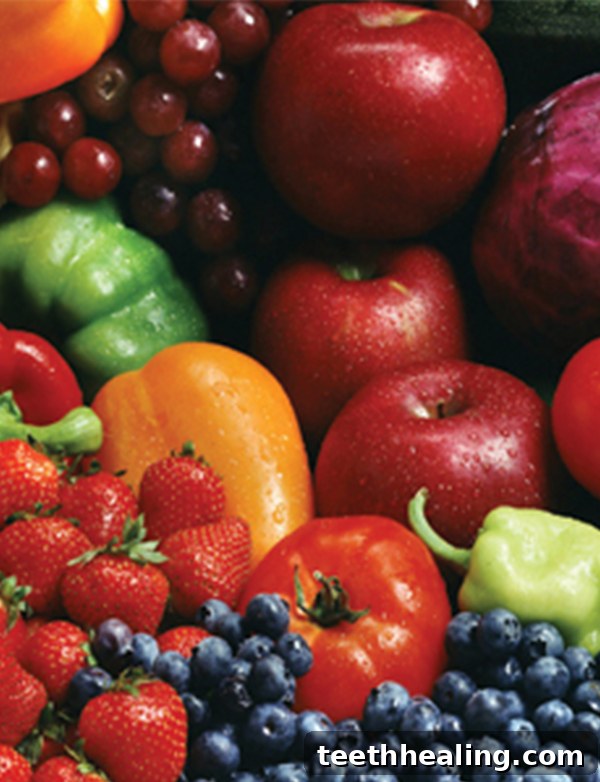
The most potent and bioavailable sources of antioxidants are found in nature, particularly in fruits, vegetables, and other plant-derived products. A key indicator of a food’s antioxidant content is often its vibrant color. The wider the array of colors in your diet, the broader the spectrum of beneficial antioxidants you’re likely consuming.
Embrace the Rainbow: Key Categories of Antioxidant-Rich Foods
-
Berries: Blueberries, raspberries, strawberries, blackberries, and cranberries are powerhouses of anthocyanins and Vitamin C, known for their brain-boosting and anti-inflammatory properties.
-
Citrus Fruits: Oranges, grapefruits, lemons, and limes are excellent sources of Vitamin C, a powerful water-soluble antioxidant essential for immune function and skin health.
-
Leafy Green Vegetables: Spinach, kale, collard greens, and Swiss chard are rich in lutein, zeaxanthin (beneficial for eye health), and various vitamins and minerals.
-
Cruciferous Vegetables: Broccoli, cabbage, Brussels sprouts, and cauliflower contain sulforaphane and other compounds that support detoxification pathways and offer anti-cancer benefits.
-
Legumes: Red kidney beans, black beans, lentils, and chickpeas are packed with fiber, protein, and a variety of antioxidants, including flavonoids and phenolic compounds.
-
Nuts and Seeds: Almonds, walnuts, pecans, sunflower seeds, and flaxseeds provide Vitamin E, selenium, and healthy fats, contributing to cardiovascular health and skin protection.
-
Root Vegetables: Carrots, sweet potatoes, and pumpkins are vibrant sources of beta-carotene, a precursor to Vitamin A, crucial for vision and immune health.
-
Specific Foods and Beverages:
-
Green Tea and Black Tea: Loaded with catechins, particularly EGCG, which are potent antioxidants linked to heart health and metabolism.
-
Cocoa/Dark Chocolate: Rich in flavonoids and polyphenols, known for their mood-enhancing and cardiovascular benefits (choose varieties with high cocoa content and low sugar).
-
Grapes: Especially red and purple varieties, contain resveratrol, an antioxidant associated with anti-aging properties and heart protection.
-
Spices and Herbs: Turmeric, ginger, cinnamon, oregano, and rosemary are incredibly rich in antioxidants and offer powerful anti-inflammatory effects.
-
Cooking and Antioxidant Levels
The way you prepare your food can indeed impact its antioxidant content. For some foods, like tomatoes, cooking can actually increase the bioavailability of certain antioxidants (e.g., lycopene is better absorbed when tomatoes are cooked with a little fat). For others, especially water-soluble vitamins like Vitamin C, prolonged cooking or boiling can lead to a reduction in levels. The key takeaway, however, is not to obsess over minor losses but to prioritize eating antioxidant-rich foods in a variety of preparations. Steaming, light sautéing, and roasting are generally good options. The most important thing is that you consume these beneficial foods regularly – just avoid deep frying, which can negate many of their health benefits.
The Debate: Antioxidant Supplements vs. Whole Foods
The allure of convenience often leads people to consider antioxidant supplements. While vitamins like C, A (in the form of beta-carotene), and E are indeed powerful antioxidants and are often added to fortified foods (like orange juice), the effectiveness of antioxidant supplements versus those naturally found in food is a complex and highly debated topic.
It is true that there isn’t a significant physiological difference between a specific antioxidant molecule whether it’s synthesized in a lab or extracted from a plant. However, the critical distinction lies in the context. Whole foods offer a complex matrix of thousands of compounds – fiber, minerals, other vitamins, and various phytonutrients – that work synergistically. This “team effect” or “entourage effect” means that antioxidants in food are often more effective and safer than isolated doses in a pill.
Numerous studies have shown that while a diet rich in antioxidant-containing foods is consistently linked to better health outcomes, research on isolated antioxidant supplements has often yielded disappointing, and sometimes even concerning, results. High doses of certain antioxidant supplements have, in some cases, been linked to adverse effects, such as an increased risk of certain cancers in specific populations (e.g., beta-carotene supplements in smokers) or interference with medical treatments.
The wisdom of nutrition consistently points to whole foods as the superior choice. It would be incredibly challenging, if not impossible, to consume an excessive amount of antioxidants through food alone. The risk of “too much of a good thing” primarily applies to isolated, high-dose supplements. While there isn’t a set recommended daily allowance (RDA) specifically for “antioxidants” as a group, general dietary guidelines emphasize a plant-rich diet. The MyPlate tool, based on the Dietary Guidelines for Americans, recommends making half your plate fruits and vegetables at most meals. Aiming for at least 5 servings of vegetables and 2 servings of fruits per day is an excellent rule of thumb. Remember, while fruits are healthy, they also contain natural sugars, so moderation is key, much like managing overall sugar intake for optimal dental and general health.
Practical Tips for a Diet Rich in Antioxidants
Integrating more antioxidants into your daily routine doesn’t have to be complicated. Small, consistent changes can make a big difference:
-
Start Your Day Smart: Add berries to your oatmeal, yogurt, or smoothies. Blend spinach into fruit smoothies for an undetectable veggie boost.
-
Snack Wisely: Reach for fresh fruit, a handful of nuts, or vegetable sticks with hummus instead of processed snacks.
-
Load Up Your Plates: Make vegetables the star of your lunch and dinner. Aim for at least two different colored vegetables with every meal.
-
Incorporate Legumes: Add beans or lentils to soups, salads, stews, and chili for extra fiber and antioxidants.
-
Flavor with Herbs and Spices: Use fresh or dried herbs and spices generously in your cooking – they are concentrated sources of antioxidants.
-
Drink Smart: Opt for green tea, black tea, or water infused with fruit slices instead of sugary beverages.
-
Shop with Color in Mind: When at the grocery store, consciously choose a variety of colorful produce to ensure a broad spectrum of nutrients.
Conclusion: Your Path to Enhanced Health
Antioxidants are indispensable compounds that safeguard our bodies from the damaging effects of free radicals and oxidative stress. By protecting our cells, they play a profound role in preventing chronic diseases, slowing the aging process, and bolstering our overall health and vitality.
The most effective and safest way to harness the power of antioxidants is through a diverse, plant-rich diet. Prioritize whole foods – a vibrant array of fruits, vegetables, legumes, nuts, seeds, and healthy beverages. While supplements might seem appealing, they cannot replicate the complex synergy found in nature’s bounty and may even carry risks at high doses. Embrace the “eat the rainbow” philosophy, and you’ll be well on your way to providing your body with the comprehensive antioxidant defense it needs to thrive.