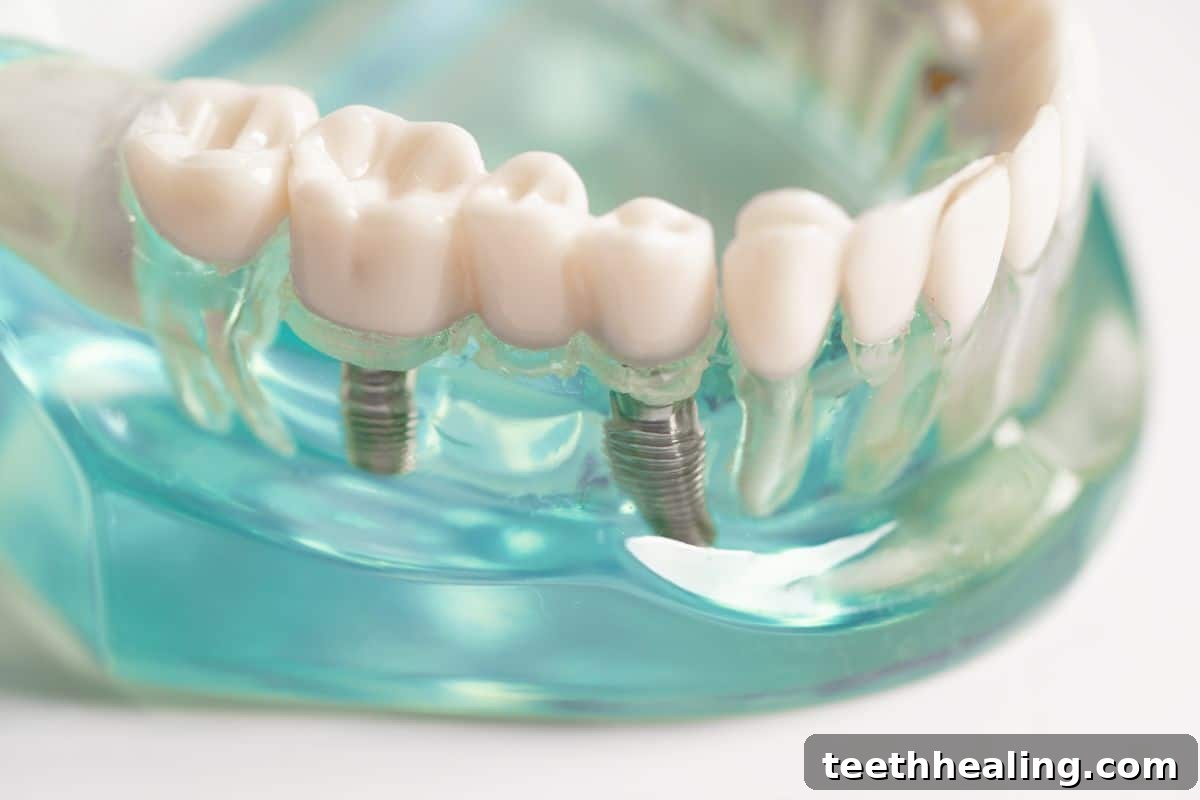
Dental implants stand as a revolutionary and highly effective solution for individuals seeking to restore their smile and regain full oral functionality. Offering unparalleled stability, natural aesthetics, and long-term durability, they are widely considered the gold standard for replacing missing teeth. Unlike traditional dentures or bridges, dental implants integrate directly with your jawbone, providing a robust foundation that mimics the strength of natural tooth roots. This unique biological process, known as osseointegration, is profoundly critical for the implant’s success and typically takes several weeks to many months to fully complete.
While the dental implant surgical procedure itself is meticulously performed by skilled professionals, the journey to a fully healed and functional implant doesn’t conclude the moment you leave the dentist’s office. The post-operative healing phase is equally, if not more, crucial for ensuring the longevity and success of your new smile. During this delicate period, your body is working diligently to integrate the titanium implant into your existing bone tissue. Consequently, how you care for your mouth, with particular emphasis on your dietary choices, profoundly impacts the efficiency and success of this vital healing process. Neglecting proper post-surgical dietary guidelines can lead to a range of complications, including discomfort, delayed healing, increased risk of infection, or even, in severe cases, implant failure, thereby jeopardizing your significant investment in your oral health.
Understanding which foods to embrace and, more importantly, which to meticulously avoid after dental implant surgery is not merely a suggestion; it’s a fundamental aspect of safeguarding your new smile and promoting optimal healing. This comprehensive guide will illuminate the top seven food categories that pose significant risks to your healing dental implants, offering clear explanations for their avoidance and providing safe, delicious, and nutrient-rich alternatives. By making informed choices on your plate, you can proactively protect your investment and pave the way for a smooth, successful recovery and a lifetime of confident smiles.
1. Hard and Crunchy Foods
Immediately following dental implant surgery, your surgical site is incredibly delicate and vulnerable. The newly placed implant post requires an undisturbed environment to properly fuse with your jawbone—a complex process known as osseointegration. Introducing any form of excessive pressure, impact, or abrasive force during this critical phase can be detrimental to the nascent bone-to-implant connection. Hard and crunchy foods are among the most significant culprits in causing such traumatic stress.
Imagine the substantial force required to bite into items like crunchy nuts (almonds, peanuts, walnuts), hard pretzels, crispy potato chips, popcorn (especially unpopped kernels), toast with a hard crust, raw firm vegetables such as carrots or celery, or even ice cubes. This direct, intense mechanical force is immediately transmitted to the healing area around your new dental implant. Consuming these items can lead to several severe problems. Firstly, the sheer physical stress can dislodge the implant, disrupt the delicate blood clot that forms post-surgery (which is essential for healing), or cause significant pain, swelling, and discomfort. Secondly, small, sharp fragments from these brittle foods, such as popcorn hulls or chip shards, can easily become lodged in the surgical site, leading to irritation, inflammation, and a heightened risk of infection. Such complications can severely impede the natural healing process and potentially compromise the long-term success and stability of your dental implant.
To ensure a smooth and undisturbed recovery, it is absolutely imperative to strictly avoid all hard and crunchy foods for several weeks following your procedure, or as specifically advised by your dental professional. Instead, nourish your body with incredibly soft alternatives that require minimal to no chewing. Excellent choices include creamy yogurts (without crunchy granola), blended fruit smoothies, smooth applesauce, well-cooked soft pasta, mashed potatoes, soft scrambled eggs, cottage cheese, and thoroughly cooked, soft vegetables. These options provide essential nutrients without placing any undue stress on your healing dental implants, allowing the critical osseointegration process to proceed unimpeded and undisturbed.
2. Sticky and Chewy Foods
While hard foods present a direct physical threat to your healing dental implants, sticky and chewy foods pose a different, yet equally concerning, set of challenges. Items such as caramels, gummy candies, taffy, chewing gum, certain dried fruits (like raisins, dates, or apricots), and even dense, chewy breads have a remarkable ability to adhere stubbornly to the surfaces of your existing teeth and, crucially, to the surgical site and the implant itself. This persistent stickiness creates multiple problems that can severely hinder your recovery and potentially lead to post-operative complications.
Firstly, the vigorous act of chewing sticky or chewy foods requires significant muscular effort. This constant pulling and tugging motion can exert undue strain and damaging forces on your jaw, the surrounding soft tissues, and most critically, on the newly placed implant. Such persistent mechanical stress can disrupt the delicate bond forming between the implant and your jawbone, potentially leading to discomfort, pain, or even micro-movements of the implant, which can compromise its stability and integration. Secondly, and perhaps more insidiously, the sticky residues from these foods are notoriously difficult to dislodge, even with careful and gentle oral hygiene practices. They can cling tenaciously to the sutures, the sensitive gum tissue around the implant, and the implant abutment, creating an ideal breeding ground for harmful bacteria.
This accumulation of bacterial plaque significantly increases the risk of infection at the surgical site, a condition that can be profoundly detrimental to the osseointegration process. An infection can cause severe pain, swelling, delay healing, necessitate further treatment, and in unfortunate cases, lead to the failure of the dental implant entirely. To mitigate these significant risks, it is strongly advised to avoid all sticky and chewy foods during your initial recovery period. Instead, opt for smooth, non-adhesive alternatives that are easy to consume and effortlessly clean away. Ideal choices include sugar-free puddings, creamy mashed potatoes, well-cooked oatmeal, cottage cheese, pureed soups, and soft, moist breads. Prioritizing soft, non-sticky textures will ensure your dental implants heal in a clean, undisturbed, and optimal environment.
3. Sugary Treats and Drinks
While a dental implant itself is constructed from biocompatible materials like titanium and is impervious to cavities, the health of your surrounding oral tissues is absolutely paramount for its long-term success and stability. Sugary treats and beverages, including cookies, cakes, pastries, candies, sodas, energy drinks, and fruit juices with added sugars, introduce high concentrations of refined carbohydrates into your mouth. These sugars serve as a primary and readily available food source for the harmful bacteria naturally present in your oral cavity.
When these oral bacteria metabolize sugar, they produce acids that can aggressively irritate and inflame the delicate gum tissue surrounding your healing implant. This inflammation, initially known as gingivitis, if left unchecked, can progress to a more serious condition called peri-implantitis. Peri-implantitis is an inflammatory process affecting the soft tissues and bone surrounding an osseointegrated implant, eventually leading to the loss of supporting bone and potentially, implant failure. Furthermore, the overall inflammatory response triggered by excessive sugar consumption can compromise your body’s systemic ability to heal effectively. High sugar intake can suppress the immune system and slow down the vital processes of tissue regeneration and bone integration (osseointegration), thereby significantly delaying your recovery and increasing the risk of various post-surgical complications.
During the critical healing phase, and indeed for optimal overall oral health, it is unequivocally wise to minimize or completely eliminate sugary foods and drinks from your diet. Instead, focus on a diet rich in whole, unprocessed foods and prioritize hydrating with plain water throughout the day. Unsweetened herbal teas, diluted natural fruit juices (consumed sparingly), and milk are also excellent, healthier alternatives to sugary beverages. Maintaining a low-sugar environment in your mouth not only supports the undisturbed healing of your dental implants but also contributes significantly to your overall oral and systemic health, laying a strong and resilient foundation for your new, confident, and enduring smile.
4. Tough Meats
Protein is an absolutely essential macronutrient for healing, tissue repair, and regeneration, making it a vital component of your post-operative diet after dental implant surgery. However, the source and preparation of that protein matter significantly. Tough cuts of meat, such as steak, beef jerky, pork chops, certain fibrous poultry, and any meat that requires substantial effort to chew and break down, are particularly problematic during the recovery period. This vigorous and prolonged chewing action places considerable strain on your jaw muscles, your temporomandibular joint (TMJ), and, most critically, on the surgical site where your new dental implant is delicately integrating with the bone.
The repetitive and forceful gnawing required to consume tough meats can induce significant discomfort, pain, swelling, and inflammation around the implant area. Such persistent mechanical stress can severely hinder the delicate process of osseointegration, potentially delaying healing or even causing detrimental micromovements of the implant. Even subtle movements can compromise the implant’s ability to securely fuse with the bone, thereby jeopardizing its stability and long-term success. Furthermore, small, tough fibers from these meats can easily become lodged in the spaces around your gums and stitches, making thorough oral hygiene more challenging and increasing the risk of irritation, inflammation, or even infection.
To provide your body with the necessary high-quality protein for robust recovery without jeopardizing your dental implant, focus exclusively on soft, easily digestible protein sources. Excellent choices include tender, flaky fish (such as salmon, cod, or tilapia), finely shredded chicken or turkey, well-cooked ground meats (like lean ground beef or turkey), soft scrambled eggs, tofu, legumes that have been thoroughly cooked until very soft, and protein supplements in smoothie form. These alternatives deliver vital amino acids and nutrients without requiring strenuous chewing, allowing your jaw and the implant site to rest, heal, and integrate undisturbed. Always ensure that any meat consumed is cooked until exceptionally tender and cut into small, manageable pieces to minimize any chewing effort.
5. Acidic Foods and Drinks
While often lauded for their vitamin content and perceived health benefits, highly acidic foods and beverages can be particularly irritating and detrimental to a healing mouth following dental implant surgery. Common culprits in this category include citrus fruits (oranges, lemons, grapefruits, limes), tomatoes, pineapples, vinegar-based dressings, pickles, and acidic juices such as orange juice, lemonade, cranberry juice, or even some sports drinks. These items possess a low pH level, meaning they are highly acidic, and can directly irritate the delicate gum tissues and the surgical site, causing discomfort, stinging sensations, and localized inflammation.
During the initial healing phase, your gum tissue is extremely sensitive and vulnerable as it repairs and regenerates itself around the implant. Exposure to strong acids can delay the epithelialization process (the crucial closing of the wound) and potentially slow down the overall process of tissue regeneration. Although the implant itself is made of robust, inert material, the surrounding soft tissues and the initial stages of bone healing are highly sensitive to environmental factors. A persistently acidic oral environment can also disrupt the delicate balance of your oral microbiome, potentially allowing opportunistic and harmful bacteria to thrive, which further increases the risk of complications or infection around the implant site, thereby compromising the osseointegration process.
To avoid irritating your healing gums and to promote a comfortable and efficient recovery, it’s best to steer clear of all highly acidic foods and drinks for at least the first few weeks post-surgery. Instead, opt for low-acid alternatives that are gentle on your mouth. Good choices for fruits include bananas, melons, avocados, and ripe pears. Plain yogurt (without acidic fruit additives), cooked grains, and root vegetables are also safe. When selecting beverages, prioritize plain water, milk, or unsweetened, non-acidic herbal teas. By consciously reducing acid exposure, you create a more hospitable and conducive environment for your dental implants to heal successfully and integrate properly into your jawbone.
6. Alcohol
The consumption of alcohol, including beer, wine, and spirits, is strongly discouraged and should be meticulously avoided during the crucial healing period following dental implant surgery. Alcohol can have several profoundly detrimental effects on your recovery that significantly increase the risk of complications and potentially lead to implant failure. Firstly, alcohol acts as a vasodilator, meaning it causes blood vessels to widen. While this might seem beneficial for blood flow, in a fresh surgical wound, it can actually increase localized swelling and the risk of post-operative bleeding at the surgical site, thereby prolonging the initial healing phase and causing significant discomfort.
Secondly, alcohol has a pronounced dehydrating effect on the body, which often leads to a condition known as xerostomia, or dry mouth. Saliva plays an absolutely vital role in maintaining oral health, helping to wash away food particles, neutralize harmful acids, and provide protective enzymes and antibodies. A dry mouth environment is considerably more susceptible to bacterial growth and infection, which can severely jeopardize the integration and success of your dental implant. Furthermore, alcohol directly interferes with the body’s natural healing capabilities. It can suppress the immune system, making you more vulnerable to post-operative infections, and can hinder the crucial bone regeneration process (osseointegration) that is absolutely essential for the implant to securely and permanently fuse with your jawbone.
It is also worth noting that many alcoholic beverages contain significant amounts of sugar, adding yet another layer of risk as previously discussed in relation to bacterial growth. Moreover, certain medications commonly prescribed post-surgery, such as antibiotics or pain relievers, can have adverse and potentially dangerous interactions with alcohol. For all these compelling reasons, it is absolutely essential to avoid alcohol completely for at least the first two weeks after dental implant surgery, or as specifically instructed by your dentist or oral surgeon. Consulting your dental professional before reintroducing any alcoholic beverages into your diet is a critical and responsible step to ensure the long-term success and health of your new dental implants.
7. Very Hot Foods and Drinks
While temperature might seem like a minor consideration compared to the texture or chemical composition of foods, consuming very hot foods and drinks immediately after dental implant surgery can significantly impact your comfort and severely hinder the healing process. Your mouth, particularly the surgical site and the surrounding sensitive gum tissues, will naturally be tender, sensitive, and potentially swollen post-procedure. Introducing steaming hot soups, scorching coffee, piping hot tea, or extremely hot meals can cause direct thermal burns to these delicate tissues, leading to increased pain, inflammation, and potential tissue damage.
Beyond immediate discomfort, high temperatures can also interfere with the complex and natural biological processes of healing. Heat can cause blood vessels to dilate excessively, potentially increasing localized swelling and the risk of bleeding at the surgical site. More critically, extreme heat can disrupt the delicate blood clot that forms over the wound – a crucial initial step in the healing cascade. This blood clot acts as a natural protective barrier and provides the essential scaffolding for new tissue growth. Dislodging or compromising this blood clot can lead to a painful “dry socket” condition (though more commonly associated with tooth extractions, it’s a risk to avoid near any surgical site) or significantly delay the overall recovery process for your dental implant.
Therefore, during the initial days and weeks following your dental implant procedure, it is absolutely vital to allow all foods and beverages to cool down to a lukewarm or comfortable room temperature before consumption. Instead of boiling hot coffee, opt for a warm, but not scalding, cup of tea or water. Lukewarm broths, cool blended soups, chilled smoothies, and room-temperature water are excellent choices that provide essential nourishment and hydration without causing irritation or hindering the meticulous healing of your dental implants. Always test the temperature of your food and drinks carefully to ensure they are comfortable and safe for your sensitive mouth, promoting an optimal and undisturbed healing environment.
Achieving Healing Success Through Informed Food Choices
Undergoing dental implant surgery represents a profound and rewarding investment in your oral health, aesthetic confidence, and overall quality of life. The ability to chew, speak, and smile without reservation is truly transformative. However, the remarkable benefits and long-term success of dental implants are undeniably contingent upon a meticulous and mindful post-operative recovery, with your dietary choices playing an undeniably pivotal role. By consciously avoiding the seven categories of foods and beverages discussed – namely, hard and crunchy items, sticky and chewy treats, sugary indulgences, tough meats, acidic foods, alcohol, and very hot consumables – you actively protect your healing surgical site and significantly enhance the likelihood of a successful and enduring outcome.
Remember, the overarching goal during this critical healing phase is to meticulously support the delicate process of osseointegration, where your dental implant integrates seamlessly and permanently with your jawbone. Every informed food choice you make contributes directly to creating an optimal healing environment, free from mechanical stress, chemical irritation, and the proliferation of harmful bacteria. Adhering strictly to your dental professional’s post-operative instructions, particularly regarding your dietary restrictions, is paramount for ensuring a smooth and successful recovery. Patience, discipline, and commitment during this initial recovery period will undoubtedly pay substantial dividends in the long-term stability, functionality, and aesthetic appeal of your new teeth.
As you progress through your healing journey, gradually reintroduce firmer foods only when explicitly advised and approved by your dentist or oral surgeon. Listen attentively to your body, and never force chewing if it causes any discomfort or pain. Your commitment to proper care during these initial weeks will lay the robust foundation for a lifetime of confident smiles, optimal oral health, and complete chewing functionality. If you are located in Palm Desert, California, and are exploring permanent and effective solutions for missing teeth, taking proactive and diligent steps in your post-operative care is absolutely vital to protect your significant investment.
A radiant, healthy, and fully functional smile is within your reach. It begins with intelligent decisions, especially concerning what you consume during your critical recovery period. Don’t compromise the ultimate success of your dental implants; empower your healing process with smart, safe, and deliberate dietary choices.
Ready to transform your smile with the permanence and reliability of dental implants? Schedule your personalized dental consultation today and embark on your journey toward a healthier, more confident you.