Porcelain Crowns After Root Canal: The Ultimate Guide to Restoring Your Smile
Undergoing a root canal is a significant step in saving a natural tooth from severe infection or decay. This vital dental procedure removes infected pulp from the tooth’s core, alleviating pain and preventing further spread of infection. However, the journey to a fully restored and functional tooth doesn’t end with the root canal itself. Following this treatment, your tooth requires robust reinforcement to regain its strength, protect it from future damage, and ensure it can withstand the daily rigors of biting and chewing. Among the various restorative options available, a porcelain crown stands out as one of the most popular and highly recommended choices. But is it truly the best long-term solution for your unique smile?
This comprehensive guide will delve into the critical role of porcelain crowns after root canal therapy, exploring their numerous benefits, the factors influencing their longevity, and why they might be the perfect match for both the health and aesthetic appeal of your smile. We’ll examine why dentists, especially cosmetic dentists in Palm Desert, frequently recommend this advanced restorative solution.
Why a Root Canal Tooth Absolutely Needs a Crown
A natural tooth is a marvel of biological engineering, composed of an outer layer of enamel, a middle layer of dentin, and an innermost pulp chamber containing nerves, blood vessels, and connective tissue. When a tooth undergoes a root canal, the infected or damaged pulp is meticulously removed, the root canals are cleaned and disinfected, and then filled with a biocompatible material before being sealed. While this process effectively eliminates the infection and saves the tooth from extraction, it invariably leaves the tooth structurally compromised and more vulnerable.
Here’s why a root canal-treated tooth becomes fragile and why a crown is almost always essential:
- Loss of Vital Nutrients: The pulp tissue is responsible for providing vital nutrients and moisture to the dentin layer of the tooth. Once the pulp is removed, the tooth no longer receives this internal nourishment, leading to dehydration of the dentin over time. This makes the tooth more brittle and susceptible to fracture.
- Structural Weakness: The root canal procedure itself requires creating an access cavity through the chewing surface of the tooth to reach the pulp chamber. This preparation, combined with existing decay or prior large fillings, can significantly weaken the tooth’s overall structure, particularly its cusps (the pointed projections on the chewing surface).
- Exposure to Chewing Forces: Teeth, especially molars and premolars located in the back of the mouth, are subjected to immense biting and chewing forces daily. Without the internal resilience and external protection, a devitalized tooth is at a much higher risk of cracking, chipping, or even splitting under these forces. Such damage can lead to further infection, pain, and potentially the loss of the tooth despite the initial root canal.
Think of a crown as a custom-fitted “helmet” for your tooth. It completely encases the vulnerable tooth structure, providing 360-degree protection against these damaging forces. This reinforcement allows you to chew, bite, and speak without fear of further damage, effectively restoring the tooth to its full strength and function. Without this crucial protection, you could face severe complications, including irreversible tooth loss. This is precisely why dentists universally recommend placing a crown after root canal therapy, especially for molars and premolars that bear the brunt of chewing forces, to ensure the long-term success of the root canal procedure.
What Makes Porcelain Crowns a Top Choice for Restoration?
Porcelain crowns have emerged as a gold standard in restorative dentistry, offering an unparalleled blend of aesthetic excellence, functional strength, and biocompatibility. When considering options for a tooth that has undergone a root canal, porcelain frequently tops the list for many compelling reasons:
Superior Aesthetics and Natural Appearance
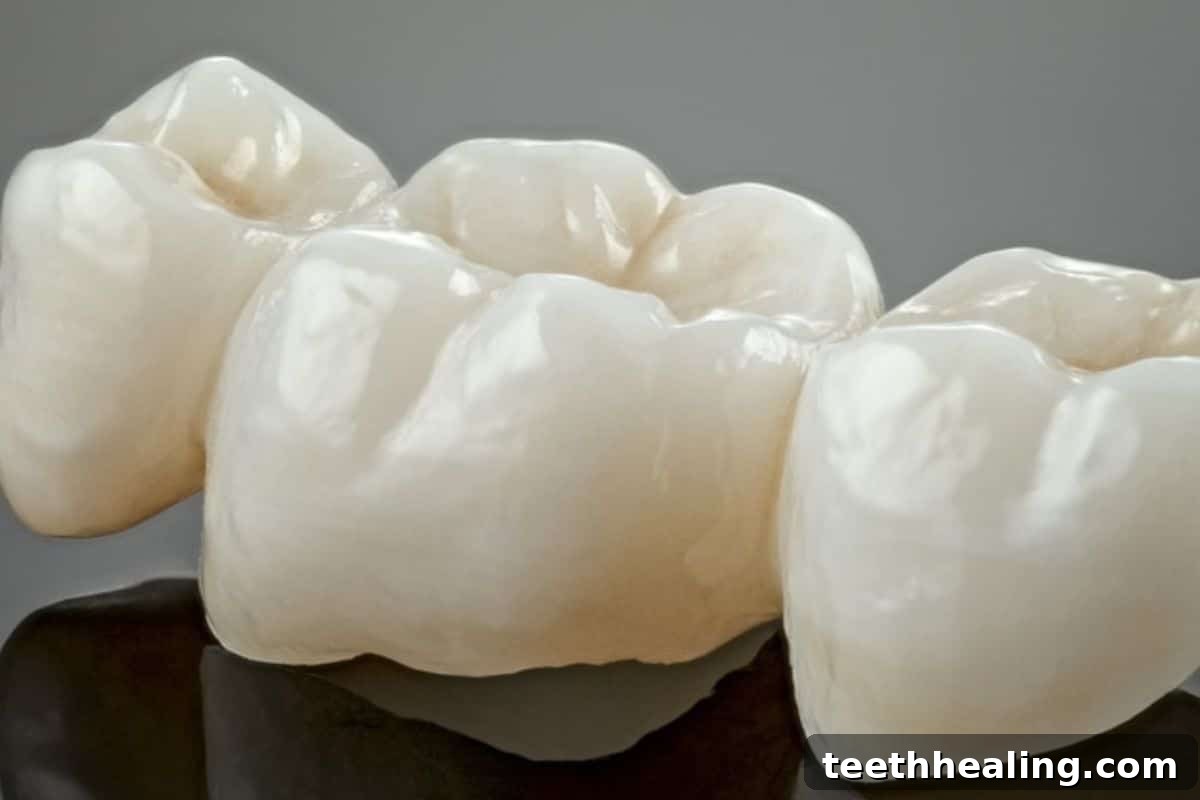
One of the most significant advantages of porcelain crowns is their remarkable ability to mimic the natural beauty of your existing teeth. Porcelain is a ceramic material that can be meticulously crafted to match the exact shade, translucency, and shape of your surrounding teeth. This means your restored tooth will blend seamlessly with your smile, making it virtually indistinguishable from natural teeth. Unlike metal or even porcelain-fused-to-metal (PFM) crowns, all-porcelain crowns eliminate the risk of a visible gray line at the gum line, ensuring a completely natural and attractive appearance that can significantly enhance your overall smile aesthetics. For patients seeking a restoration that is both durable and discreet, porcelain is an ideal choice.
Exceptional Strength and Durability
Modern dental ceramics, particularly the high-strength porcelains used for crowns today, are incredibly robust. While early porcelain crowns had some limitations regarding strength, advancements in dental materials and fabrication techniques have produced crowns that are highly resistant to daily wear, chipping, and fracture. They are designed to withstand the significant biting forces experienced during chewing, making them suitable for restoring both front and back teeth. With proper care, these crowns can provide years of reliable function, protecting your vulnerable tooth underneath.
Biocompatibility and Oral Health Benefits
Porcelain is a highly biocompatible material, meaning it is well-tolerated by the human body and oral tissues. It does not cause allergic reactions or sensitivity, making it a safe choice for nearly all patients. Furthermore, the smooth, non-porous surface of porcelain makes it resistant to plaque accumulation, contributing to better gum health around the crown. Its inert nature means it won’t react with other dental materials in your mouth or cause any metallic taste.
Excellent Stain Resistance
Unlike natural tooth enamel, which can be somewhat porous and susceptible to staining from common culprits like coffee, tea, red wine, and tobacco, porcelain crowns are highly resistant to discoloration. Their glazed, smooth surface repels stains, helping your smile maintain its bright, consistent appearance over time. This property ensures that your restored tooth remains aesthetically pleasing for its entire lifespan.
Precision Fit and Customization
Porcelain crowns are custom-fabricated in a dental laboratory to the precise specifications provided by your dentist. This meticulous process ensures an exact fit over your prepared tooth, minimizing the risk of bacterial leakage or food impaction. The precise contouring also ensures that your bite remains correct and comfortable, preventing potential issues with jaw pain or excessive wear on opposing teeth. The customization extends to every detail, ensuring the crown feels and functions just like a natural tooth.
Comparing Porcelain to Other Materials:
- Metal Crowns (Gold, Silver Amalgam): Extremely durable and cost-effective, but their metallic appearance is a significant aesthetic drawback, especially for visible teeth. While suitable for back molars for some, they lack the natural look many patients desire.
- Porcelain-Fused-to-Metal (PFM) Crowns: These crowns offer a balance of strength (from the metal substructure) and aesthetics (from the porcelain outer layer). However, they can sometimes exhibit a dark line at the gum line where the metal shows through, and their translucency is often less natural compared to all-porcelain crowns.
- Zirconia Crowns: A relatively newer material, zirconia is an incredibly strong ceramic, sometimes referred to as “white metal.” It offers superior strength, making it an excellent choice for back teeth, and its aesthetic qualities have significantly improved, rivaling porcelain for natural appearance. Many dentists consider zirconia as a strong alternative or even preferred option for posterior teeth needing maximum durability.
Given its blend of beauty, strength, and biocompatibility, a porcelain crown remains an outstanding choice if you’re looking for a natural-looking solution that seamlessly integrates with your smile after a root canal. If you’re consulting with a cosmetic dentist in Palm Desert about post-root canal care, porcelain crowns will almost certainly be among their top recommendations.
How Long Do Porcelain Crowns Last? Factors Influencing Longevity
One of the most common questions patients ask is, “How long will my porcelain crown last?” With diligent care and good oral hygiene, porcelain crowns typically last between 10 and 15 years, and often even longer. However, this lifespan isn’t guaranteed and can be significantly influenced by several factors:
Key Factors Affecting Crown Lifespan:
- Oral Hygiene Habits: The cornerstone of crown longevity is excellent oral hygiene. Brushing twice a day with a fluoride toothpaste, flossing daily (paying special attention around the crown and gum line), and using an antiseptic mouthwash will help prevent decay around the crown’s margins and maintain gum health, both crucial for the crown’s stability.
- Regular Dental Check-ups and Cleanings: Visiting your dentist for professional cleanings and examinations every six months allows your dental team to monitor the crown’s condition, detect any early signs of wear or damage, and address potential issues like gum recession or decay around the crown before they become serious.
- Dietary Choices: While porcelain crowns are strong, they are not indestructible. Avoiding habits like chewing on ice, hard candies, popcorn kernels, or very sticky foods can prevent chipping or fracture. Using your teeth as tools (e.g., opening packages) should also be avoided.
- Bruxism (Teeth Grinding or Clenching): If you habitually grind or clench your teeth, especially during sleep (bruxism), the excessive forces can prematurely wear down or fracture your porcelain crown. Your dentist may recommend a custom-fitted nightguard to protect your crown and natural teeth from this damaging habit.
- Crown Placement and Material Quality: The skill of your dentist in preparing the tooth and seating the crown, along with the quality of the dental lab that fabricated it, play a significant role. A well-fitted crown with precise margins is less prone to leakage and subsequent decay. The specific type of porcelain ceramic used also impacts durability.
- Location of the Crown: Crowns on molars and premolars (back teeth) endure higher chewing forces than those on incisors and canines (front teeth). While modern porcelains are strong, posterior crowns might be more susceptible to stress over time.
By adhering to these best practices, you can maximize the lifespan of your porcelain crown, ensuring your root canal-treated tooth remains protected and functional for many years to come. Should your crown show signs of wear, chipping, or looseness, it’s important to consult your dentist promptly for an evaluation.
Are There Any Considerations or Potential Drawbacks?
While porcelain crowns offer a multitude of benefits, like any dental restoration, they come with certain considerations. It’s important for patients to be fully informed to make the best decision for their oral health:
- Chipping or Fracture Risk: Although modern porcelain crowns are highly durable, they are not immune to excessive force. Severe impacts, trauma, or habitual chewing on extremely hard objects can lead to chipping or fracture. While small chips might sometimes be polished or repaired, larger fractures often necessitate the replacement of the entire crown. It’s vital to follow your dentist’s recommendations regarding diet and oral habits to minimize this risk.
- Tooth Reshaping Requirement (Irreversible): Placing a crown requires your dentist to prepare or reshape the underlying natural tooth structure. This involves removing a small amount of enamel and dentin to create sufficient space for the crown to fit over it without appearing bulky. This process is irreversible, meaning the tooth will always require a crown or similar restoration in the future. However, this preparation is a necessary step to ensure the long-term success and proper fit of the crown, ultimately protecting the compromised tooth.
- Cost Factor: Porcelain crowns are a premium restorative option, and their cost can be higher than other materials like metal. This reflects the advanced materials, intricate lab work, and specialized skill required for their fabrication and placement. While it’s an investment, many patients find the longevity, aesthetic benefits, and protection offered by porcelain crowns to be well worth it. Dental insurance often covers a portion of the cost for medically necessary crowns.
- Temporary Sensitivity: Some patients may experience temporary sensitivity to hot or cold temperatures after the crown is placed, especially if the underlying tooth structure was deeply prepared. This sensitivity typically subsides within a few days or weeks as the tooth adjusts to the new restoration.
- Not Repairable in All Cases: Unlike natural teeth, severe damage to a porcelain crown often cannot be repaired seamlessly. If a crown chips significantly or fractures, it typically needs to be replaced rather than simply mended, which adds to the long-term cost and inconvenience.
Despite these considerations, for most patients, the extensive long-term benefits of protecting a vulnerable tooth, restoring its function, and enhancing its appearance far outweigh these potential drawbacks. Open communication with your dentist about your habits and expectations can help mitigate many of these concerns.
Is a Porcelain Crown Right for Your Root Canal-Treated Tooth?
Determining the ideal restoration for your root canal-treated tooth is a personalized process that hinges on several factors, and it’s a decision best made in close consultation with your dental professional. While porcelain crowns are an excellent choice in many scenarios, your dentist will consider the unique aspects of your oral health:
- Tooth Location: For front teeth (incisors and canines), where aesthetics are paramount and biting forces are generally lighter, a porcelain crown offers the perfect blend of durability and unmatched natural beauty. Its ability to perfectly match your natural teeth ensures a seamless smile.
- Biting Forces and Strength Requirements: For back teeth (molars and premolars), which endure significantly higher chewing forces, your dentist might recommend specific types of reinforced porcelain or, more commonly, zirconia crowns. Zirconia, a highly durable ceramic material, provides exceptional strength and fracture resistance while still offering excellent aesthetics. It’s an increasingly popular choice for posterior teeth where maximum resilience is needed.
- Overall Oral Health: Your dentist will assess your bite, the health of your gums, and the condition of surrounding teeth. Issues like severe bruxism (teeth grinding) might influence the choice towards stronger materials like zirconia, or necessitate the use of a nightguard to protect the crown.
- Patient Preferences and Budget: While aesthetics are important, personal preferences regarding material, durability expectations, and budget also play a role in the decision-making process. Your dentist will discuss all available options to align with your needs and financial considerations.
In most clinical cases, porcelain crowns (including advanced ceramic options like zirconia) remain the optimal choice for restoring a root canal-treated tooth. They excel in providing a superior combination of strength, longevity, and natural-looking results, effectively protecting your treated tooth for many years and ensuring your smile continues to look its absolute best.
The Porcelain Crown Placement Process
Understanding the steps involved in getting a porcelain crown can help ease any concerns and ensure you know what to expect. Typically, the process involves two dental appointments:
- First Appointment: Preparation and Impression. During your initial visit, your dentist will numb the tooth and surrounding area. They will then carefully reshape the tooth by removing a small amount of enamel and dentin to create adequate space for the crown. Once the tooth is prepared, an impression (either traditional or digital) is taken of your prepared tooth and surrounding teeth. This impression is sent to a dental laboratory, where your custom porcelain crown will be meticulously fabricated to match your smile. Before you leave, your dentist will place a temporary crown over the prepared tooth to protect it while your permanent crown is being made.
- Second Appointment: Permanent Crown Placement. Approximately two weeks later, your permanent porcelain crown will be ready. During this visit, the temporary crown is carefully removed, and your dentist will check the fit, bite, and shade of the new porcelain crown. Any minor adjustments will be made to ensure perfect comfort and aesthetics. Once both you and your dentist are satisfied, the crown will be permanently bonded to your prepared tooth using a strong dental adhesive. Your dentist will provide aftercare instructions and advice on how to maintain your new restoration.
Choosing the right restoration after a root canal is just as crucial as the root canal itself for the long-term health and aesthetics of your smile. Porcelain crowns provide a proven, highly aesthetic, and durable solution that restores strength and beauty to your treated tooth.
Ready to restore your smile with confidence and ensure the longevity of your root canal-treated tooth? Don’t leave your oral health to chance. Schedule an appointment today with an experienced dental professional, such as a trusted cosmetic dentist in Palm Desert, to determine if a porcelain crown is the ideal restorative solution for your specific needs.