When a sudden dental crisis strikes, the moments that follow can feel incredibly overwhelming. A searing toothache, a fractured tooth, or a knocked-out tooth can transform an ordinary day into an emergency, leaving you grappling with intense pain and uncertainty. In such situations, a critical question often arises: should you seek immediate attention from an emergency dentist, or is it prudent to wait for regular office hours? Both approaches carry distinct advantages and disadvantages, and understanding these nuances is key to making an informed decision that prioritizes your oral health.
This comprehensive guide delves deep into the benefits and drawbacks associated with both immediate emergency dental care and opting to wait. We’ll explore the specialized role of emergency dentists, detail the types of situations that warrant urgent intervention, and provide insights into when waiting might be a viable, or even preferable, option. By the end of this article, you’ll be equipped with the knowledge to confidently navigate dental emergencies, ensuring you receive the appropriate care at the right time. Let’s explore the critical choices involved in safeguarding your smile during unexpected dental challenges.
Understanding the Role of an Emergency Dentist
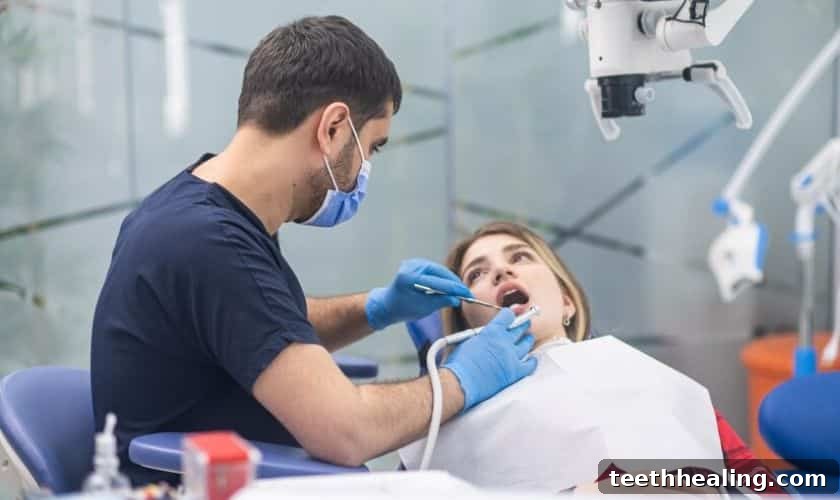
An emergency dentist is a specialized dental healthcare professional dedicated to providing immediate and responsive care for urgent dental issues that cannot wait for a standard appointment. Unlike general dentists who typically operate within fixed daytime hours, emergency dentists offer flexible availability, often including evenings, weekends, and holidays, ensuring that patients can access critical treatment whenever a crisis occurs.
The scope of conditions an emergency dentist addresses is broad and often involves acute pain or trauma. This can range from agonizing toothaches caused by severe infections or abscesses, to physically damaged teeth such as chips, fractures, or completely knocked-out teeth resulting from accidents or injuries. They also manage sudden bleeding gums, acute sensitivity, lost fillings or crowns that cause discomfort, and other forms of oral trauma that demand prompt attention to prevent further complications.
What sets emergency dentists apart is not just their availability, but also their specialized training and preparedness. They possess an advanced skill set beyond routine general dental practice, enabling them to quickly diagnose and effectively treat complex and time-sensitive cases. Their clinics are typically equipped with state-of-the-art diagnostic tools and treatment technologies designed to provide rapid relief and effective solutions for patients experiencing severe pain and distress. This specialized equipment allows for immediate imaging, on-the-spot minor surgical procedures, and effective pain management.
It is crucial to understand that delaying treatment for what appears to be a minor issue can sometimes escalate into a more severe problem, potentially leading to increased pain, more complex and expensive procedures, or even permanent damage. Therefore, if you are uncertain whether your situation qualifies as an emergency, it is always best to err on the side of caution and consult with an experienced emergency dentist immediately. They can assess your condition, provide a professional diagnosis, and recommend the most appropriate course of action.
It’s also important to be aware that emergency dental procedures typically incur additional fees compared to regular appointments. This is due to the specialized nature of the service, the immediate availability, and the resources allocated to provide care outside standard hours. Patients should be financially prepared or inquire about payment options and insurance coverage when seeking this essential type of urgent dental service.
The Advantages of Immediate Emergency Dental Care
When faced with a sudden and severe dental problem, opting to see an emergency dentist without delay offers numerous significant benefits that can make a substantial difference in your immediate comfort and long-term oral health. Here are the primary advantages of seeking prompt treatment:
-
Rapid Pain and Discomfort Relief: This is arguably the most immediate and appreciated benefit. Dental emergencies often involve intense, debilitating pain that can severely disrupt daily life. Emergency dentists prioritize these urgent cases, offering same-day appointments, often within hours. This swift intervention means you can receive necessary treatment—be it a pain-relieving filling, root canal, or extraction—right away, alleviating suffering and restoring a sense of normalcy.
-
Specialized Expertise and Advanced Diagnostics: Emergency dentists are not just general practitioners; they are highly trained and experienced professionals who specialize in crisis management within dentistry. They possess the specific skills and comprehensive knowledge required to quickly and accurately diagnose a wide range of urgent dental issues. Their clinics are equipped with advanced diagnostic tools, such as digital X-rays and intraoral cameras, allowing for precise identification of the problem, leading to effective and targeted treatment plans.
-
Unmatched Availability: Dental emergencies are unpredictable and often occur outside typical 9-to-5 business hours—during evenings, weekends, or public holidays. The round-the-clock availability of emergency dentists ensures that you can find professional care precisely when you need it most, preventing prolonged suffering or the worsening of your condition while waiting for a regular office to open.
-
Prevention of Further Damage and Complications: Delaying treatment for conditions like severe infections, deep cavities, or dental trauma can have dire consequences. An untreated infection can spread, potentially leading to systemic health issues. A chipped tooth can fracture further, or a knocked-out tooth’s viability can drastically diminish with each passing minute. Prompt attention from an emergency dentist can often mitigate these risks, preventing the problem from escalating into a more complex, painful, and costly situation, potentially saving your tooth and preserving your oral health.
-
Enhanced Chances of Tooth Preservation: For certain dental emergencies, particularly a knocked-out tooth (avulsion), time is of the essence. Re-implantation has a significantly higher success rate if performed within a very short window, typically an hour or two. Seeing an emergency dentist immediately maximizes the chances of saving your natural tooth, avoiding the need for more invasive and expensive restorative options like dental implants or bridges later on.
-
Flexible Payment Solutions: Many emergency dental clinics recognize that unexpected dental expenses can create financial strain. To alleviate this burden, they often provide various flexible payment options, including payment plans, third-party financing, or direct billing to insurance providers. This helps ensure that financial constraints do not prevent patients from receiving the urgent care they require.
In summary, choosing to schedule an immediate appointment with an emergency dentist when you’re experiencing sudden and acute dental pain or injury is a proactive and often critical decision. It can lead to rapid relief, prevent long-term complications, save your natural teeth, and ultimately save you time, pain, and money in the long run.
Considering the Downsides of Emergency Dental Care
While the immediate relief and preventive benefits of seeing an emergency dentist are compelling, it’s equally important to consider the potential drawbacks. Weighing these cons alongside the pros will enable you to make a more holistic decision tailored to your specific situation and resources:
-
Higher Cost Implications: One of the most significant drawbacks of emergency dental care is the potentially higher cost. Due to the urgent nature of the service, the specialized availability outside regular business hours, and the immediate deployment of resources, emergency dentists often charge premium fees. If you lack comprehensive dental insurance, or if your current plan does not adequately cover emergency procedures, you could face a substantial out-of-pocket expense. Even with insurance, co-pays and deductibles for emergency services might be higher than for routine visits. It’s essential to inquire about costs upfront if possible, although this can be difficult in a true emergency.
-
Potential for Varying Quality of Care or Limited Familiarity: While the vast majority of emergency dentists are highly skilled professionals, the quality of care can occasionally vary, particularly if you are seeing a dentist unfamiliar with your dental history. Unlike your regular dentist who has an ongoing record of your oral health, an emergency dentist has to make quick assessments based on immediate symptoms. While they are trained for this, there’s always a slight chance the ‘bedside manner’ or treatment philosophy might not perfectly align with your expectations or preferences. However, this is more of an exception than a rule.
-
Limited Scope for Complex Procedures: Emergency dental clinics are primarily set up to stabilize acute conditions and provide immediate relief. While they can perform a wide range of urgent treatments, they may not always have the necessary equipment, specialists (like endodontists for complex root canals or oral surgeons for intricate extractions), or laboratory support on-site or available immediately to complete highly complex or specialized procedures. For instance, if you require a multi-rooted root canal or a custom-fitted crown, the emergency dentist might perform the initial pain-relieving steps and then refer you back to your regular dentist or a specialist for definitive, long-term treatment. This could mean multiple appointments and a segmented treatment process.
-
Lack of Continuity of Care: If you visit an emergency dentist who is not your regular practitioner, there can be a break in the continuity of your dental care. Your regular dentist may not have immediate access to the full details of the emergency treatment received, requiring additional communication and potentially redundant diagnostic steps during follow-up appointments. While emergency clinics will provide records, integrating them fully into your long-term dental plan requires coordination.
Ultimately, while an emergency dentist provides an invaluable service during critical moments, understanding these potential downsides is crucial. It encourages a balanced perspective and allows you to make the most appropriate decision when facing an urgent dental situation, especially considering financial implications and the nature of the required treatment.
The Advantages of Waiting to See a Regular Dentist
In certain scenarios, waiting until regular office hours to see your trusted dentist for a dental concern can present several advantages. It’s important to discern when this approach is appropriate and when it might be risky. Here are the pros of delaying your visit for less severe dental issues:
-
Opportunity to Accurately Assess the Situation: Not every dental discomfort escalates into a full-blown emergency. Sometimes, what feels urgent initially might subside or prove to be a less critical issue upon closer inspection. Waiting for a short period allows you to monitor your symptoms, assess their severity, and determine if the problem truly requires immediate, after-hours attention. This self-assessment can prevent unnecessary emergency visits for minor, transient issues.
-
More Cost-Efficient Treatment: As previously noted, emergency dental services typically come with premium fees. If your dental issue isn’t severe or time-sensitive, waiting until your regular dentist’s office hours can save you money by avoiding these after-hours charges, weekend rates, and urgent care surcharges. This can be particularly beneficial if you have limited dental insurance coverage or are paying out-of-pocket.
-
Reduced Stress and Anxiety: Dental emergencies, especially when they occur unexpectedly during inconvenient hours, can be a source of significant stress and anxiety. The pressure of finding an available dentist, navigating unfamiliar clinics, and worrying about immediate costs can compound the discomfort. Waiting until regular business hours, when more dental offices are open and you can contact your familiar dental team, can significantly alleviate this stress, allowing for a more relaxed and comfortable experience.
-
Continuity of Care with Your Trusted Dentist: One of the most significant benefits of waiting is the ability to see your regular, familiar dentist. Your primary dentist has your complete medical and dental history, understands your specific oral health needs, and has established a rapport with you. This continuity of care often leads to a more personalized and holistic treatment plan. They can also seamlessly integrate any new treatment into your ongoing dental care strategy, ensuring consistency and long-term health management.
-
Access to Full Range of Services and Equipment: During regular office hours, your dentist’s practice typically has its full staff, specialists (if applicable), and all necessary equipment readily available. This means if your issue requires a specific procedure, extensive lab work, or a referral to a specialist, these resources are more easily accessible and coordinated within regular operating times, leading to a more streamlined and complete treatment process.
It is crucial to emphasize that while these benefits exist, delaying care for too long, especially for conditions that worsen rapidly, can lead to exacerbated problems and more severe outcomes. The decision to wait must always be carefully considered, based on the individual’s symptoms and a clear understanding of the potential risks and benefits.
The Risks and Disadvantages of Waiting for Dental Treatment
While there can be valid reasons to wait for non-urgent dental issues, delaying care for what might be a genuine emergency or a worsening condition carries significant risks and can lead to more severe complications. Understanding these disadvantages is critical to making a responsible decision for your oral health:
-
Worsening of the Condition and Increased Pain: Dental problems rarely resolve on their own without professional intervention. A minor toothache can quickly escalate into severe, throbbing pain if an underlying infection or inflammation progresses. A small chip can turn into a larger fracture, exposing the sensitive inner layers of the tooth. Waiting too long means enduring prolonged pain and discomfort, and it can transform a manageable issue into a much more serious and complex problem, requiring more extensive and often more painful treatment down the line.
-
Irreversible Damage and Tooth Loss: For certain dental emergencies, time is an absolute critical factor. A knocked-out tooth, for example, has the highest chance of successful re-implantation if re-inserted within the first hour or two. Delaying even a few hours significantly reduces the likelihood of saving the tooth. Similarly, untreated infections can spread to surrounding tissues, bone, or even other parts of the body, potentially leading to widespread damage, the need for extraction, or even life-threatening systemic conditions.
-
Higher Future Treatment Costs: What might initially be a simple and inexpensive filling or minor repair can, with delay, evolve into a root canal, a crown, or even an extraction followed by an implant – procedures that are significantly more expensive and invasive. The perceived savings from avoiding emergency fees can be completely dwarfed by the increased cost of treating a neglected, advanced dental problem.
-
Missed Opportunity for Timely Care: Many serious dental issues occur during evenings, weekends, or holidays when regular dental offices are closed. By choosing to wait, you deliberately forgo the immediate availability of emergency dental services. This means enduring pain or dealing with a worsening condition for hours or even days until your regular dentist’s office reopens, potentially missing the critical window for optimal treatment.
-
Exacerbation of Dental Anxiety: For individuals who already experience anxiety or fear around dental visits, prolonged pain and the anticipation of treatment can intensify these feelings. Delaying necessary emergency care can exacerbate dental phobia, making future visits even more daunting and potentially leading to further avoidance behavior, creating a vicious cycle of neglect and worsening oral health.
-
Compromised Overall Health: The mouth is intrinsically linked to the rest of the body. Untreated oral infections can contribute to or worsen systemic health problems such as heart disease, diabetes complications, and respiratory issues. Ignoring a dental emergency isn’t just an oral health gamble; it’s a risk to your overall well-being.
In conclusion, while the idea of waiting might initially seem appealing due to concerns about cost or convenience, it’s crucial to acknowledge the serious potential downsides. For true dental emergencies, prompt action is not just beneficial, but often absolutely essential to prevent severe pain, preserve teeth, and protect overall health.
When to Seek an Emergency Dentist Versus When to Wait
Navigating a dental emergency requires a clear understanding of which situations demand immediate attention and which can safely wait. The decision often hinges on the severity of symptoms, the nature of the injury, and the potential for rapid deterioration. Here’s a detailed guide to help you determine the best course of action:
Situations Requiring Immediate Emergency Dental Care (Do NOT Wait):
-
Severe, Unrelenting Pain: If you are experiencing excruciating pain that is sharp, throbbing, constant, or significantly interfering with your ability to sleep, eat, or concentrate, and over-the-counter pain relievers offer no relief, it’s a clear signal for immediate attention. This level of pain often indicates a deep infection, abscess, or nerve damage that requires urgent intervention.
-
Knocked-Out Tooth (Avulsed Tooth): This is one of the most time-sensitive emergencies. If a tooth has been completely knocked out of its socket, immediate action (ideally within 30-60 minutes) significantly increases the chances of successful re-implantation. Handle the tooth by the crown, rinse gently if dirty (do not scrub), and try to reinsert it, or transport it in milk or saline to the emergency dentist.
-
Suspected Jaw Fracture: If you’ve suffered a trauma and suspect a broken or dislocated jaw (indicated by severe pain, difficulty opening or closing your mouth, bruising, or swelling), seek emergency medical and dental care immediately.
-
Facial Swelling or Abscess: Swelling in your face, gums, or jaw, especially if accompanied by fever, difficulty breathing, or swallowing, indicates a serious infection (abscess) that could spread rapidly. This is a potentially life-threatening situation requiring urgent antibiotic treatment and drainage by a dentist.
-
Uncontrolled Bleeding from the Mouth: Significant or persistent bleeding after an injury, extraction, or for no apparent reason, which doesn’t stop with gentle pressure, necessitates immediate dental or medical attention.
-
Loose or Partially Dislodged Tooth: A tooth that is very loose or has been pushed out of alignment due to trauma requires immediate attention to stabilize it and prevent further damage or loss.
-
Severe Dental Trauma: Any injury to your teeth or mouth resulting from an accident, fall, or sports injury that causes significant pain, large chips, deep cracks, or cuts/lacerations to the gums, tongue, or lips should be assessed immediately.
Situations Where Waiting Might Be Acceptable (Contact Your Dentist During Regular Hours):
-
Minor Toothache or Sensitivity: If you experience mild, intermittent pain or increased sensitivity to hot/cold that is manageable with over-the-counter pain relievers and doesn’t interfere significantly with your daily activities, it may be okay to wait for a regular appointment. However, monitor the symptoms closely for any worsening.
-
Lost Filling or Crown (Without Pain): If a filling or crown falls out but you are not experiencing any significant pain, sensitivity, or sharp edges cutting your tongue, you can likely wait a day or two to see your regular dentist. Avoid chewing on that side and be careful with temperature extremes.
-
Chipped Tooth (Minor, No Pain): A small chip in a tooth that doesn’t cause pain, sensitivity, or sharp edges that irritate your mouth is generally not an emergency. You can schedule a regular appointment for repair.
-
Dull Ache or Mild Gum Irritation: A persistent but dull ache, or mild irritation of the gums without severe pain, swelling, or bleeding, typically indicates a less urgent issue like gingivitis or a minor cavity that can be addressed during routine hours.
-
Food Stuck Between Teeth (Non-Painful): While annoying, food firmly wedged between teeth that you can’t remove with floss isn’t usually an emergency unless it’s causing severe pain or swelling. A regular dental visit can resolve this.
Ultimately, trust your instincts. If something about your oral health situation feels concerning, if the pain is severe, or if you suspect trauma, do not hesitate to call an emergency dentist. They can provide professional advice tailored to your specific symptoms and guide you on whether immediate action is necessary. A brief phone consultation can often prevent unnecessary worry or, more importantly, ensure you get critical care when it truly matters.
Final Thoughts on Navigating Dental Emergencies
The decision of whether to consult an emergency dentist or wait for regular office hours during a dental crisis is rarely straightforward. It involves a careful evaluation of the pain level, the nature of the injury, potential risks of delay, and your personal circumstances. Both immediate intervention and a more cautious approach have their distinct merits and drawbacks, making it essential to understand the nuances of each.
For situations involving severe, unbearable pain, significant bleeding, facial swelling, or dental trauma that risks tooth loss (such as a knocked-out tooth), seeking immediate care from an emergency dentist is not just advisable but often imperative. The rapid relief, specialized expertise, and ability to prevent irreversible damage or widespread infection offered by urgent dental care can be life-changing, safeguarding your long-term oral health and overall well-being. Investing in immediate care during such critical moments can ultimately save you from more extensive, painful, and costly procedures in the future.
Conversely, if your dental issue presents as minor discomfort, mild sensitivity, or a lost filling without accompanying pain, and you can effectively manage any discomfort with over-the-counter remedies, waiting until regular business hours to see your familiar dentist might be a more sensible and cost-effective choice. This allows for continuity of care with a professional who knows your dental history, potentially reducing anxiety and ensuring a more comprehensive treatment approach.
However, it is paramount to always remember that neglecting a dental problem, regardless of its initial perceived severity, carries inherent risks. Dental issues are rarely self-resolving; they tend to worsen over time if left untreated. Therefore, even if you initially choose to wait, it is absolutely crucial to schedule a follow-up appointment with your regular dentist as soon as possible to address the underlying problem before it escalates.
In conclusion, prioritizing your oral health should always be your guiding principle. Whether you decide to seek immediate attention from an emergency dentist or opt to wait for a scheduled appointment with your general practitioner, ensure you obtain professional dental care when necessary. Couple this with consistent daily oral hygiene habits and regular check-ups to minimize the likelihood of future dental emergencies. Your smile is a vital asset, deserving of proactive care and swift attention when unexpected challenges arise.