
The Ocean’s Gift: Seaweed as a Revolutionary Source of Heart-Healthy Food Ingredients
In an exciting development that promises to bring a wave of positive change to dietary habits, especially for those seeking plant-based or dairy-free options, scientists have spotlighted seaweed as an exceptionally rich and untapped source of heart-healthy food ingredients. This revelation positions seaweed, often overlooked in Western diets, at the forefront of the functional food revolution, offering a sustainable and potent alternative to conventional sources.
For individuals committed to avoiding dairy products due to allergies, lactose intolerance, ethical considerations, or personal preferences, this discovery opens up a compelling new avenue for obtaining vital nutrients. The research underscores seaweed’s profound potential to deliver health-promoting compounds that are crucial for maintaining cardiovascular wellness, making it a truly invaluable addition to the global food landscape.
Why Incorporate Seaweed into Your Diet?
Beyond its culinary versatility, seaweed and other “macroalgae” are gaining significant attention for their impressive nutritional profiles. Researchers have concluded in an article published in ACS’s Journal of Agricultural and Food Chemistry that these marine wonders could effectively rival traditional milk products as premier sources of highly beneficial “bioactive peptides.” These peptides are not merely nutritional components; they are powerful compounds that exert specific physiological effects in the body, often comparable to pharmaceutical interventions.
There’s a growing global interest in leveraging bioactive peptides as key ingredients in what are known as functional foods. These foods transcend basic nutrition, offering additional health benefits that can play a role in treating or preventing various diseases. Traditionally, dairy products have been the primary source of these valuable peptides. However, the identification of seaweed as a robust alternative provides a much-needed, sustainable, and inclusive option for a broader population.
Seaweeds, though often considered an exotic food in many parts of the world, have been a staple in East Asian and other coastal cultures for centuries. From the delicate nori sheets used in Japanese sushi, the nutrient-dense dulse enjoyed in coastal Europe, to the traditional limu palahalaha in Native Hawaiian cuisine, these ancient traditions attest to seaweed’s long-standing recognition as a nutritious food source. Yet, despite this rich history, seaweed remains a relatively neglected resource in the broader context of modern food science and dietary recommendations, a oversight that current research aims to rectify.
Understanding Seaweed Proteins and Bioactive Peptides
The remarkable health benefits attributed to seaweed largely stem from its unique protein content. A comprehensive review of nearly 100 scientific studies has meticulously detailed how certain proteins found in seaweed operate in a manner strikingly similar to the bioactive peptides derived from milk products. Crucially, these seaweed-derived compounds have been shown to effectively reduce blood pressure, performing a function akin to popular ACE inhibitor drugs. Angiotensin-converting enzyme (ACE) inhibitors are a class of medications commonly prescribed to relax blood vessels and lower blood pressure, making the natural, dietary equivalent found in seaweed a significant discovery.
These bioactive peptides work by inhibiting the ACE enzyme, thus preventing the narrowing of blood vessels and helping to maintain healthy blood pressure levels. The efficacy of seaweed in this regard positions it as a promising dietary intervention for cardiovascular health, offering a natural and accessible way to support heart function without relying solely on pharmaceutical solutions or dairy products.
A Treasure Trove of Nutrition: Beyond Peptides
While bioactive peptides are a major highlight, the nutritional advantages of seaweed extend far beyond just blood pressure regulation. Seaweeds are veritable powerhouses of essential vitamins, minerals, and other beneficial compounds, making them an excellent addition to any diet focused on holistic health. They are particularly rich in iodine, a vital mineral for thyroid function, which regulates metabolism and energy levels. Many varieties also provide significant amounts of calcium and magnesium, crucial for bone health and muscle function, as well as iron, which is essential for oxygen transport in the blood. For those avoiding dairy, seaweed can serve as an excellent plant-based source of bone-supporting minerals.
Furthermore, seaweed boasts a diverse array of B vitamins, including B12, which is often challenging to obtain in sufficient quantities from plant-based diets. They are also packed with antioxidants, such as carotenoids and flavonoids, which combat oxidative stress and inflammation, protecting cells from damage and potentially reducing the risk of chronic diseases. The high fiber content in seaweed aids in digestion, promotes gut health by feeding beneficial gut bacteria, and contributes to a feeling of fullness, which can be beneficial for weight management.
Seaweed as a Sustainable Superfood
The environmental credentials of seaweed further elevate its status as a future food staple. Unlike land-based agriculture, seaweed cultivation requires no fresh water, no arable land, and no synthetic fertilizers or pesticides. Seaweed farms can even improve marine ecosystems by absorbing excess nutrients, oxygenating the water, and providing habitats for marine life. This makes seaweed farming an incredibly sustainable practice, offering a compelling solution to the growing global demand for nutritious and responsibly sourced food.
The research unequivocally concludes, “The variety of macroalga species and the environments in which they are found and their ease of cultivation make macroalgae a relatively untapped source of new bioactive compounds, and more efforts are needed to fully exploit their potential for use and delivery to consumers in food products.” This statement underscores the vast potential yet to be realized, emphasizing the need for continued research, innovative food product development, and increased consumer awareness to integrate this marine marvel into our everyday diets more effectively.
Integrating Seaweed into Modern Diets
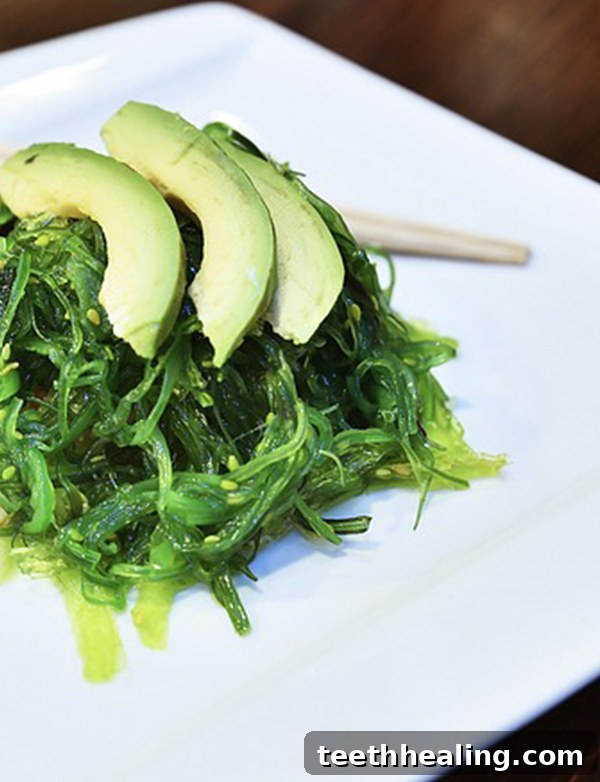
While some forms of seaweed like nori are well-known, there is an immense diversity of edible seaweeds, each with its unique flavor profile and texture. Kelp, for instance, can be used in salads or as a noodle alternative. Wakame is a common addition to miso soup, while dulse can be eaten dried as a snack or crumbled into dishes for a savory, umami flavor. The versatility of seaweed makes it easy to incorporate into a wide range of meals, from stir-fries and soups to smoothies and even baked goods. Innovative food manufacturers are also exploring seaweed extracts and powders as functional ingredients in supplements, health drinks, and processed foods, making it even more accessible to consumers.
As we continue to explore the depths of our oceans, the understanding of seaweed’s comprehensive health benefits will only expand. Its role as a potent, natural alternative to dairy for heart-healthy peptides, coupled with its extensive nutritional profile and environmental sustainability, positions seaweed as a cornerstone of future diets. It represents a significant step forward in developing functional foods that not only nourish the body but also actively contribute to preventing disease and promoting overall well-being. Embracing seaweed is not just a dietary choice; it’s a step towards a healthier self and a more sustainable planet.
For more detailed insights into dietary choices and their impact on your health, consider exploring our related articles:
- Calcium and Dairy: Understanding Your Options
- Evolve Dental Healing: Holistic Approaches to Wellness